

2012: a Braamfontein start with a practical aim
SA Makers opened in Braamfontein in 2012 with a hands-on approach to a common problem. People had ideas, but they often did not know where to work, which tools to buy, or how to start safely without wasting money on the wrong kit. The first year was about listening to the local maker community, speaking to workshop users in Johannesburg and understanding what was needed for real projects, not just theory.
At the start, the focus was small and direct. We helped match people with suitable spaces, pointed them to the right starter tools and built a basic understanding of workshop planning. That early work set the tone for everything that followed: keep it useful, keep it local, and make sure the advice works in South African conditions.
2013 to 2015: training and starter kits take shape
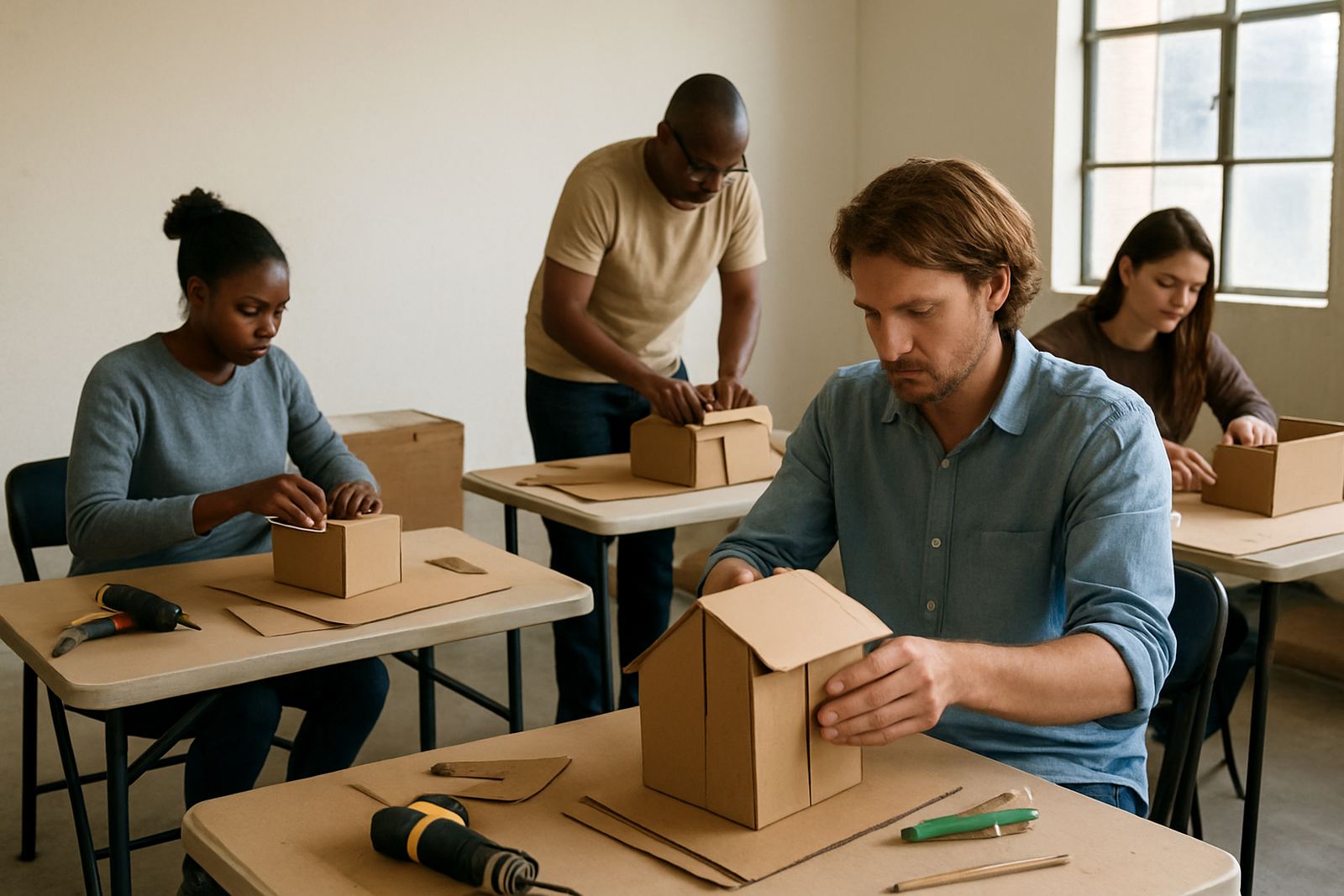
As more people came through the door, the need for proper training became clear. In 2013 and 2014, the team started shaping short practical sessions for beginner makers, teachers and small business owners who needed to get going fast. The first training content covered safe tool use, workshop setup, material handling and basic maintenance. It was never about jargon. It was about what to do on the floor, in the lab or at a school site.
By 2015, starter kits were becoming a major part of the offer. These were built for South African use, with attention to power cuts, municipal safety rules and the realities of limited space. A kit had to be easy to store, easy to explain to new users, and ready for different settings from a school lab in Soweto to a small studio in Sandton.
- Starter kits began to include the basics for setup, storage and daily use
- Training sessions were adjusted for schools, community groups and small teams
- Safety checks and signage became standard parts of early support
2016 to 2018: building the makerspace network
The next stage was about connections. SA Makers started mapping and supporting makerspaces beyond Johannesburg, working with venues in Pretoria East, Midrand, Durban and Cape Town, then expanding further to Gqeberha. The aim was to help people find a place that suited their tools, project size and schedule, whether they needed a single workshop day or an ongoing member programme.
This period also brought more structured work around space planning and tool zone layouts. Many spaces had to deal with tight footprints, mixed-use buildings and varying electrical supply. Load shedding made planning more careful, so layouts had to make sense for backup power, storage and safe movement when lights were out. In coastal areas, especially in Durban and Gqeberha, humidity and rust control became part of the conversation too.
What mattered most was trust. Makerspaces needed clear guidance, and users needed to know the space was set up properly. That meant more consistent onboarding, clearer maintenance checks and better storage solutions. It was practical work, and often the boring jobs are the ones that keep a space running.
2019 to 2021: support during tighter budgets and harder conditions
From 2019 onward, many clients were watching budgets more closely. Schools, clubs and startup teams wanted to do more with less, so the advice had to be sharper. SA Makers responded by refining consumables planning, maintenance checks and maker audits so clients could see what was being used, what was wearing out, and where money was leaking away. That kind of work helped stretch stock and avoid unnecessary replacements.
The years that followed asked for patience and flexibility. Training had to work across changing venue rules and shifting group sizes. Some sessions moved between Braamfontein, Sandton and other partner spaces, while others were handled at school labs or community venues. We kept the same idea throughout: make the setup simple enough that a facilitator can focus on the people in the room, not the equipment.
- Onboarding formats were tightened so new members could start faster
- Facilitator support became a regular part of larger events and workshops
- School lab refresh projects began to include safer storage and clearer signage
2022 to 2024: structured services for schools, events and teams
As the network grew, the services became more structured. Teams were asking for help with event maker stations, startup space kits and school lab refresh work that could be planned properly from the start. The response was to turn years of practical learning into repeatable service lines that could be used in different towns and under different conditions. A maker station for a corporate event in Midrand needs a different flow from a school lab in Pretoria East, and both need careful planning.
During this period, the team also paid more attention to safety signage setup and storage solutions. That may sound small, but it makes a big difference when a room has to pass a site check or keep users moving safely around tools. In some venues, municipal rules or landlord requirements also shaped what could be installed and how it had to be labelled. Good planning saved time later, and kept people safer.
The work became more visible, but the goal stayed the same. Help people create without fighting the setup. That means clear instructions, usable tools and enough support for staff and members to keep going on a busy week.
Today: a national partner with a Johannesburg base
Today SA Makers operates from Braamfontein, Johannesburg, while working with partner makerspaces and training venues across South Africa. The network includes clients and community spaces in Braamfontein, Sandton, Midrand, Pretoria East, Soweto, Durban, Cape Town and Gqeberha. That reach matters because makers do not all work in the same way. Some need a one-day training session. Others need a longer support plan, a full maker audit or help with a new workshop layout.
The team today reflects that wider role. Naledi Dube leads the business side, while the wider group handles training, workshop operations, community partnerships, starter kit buying, technical support and makerspace network work. Each role supports a different part of the same chain, from the first enquiry through to setup and follow-up. It has taken years to build that structure, and it still comes down to careful, practical service.
Looking back, the story is steady rather than dramatic. One year led to the next, with each project showing what makers in South Africa actually need. From the first tools and first training sessions to today’s wider network, SA Makers has stayed close to the work itself and to the people doing it.