





Start With What You Want to Make
Some people come in with a clear project in mind, like a small wood item, a repair bench or a school makerspace refresh. Others are still figuring out whether they need a short skills session, a starter kit, or access to a shared workshop. The right path depends on your end goal, your budget and how often you will use the space.
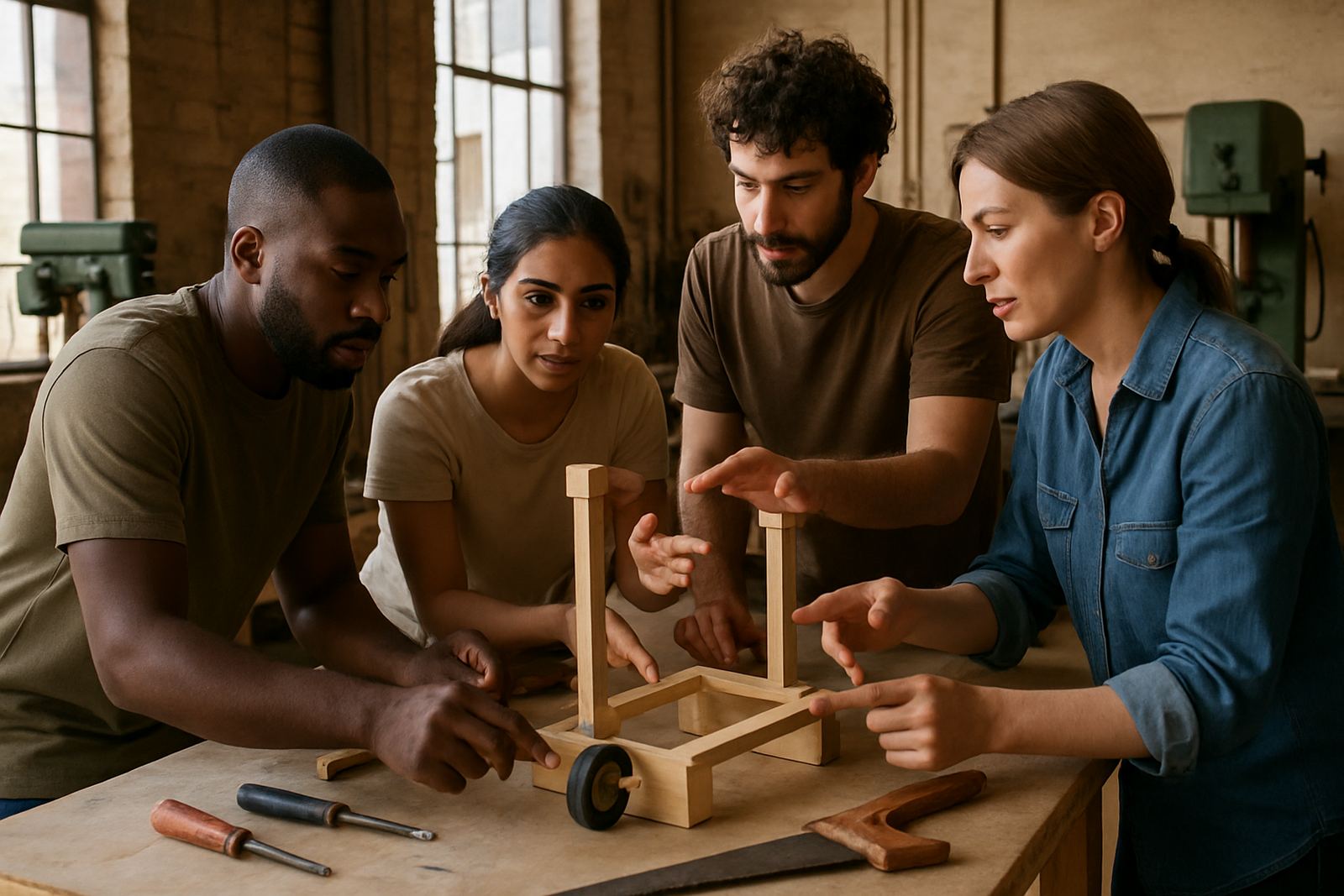
If you are just getting started, look for a path that gives you one simple win first. That may mean a short safety briefing, a basic tool introduction and a starter kit with the right consumables. If you already have a group or a small team, you may need planning help for storage, work zones and member flow so people can work without slowing each other down.
Paths For First-Time Makers
First-time makers often need the basics explained in plain language. That usually includes hand tools, measuring, cutting, fastening, cleanup and safe storage. It also helps to understand power use, especially where load-shedding can interrupt a session and where battery backup or manual methods can keep work moving.
- Intro training for one person, a class, or a small team
- Starter kits matched to the project type and space size
- Simple safety signage and clear storage rules
- Support for setting up a compact home or shared workspace
A good first path should not overload you with equipment. It should give you enough to finish a real project and know what to improve next.
Training That Leads To Real Work
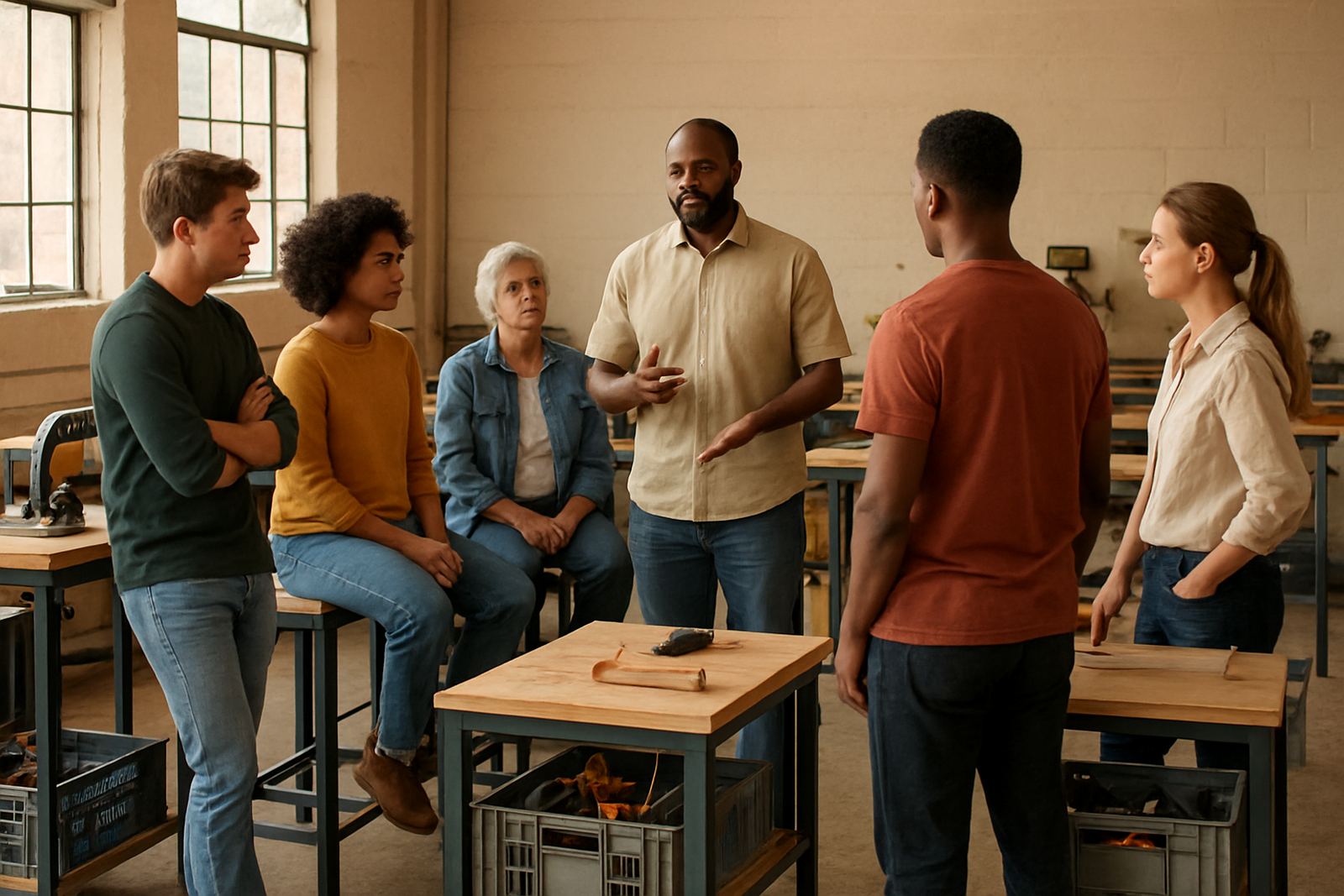
Training is most useful when it links directly to the tools and the venue you will use. A lesson on its own is helpful, but the value grows when people can move from learning into doing. That is why many groups choose a path that includes facilitator support, member onboarding and a check of the working area before the first session starts.
Our training options suit community groups, schools, startup teams and makerspaces that need a practical way to build confidence. In humid coastal areas like Durban and Gqeberha, for example, tool care and storage matter just as much as the lesson itself. In busy Gauteng venues, layout and turnaround time matter too, because a shared room needs to reset fast between users.
Tools, Kits And Space Planning
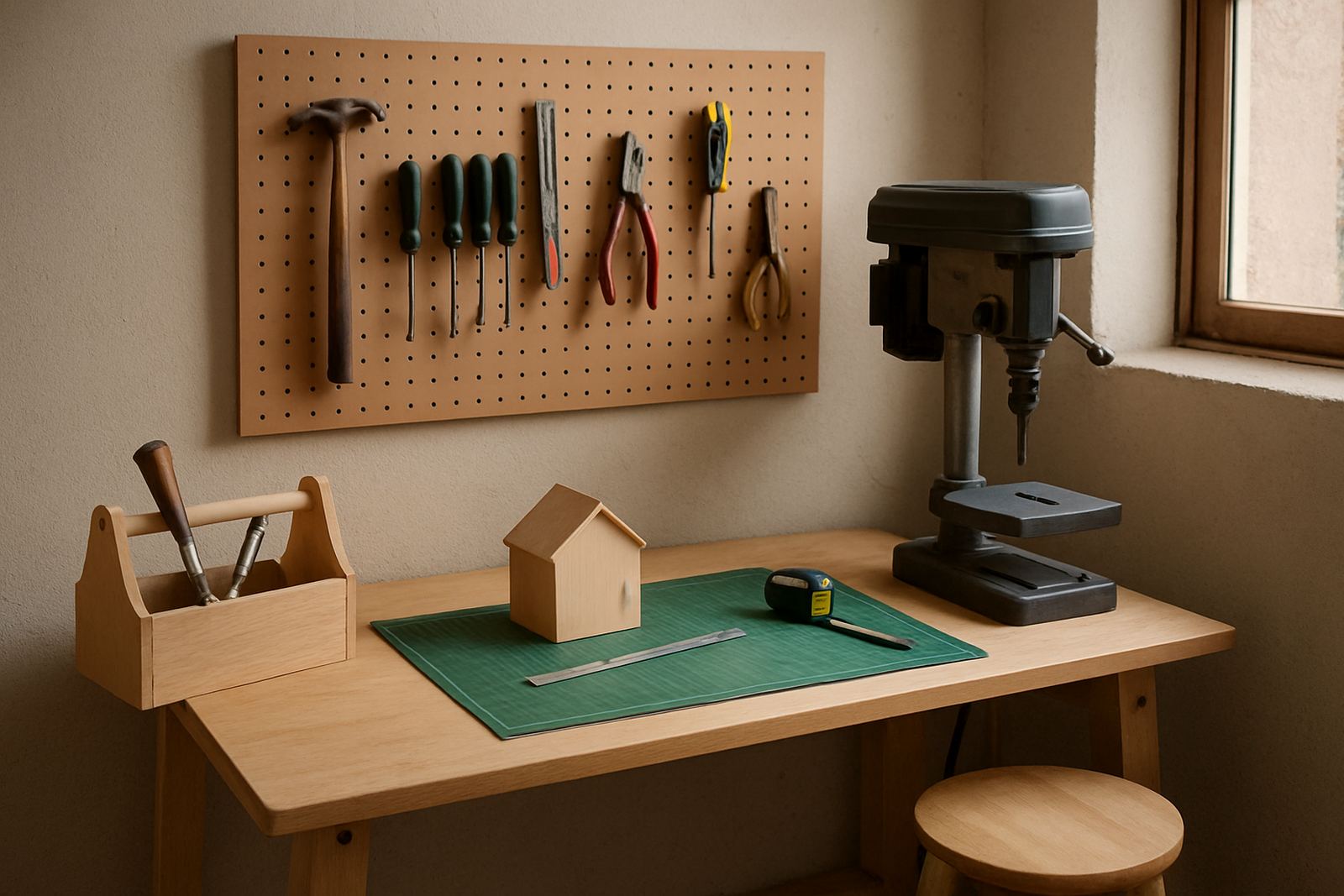
Once the learning goal is clear, the next step is matching tools to the space. A workshop with a tight footprint needs different storage and bench spacing to a school lab or a small production area. Good planning keeps tools easy to reach, reduces clutter and helps people work safely without crossing paths too often.
- Tool zone layouts for hand tools and powered equipment
- Startup space kits for new rooms and pilot programmes
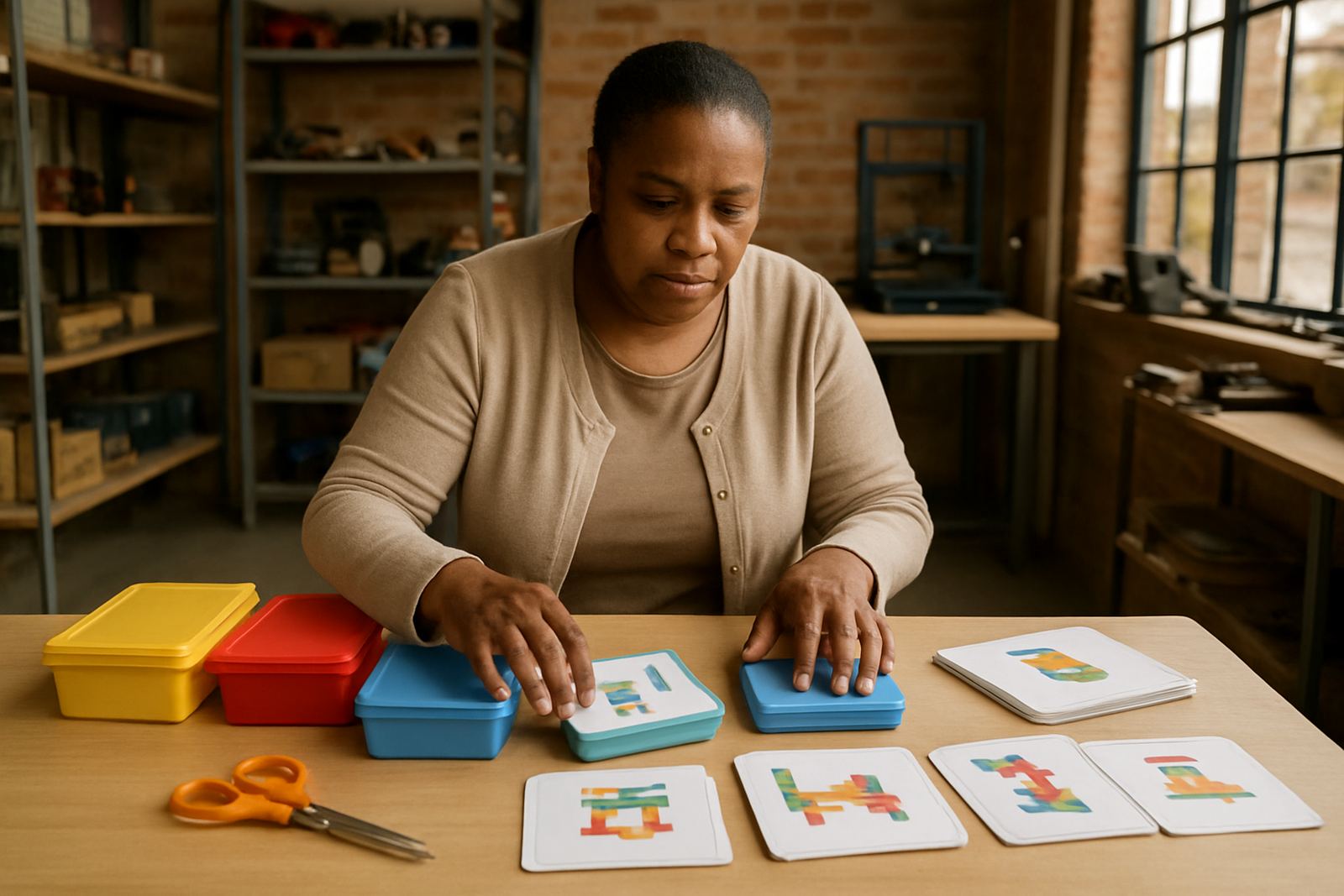
- Consumables planning so fast-moving items do not run out mid-month
- Storage solutions that work in shared spaces and mobile setups
For organisations in Braamfontein, Sandton, Midrand or Pretoria East, space planning can also help with delivery access, power points and clear walking lines. In Soweto and other high-use community venues, the focus may be on durability, easy supervision and practical cleanup.
Maker Paths For Schools And Community Groups
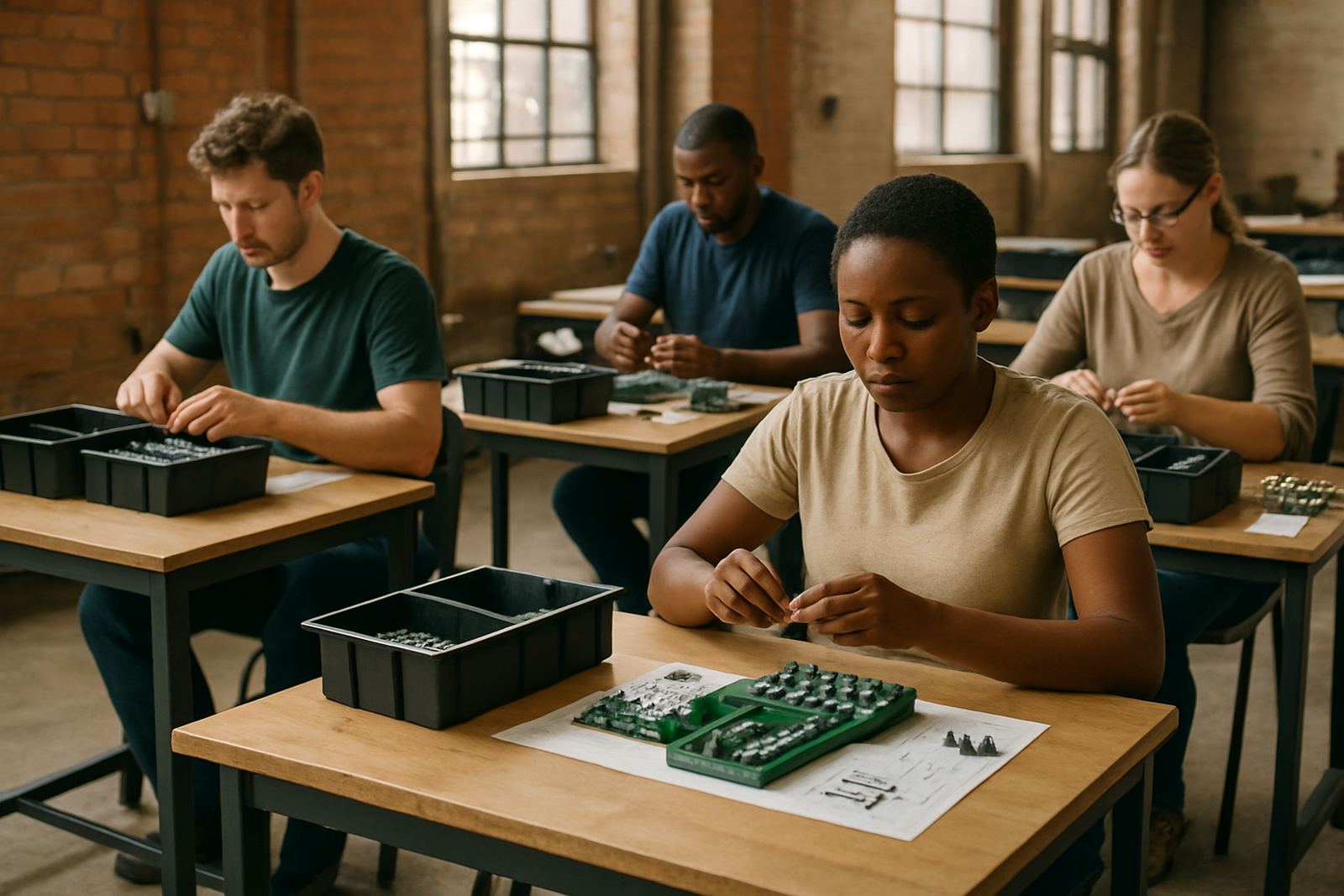
Schools, youth programmes and community centres often need a path that is simple to run and easy to maintain. A school lab refresh can include bench spacing, safety signs, consumable lists and a basic maintenance schedule so the room stays usable through the term. Where the room is shared, member onboarding and clear rules make a big difference.
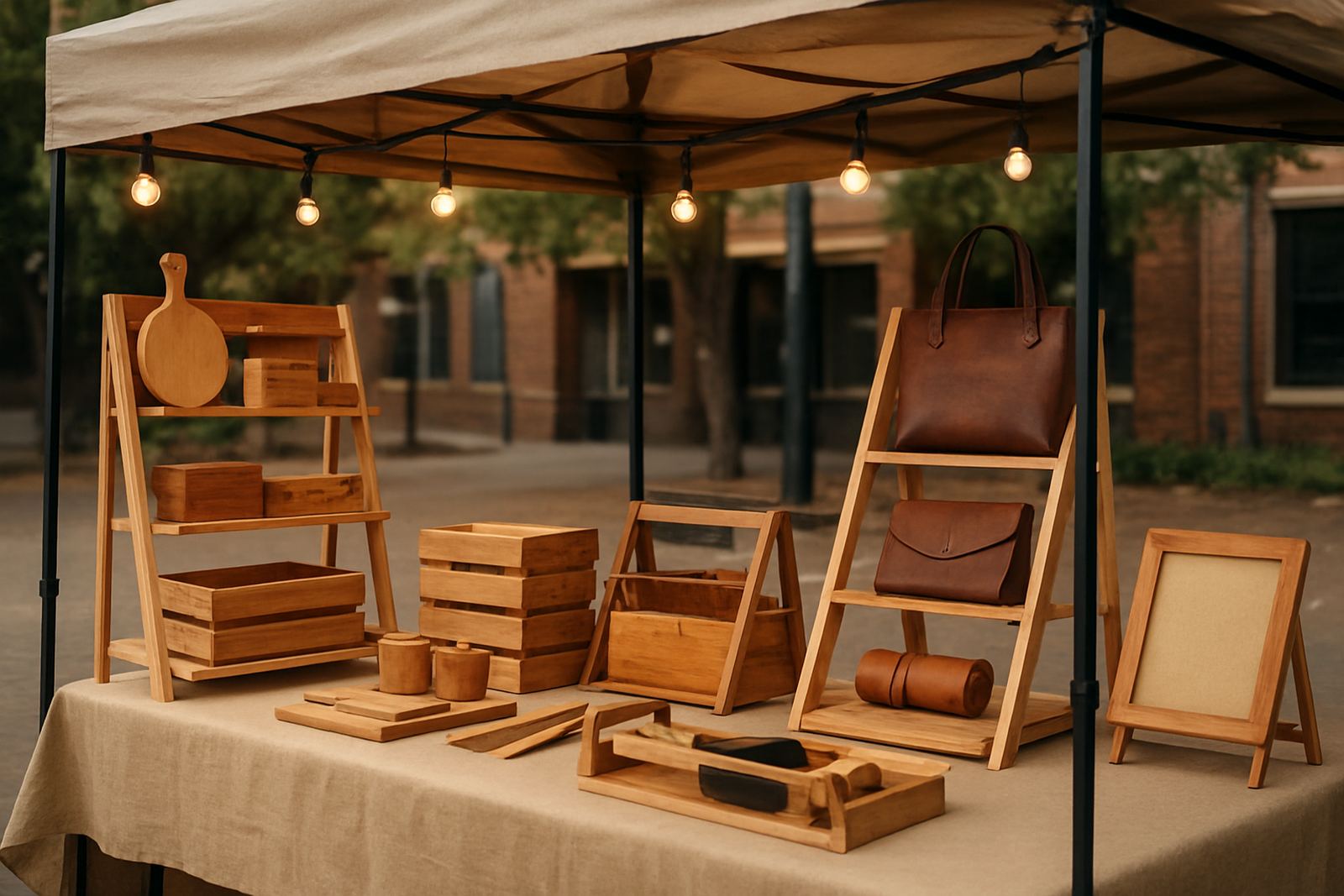
If you are running events, training days or open build sessions, event maker stations can be set up for quick use and quick pack-down. That helps teams work within municipal rules and venue schedules, especially when the room has to return to normal use after hours. It also keeps the workflow tidy, which matters when several age groups or skill levels are sharing the same space.
Choosing The Right Next Step
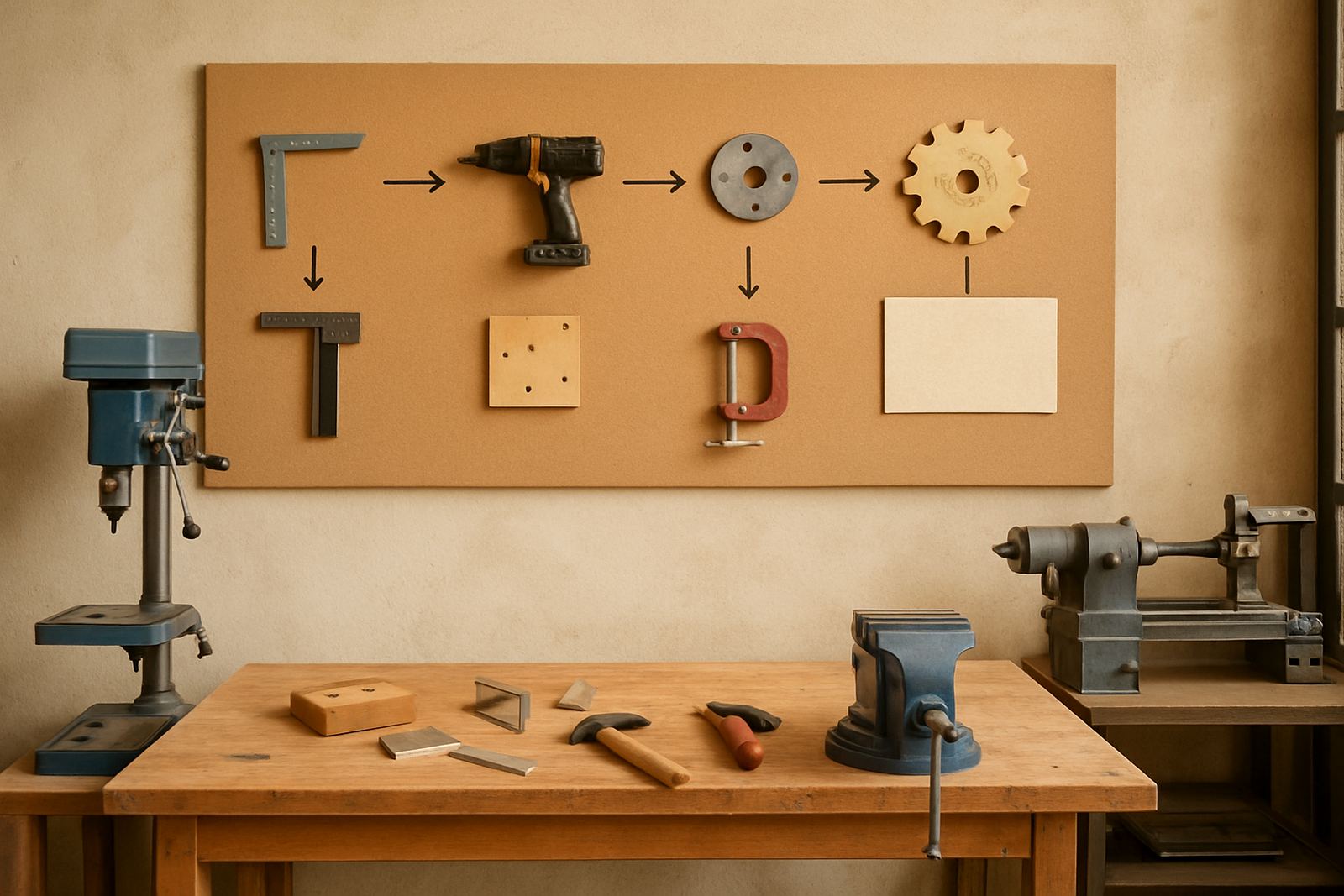
If you are not sure where to begin, start with the gap that is slowing you down most. Is it skills, tools, storage, safety, or access to a suitable venue? Once that is clear, the right pathway becomes easier to see and you can move in order instead of buying or planning everything at once.
Many teams do best when they begin with a maker audit, then move into the parts they actually need. That may mean facilitator support for a new group, a maintenance check for an existing room or a starter kit for a pilot project. The aim is simple: get people making sooner, with less waste and fewer stops along the way.
- Choose training first if confidence is the main gap
- Choose a kit first if the group needs tools quickly
- Choose space planning first if the room is unsafe or cramped
- Choose an audit first if you are not sure what is missing