






Choose the course that matches your current setup
Some people arrive with a clear project in mind, others just need proper guidance before buying tools or setting up a work area. Our maker courses cover a wide range of skill levels, from first-time learners to teams planning a shared workspace in Braamfontein, Sandton or further afield. If you want to fix, build, test or teach, there is a course path that fits.
Start by asking what you need most right now: confidence with tools, a safer setup, better planning for materials, or a faster way to move from idea to finished piece. If you are starting with limited space at home, a course that focuses on hand tools, storage and basic workshop routine may be enough. For schools, community groups and small teams, a fuller programme with facilitator support and member onboarding can save time and reduce mistakes.
Tool training that helps you work properly
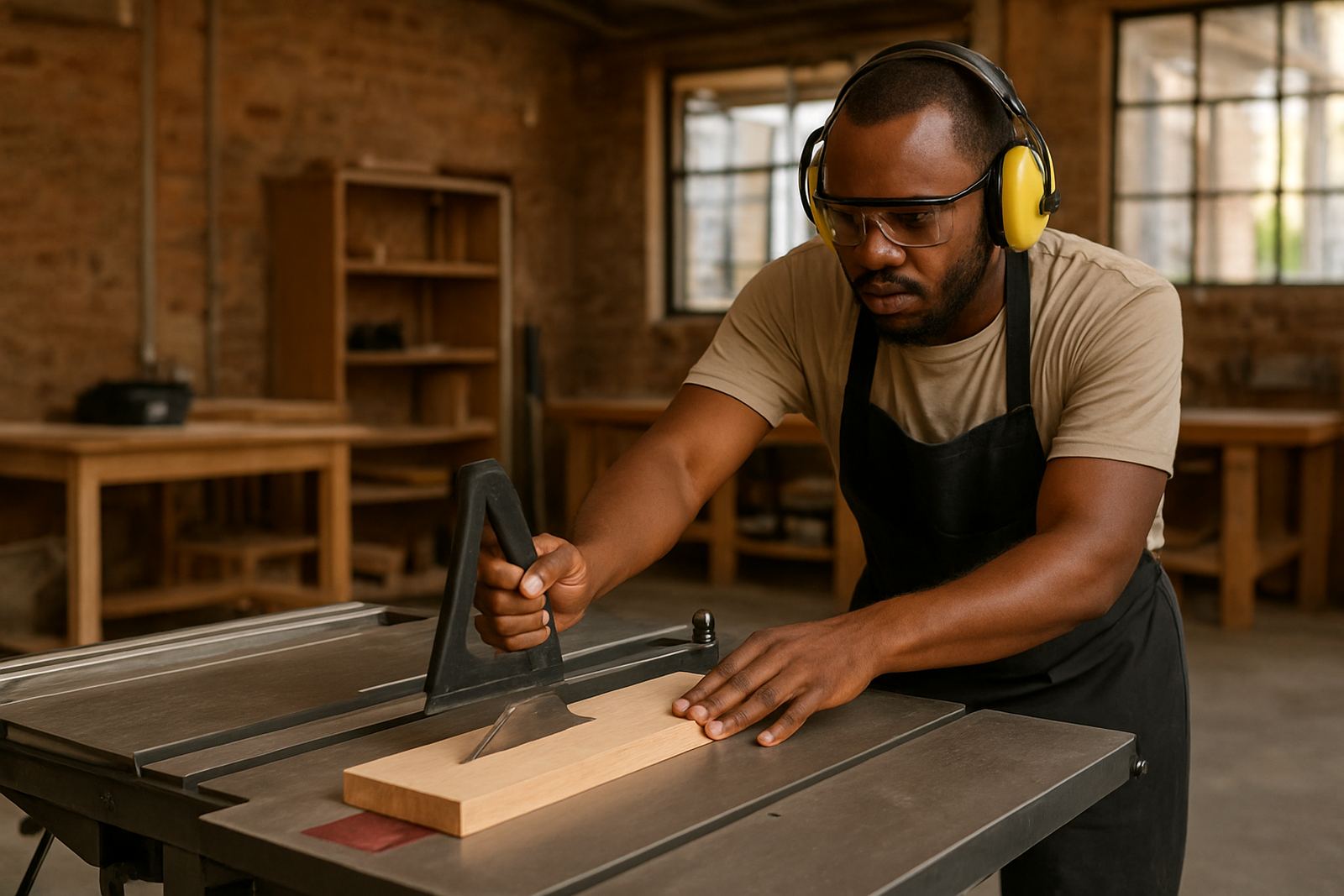
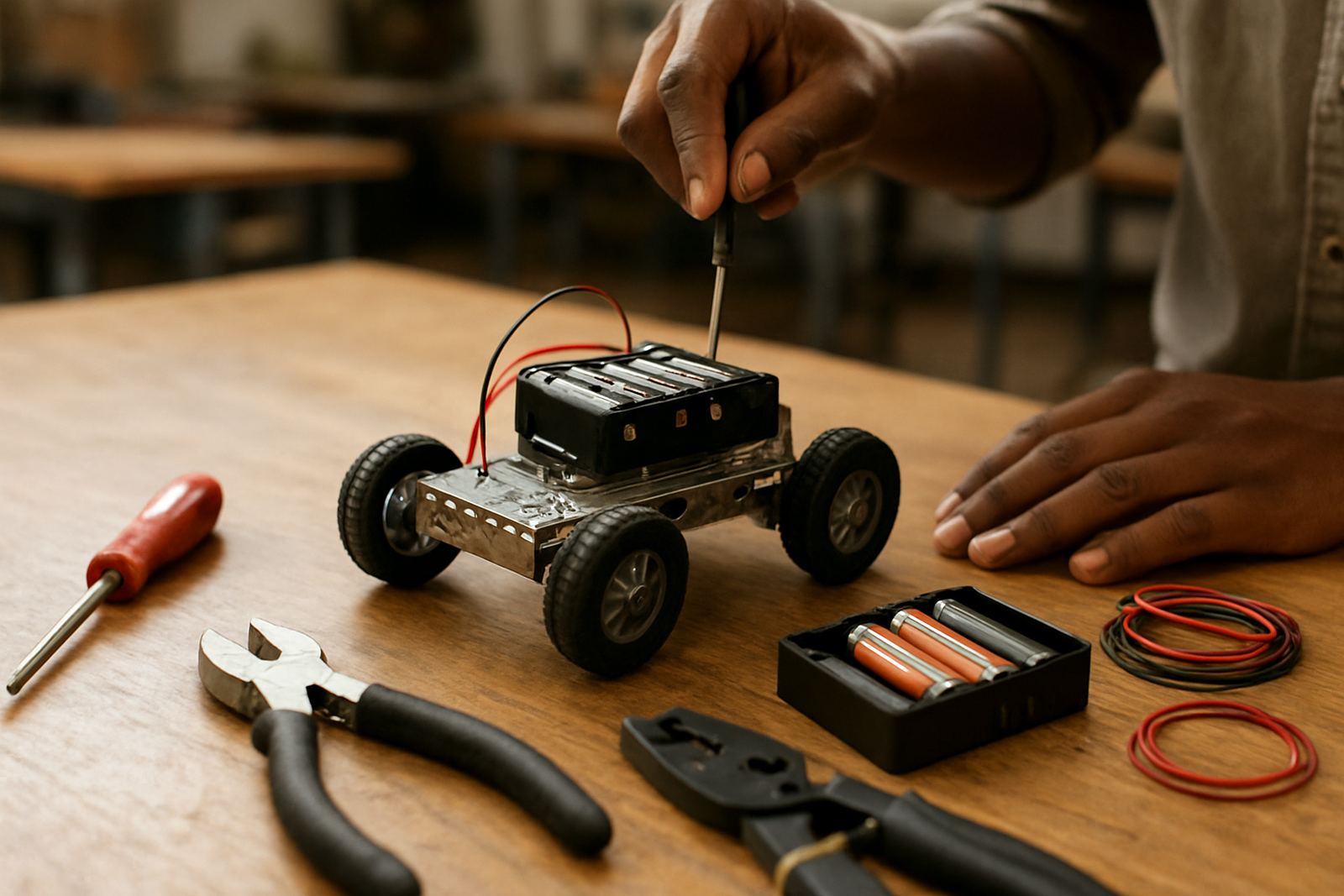
Good tool use is not only about speed. It is about accurate cuts, safer handling, and knowing how to keep tools working when power dips or load-shedding interrupts the day. Our tool training covers practical use, setup, cleaning and maintenance for common workshop equipment, with a focus on conditions South African makers deal with every week.
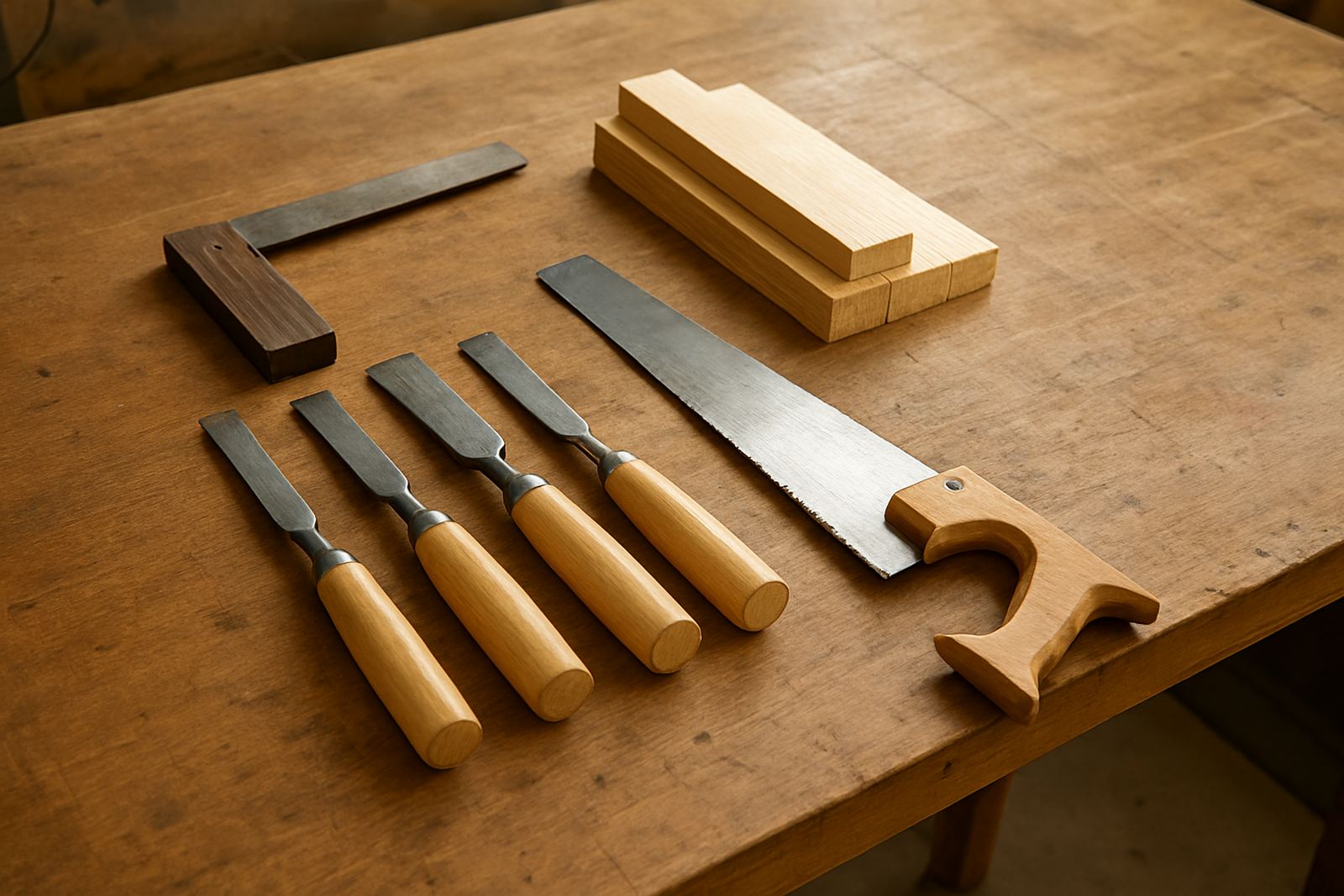
- Hand tool basics for measuring, marking and assembly
- Power tool safety, inspection and daily checks
- Cutting, drilling and fixing for common materials
- Maintenance routines for dust, humidity and storage
We also talk through what to do when tools are shared by a group, how to keep a clean bench, and how to store consumables so nothing goes missing. A small habit here or there can save a lot of Rand later.
Starter programmes for first projects
Starter programmes are ideal if you want a guided entry into making without overbuying gear too soon. These sessions help learners choose the right starter kit, understand the order of operations, and avoid the common problem of buying the wrong tool for the job. That matters when space is tight or when your first project needs to be finished on time.
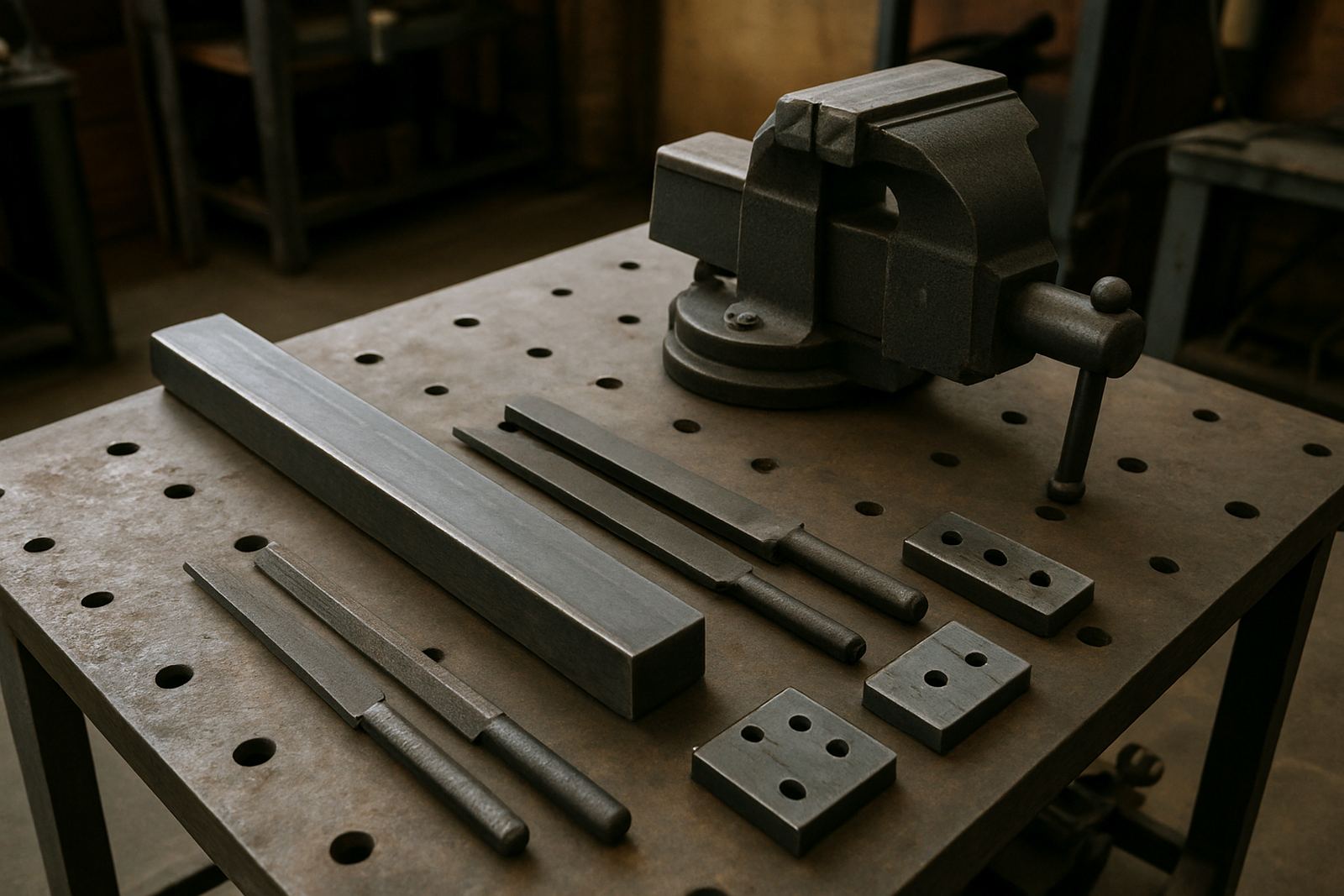
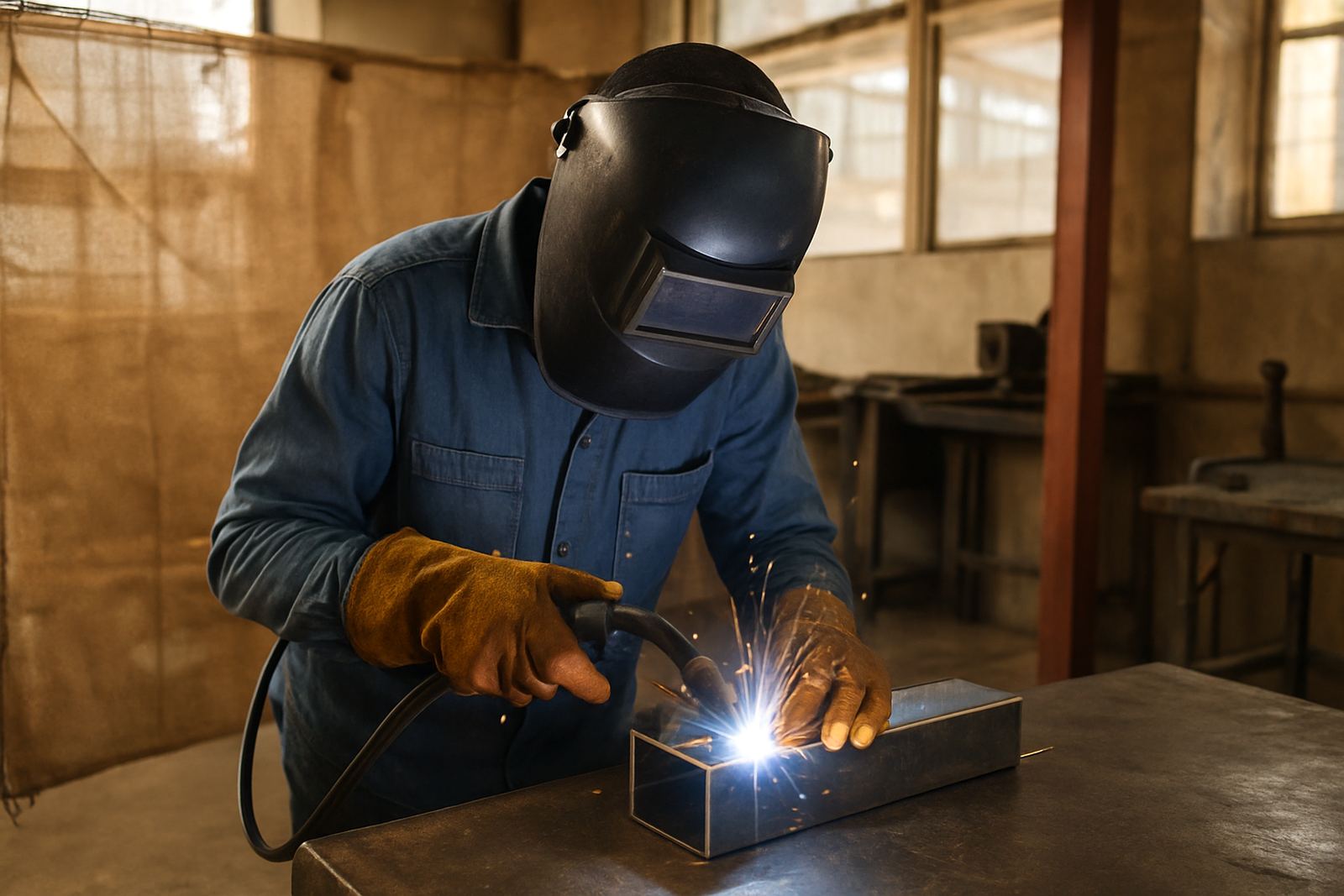
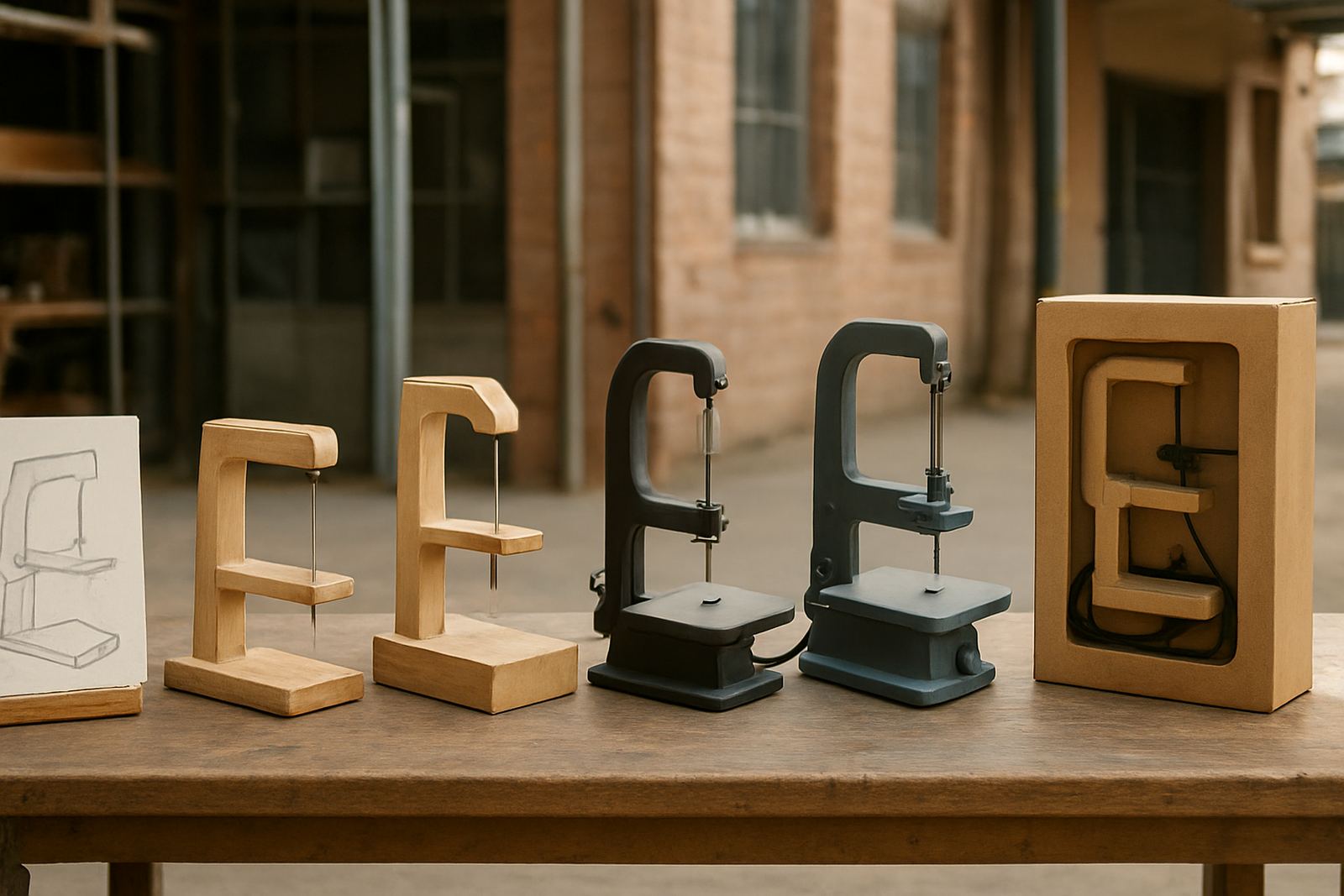
Typical starter topics include simple joinery, basic fabrication, safe work habits and project planning. You may be building a shelf, a display unit, a small batch product or a classroom prototype. The point is to leave with usable skills and a clear next step, not a pile of confusing notes.
- Project planning from sketch to finished item
- Choosing starter kits for home or shared use
- Basic storage and consumables planning
- Setting up a sensible workflow in small spaces
Training for teams, schools and makerspaces
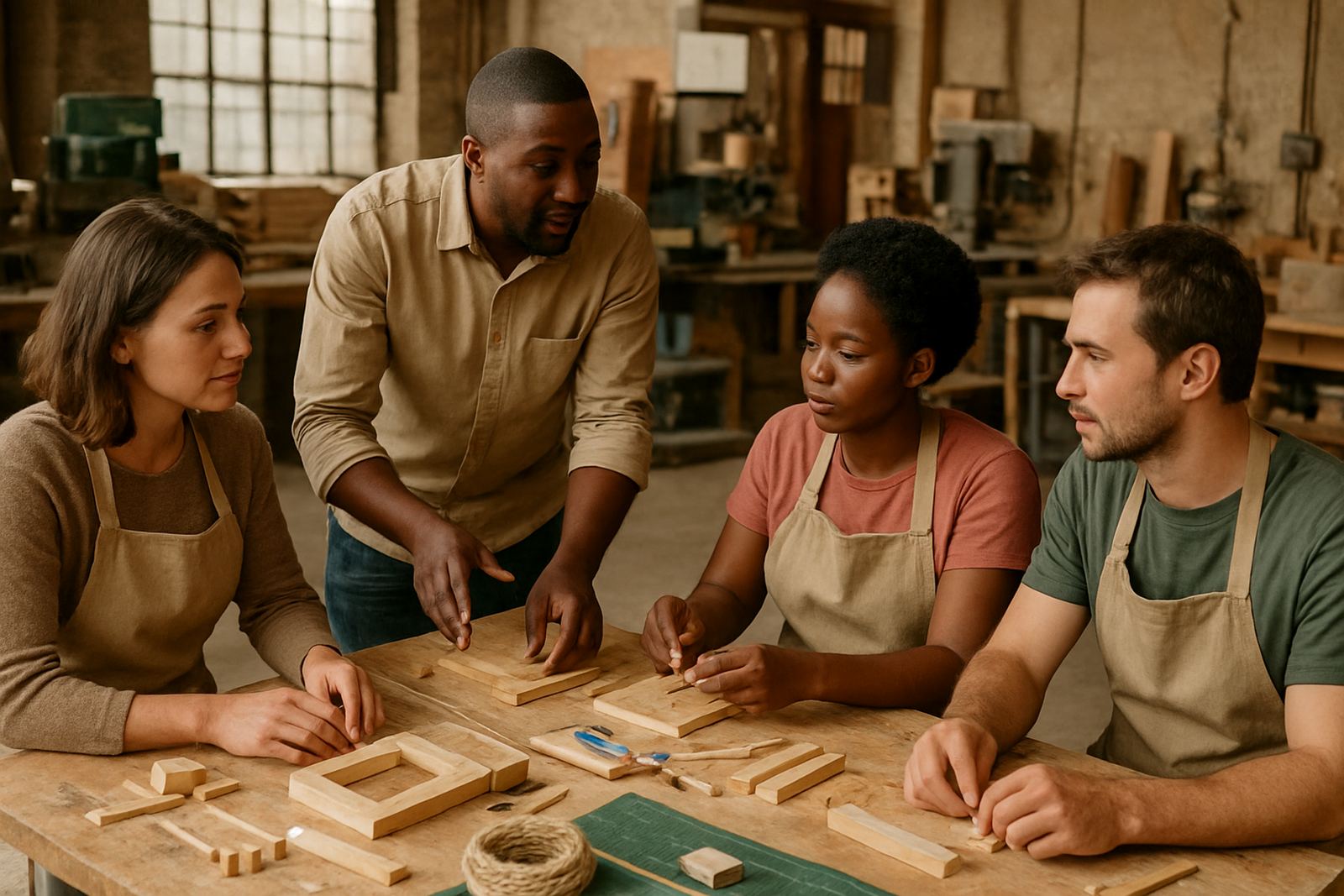
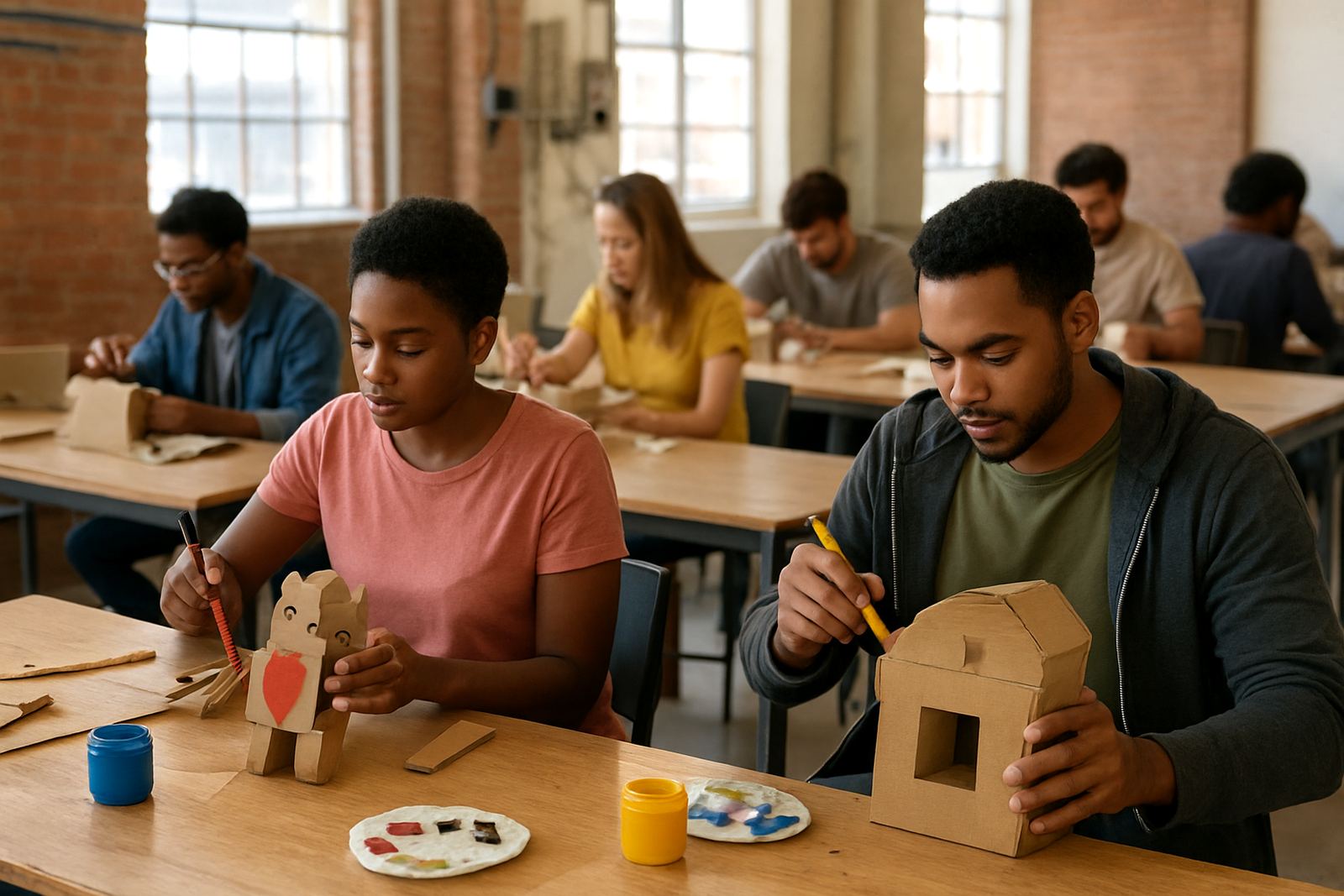
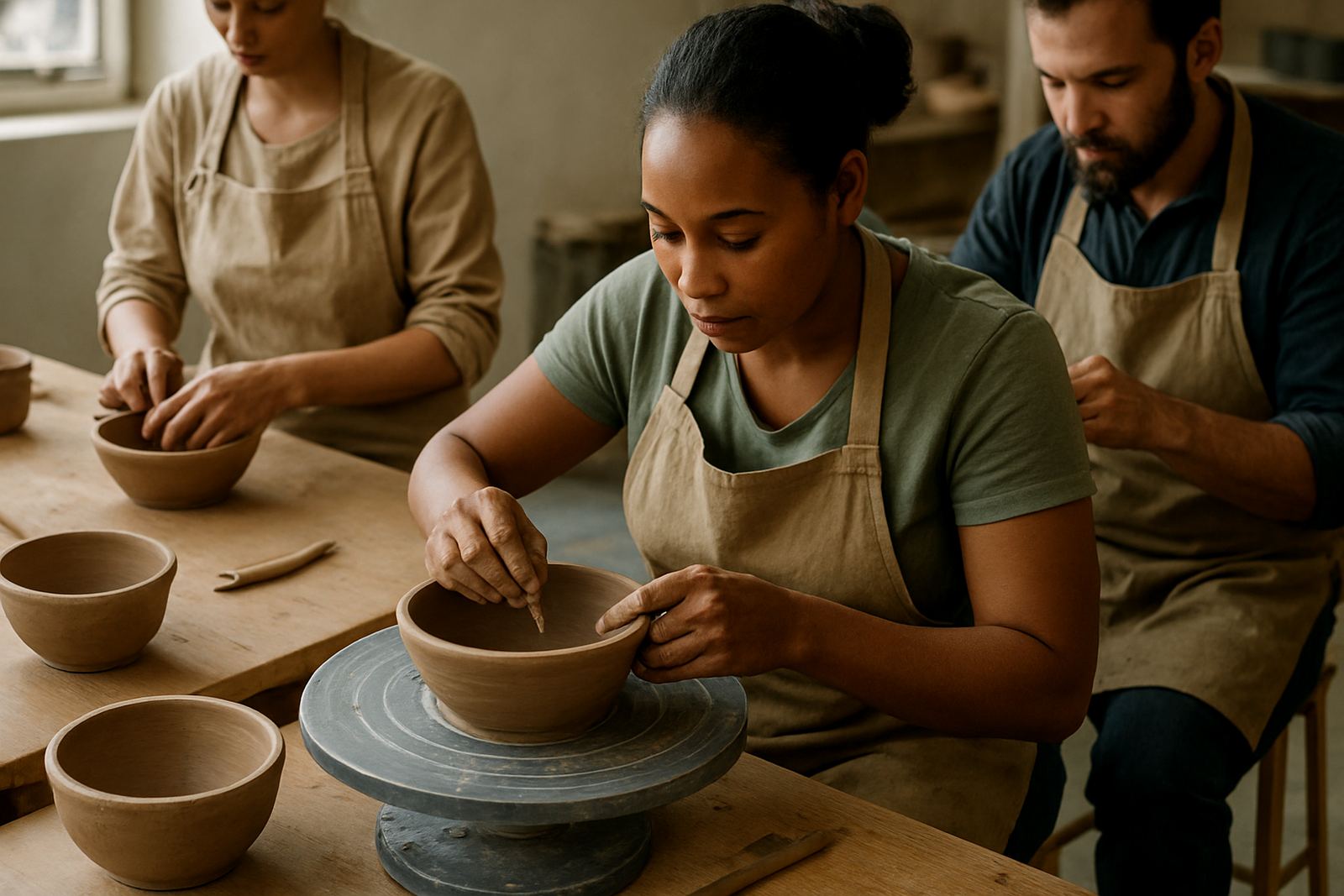
Many of our courses are arranged for groups that need consistency across people and sites. That includes school labs, community makerspaces and small production teams in Johannesburg, Pretoria East, Soweto, Durban, Cape Town and Gqeberha. We can align training with your room layout, safety signage setup and storage system so the learning matches the actual space.
For schools and shared venues, the best results usually come from combining skills training with onboarding, maintenance checks and a simple maker audit. This helps you spot gaps in tools, consumables and safety routines before they become a problem. If your group runs events or regular workshops, facilitator support can keep things orderly without slowing the session down.
How to pick the right course level
There is no one-size-fits-all answer because different makers need different entry points. A beginner may need basic tool handling and safety. A hobbyist may need a stronger focus on accuracy and finishing. A team lead may need process planning, room layout and inventory control. The right choice depends on what you are making now and what you want to make next.
- If you are unsure, start with a practical intro course
- If you already have tools, choose skills that improve output
- If space is the issue, pair training with layout and storage advice
- If many people will share the room, include safety and onboarding
We help you match the course to your space, your tools and your budget. That way the training feels useful on day one, not a month later. Small typo or not, the aim is simple: better results with less waste.
From learning into real making
The best course outcome is action. After training, many learners move straight into a project, a small production run or a better-organised workshop routine. That is why our courses connect with starter kits, maintenance checks and support for ongoing use. You are not just learning theory, you are learning how to keep going.
Whether you are based in Braamfontein or working through a partner makerspace elsewhere in the country, the goal stays the same: practical skills that hold up in real conditions. If your next step is a home build, a school refresh or a team workspace, the course should help you do it with more confidence and fewer setbacks.