What the Leathercraft Beginners pack covers
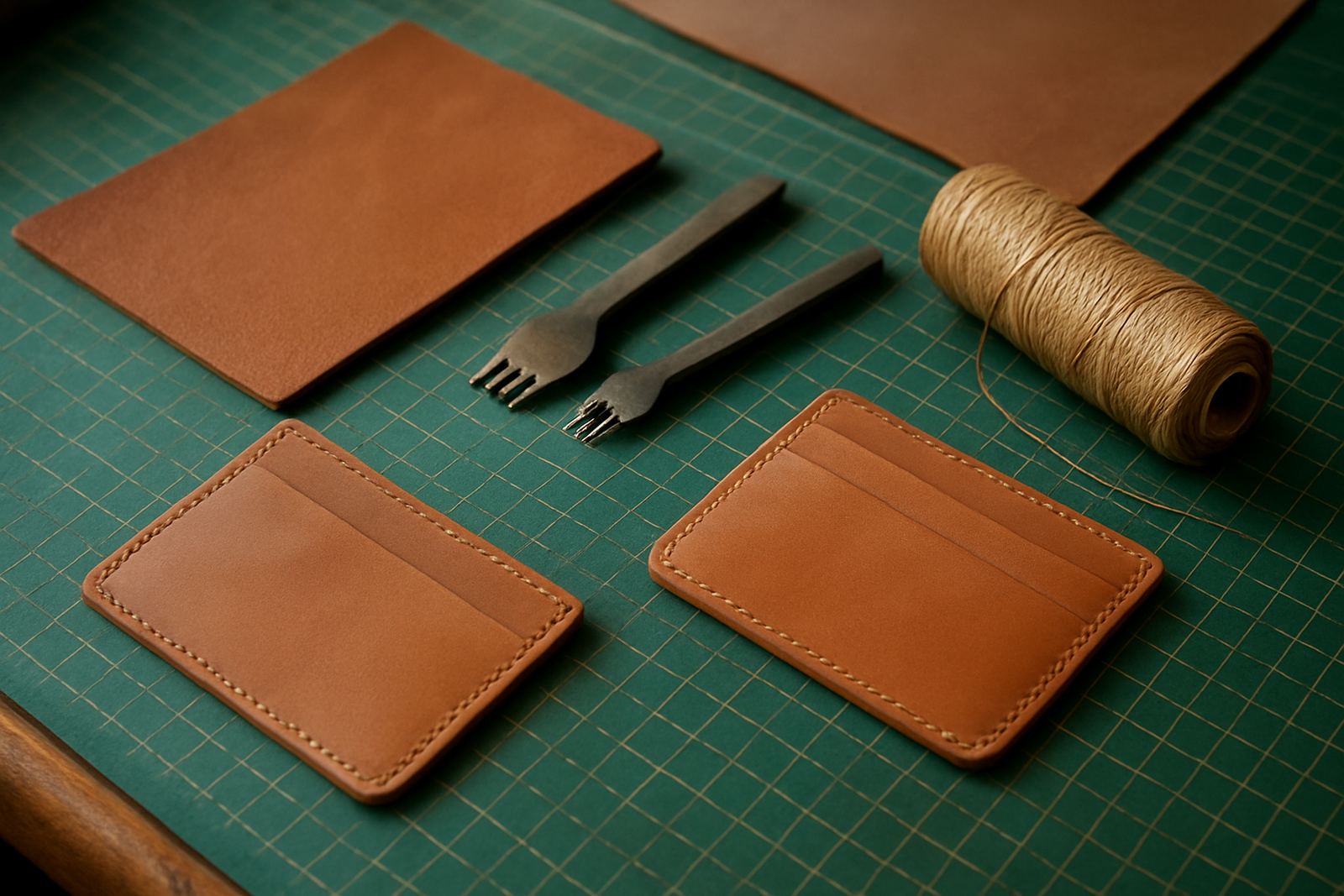
The Leathercraft Beginners pack is set up for first projects in vegetable-tan leather and similar light to medium leather stock. It focuses on the jobs that matter first: marking out, cutting cleanly, punching stitch lines, hand stitching, edge finishing and simple hardware fitting. You get a sensible starting point for practical items rather than a box full of bits you will not use.
It works well for one learner, a small class or a maker space trial group in Johannesburg, Pretoria, Durban or Cape Town. The layout is simple enough for a shared bench, yet complete enough to show proper technique from the first cut to the final finish.
- Suitable for belts, key holders, card sleeves, pouches and small utility covers
- Designed for hand tools, so no fixed machine setup is needed
- Good for training sessions of 6 to 12 people with shared benches
Sizes, options and learner counts
We supply the pack in single-learner and small-group formats. The single set is best for a beginner working at home or in a school lab. The group format is better for training venues, makerspaces and youth programmes where each person needs their own consumables and shared access to larger tools.
Leather sizes are usually based on flat cuts that fit on a standard work surface, with enough room for pattern transfer and trimming. For most beginner projects, pieces are kept between 150 x 150 mm and 300 x 450 mm, depending on the item. That keeps waste down and makes the learning curve easier to manage.
- Single learner kit for one person and one project set
- Workshop pack for 5 to 10 learners with shared tools
- Trainer add-on for extra thread, spare needles and extra leather offcuts
Where it suits in South African spaces
This product suits Braamfontein studios, school technology rooms, community makerspaces and small business start-up spaces where hands-on craft training is part of the programme. It also fits venues that run after-school clubs, holiday workshops or entrepreneurship sessions. In coastal areas like Durban and Gqeberha, the kit should be stored dry and aired after use because humidity can affect thread, leather and glue performance.
It is a practical choice where power is limited or load shedding interrupts the day, since most of the work is manual. If a venue has strict safety rules, the pack can be issued with controlled knife use, a cutting mat and clear sign-off for supervised sessions.
- Training rooms with no permanent machine power
- School and youth workshop programmes
- Retail demo benches and maker market prep areas
Setup, bench space and power needs
No gas supply is required and no fixed electrical installation is needed for the core kit. A steady bench, a self-healing cutting mat, good daylight or task lighting, and secure storage for sharp tools are the main requirements. If you are running sessions in a shared venue, allow at least 1.2 metres of bench width per learner so people are not working on top of each other.
For a clean setup, keep the cutting area separate from the stitching area. That reduces mix-ups and helps with safety. If you plan to add a heated edge tool or powered burnishing equipment later, check the venue load capacity and plug point positions first, especially in older buildings around inner-city Johannesburg and Soweto.
- Minimum bench space: 1.2 metres per learner
- Power needed: none for standard starter use
- Recommended storage: dry cupboard or lockable shelf
Care, cleaning and servicing between sessions
Leatherwork kits last longer when tools are wiped down after each class and stored dry. Needles should be checked for bends, knives kept covered and cutting mats rotated so one corner does not wear too quickly. In humid areas, avoid sealing damp leather into closed boxes because it can pick up a stale smell or show surface marks.
For regular training use, book maintenance checks on blades, hole punches and edge tools every few months. If the kit is used by multiple learners, count all consumables at the end of each session so you can spot losses early. A simple sign-out sheet helps a lot in busy spaces.
- Wipe metal tools after use and store with covers where possible
- Keep leather flat and dry, away from direct sun
- Replace blunt blades before learners start forcing cuts
What to check before you order
Check the number of learners, the age group, and whether the sessions will be beginner only or mixed level. Also confirm what size of finished item you want to make, because the leather thickness and hardware count will change with the project. If the venue is a school or public space, confirm the safety rules for sharps and the storage method before you place the order.
It also helps to know whether you need a training handout, facilitator support, or extra consumables for repeat classes. For procurement in Johannesburg, Sandton, Midrand or Pretoria East, it is wise to confirm lead time and receiving hours so the pack arrives when the venue is open. If your team runs across several sites, ask for a standardised list of contents to keep ordering simple.
- Learner count and session length
- Project type and leather thickness preference
- Need for extra consumables, signage or facilitator support
Key facts
| Product type | Beginner leathercraft starter pack and training support |
|---|---|
| Primary use | Cutting, stitching and finishing small leather goods |
| Recommended group size | 1 to 10 learners per pack format |
| Power or gas needed | None for standard use |
| Typical work size | 150 x 150 mm to 300 x 450 mm pieces |
| Venue fit | Home workshops, schools, makerspaces and training rooms |