
















Maker Stories
Home / Stories

Maker Stories

Read practical articles, ideas and community insights for South African makers. These stories cover training, workshop setup, product thinking and creative growth.

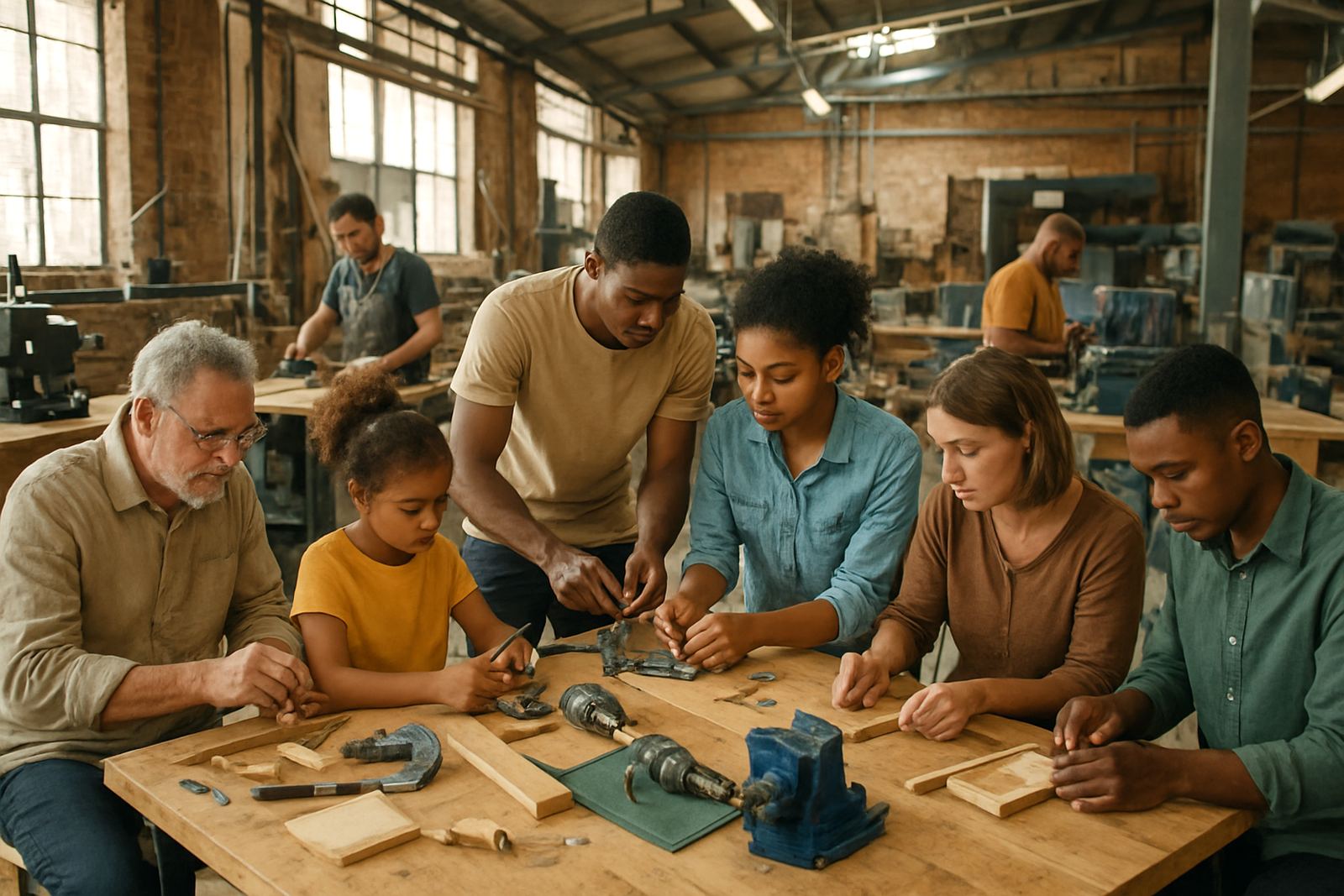
Why Makerspaces Matter

Why Makerspaces Matter

How shared spaces open up access, skills and community for local makers.

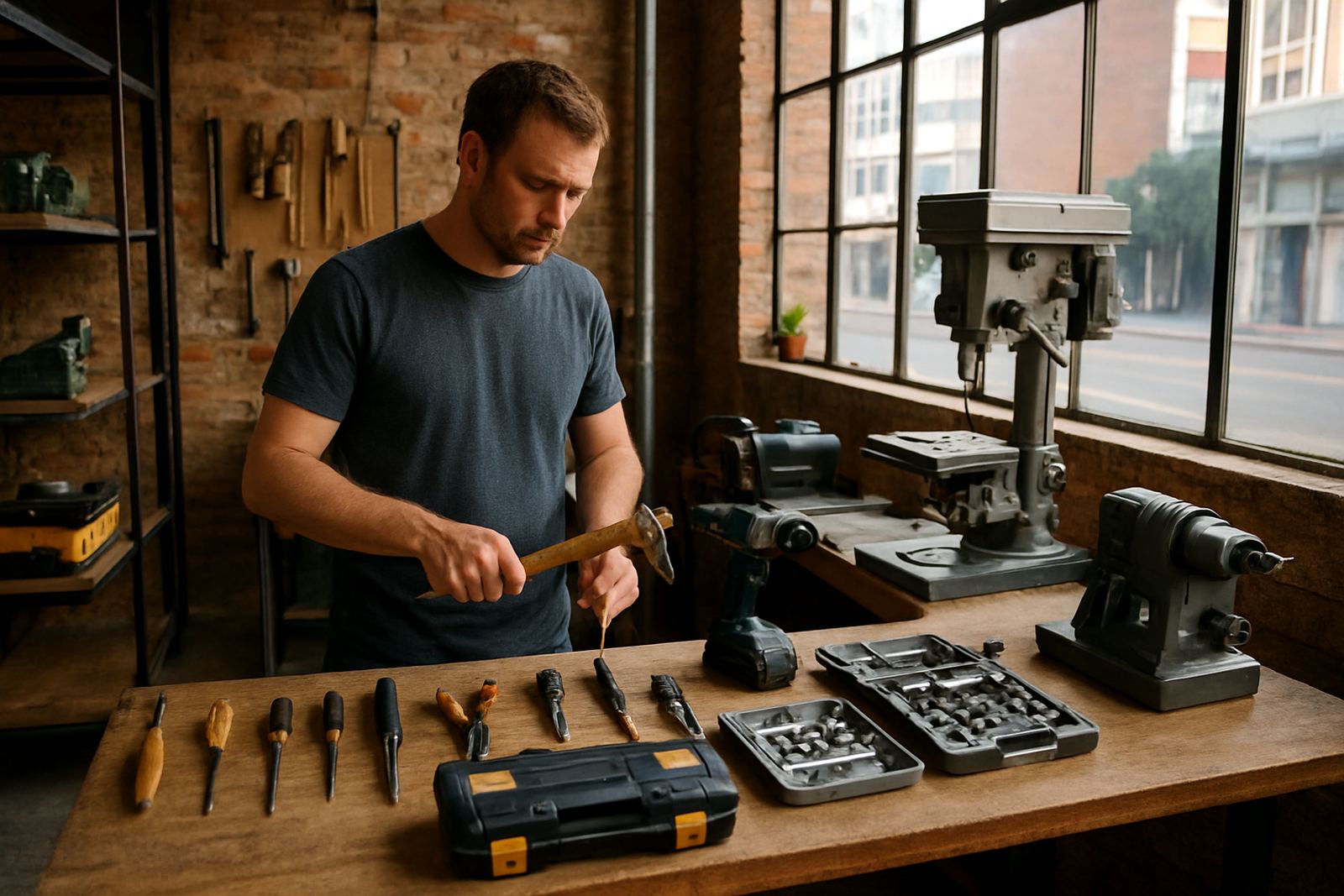
Starting With Simple Tools

Starting With Simple Tools

A realistic look at beginning your maker journey without overspending.

Choosing Your First Course

Choosing Your First Course

Questions to ask before selecting a practical making class.

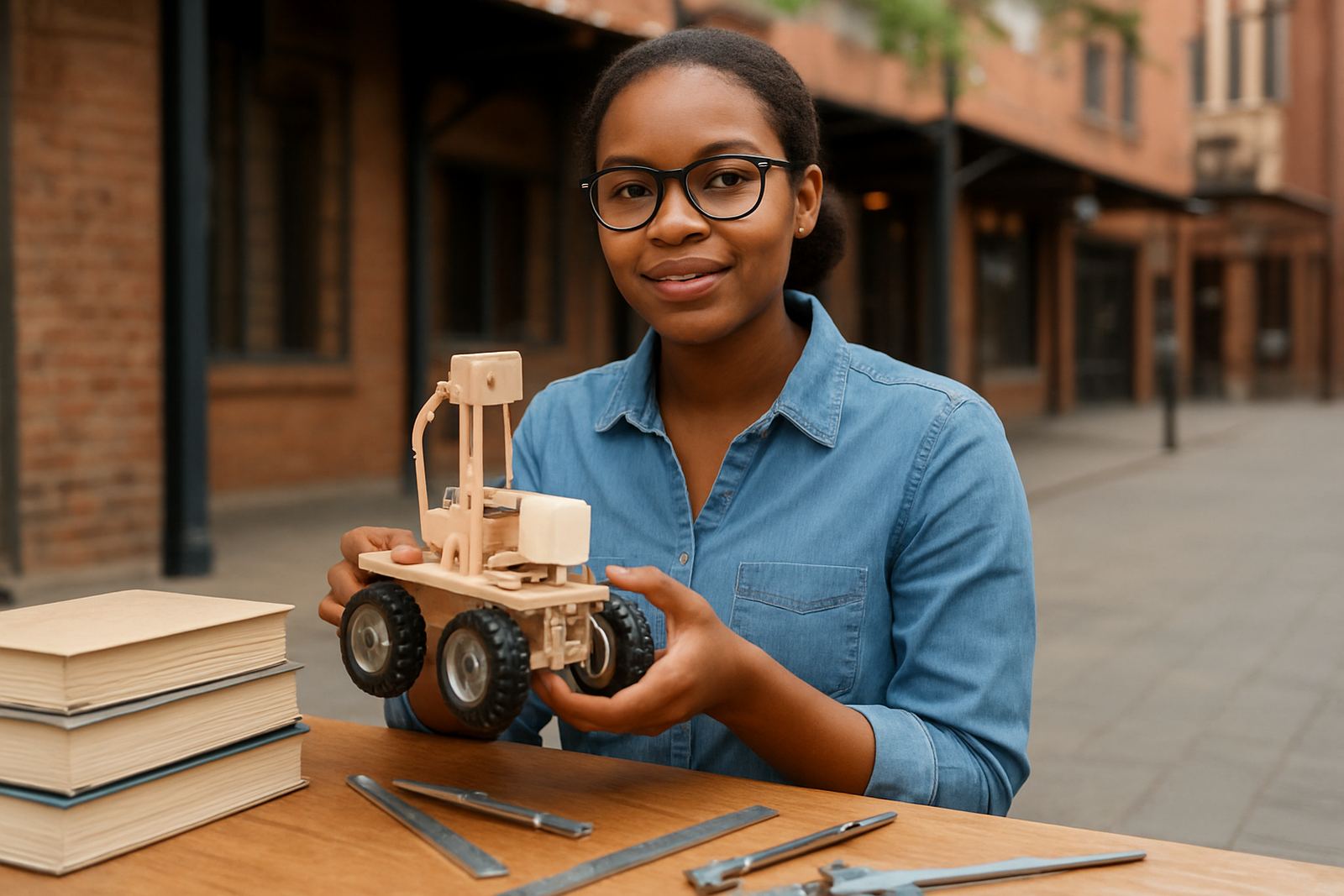
Maker Skills For Students

Maker Skills For Students

Useful hands-on abilities that support study, portfolios and confidence.

From Hobby To Income

From Hobby To Income

What changes when a personal craft becomes a small revenue stream.

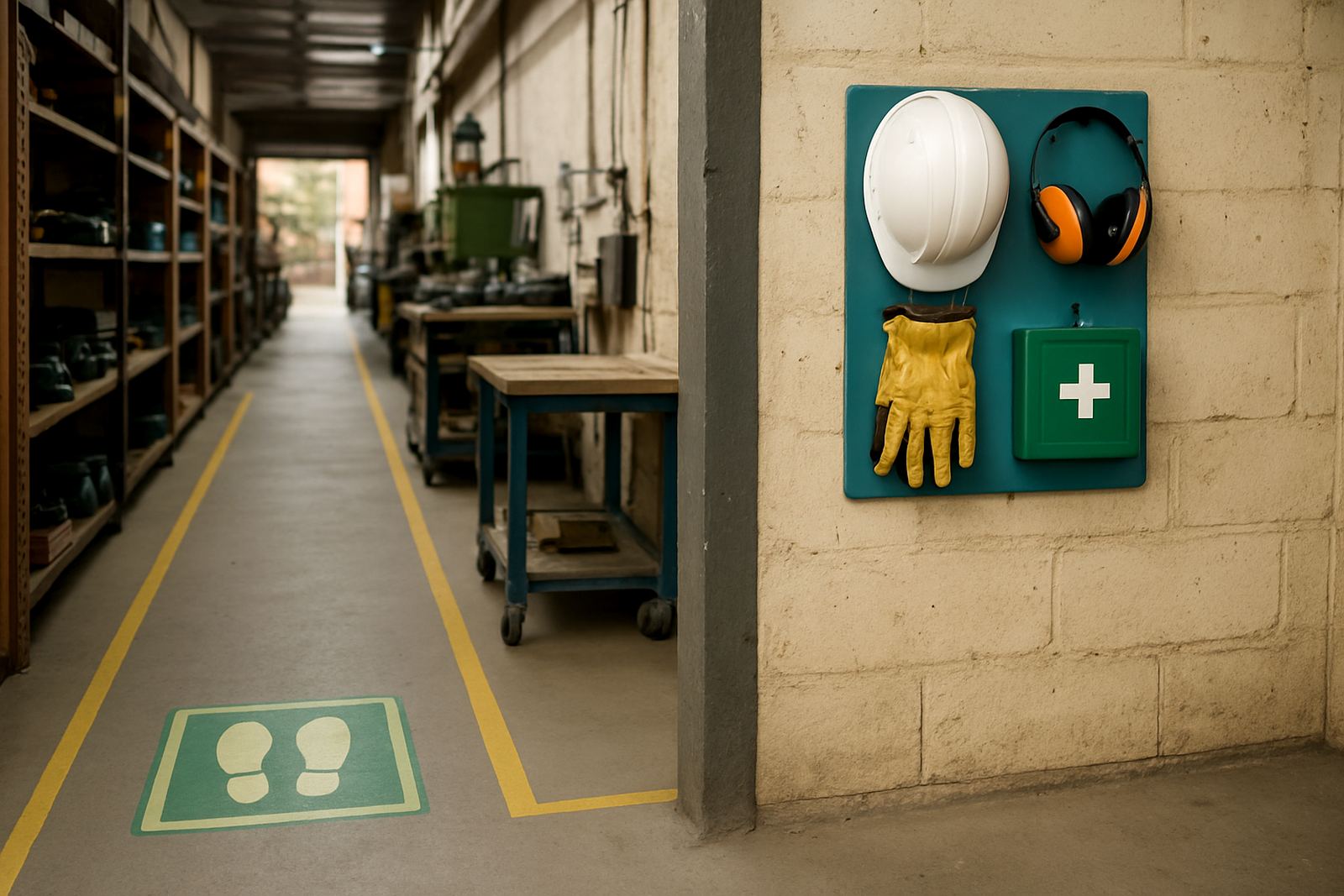
Safe Shared Workshops

Safe Shared Workshops

Simple habits that keep communal making environments safer and more productive.

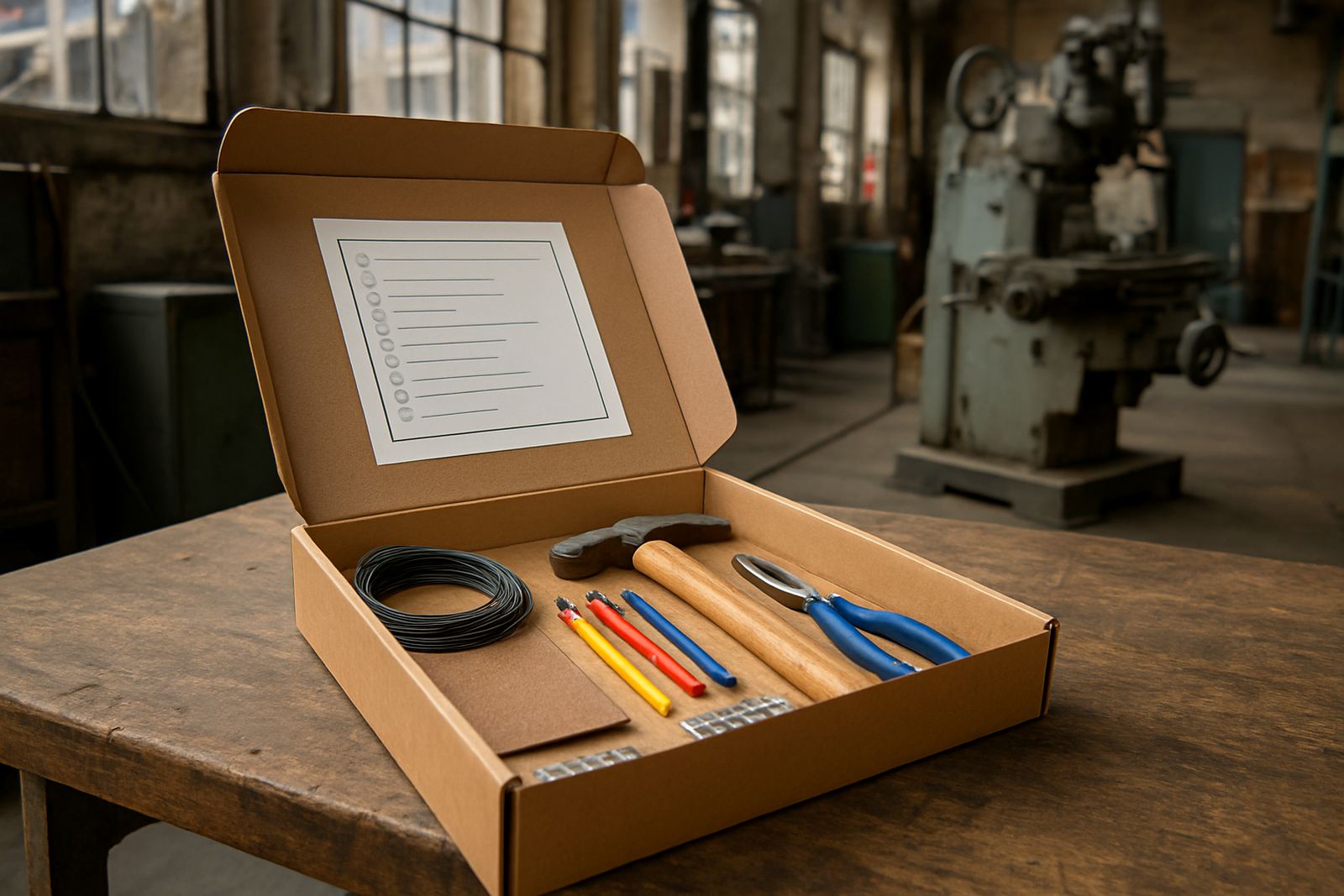
Planning A Starter Kit

Planning A Starter Kit

How to choose a kit that matches your goals and budget.

Good Prototype Signs

Good Prototype Signs

A practical guide to useful early builds that answer the right questions.

Digital Vs Handmade

Digital Vs Handmade

When to choose digital fabrication and when hand processes make more sense.

Small Batch Lessons

Small Batch Lessons

Common workflow mistakes makers face when producing repeat items.

Teaching Through Making

Teaching Through Making

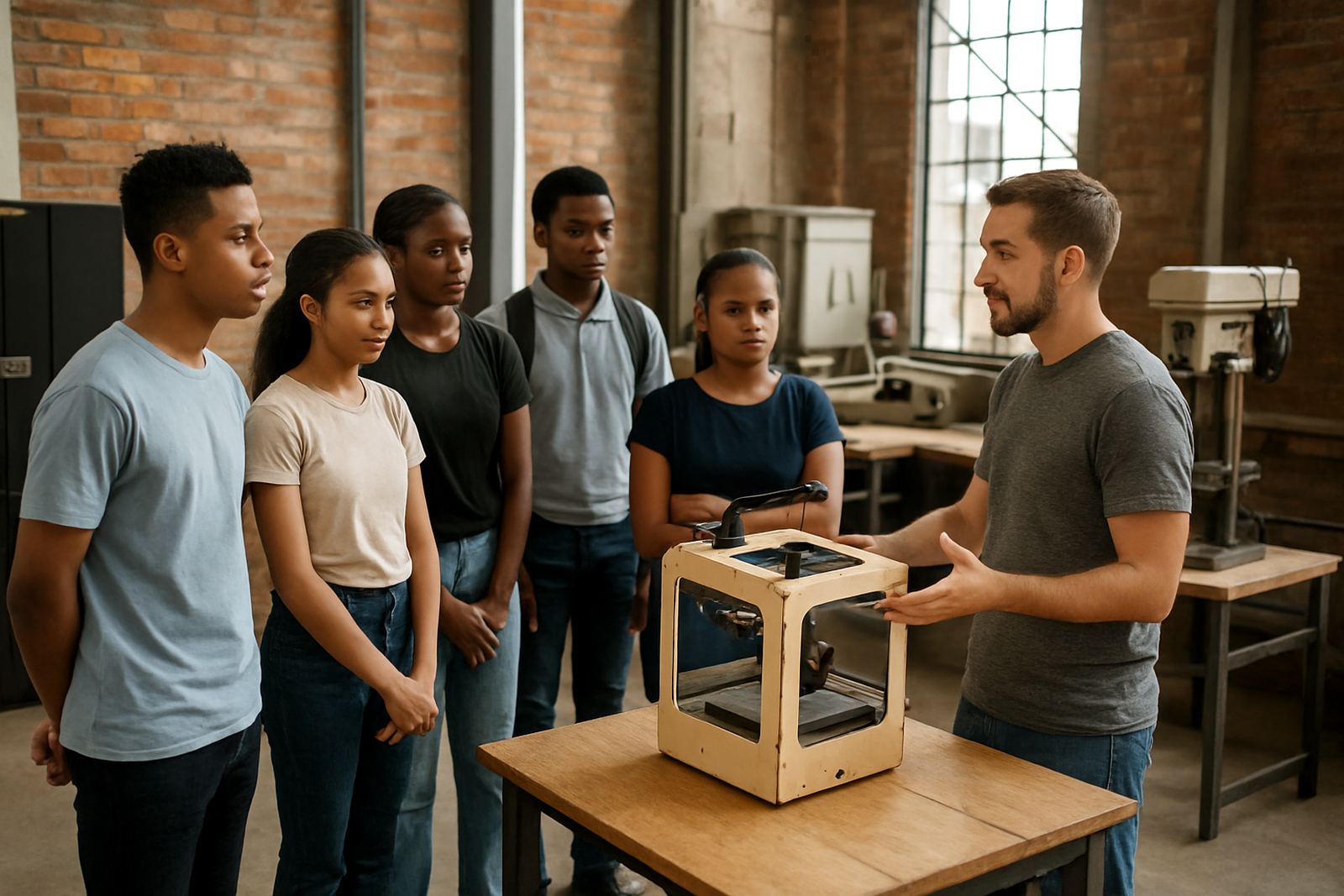
Why practical build activities work well in schools and youth programmes.

Women In Making

Women In Making

Celebrating the confidence, skill and leadership women bring to maker spaces.

Maker Events Worth Joining

Maker Events Worth Joining

How community events can build momentum and useful creative connections.

Price Handmade Work

Price Handmade Work

A simple way to think about costs, time and fair selling prices.

Home Corner Setup

Home Corner Setup

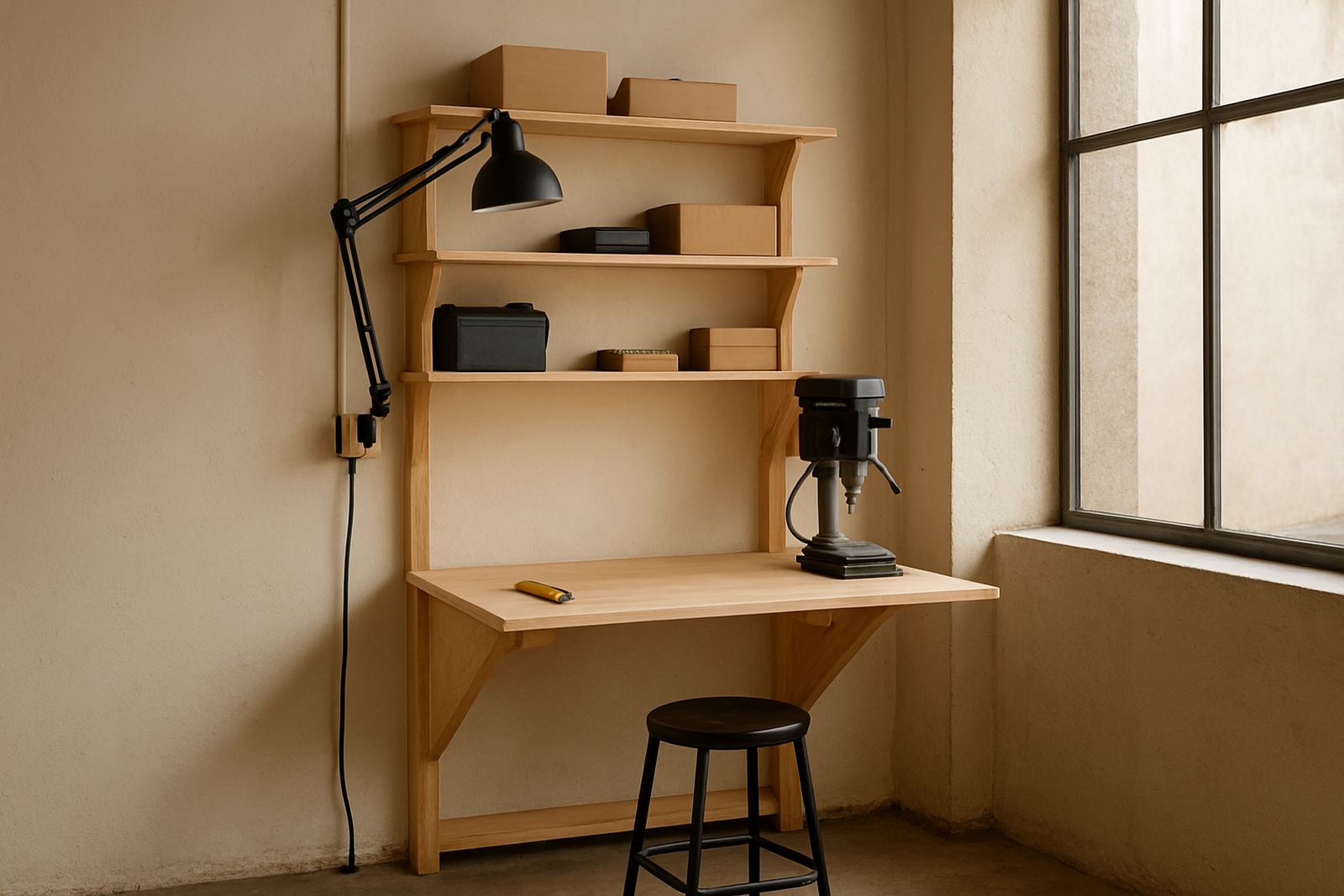
Turn a small spare area into a practical place to make.

Schools And Makerspaces

Schools And Makerspaces

Ways schools can partner with local spaces to expand learning access.

Why Jigs Save Time

Why Jigs Save Time

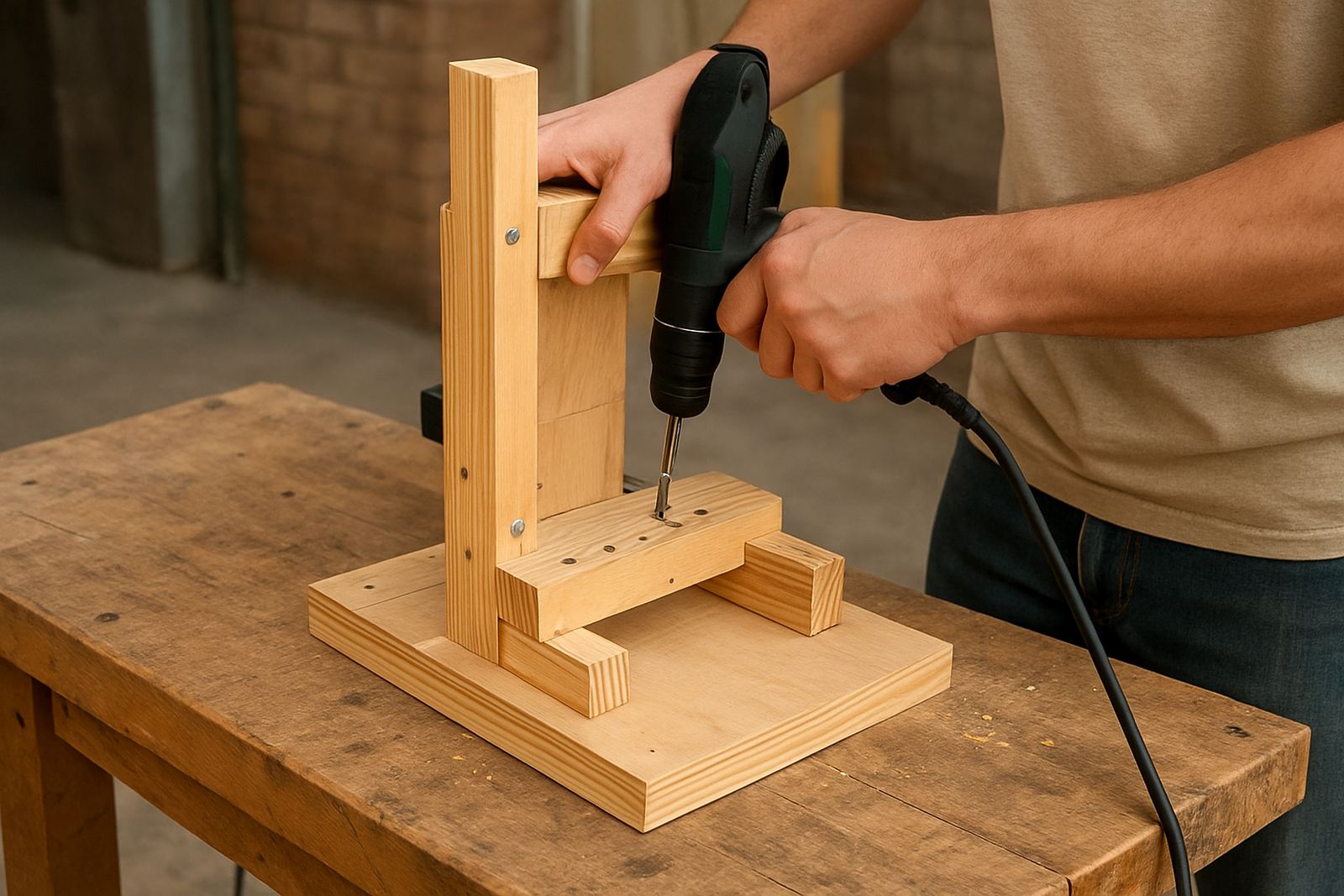
The role of simple repeatability aids in better production outcomes.

Beginner Welding Mindset

Beginner Welding Mindset

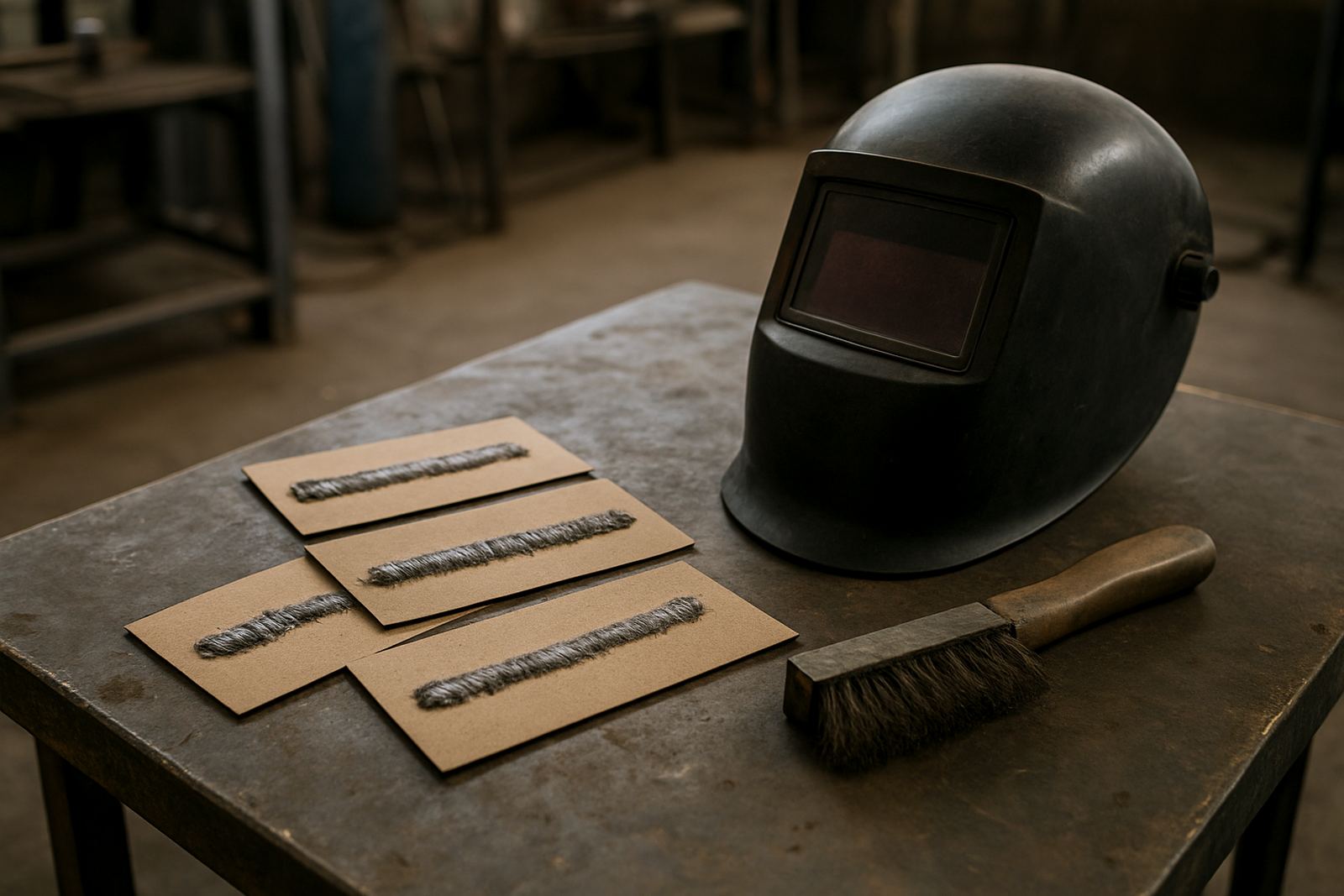
What new welders should focus on before chasing perfect finish.

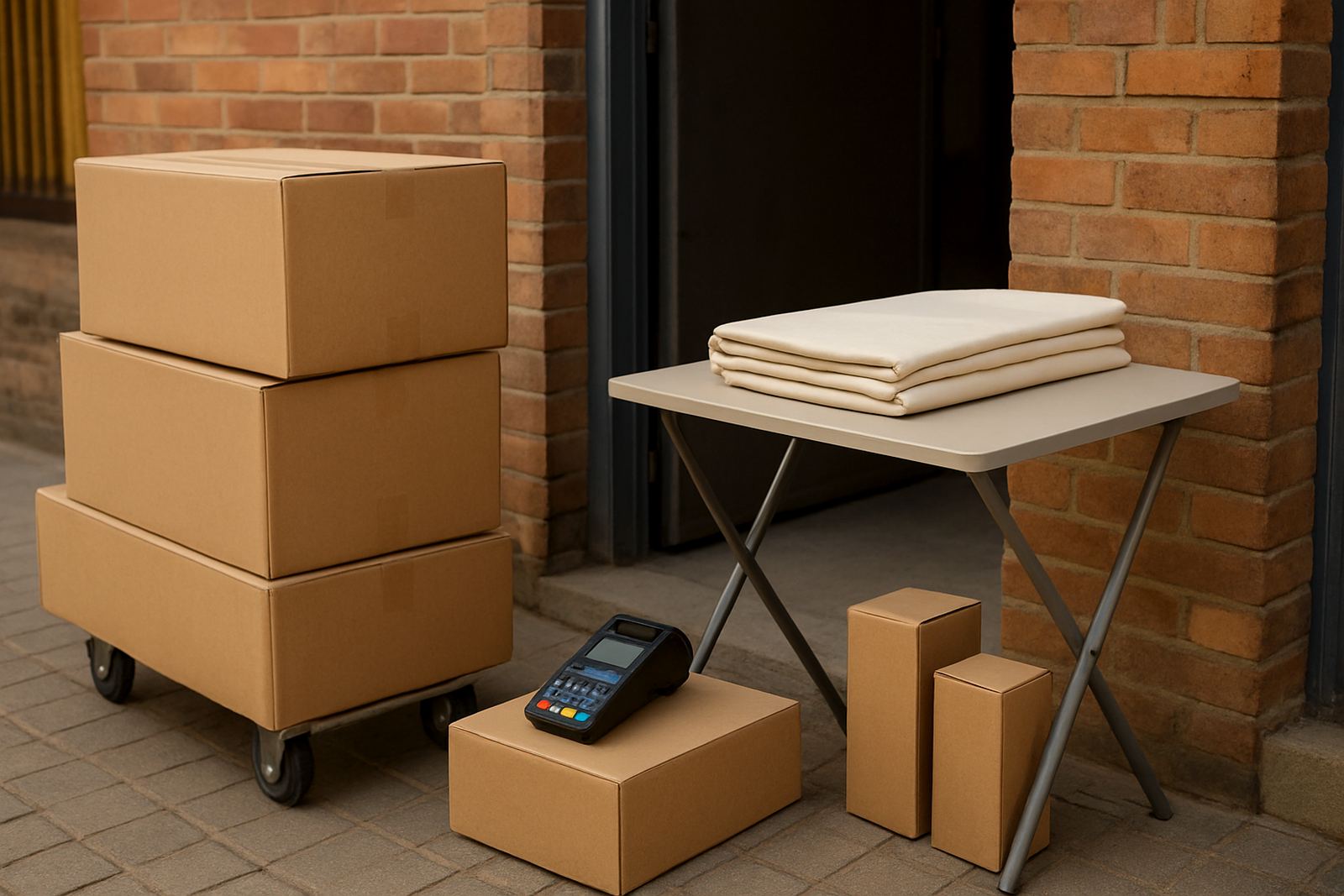
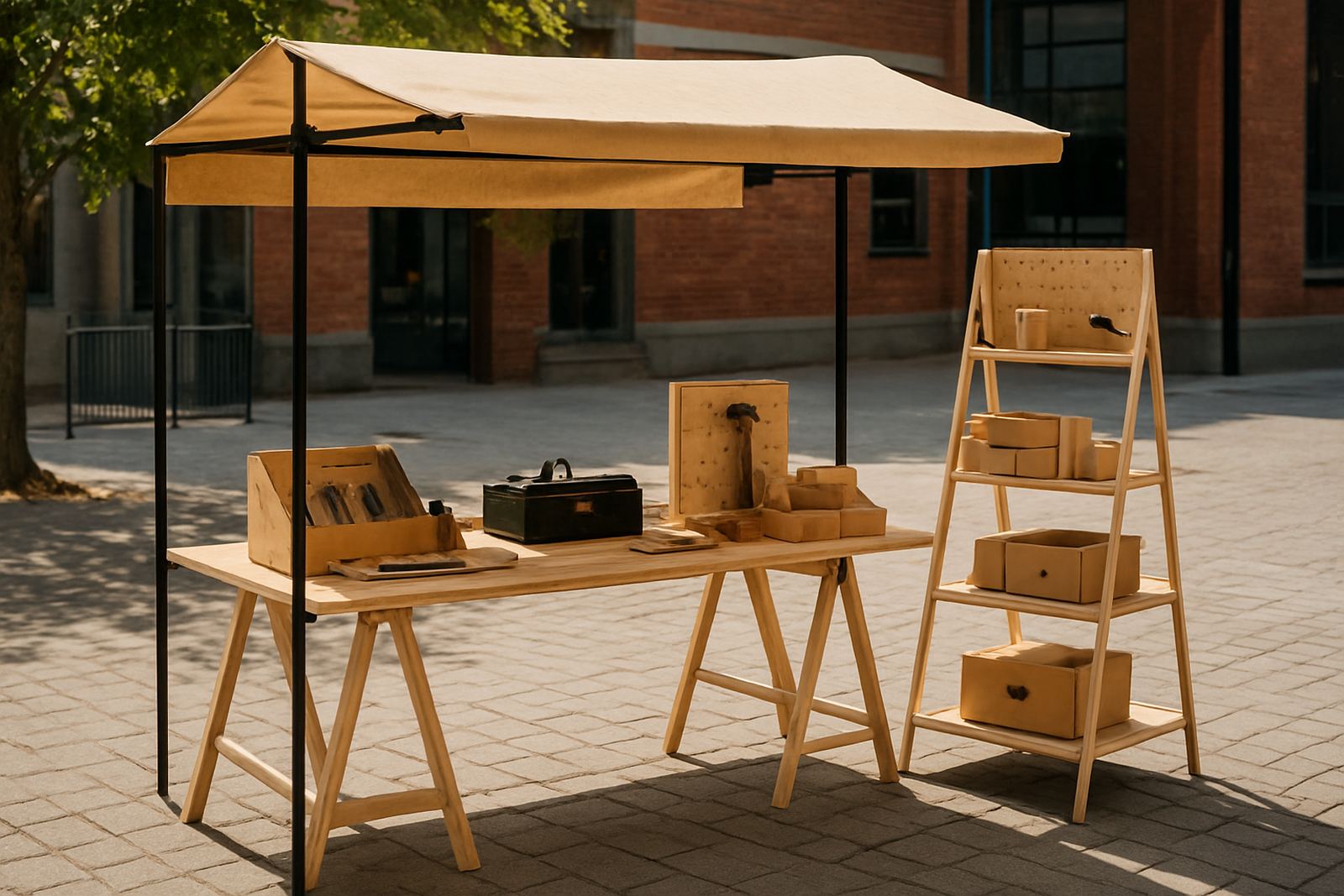
Craft Fair Prep

Craft Fair Prep

Final checks before taking products, display gear and stock to market.

Confidence Through Making

Confidence Through Making

How regular practical sessions can build problem-solving confidence over time.

Sourcing Materials Locally

Sourcing Materials Locally

Benefits of planning projects around materials available close to home.

Running Youth Clubs

Running Youth Clubs

Practical tips for organisers planning engaging after-school maker sessions.

First Product Photos

First Product Photos

Use simple light and backgrounds to better show your work.

Prototype Feedback Loops

Prototype Feedback Loops

Why quick testing and honest input improve outcomes faster.

Learning By Doing

Learning By Doing

Why hands-on repetition often beats passive learning for practical skills.

Maker Space Etiquette

Maker Space Etiquette

Shared habits that make communal workshops more pleasant and effective.

Starting A Community Lab

Starting A Community Lab

Early decisions that shape a successful local maker venue.

Teens And Tech Making

Teens And Tech Making

Combining coding, electronics and fabrication in youth-focused programmes.

How Makers Collaborate

How Makers Collaborate

What makes cross-skill teamwork productive in shared creative spaces.

Selling At Popups

Selling At Popups

Practical advice for small sellers trading at temporary markets and events.

Tools That Scale

Tools That Scale

Choose tools that still serve you as your projects grow.

Creative Momentum

Creative Momentum

Simple ways to restart projects after delays or self-doubt.

Training For Teachers

Training For Teachers

How educators can gain confidence before leading practical build sessions.

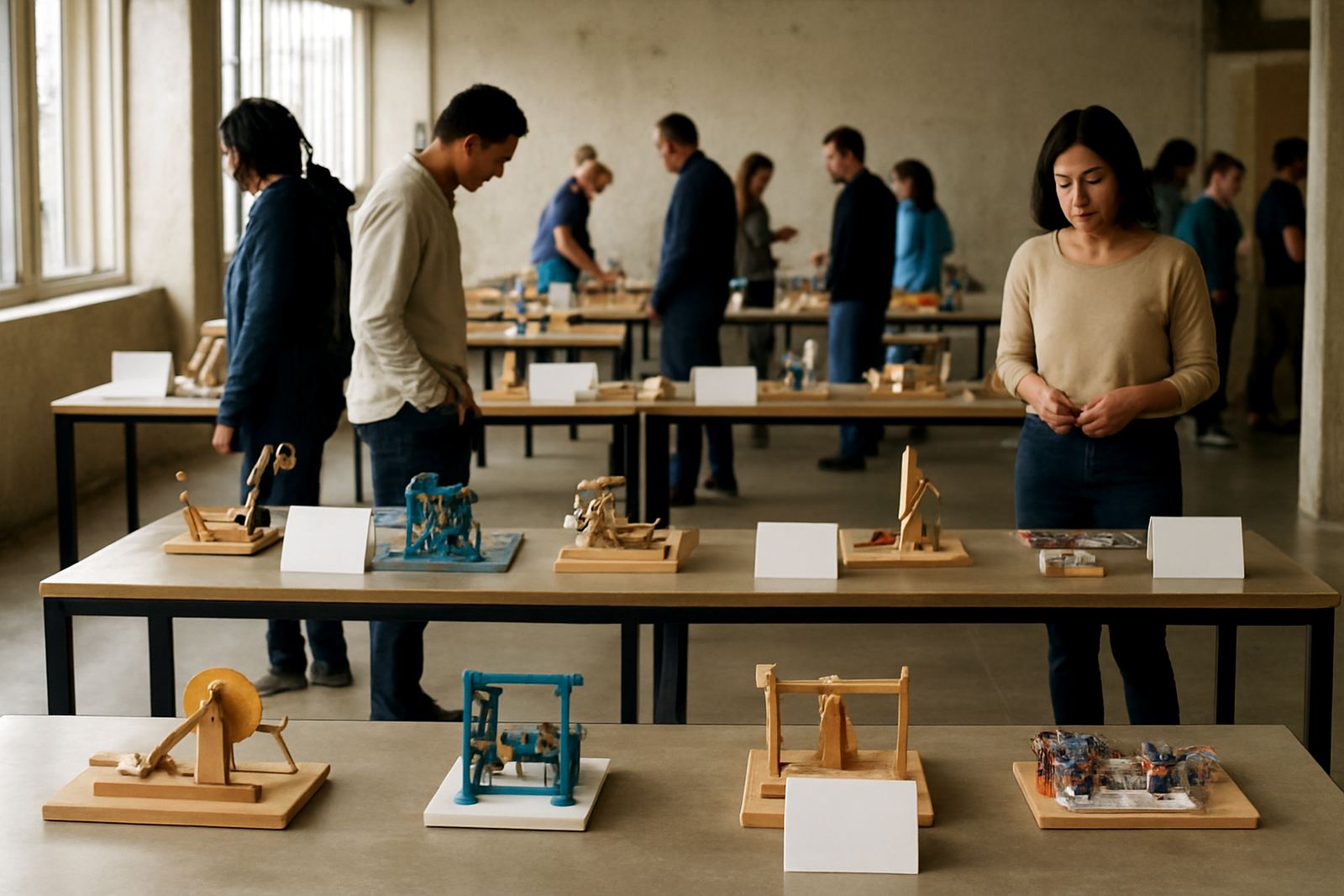
Student Expo Ideas

Student Expo Ideas

Ways to present learner projects clearly at exhibitions or open days.

Planning Repeat Orders

Planning Repeat Orders

What changes when your products begin selling consistently.

Using Offcuts Well

Using Offcuts Well

Creative ways to reduce waste and improve material value.

Maker Portfolio Basics

Maker Portfolio Basics

Documenting skills and projects for opportunities, applications and clients.

Supportive Workshop Culture

Supportive Workshop Culture

How good spaces encourage respect, curiosity and practical progress.

Journeys Take Time

Journeys Take Time

A reminder that strong skills develop steadily through practice and patience.

Building Local Networks

Building Local Networks

Why regional collaboration strengthens the wider maker ecosystem.

Choose the Right Maker Story for Your Next Step

Some readers want a quick fix for a noisy workshop, while others need help choosing a training path or setting up a new space. This hub brings those topics together in one place so you can move from idea to action without wasting time. Use the cards below to jump into the kind of story that suits your stage, whether you are starting out in Braamfontein, scaling a school lab in Pretoria East or setting up a shared space in Durban.

If you are unsure where to begin, start with the articles that speak to your current pressure point. A first-time maker usually needs basics and confidence, while a team lead may need layout advice, storage planning or facilitator support. The listing cards are added separately, so this page gives you the context and the sort of article each one covers.

Training Notes for New and Returning Makers

Our training stories focus on practical skill-building for South African makers who want to work safely and produce consistent results. Expect clear advice on workshop habits, tool handling, first project choices and how to keep learning when time and budget are tight. We also cover how to plan for load-shedding, limited bench space and shared equipment, because those realities shape every good workshop.

  • How to pick a short course that fits your schedule
  • What to learn first when you are new to hand tools or small machines
  • How facilitators can keep sessions orderly with mixed skill levels
  • Simple ways to prepare for power cuts and interrupted work sessions

Workshop Setup Advice for Real South African Spaces

Workshop setup stories help you think through flow, storage and safe movement around the room. We look at tool zones, entry points, signage, dust control and how to make the best use of small spaces without crowding the work area. In coastal towns like Gqeberha or Cape Town, we also talk about humidity, rust prevention and how to store consumables so they last longer.

These articles are useful for schools, community labs and startup teams that need practical decisions rather than theory. You will find guidance on bench spacing, storage solutions, maintenance checks and event maker stations, plus the kind of planning that makes a shared space easier to use week after week.

  • Layout ideas for narrow rooms and mixed-use spaces
  • How to separate clean work from noisy or dusty work
  • Storage tips for hand tools, materials and small parts
  • Safety signage that helps people move through the space with confidence

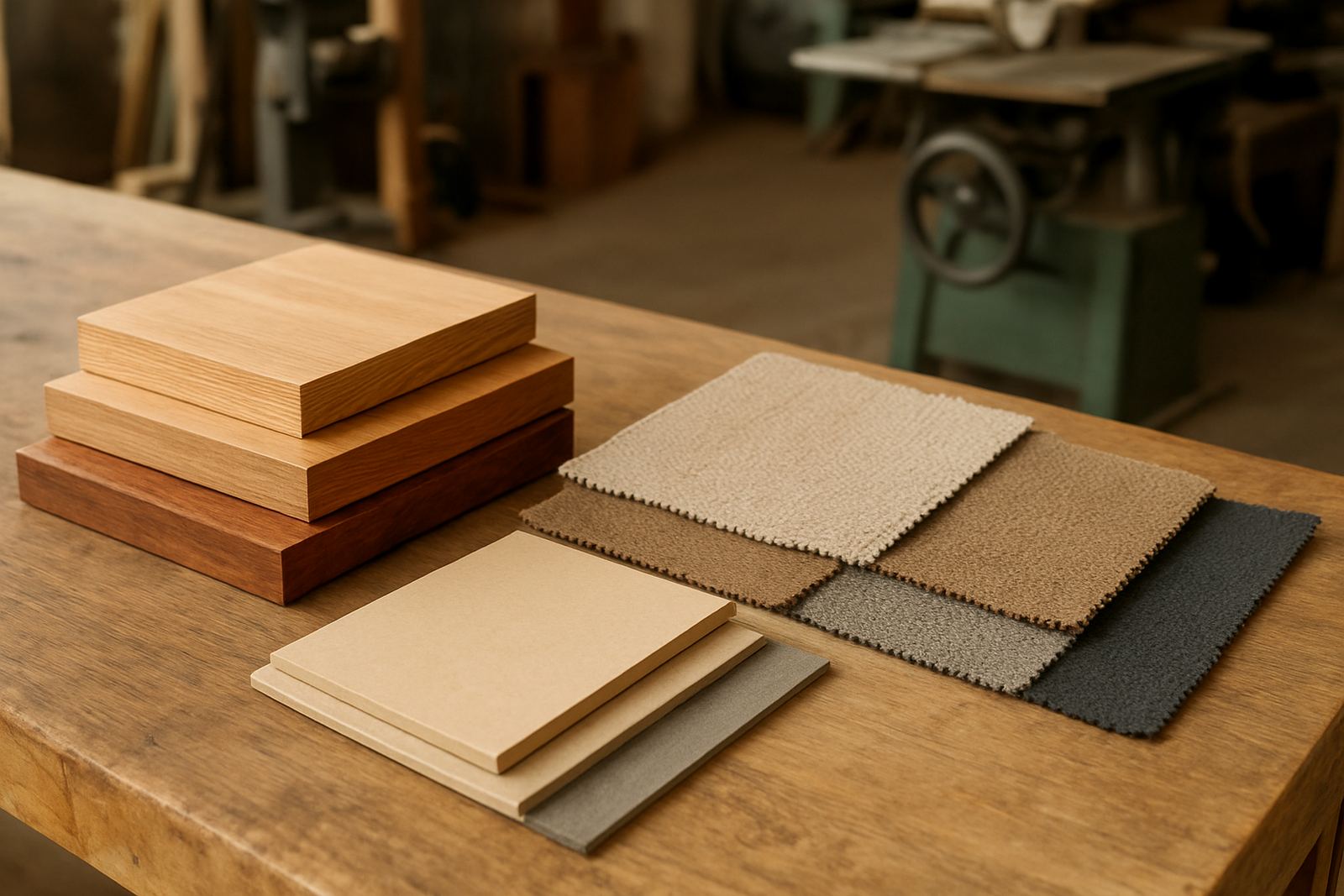
Starter Kits, Materials and Buying Decisions

Some stories focus on starter kits and the buying choices behind them. These pieces explain what should be in a solid beginner kit, how to avoid wasting money on items you will not use and how to plan consumables for a group or class. We keep the advice grounded in South African conditions, including stock availability, pricing pressure and what to do when replacement parts are delayed.

For schools, makerspaces and small teams, this section is especially useful when setting up a new room or refreshing a tired one. It covers the balance between upfront spend and long-term use, plus the small planning decisions that help a kit stay useful after the first few weeks.

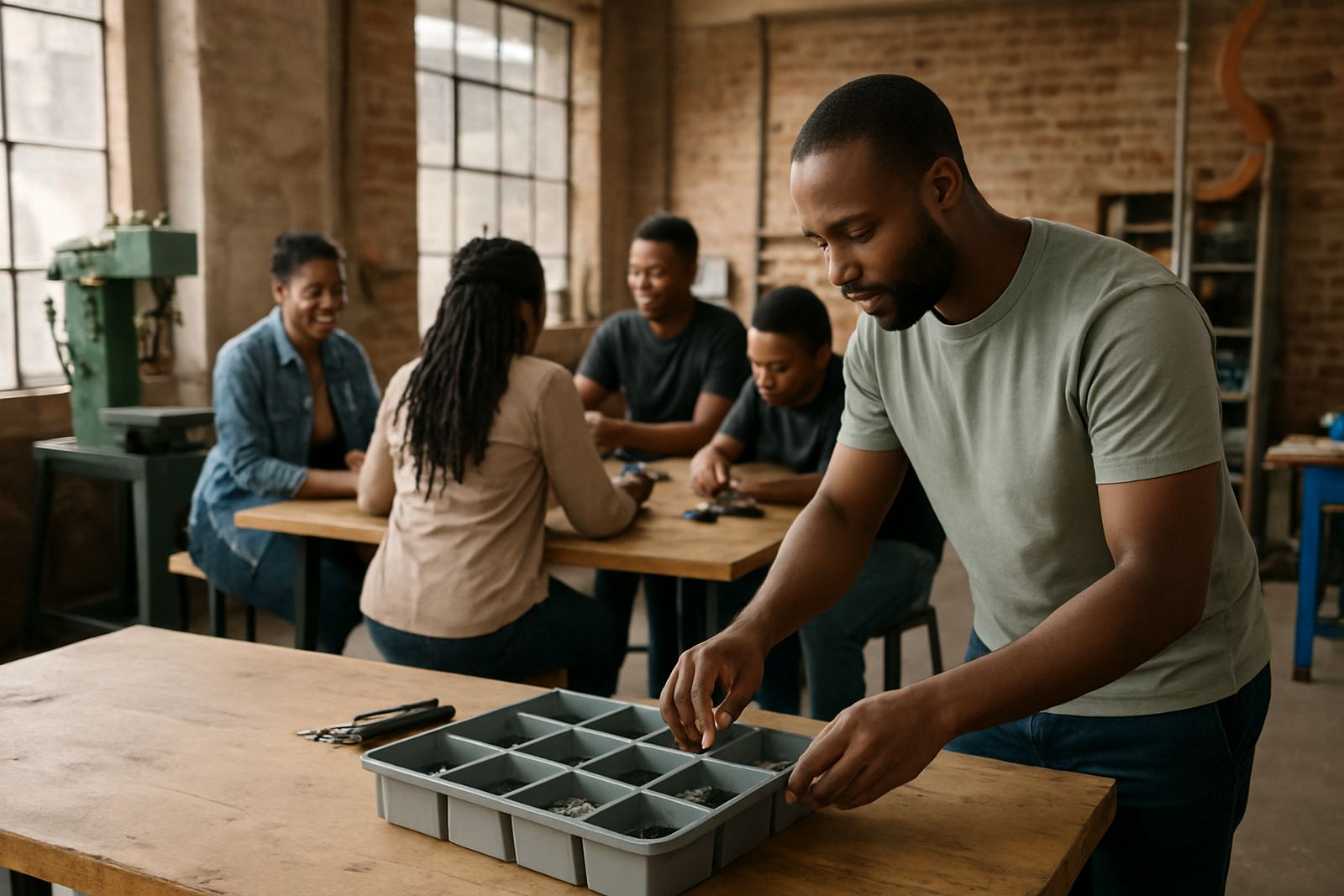
Community, Collaboration and Shared Learning

Makers rarely work alone for long. Our community stories look at how people share tools, teach one another and build useful networks across Johannesburg, Soweto, Sandton, Midrand, Durban and beyond. You will find examples of collaborations between makerspaces, schools and small teams that needed a place to test ideas and learn from others.

These articles are good reading if you are trying to grow a group, improve member onboarding or keep volunteers and facilitators engaged. They show how a well-run space can support confidence, consistency and better project outcomes without making the process feel formal or intimidating.

How to Use This Hub Without Getting Overwhelmed

If you are short on time, use the hub like a working guide. Start with the story that matches your main need, then move to the related topics once you have sorted the urgent part. A new venue manager may begin with layout and safety, while a school coordinator might start with training and consumables planning. There is no right order, only the one that helps you make progress this week.

  • Read one article for setup, one for skills and one for community
  • Match the story to your space type, from home workshop to shared lab
  • Look for ideas that fit local rules, budgets and available labour
  • Keep notes on what you can apply straight away

When you are ready to take the next step, use the enquiry form on our contact page to ask about training, setup support or a makerspace visit. We work from Braamfontein in Johannesburg and support clients through partner spaces nationwide.

Questions we get asked

What kinds of maker topics are covered here?

This hub covers training, workshop setup, starter kits, community learning, buying advice and practical ways to run a shared space more effectively.

Who are these stories written for?

They are written for new makers, school teams, facilitators, community lab managers and anyone setting up or improving a workshop in South Africa.

How do I get help with my space or training needs?

Use the enquiry form on our contact page and tell us what you need, whether it is space planning, tool zone layouts, onboarding or starter kit advice.

Planning something? Send the team a message.

Contact form