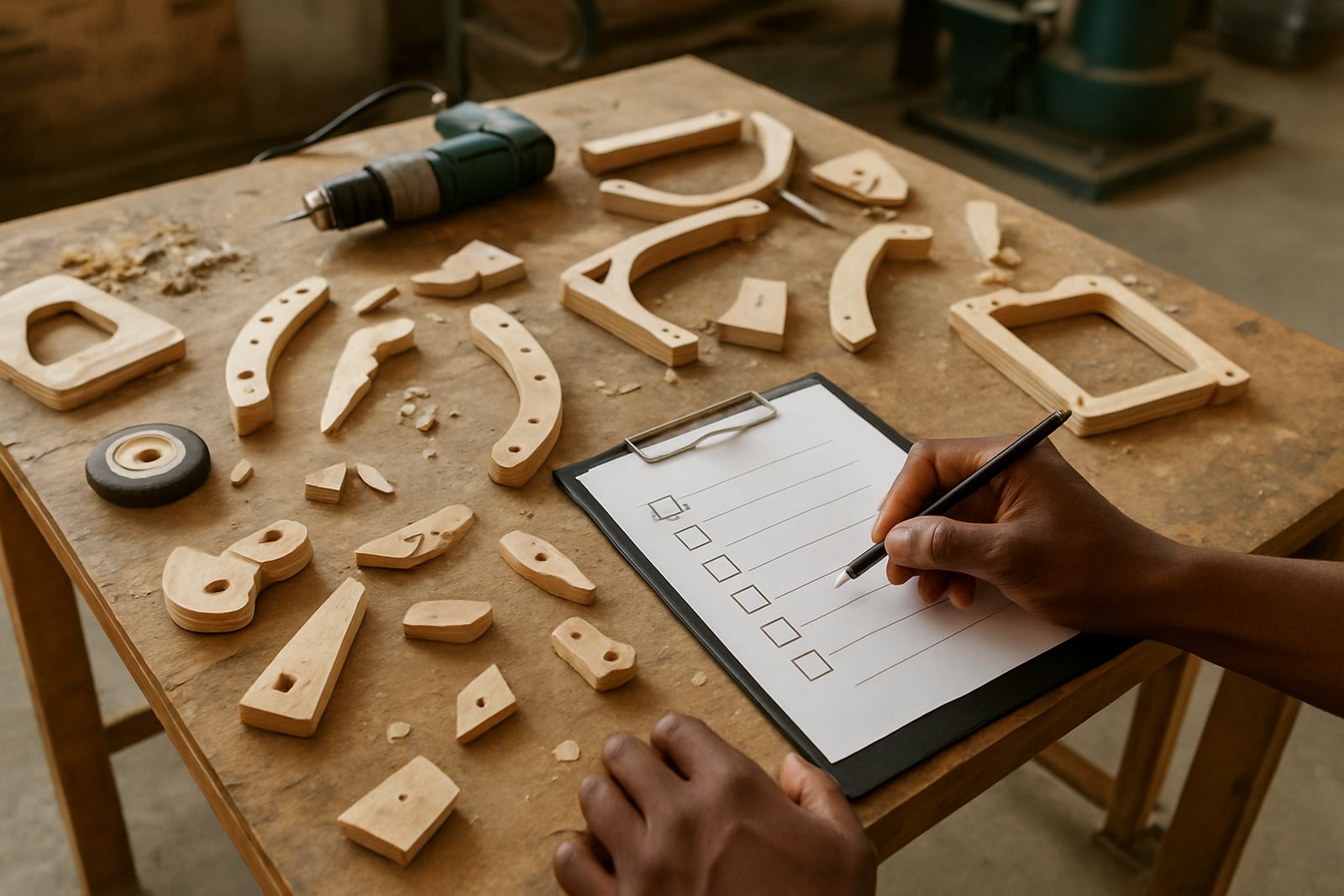
When a once-off sale becomes a pattern
The first repeat orders usually arrive quietly. A school asks for the same starter kit again, a makerspace wants more consumables, or a training venue needs extra safety signage after a new intake. At that point, the question changes from “Can we supply this?” to “Can we supply this at the same standard, every time?”
That shift matters because the pressure is no longer on the first batch only. You now need to keep materials moving, protect your margin, and avoid the awkward moment when a client expects the same item and you are short by a few units. In Johannesburg, that can happen fast, especially when a Braamfontein order is followed by a Sandton collection and a Pretoria East delivery in the same week.
Set your reorder point before stock gets tight
Good repeat-order planning starts with a simple reorder point. That is the level where you know it is time to buy again, before your shelves look empty. For consumables, this might be based on average weekly use plus a small buffer for busy periods, public holidays, or load-shedding delays that slow packing and transport.
Keep the numbers practical. If a kit uses 40 units of a part each week and deliveries take 10 working days, don’t wait until you have 20 left. Build in enough cover for late collections, supplier delays and one unexpected rush order. Stock levels are easy to miss when orders are coming in fast, so assign one person to check counts accuratley at the same time each week.
- Track average weekly use for each item, not only total sales.
- Add a safety buffer for delays, damaged stock, and busy seasons.
- Review reorder points after school terms, holidays, and year-end shutdowns.
- Separate fast-moving items from slow-moving items on your stock sheet.
Match order size to delivery cost and storage space
Once demand becomes steady, bigger orders are not always better. A larger buy can improve pricing, but only if you have the storage and cash flow to carry it. In a small workshop or training room, extra cartons can block access, interfere with event prep and create safety risks if they are stacked badly.
Think about the full cost of holding stock. In coastal areas like Durban or Gqeberha, humidity can affect packaging, fasteners and paper-based materials. Inland, dust and temperature changes can still damage supplies if they sit too long in poor storage. The right order size should fit your storage shelves, your receiving area and your actual monthly use, not just the supplier’s discount table.
- Measure shelf space before placing larger orders.
- Check whether bulk pricing still works after transport and storage costs.
- Keep sensitive materials off the floor and away from moisture.
- Separate client stock, training stock and community event stock clearly.
Build repeat orders around your busiest calendar
Many maker businesses sell in patterns, not evenly across the month. School labs need refreshes before terms begin, training venues need setup items before workshop dates, and maker stations get busy when events and markets cluster. If you know your calendar, repeat orders become easier to time and less stressful to fulfil.
A Braamfontein team, for example, may need a fresh batch of materials before a month of student workshops, then a separate reorder for a Saturday event series in Soweto. That is not a problem if the order cycle is planned around the real schedule. The mistake is treating every month as identical when the work clearly is not.
Use a shared planning sheet with delivery dates, client commitments and expected consumption. That way, your buyer, trainer and operations lead are not working from three different versions of the same plan.
Keep the product standard the same even when the order grows
Clients who reorder are usually buying confidence as much as product. They want the same size, same contents and same result as before. If one batch changes because a component was substituted without warning, the client notices immediately.
Document each repeat product carefully. A starter kit should have a fixed parts list, quantities, packaging method and check process before it leaves the workshop. Safety signage should use the same wording and placement every time, and consumables planning should note what can be swapped and what cannot. If a substitution is necessary, say so early and explain the impact on use, assembly or training.
- Keep a product sheet for every repeat item.
- Record approved substitutions and supplier alternatives.
- Use a final checklist before packing each order.
- Take note of returns or complaints and adjust the spec where needed.
Use repeat orders to tighten your operations
When products sell consistently, the order itself becomes a tool for improving the business. You can see which items move fastest, which clients order in cycles, and where delays happen. That information helps with member onboarding, facilitator support and maintenance checks too, because the same stock that supports sales often supports the training floor as well.
At that stage, repeat ordering is not just about buying more. It is about making the whole system calmer and easier to run. If you know what sells, what takes time to pack, and what must be kept on hand for events or school labs, you can plan with less guesswork and fewer emergency runs across town.
That matters in Johannesburg where traffic, venue access and collection times all affect how quickly stock moves. It also matters for partner makerspaces nationwide, because a consistent ordering rhythm helps small teams stay ready without overbuying.
A practical checklist for the next reorder
Before you place the next order, pause and check the basics. This small step often saves more money than chasing a cheaper price after stock has already run out.
- What is the average monthly use for this product?
- How many days does it take to receive and pack new stock?
- Do you have enough shelf or store space for the next batch?
- Will the order affect cash flow over the next two weeks?
- Are any items tied to school terms, events or facility bookings?
- Has the product spec changed since the last order?
If you can answer those questions before buying, repeat orders become much easier to manage. You avoid shortages, protect your margins and keep clients confident that the next delivery will match the last one.