Why Maker Events Matter When You Are Building Something Real
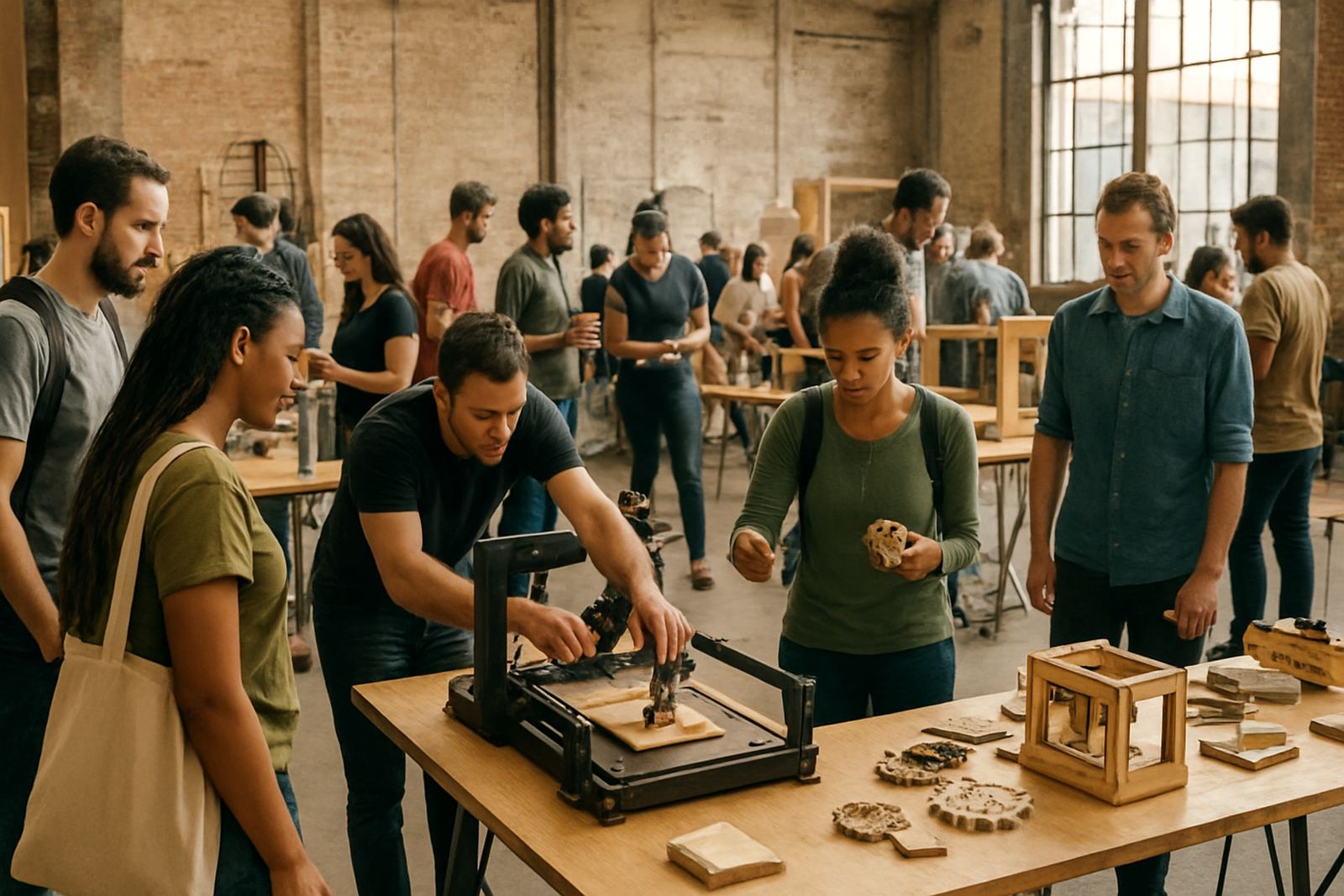
For many makers, the hardest part is not starting, it is keeping the energy going after the first few weekends. Events give you a reason to show up, ask questions, test a half-finished idea and hear how other people solved the same problem with fewer tools, less money or a tighter deadline.
In Johannesburg, where traffic, load-shedding and venue bookings can all affect a project timeline, a good event is practical. You leave with contacts, not just notes. You might meet a facilitator who knows a quiet work space in Braamfontein, or a supplier who can tell you which consumables will hold up in a humid Durban workshop and which ones will not. That kind of local knowledge saves time and money.
- Learn faster by watching real processes, not only reading instructions.
- Meet other people who need the same tools, materials or space.
- Find mentors, facilitators and potential collaborators for future projects.
- See what is working in different towns and workshop settings.
The Events Worth Your Time First
Not every event will suit every maker, so it helps to be selective. A beginner may benefit most from hands-on sessions where a facilitator walks you through a tool setup or a simple build. A small team may get more value from a planning clinic, where you can work out storage, safety and member flow before you open a space or host a session.
Look for events that are specific about outcomes. If the listing says you will leave with a working prototype, a safety checklist or a starter kit plan, that is usually better than a general networking session with no clear purpose. The best events are the ones where people actually make something, fix something or plan something useful.
- Tool demonstrations for first-time users.
- Safety and compliance sessions for shared spaces.
- School lab refresh days for educators and coordinators.
- Starter kit workshops for hobbyists and new teams.
- Community build days for clubs, schools and small enterprises.
What to Ask Before You Register or Turn Up
Before you sign up, check the details. If the event is in a makerspace in Pretoria East or Soweto, find out whether there is secure storage for materials, whether you need to bring your own tools, and whether there is backup power during shedding. A little planning makes the day smoother and avoids a wasted trip across town.
Good events will be clear about age limits, dress code, protective equipment and what skill level is expected. If you are bringing a team, ask whether there is room for multiple participants, whether the space can handle wet work or noise, and whether the venue has parking for larger items. It sounds basic, but these details matter when you are carrying timber, electronics or signage through a busy venue.
- What will I leave with at the end of the session?
- Do I need to bring my own materials, PPE or extension leads?
- Is there power backup for drills, lights or charging stations?
- Is the venue suitable for children, schools or mixed groups?
How to Turn One Event Into a Useful Connection
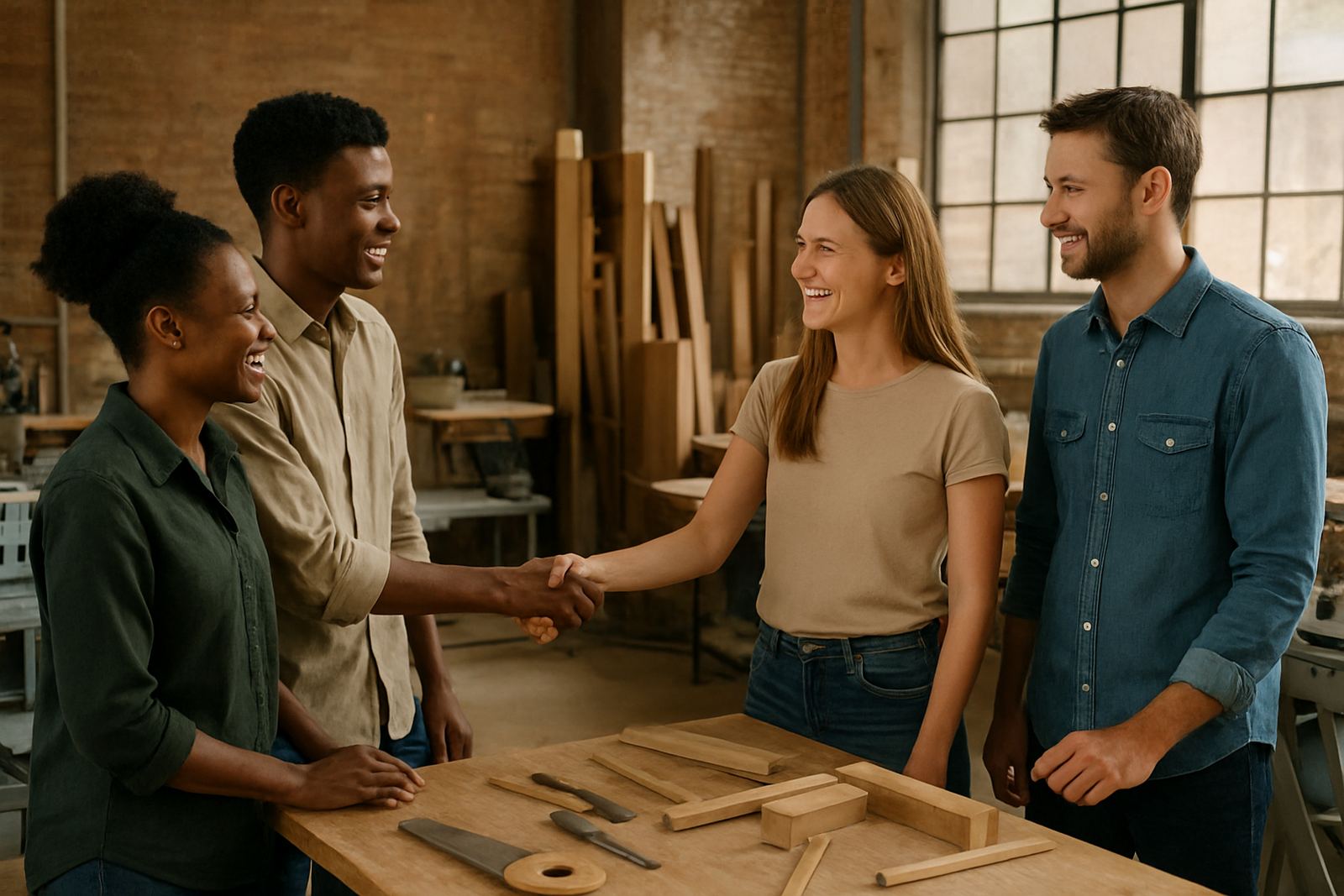
The value of an event often starts after the talks are over. If you meet someone who shares your interest in tool layout, school labs or event stations, follow up while the details are still fresh. Make a note of who does what, what they need and when you might work together. One short message after the event can turn a quick chat into a real working relationship.
It also helps to show up with a clear purpose. If you know you need help with maintenance checks, storage solutions or onboarding new members, say so. People in the maker community are often willing to help, but they can only help properly if you are specific. That is also how strong partnerships form between training venues, school groups and local operators.
- Carry a notebook or use your phone to record names and next steps.
- Ask one practical question instead of trying to cover everything.
- Share your own experience, even if the project is still small.
- Offer help in return, such as testing, setup or venue support.
A Johannesburg Example That Shows the Difference
Take a small team in Braamfontein that wants to run a weekend build session for first-year students. At the first event they attend, they do not just watch a demo and leave. They meet a facilitator who explains safer tool zone layouts, a coordinator who knows which venues can host 20 to 30 people, and another maker who has already solved the problem of charging phones and laptops during load-shedding.
By the next month, the team has a clearer plan. They know how much table space they need, which consumables must be stocked in advance, and how to set up signage so people move safely around tools. That is the point of joining maker events. You get practical answers faster than you would on your own, and you do it in a way that fits local conditions, not theory. It is a proper shortcut, not a cheat.
Choosing Events That Match Your Stage of Growth
As your project grows, the best events change. A newcomer may need starter kit sessions and beginner training. A small business may need facilitator support, maker audit advice and maintenance checks. A school may benefit more from a refresh of its lab, storage solutions and a plan for safer member onboarding. Match the event to the next problem you need to solve, not to what looks most exciting on the poster.
If you are active in Cape Town, Durban, Gqeberha, Midrand or Sandton, use the local network to compare venue types and session styles. Some groups prefer hands-on building. Others need a quieter planning room and better storage. There is no single right format. The right event is the one that gives you momentum, contacts and one or two actions you can use straight away.
- Pick beginner events for confidence and basic skills.
- Pick planning sessions when you are setting up or expanding.
- Pick network events when you need collaborators or venues.
- Pick practical workshops when you need a result by the end of the day.