Start With the Job, Not the Tool
Too many teams begin by asking what machine they should use, when the better question is what the item needs to do. A one-off bracket for a school event, a batch of signage for a maker fair, or a custom jig for a furniture shop all call for different methods. Digital fabrication is useful when you need repeatable parts with measured accuracy. Handmade work still wins when the piece needs judgement, adjustment, or a finish that responds to the material in front of you.
In Johannesburg workshops, that choice is often shaped by power cuts, lead times, and the space you have. If you are working in Braamfontein or Midrand and need 40 identical parts by Friday, digital cutting can save time. If you are repairing an item on site in Soweto or fitting a display into an older building in Pretoria East, hand tools may be quicker because they let you adapt on the fly.
The right method is usually the one that reduces rework. That is where many projects lose money.
Where Digital Fabrication Pays Off
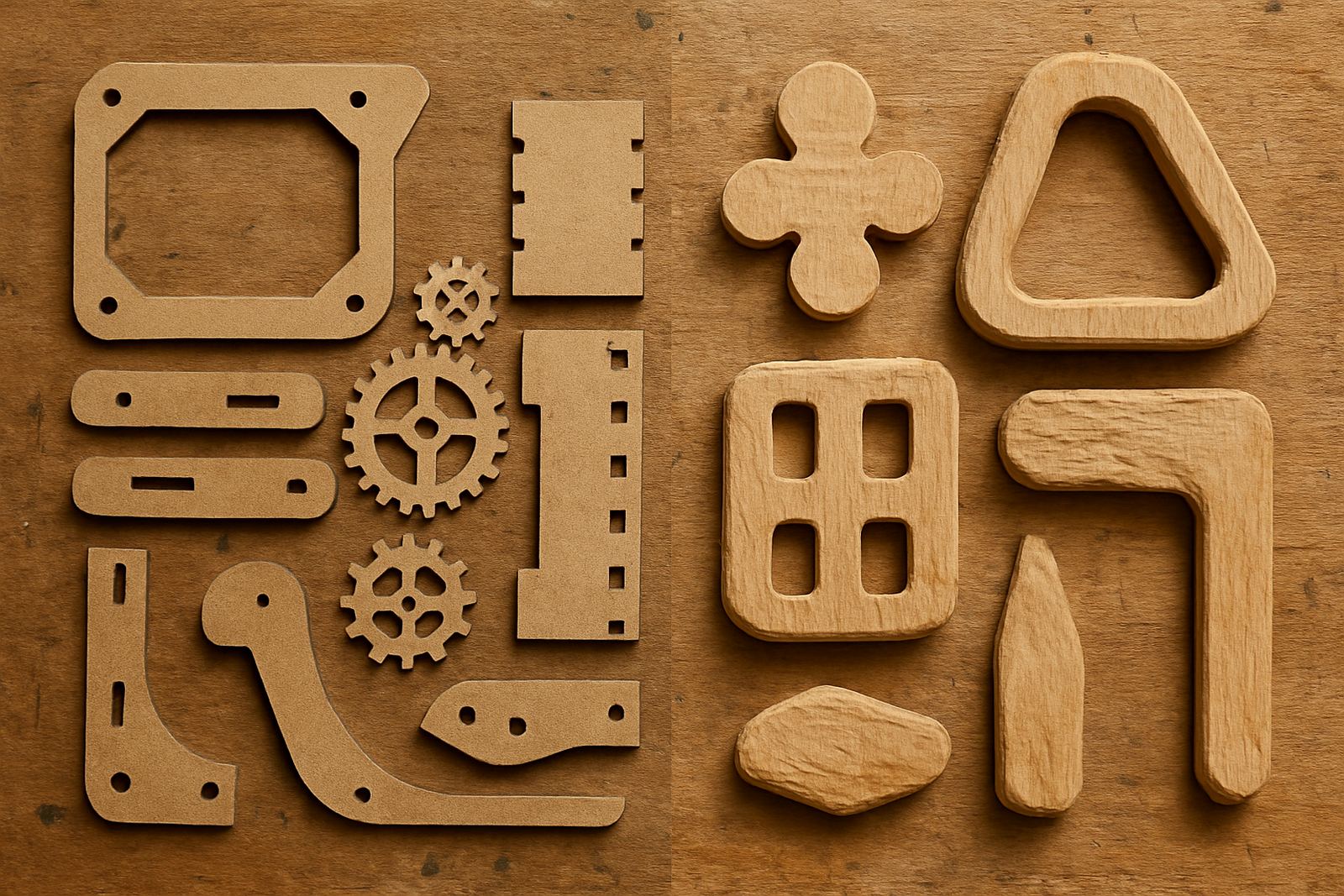
Digital fabrication is strongest when precision and repetition matter. Laser cutting, CNC routing, vinyl cutting, and 3D printing can turn a drawing into a set of parts with less variation between pieces. That is useful for workshops, schools, small product runs, and event setups where the same component must fit every time.
It also helps when you need to test ideas quickly. A product team in Sandton might cut three versions of a panel, check the fit, and choose the best one before committing to a larger batch. In a school lab refresh, digital tools can produce consistent labels, templates, and safety signs that meet layout requirements across multiple rooms.
- Best for repeatable parts with tight measurements
- Useful for prototypes, templates, jigs, and signage
- Good for small to medium batches where consistency matters
- Helps when the design must be copied across different venues
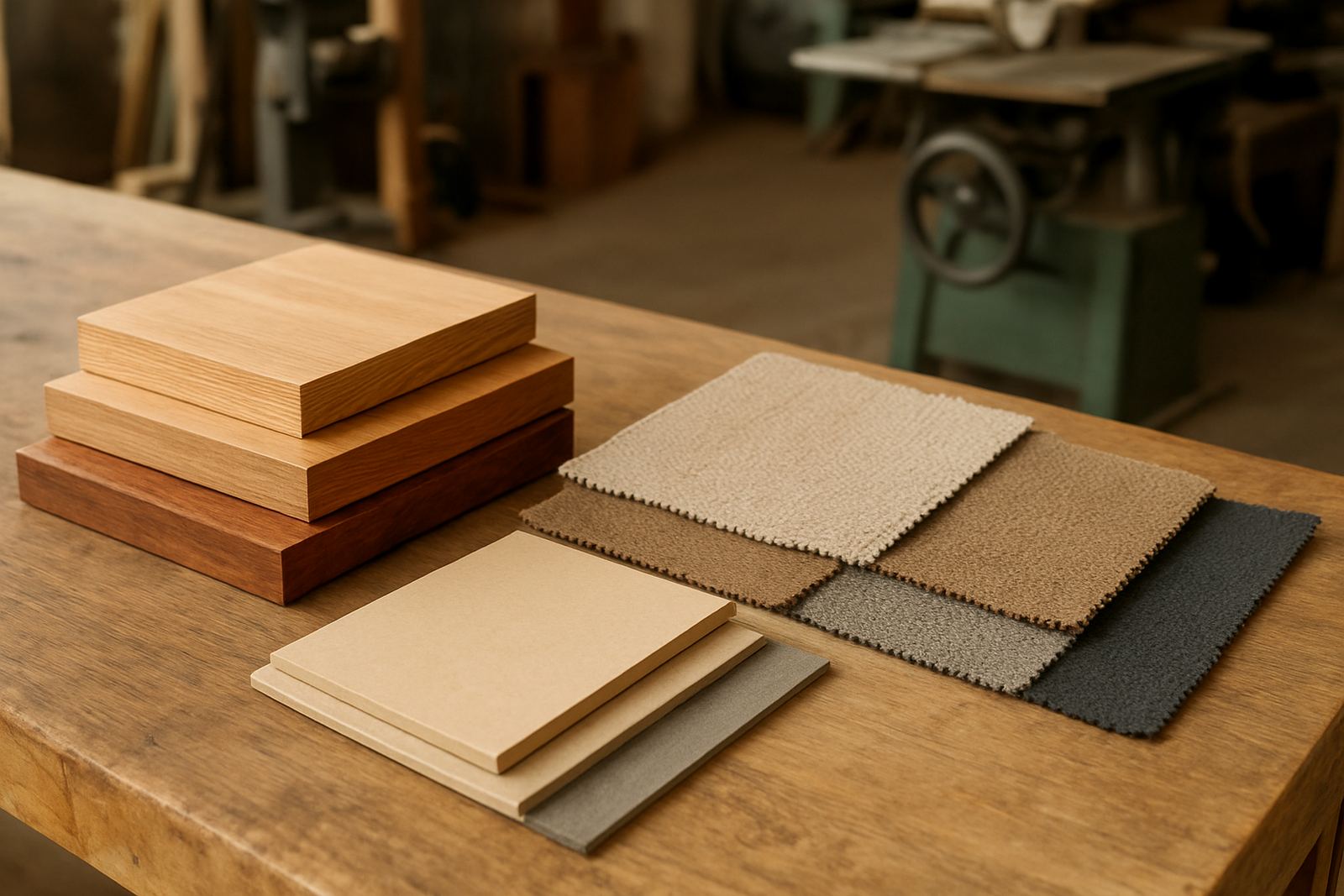
Even then, digital work needs discipline. Material thickness can vary, cheap sheet stock can warp in humid coastal towns like Durban and Gqeberha, and a machine that was not calibrated properly will give you problems later. The file may be exact, but the material is not always so tidy.
Where Hand Processes Still Make More Sense
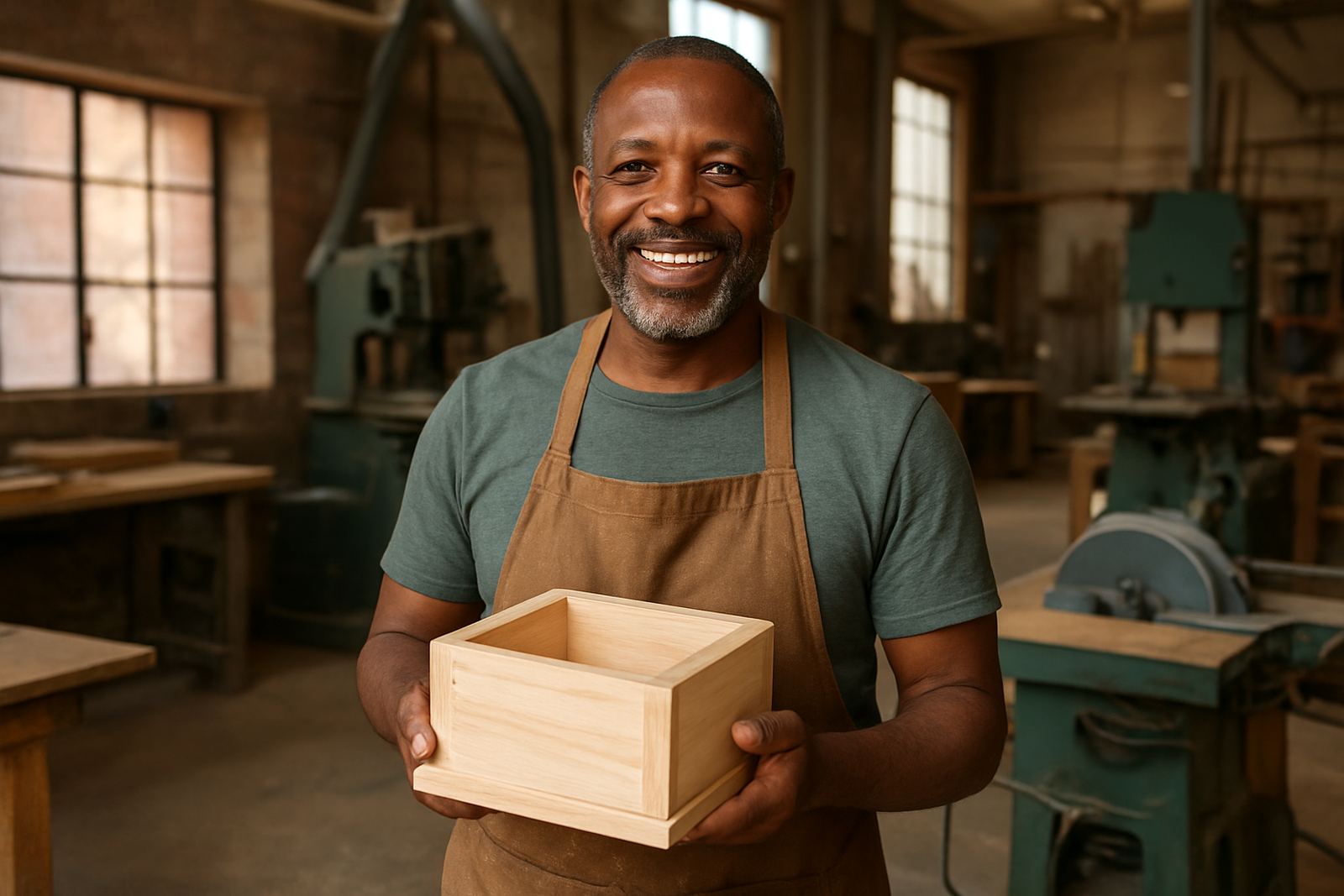
Hand processes are still the better option when the work needs judgement, repair, or a personal finish. Filing, sanding, drilling, fitting, stitching, welding, and assembly by hand let a maker respond to knots in timber, slightly bent stock, or a wall that is not perfectly square. On older buildings and temporary venues, that flexibility matters.
Hand work is also stronger when you only need one item and the time spent setting up a digital machine would cost more than the task itself. A custom mount, a quick repair, or a one-off display stand can be done faster with basic tools and an experienced hand. For many community projects, that is the practical choice.
- Better for one-offs and repair work
- Useful when the fit has to be adjusted on site
- Ideal for mixed materials and irregular surfaces
- Often cheaper when setup time would outweigh machine time
There is also a skill value here. New makers learn more by marking out, cutting, checking, and correcting by hand. That process teaches material behaviour in a way software alone cannot. It helps teams understand tolerances, grain, alignment, and safe use of tools before they move to more automated methods.
The Cost Difference Is Bigger Than the Machine Price
People often compare digital and handmade by looking at the tool cost only, but the real question is total project cost. That includes material waste, labour, setup time, power use, training, and the number of mistakes you can afford. A digital router can be the cheaper option if it saves hours across fifty parts. A hand process can be cheaper if the job is small and the spec is loose.
Load-shedding also changes the equation. If your workshop cannot guarantee a long uninterrupted run, a plan that depends on a full machine cycle may need backup. Hand tools, battery kits, and simple jigs can keep work moving when the power is off. In many South African spaces, the best setup is a mix of both.
Another cost factor is waste. Digital fabrication can reduce offcuts if the nesting is well planned, but a poor file or wrong material size can produce expensive scrap. Hand processes waste less in some jobs because the maker can trim as they go. The point is not which method is cheaper in theory, but which one is cheaper for your exact brief.
A Local Example From a Braamfontein Project
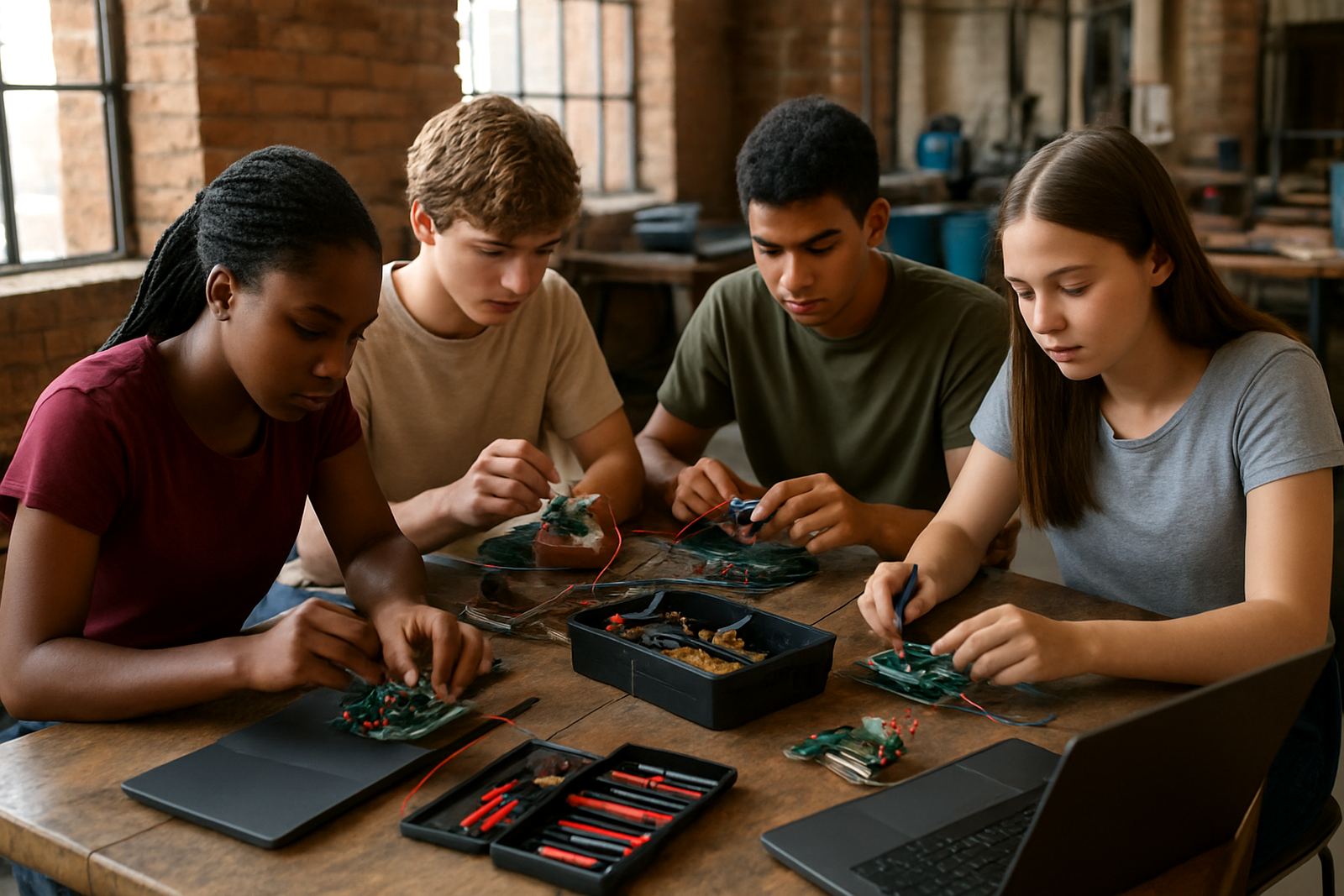
Imagine a youth maker programme in Braamfontein preparing for a weekend market. The team needs branded display panels, simple product trays, and a few repair tools for live demonstrations. The display panels are best handled digitally because every stand must match and the cut-outs need to line up. The trays can also be cut by machine so they stack neatly and use material efficiently.
But the final assembly, edge finishing, and on-site adjustments are better done by hand. The venue may have uneven floors, the tables may vary in height, and the team may need to adapt to a tighter layout once they arrive. A hand finished edge can also cope better with transport bumps and repeated packing.
That mix is typical of South African maker work. Digital gives speed and consistency, while hand work gives correction and control. When both are planned properly, the project runs smoother and the final result looks more considered.
A Simple Rule for Choosing Between Them
If the item must be repeated exactly, start digital. If the item must be adjusted, repaired, or felt in the hand, start manually. That rule is not perfect, but it keeps projects practical. Most good workshops do not treat the two methods as rivals. They treat them as stages in the same process.
Use a digital tool for the parts that benefit from measurement, then finish with hand tools where judgement matters. That may mean cutting a template digitally and sanding it by hand, or roughing out a shape manually before using a machine for the final pass. The smartest workshops choose the method that saves time without losing quality.
For teams setting up maker spaces, training rooms, or starter kits, the best layout often supports both. Clear tool zones, good storage, safe signage, and a sensible consumables plan make it easier to move between digital and handmade work without confusion.
What Makers Should Ask Before They Start
Before you commit, ask a few blunt questions. How many units do you need? What tolerance can the part allow? Will the material handle humidity, transport, and handling? Do you have power, space, and trained support for the method you are choosing? If the answer is uncertain, a simpler hand process may be the better first step.
- How many pieces are needed, now and later?
- What accuracy does the final use actually require?
- Will the material behave well in local conditions?
- Can the team repeat the process safely and affordably?
When those questions are answered properly, the digital versus handmade debate becomes less of a debate and more of a planning decision. That is the point. Good making is not about loyalty to one method. It is about getting the job done right for the conditions you have.