Why confidence grows faster when hands are busy
People often think confidence comes first and skill follows. In a workshop it usually works the other way round. You try a task, see what happens, adjust your approach, and the next time you are less nervous because your hands remember what your mind is still learning.
That is why regular practical sessions matter. A weekly two hour session on measuring, cutting, joining or wiring gives more confidence than one long crash course every few months. The repetition helps you recognise tools, materials and faults. You stop asking, can I do this at all? and start asking, what is the next step?
What repeated practice teaches that theory cannot
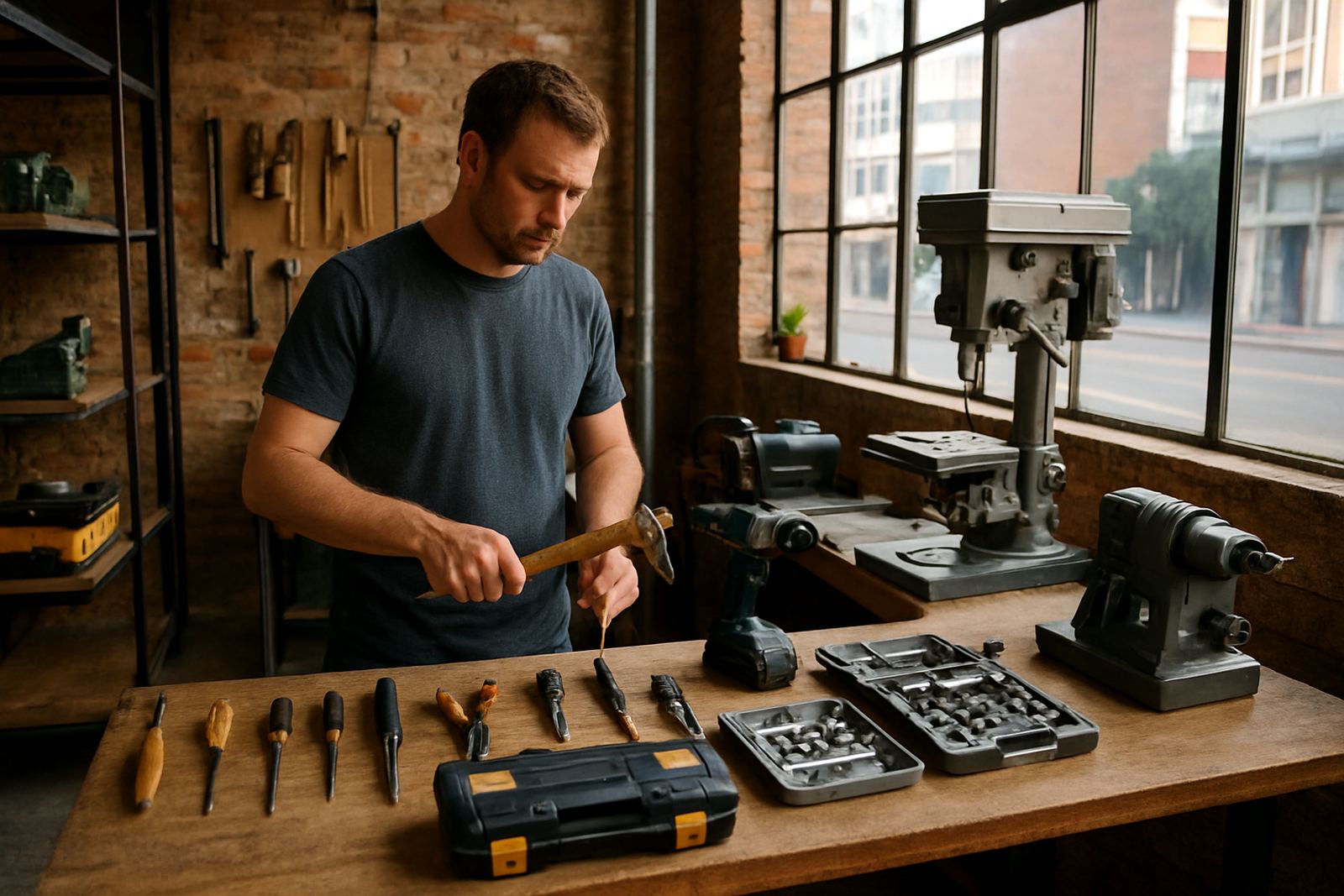
Reading instructions helps, but practical work teaches timing, pressure, sequence and judgement. You learn how much force to use on a clamp, how to check a corner for square, and how to spot when a surface needs another pass. These are small things, but they make a big difference when a project depends on them.
- How to plan a task before touching the material
- How to recover when a measurement is slightly off
- How to choose the right tool for the job instead of forcing one tool to do everything
- How to work safely even when the room is busy
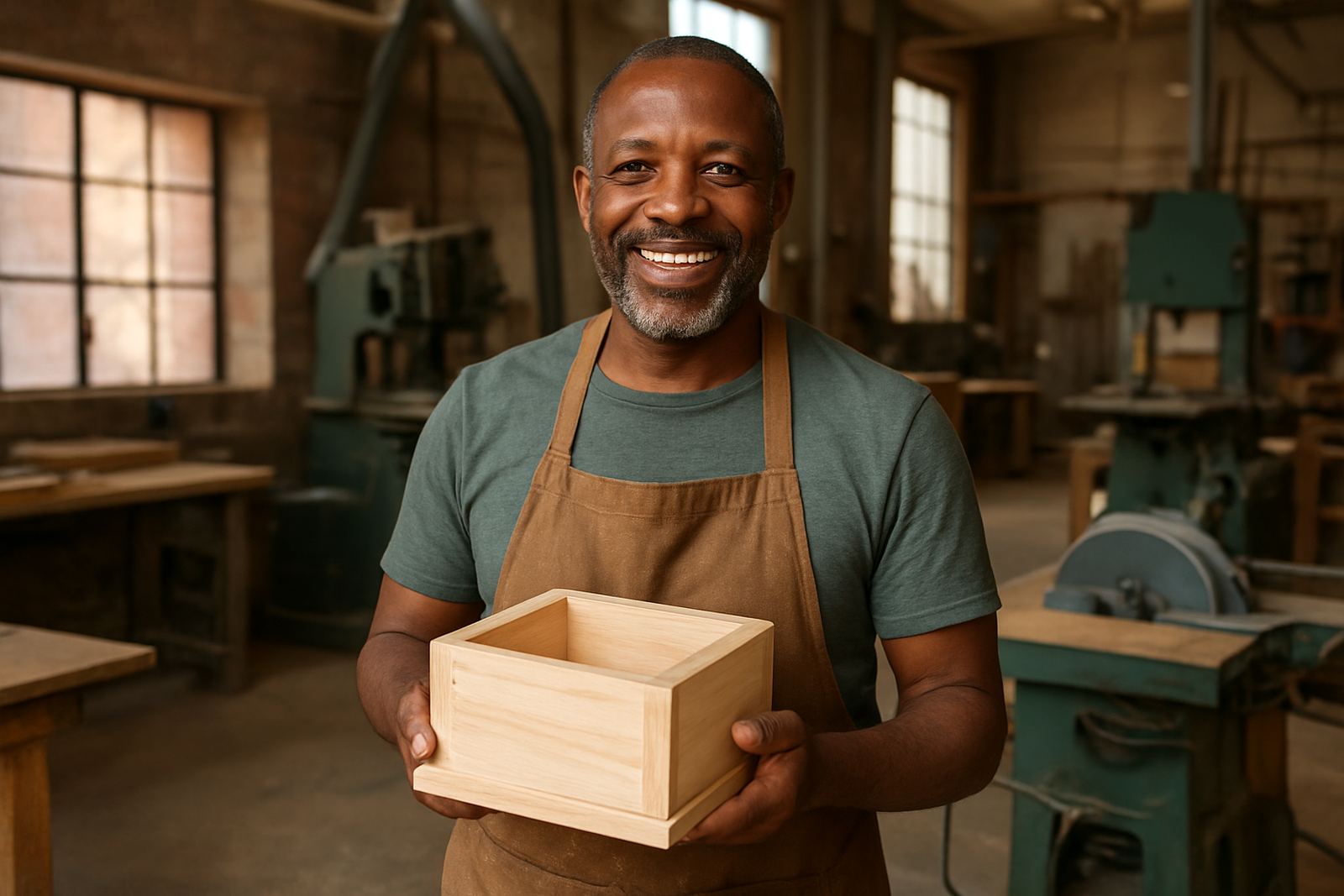
- How to finish a project neatly enough to use or present with pride
Once those habits settle in, the fear of making a mistake drops. That is real progress, not just better technique.
A Braamfontein example from first cut to finished build
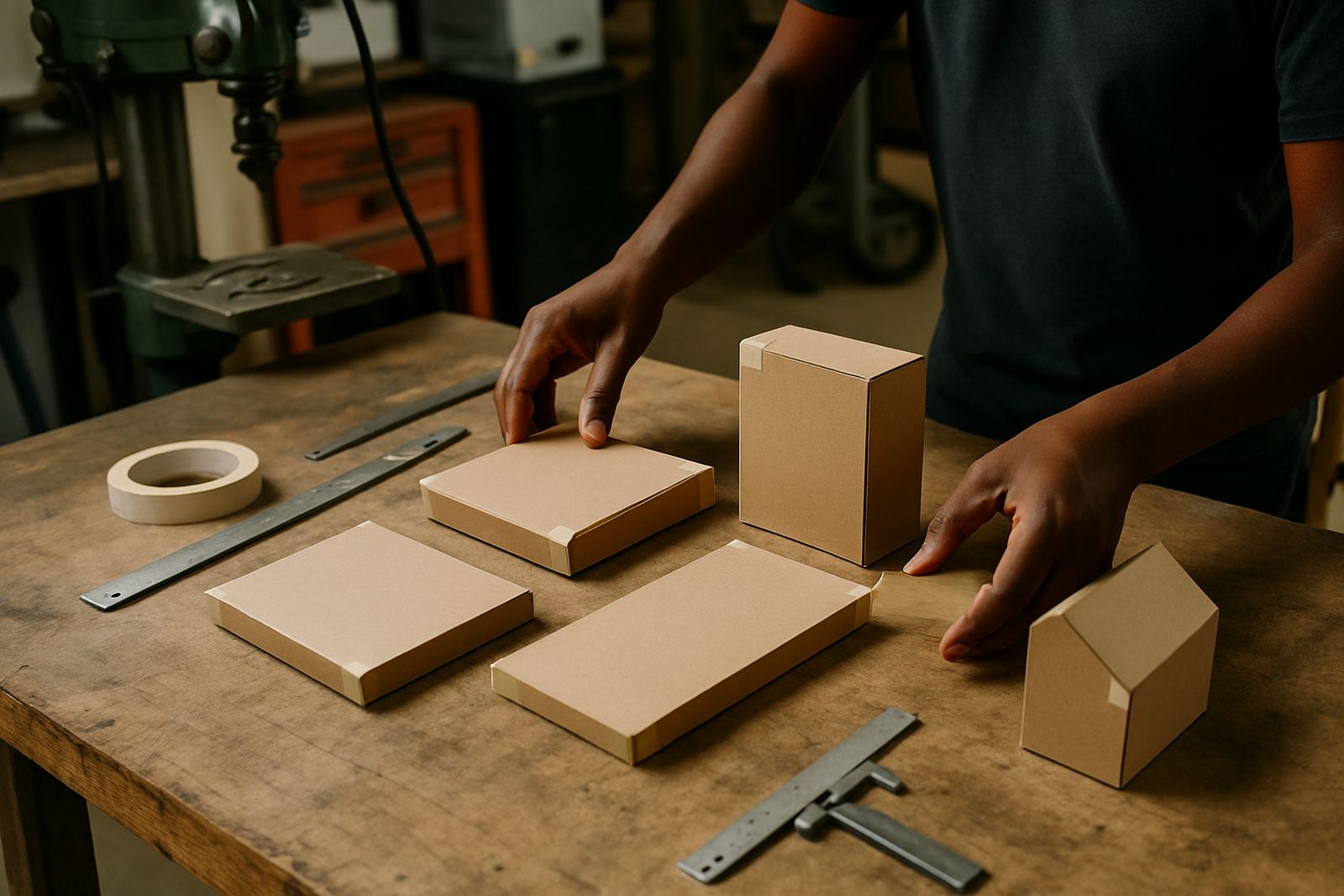
In Braamfontein, a small team joined a regular maker session after struggling to build simple display stands for a campus event. At first they spent too long setting up and still ended up with uneven cuts, loose joints and wasted material. They were not short of ideas, only confidence in the process.
After a few sessions at a nearby partner makerspace, they began to work differently. They started with layout sketches, marked timber before cutting, and checked each piece before moving on. The first stand was not perfect, but it held firm and looked tidy enough to use. By the third session the team was moving faster, asking better questions and making fewer avoidable errors.
That is how confidence builds in real life. Not by pretending the work is easy, but by repeating the work until the steps feel familiar.
How a training rhythm supports problem solving
A good rhythm matters more than an occasional burst of effort. When sessions are spaced well, each visit reinforces the last one. You remember the lesson from the previous week, apply it again and then improve it. Over time you build a practical memory bank that helps when plans change or a tool behaves badly.
For teams, this is especially useful. When one person learns a process and another repeats it, the whole group becomes steadier. That makes handover easier, reduces confusion and helps new members settle in faster.
- Weekly sessions suit beginners who need repetition
- Fortnightly refreshers work well for school groups and small teams
- Short focused practice beats long unplanned time with no clear aim
- Each session should end with one clear takeaway for the next visit
In South Africa, where load-shedding can interrupt a workflow and venue time is often limited, making the most of each session is important. A clear plan helps people keep momentum even when the day does not go exactly as expected.
The role of safe, well planned spaces
Confidence also depends on the space itself. A cluttered room, poor storage or unclear signage makes people hesitant because they spend energy trying to work out where things belong and what is safe to use. A practical layout changes that. When tools, consumables and work areas are easy to understand, people settle in faster and make fewer avoidable mistakes.
That is why space planning, tool zone layouts, safety signage setup and storage solutions matter as much as the training itself. If a workshop in Midrand, Soweto or Pretoria East is organised well, beginners can move from observation to action without feeling lost. The same applies in coastal areas like Durban or Gqeberha where humidity can affect timber, metal tools and stored materials if the room is not set up properly.
What makerspace support should include
Confidence grows best when people are supported at the right moments. A good makerspace network gives access to venues, facilitators and clear onboarding so that newcomers do not waste energy figuring out the basics on their own. For schools, start-up teams and community groups, this support can make the difference between a project stalling and a project getting finished.
Useful support usually includes practical preparation before the first session and follow-through after it. That might mean checking equipment, planning consumables, preparing a starter kit, or setting up event maker stations for a one-off build day. It may also mean a maker audit so the team can see what is working and what needs attention before the next round of activity.
- Member onboarding so new users know the rules and routines
- Facilitator support for guided sessions and group learning
- Maintenance checks to keep tools safe and ready
- Consumables planning so work does not stop mid-project
- Starter kits for schools, clubs and new maker groups
When these pieces are in place, people are more willing to try, fail and try again. That is where genuine confidence starts.
Building confidence that lasts beyond one project
The real value of regular making is not only the finished item. It is the calm that comes from knowing you can face a problem and work through it. That feeling carries into school, business and community projects. People become more willing to start, less afraid to ask sensible questions and better at spotting practical solutions.
For a business, this means better workshop habits and steadier output. For a school, it means learners who are more willing to engage with tools and technical tasks. For a community group, it means more people taking part because the work no longer feels out of reach. Confidence through making is built one session at a time, with each fix and each finished piece adding something lasting.
In Johannesburg and across partner makerspaces nationwide, that steady progress is what turns interest into ability. The important part is not being perfect. It is showing up, learning the process and getting better every time.