Why culture matters before the first tool is switched on
In a maker space, culture shows up in small things first. Who cleans up after a cut? Who gets help when a drill bit is blunt? Who can ask a question without feeling silly? When these habits are clear, people work with more confidence and less waste.
In Johannesburg, where many workshops in Braamfontein and the inner city serve students, start ups and hobby makers at the same time, that clarity matters even more. A space that feels respectful can handle shared benches, mixed skill levels and tight booking windows without turning tense. It also helps people stay focused when there is load-shedding, a hot summer afternoon, or a rush before an event.
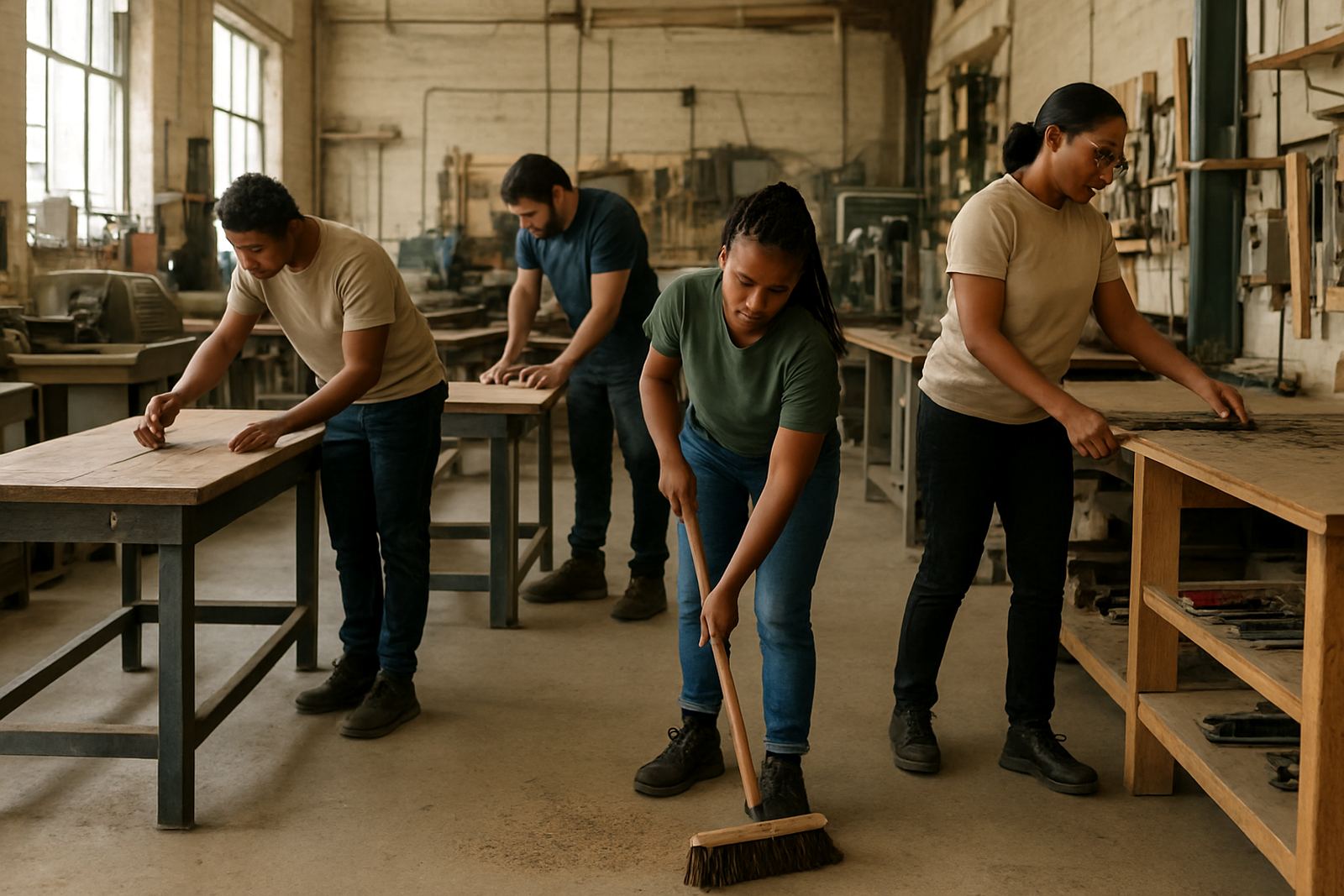
Supportive culture is not soft. It is practical. It means the table saw is used safely, the offcuts are sorted, and the next person finds the room in better shape than they left it.
Set the tone with simple rules people can follow
People do not need a thick manual. They need rules that are easy to see and even easier to apply. Good workshop behaviour starts with clear expectations around noise, storage, cleaning, borrow-and-return habits, and who signs off on certain tools.
When the rules are plain, new members settle in faster. They also make fewer mistakes because they do not have to guess what is allowed. In shared spaces, that saves time and avoids arguments about who used the last sanding discs, who left a vice dirty, or whose box is blocking the aisle.
- Mark walkways, exits and emergency points clearly.
- Label shared tools, consumables and charging points.
- Set clean-down times at the end of each session.
- State who may use high-risk equipment and under what supervision.
- Keep a visible sign-in system for members and visitors.
Safety signage also helps with compliance, especially where spaces host school groups or public events. In places like Pretoria East or Sandton, where venues may need to manage larger footfall, those signs keep everyone moving in the same direction.
Train for confidence, not just compliance
Training is where good culture becomes real. A new maker who knows how to measure, clamp, cut and tidy up will feel welcome much sooner than someone left to copy others from a distance. The best sessions teach practical habits, not just machine names.
That can include how to check cables before use, how to store sharp tools, how to plan around power cuts, and how to work safely with adhesives or finishes in a room with poor airflow. In coastal towns like Durban and Gqeberha, where humidity can affect timber and metal storage, people also need to know how to keep materials dry and avoid rust.
Training should be short enough to remember and hands-on enough to repeat. One good session is worth more than a long talk no one can act on later.
- Start with one tool zone at a time.
- Show the correct order for setup, use and clean-down.
- Use real materials and common project sizes.
- Repeat the same safety steps at every induction.
- Give members a chance to practise under supervision.
Make room for different skill levels without slowing progress
A healthy workshop does not expect everyone to arrive at the same level. Some members come from schools with no equipment at all. Others are experienced crafters, technicians or small business owners. Respect comes from making space for both.
One useful approach is to set up zones for different tasks. A clean prep area for measuring and marking. A louder cutting or sanding zone. A small bench for delicate assembly. That way a beginner can learn without being pushed into the busiest corner of the room, and an experienced user can keep moving without getting in the way of others.
In Soweto, for example, a community space may host school learners in the afternoon and adult makers after hours. If the layout is planned well, the room can shift between these groups without confusion. The culture stays calm because the space itself supports it.
Shared storage and consumables are where respect becomes visible
Nothing tests workshop culture faster than storage. Lost clamps, mixed-up screws and unlabelled bins can turn a good session into a frustrating one. The answer is not more shouting, it is better systems.
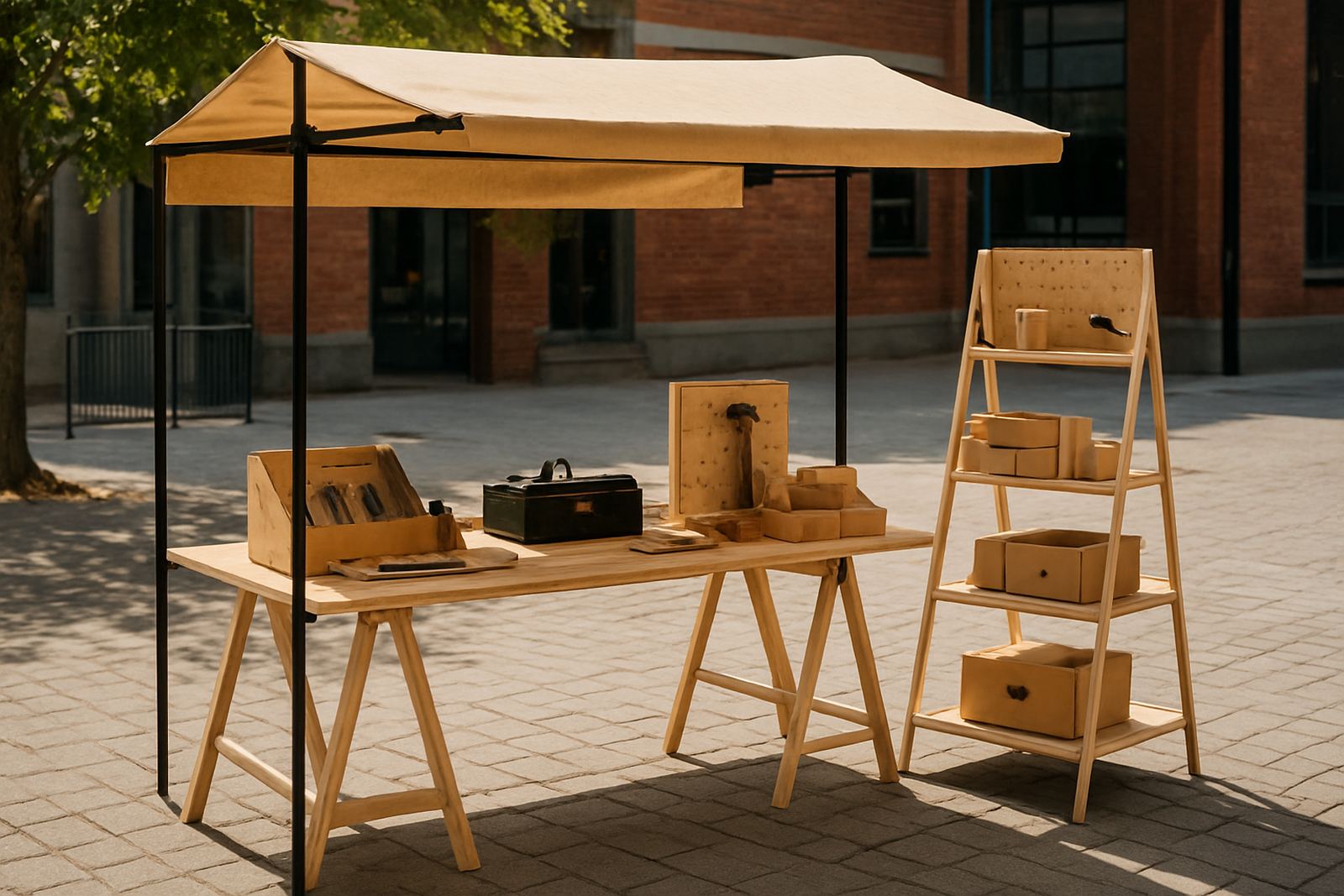
Set up storage so that people can return items where they belong without asking every time. Keep screws, drill bits, sandpaper and other consumables in marked containers. If a project kit is shared across a class, list what goes back in the box after each use. This is especially useful for school lab refresh work and event maker stations, where many hands touch the same items in one day.
A practical storage system also helps the budget. When consumables are tracked properly, a space knows what to reorder and when, instead of discovering shortages halfway through a workshop.
- Use clear labels and simple colour coding.
- Keep frequently used items at waist height.
- Separate personal storage from shared stock.
- Store batteries and chargers in a safe, dry place.
- Record breakages or missing items at the end of each day.
A Braamfontein example: culture built into the room
Picture a workshop in Braamfontein, close to student housing, shared offices and busy streets. The room is used by a class in the morning, a small team in the afternoon and a weekend maker group after that. If the culture is unclear, the space fills with half-finished projects, missing tools and stress. If the culture is planned, it feels organised from the first person through the door.
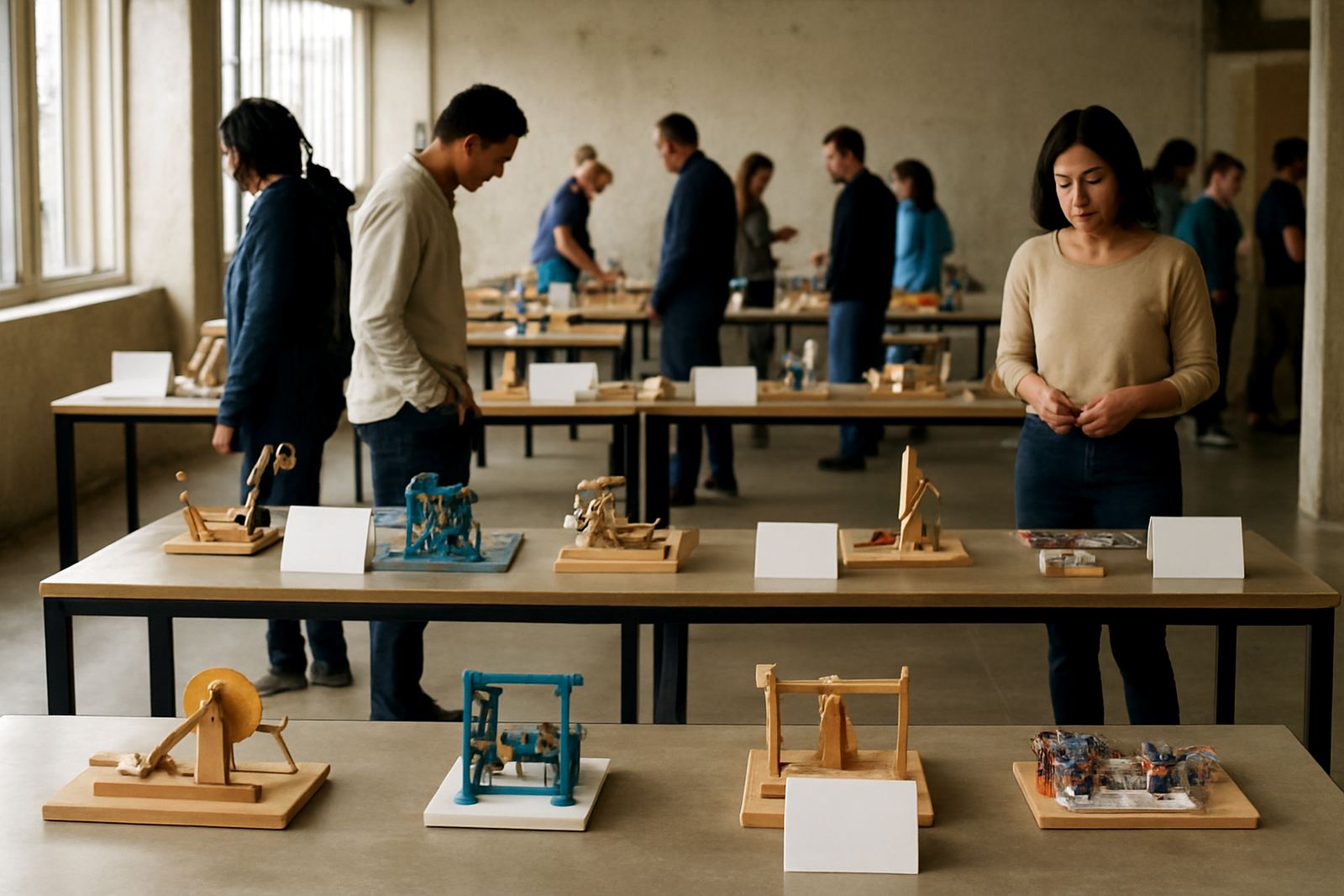
The strongest spaces usually start with a maker audit, then adjust the layout, safety signs, storage and onboarding process before the next group arrives. That may mean moving benches closer to power points, adding a charging shelf for battery tools, or creating a sign-out process for the more costly equipment. Small changes make a big difference.
For teams working in Johannesburg and beyond, this approach travels well. A venue in Midrand may need different flow than one in Cape Town or Durban, but the principle stays the same: when people know what to do, where to stand and how to leave the space, they treat it with more care.
What supportive workshop culture looks like day to day
Supportive culture is not a slogan on the wall. It is what happens when a newcomer gets shown the ropes, a facilitator notices a hazard early, and the last person out takes five minutes to reset the room. It is practical, repeatable and visible.
Spaces that build this habit tend to have fewer accidents, less waste and better turnout. People come back because the environment feels fair and useful. They learn quicker, ask better questions and finish more projects. That is what a good workshop should do.
For makerspaces, training rooms and school labs, the goal is not perfection. It is a room where respect is normal, curiosity is welcomed and progress keeps moving even when the day is busy.