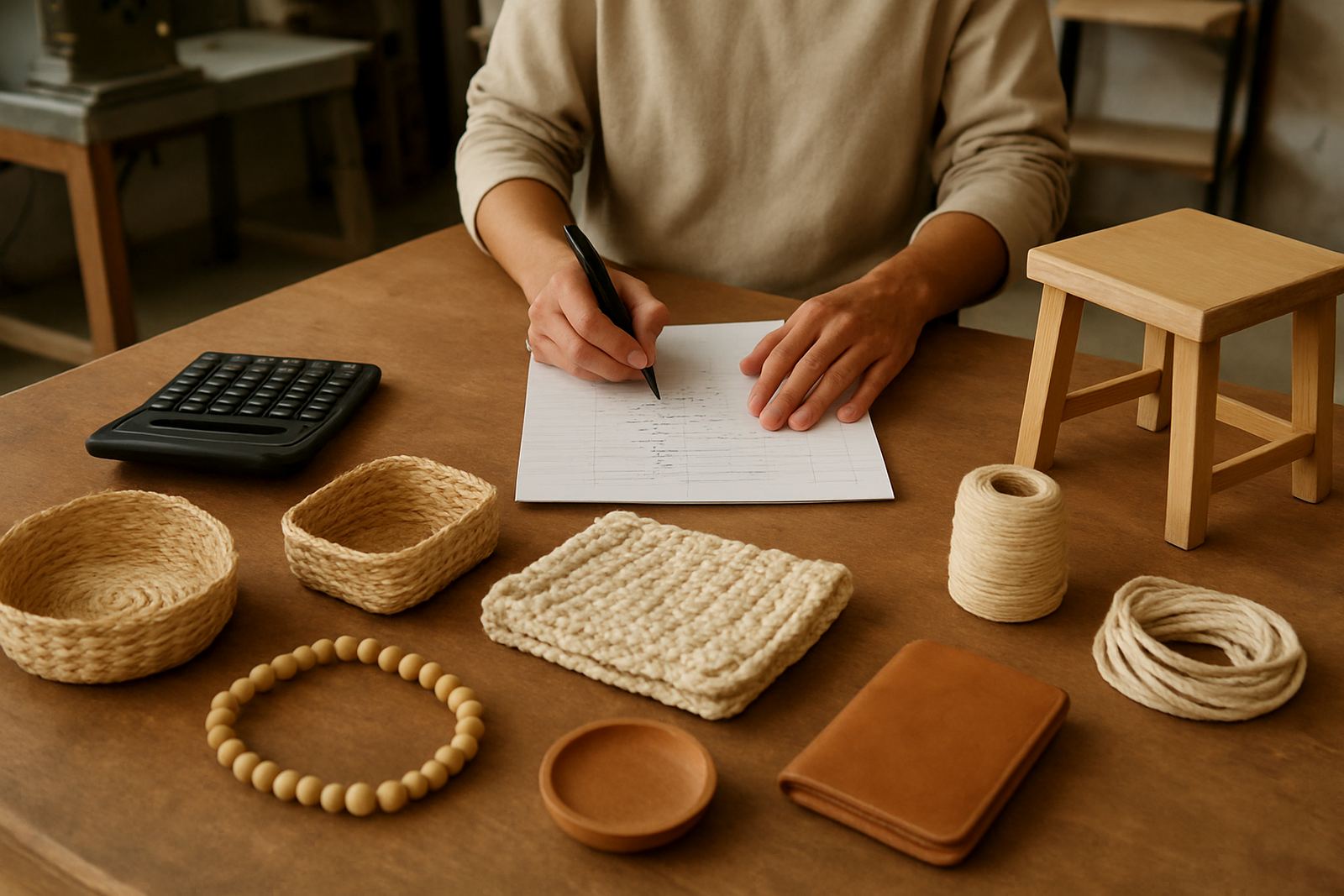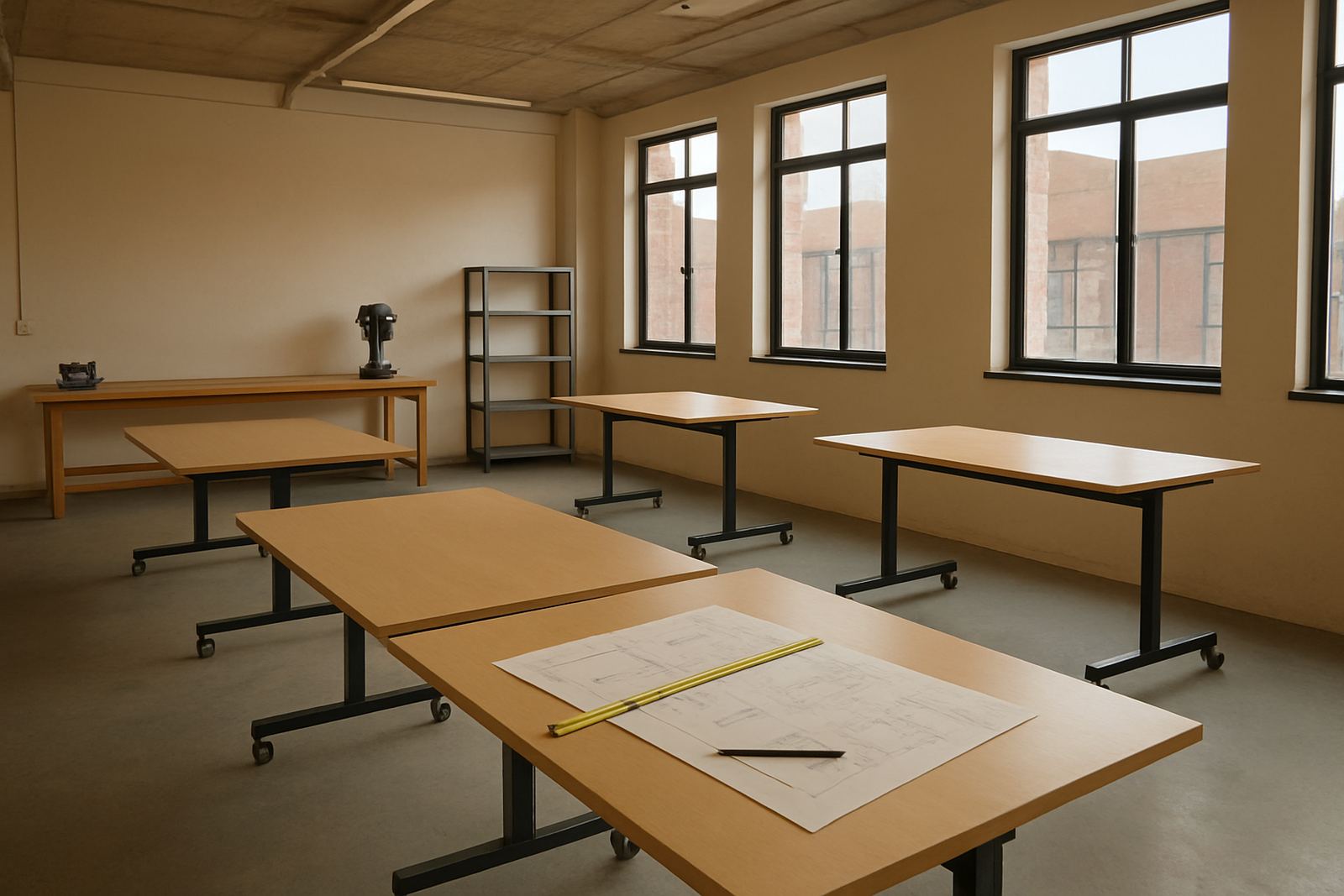
Start with a stall that can go up in 20 minutes
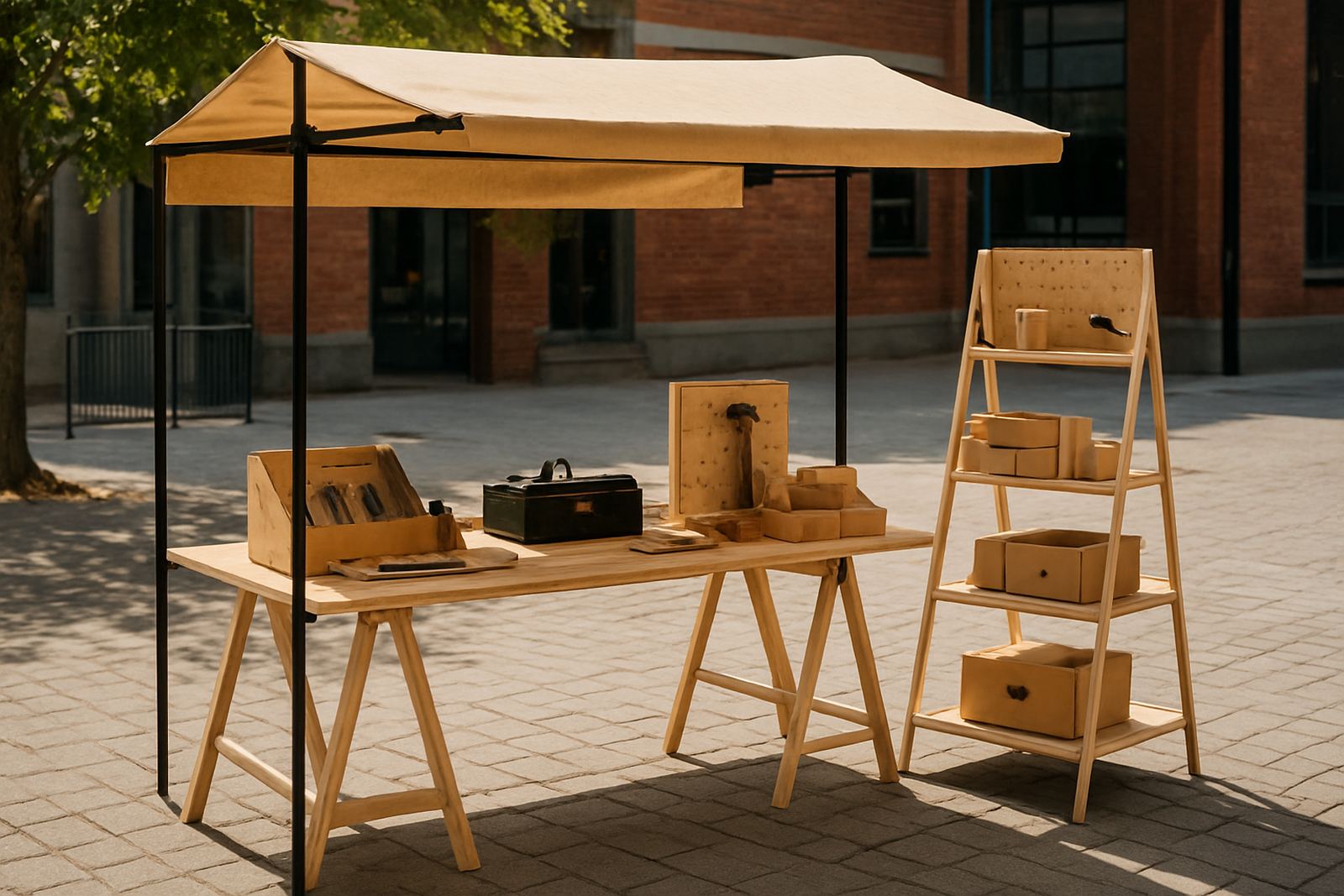
At a popup, speed matters. If you are still unpacking while shoppers are already walking past, you lose the first rush. Build your stall around a folding table, a clean table covering, clearly labelled tubs and one small display area for your best sellers. Keep the rest packed in the order you need it, not the order it was bought.
For most small sellers, a 2 m table is enough if the range is tight. If you sell larger items, use vertical space with crates, pegboard or a narrow stand behind the table. In Braamfontein or at a weekend market in Midrand, space is often limited and walkways can be narrow, so avoid anything that sticks out too far.
- Pack stock in numbered crates for faster unpacking.
- Use one crate for float, one for bags, one for backup stock.
- Keep price tags visible from 1 m away.
- Set up the till or card machine before the first customer arrives.
Choose stock that can travel and still look good
Popup trading is hard on product. Heat, dust, rain and repeated handling can damage items before the day is done. Choose stock that tolerates being moved around and displayed under mixed conditions. If you sell food, prints, accessories, tools or small home items, think about what happens when the day is hot in Durban or damp near the coast in Gqeberha.
Packaging should protect the item and help you sell it. Clear sleeves, small boxes, kraft bags and labels with simple use notes all help. If your stock needs assembly on site, test that process at home first. A product that takes five minutes to explain usually sells better than one that needs a long story and a lot of fiddling.
- Bring 10 to 20 percent extra of your fastest movers.
- Use packaging that fits in a box without crushing.
- Avoid glass or loose parts unless you can secure them well.
- Carry a few sample units, not your entire range.
Make payments easy when signal or power is weak
At many temporary markets, the biggest issue is not demand, it is payment. Network signal can be patchy and load-shedding can hit right in the middle of a busy hour. Do not rely on a single card machine or one phone battery. Charge everything the night before and carry a power bank that can handle the full day, plus a spare cable. A paper backup still helps for order notes and contact details.
Have several ways to take money. Cash is useful for small purchases and exact change, while card or instant transfer covers higher-value items. Display your payment options clearly so buyers know what to expect before they reach the front of the table. If your product is priced at R40, R120 and R250, make sure you can give change for R500 without slowing the queue.
- Test your card machine and data connection before leaving home.
- Keep a small cash float in notes and coins.
- Save an offline list of prices on your phone.
- Write down every order as it comes in, even if payment is digital.
Use signage that explains the product in one glance
People at popups move quickly. They may only stop for a few seconds before deciding whether to buy. A clear sign does more work than a long pitch. Use short product names, price points and one simple line on what makes the item useful. If the wording is too clever, shoppers can walk away without understanding what you sell.
Keep signs large enough to read from across the aisle. In a busy space near a student crowd in Braamfontein or a family market in Pretoria East, people will decide fast. If your product needs options such as size, colour or refill type, make that obvious. The less they have to ask, the faster your queue moves and the less pressure on your hands during the rush.
Good signage also helps when you are not at the table for a minute. It can answer the usual questions, saving you from repeating the same line twenty times in one hour.
Work the crowd without sounding pushy
Popup selling is part product, part conversation. The best approach is calm and helpful, not loud. Greet people, let them look, then step in with a short explanation if they pause. A shopper who has time to browse is more likely to buy than one who feels cornered. If you sell a practical item, lead with the problem it solves. If you sell a gift item, lead with who it suits and when it is used.
It also helps to know the three questions you will be asked most often and to answer them in one sentence each. This keeps the chat moving and shows confidence. In small markets around Sandton or Soweto, regular visitors will remember how you treated them, so a friendly tone matters as much as price.
- Ask open questions like: “What are you looking for today?”
- Offer a demo only if the customer seems interested.
- Do not block the table while speaking.
- Thank every visitor, even if they do not buy.
Review the day while the details are still fresh
The work after the popup is just as important as the trading itself. Count stock, note what sold first and write down what people asked for but could not find. That is how you improve the next event. If one item sold out in the first hour, bring more next time. If one product was ignored, maybe the price is off or the sign was too vague.
Also check what broke, what ran short and what slowed you down. Maybe the table was too low, the queue had nowhere to form, or your storage bins were awkward to lift. Small fixes can make a big difference at the next event. A better crate layout, a clearer price board and a stronger packing system can save you hours over a season.
If you trade often, build a simple checklist for setup, packing and close-down. It keeps the business steady from one venue to the next, whether you are at a school fair, a community hall or a market in Cape Town on a windy Saturday.