Arrive Ready, Not Just Curious
Before you walk into a makerspace, know what you want to do and what you need to bring. A bit of preparation goes a long way in a busy room where the laser cutter, soldering station, drill press, and hand tools may all be in use at once. If you are joining a session in Braamfontein, Sandton, or Durban, check the booking rules, access times, and whether you need to sign in before setting up. Showing up on time matters because a 20 minute delay can disrupt a whole group booking.
Good etiquette starts with simple preparation: read the induction notes, wear the right clothing, and make sure your project is suitable for the space. If your work creates fine dust, fumes, or loud vibration, ask first. In a shared setting, that courtesy helps the facilitator plan machine use and keeps everyone safer.
- Bring your own eye protection, hearing protection, and closed shoes if the venue requires them.
- Label your materials, especially timber offcuts, fasteners, and project parts.
- Arrive with measurements, drawings, or a cutting list so you can work efficiently.
- Check power needs, especially during load-shedding or when using equipment with higher current draw.
Use Tools Carefully and Return Them Clean
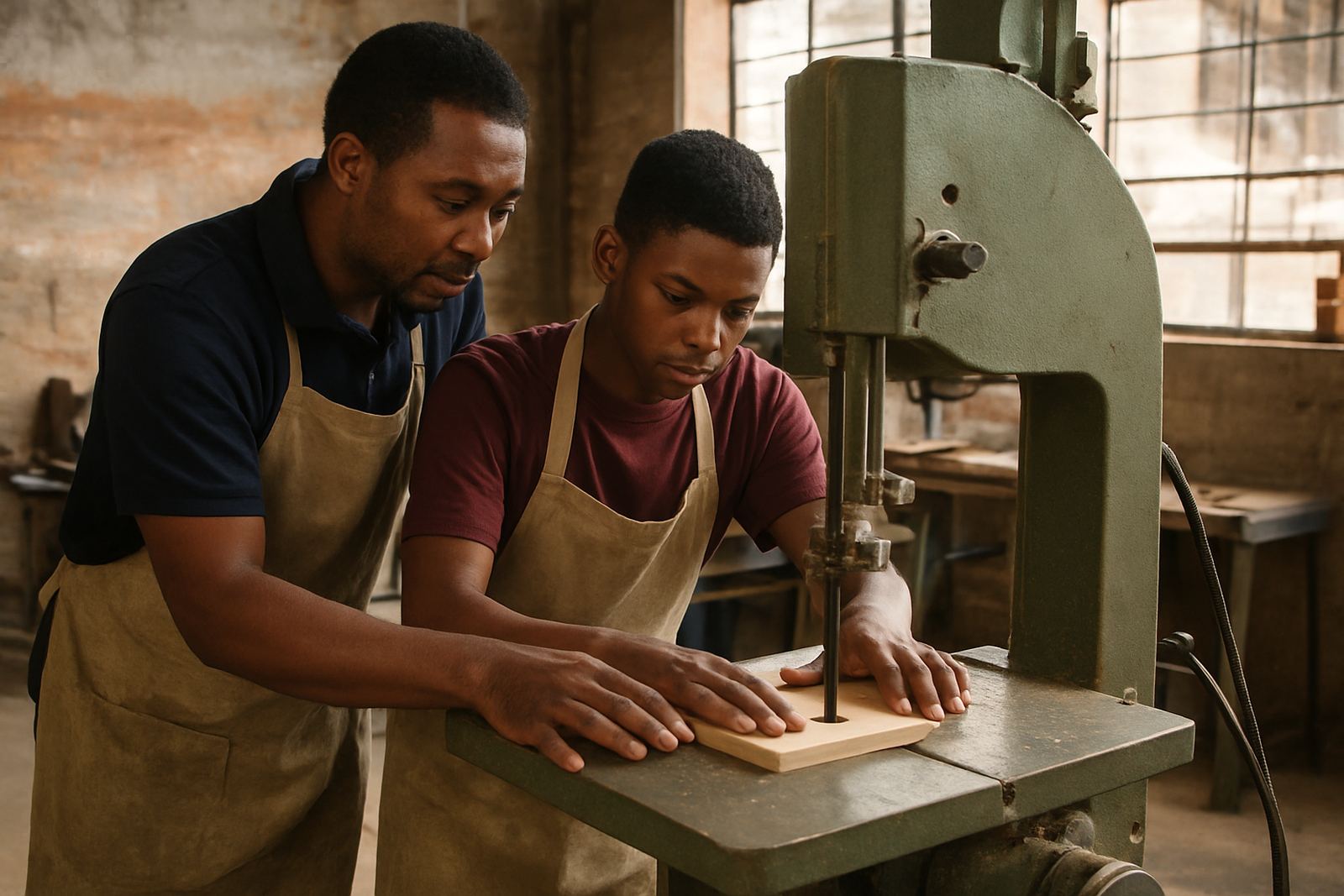
Shared tools are not private property, so handle them like they belong to the whole room. That means using the right tool for the job, not forcing a blade, bit, or clamp to do more than it should. If a tool feels loose, has a cracked handle, or sounds wrong when switched on, report it straight away rather than hoping it will last your session. One damaged tool can slow down the entire workshop.
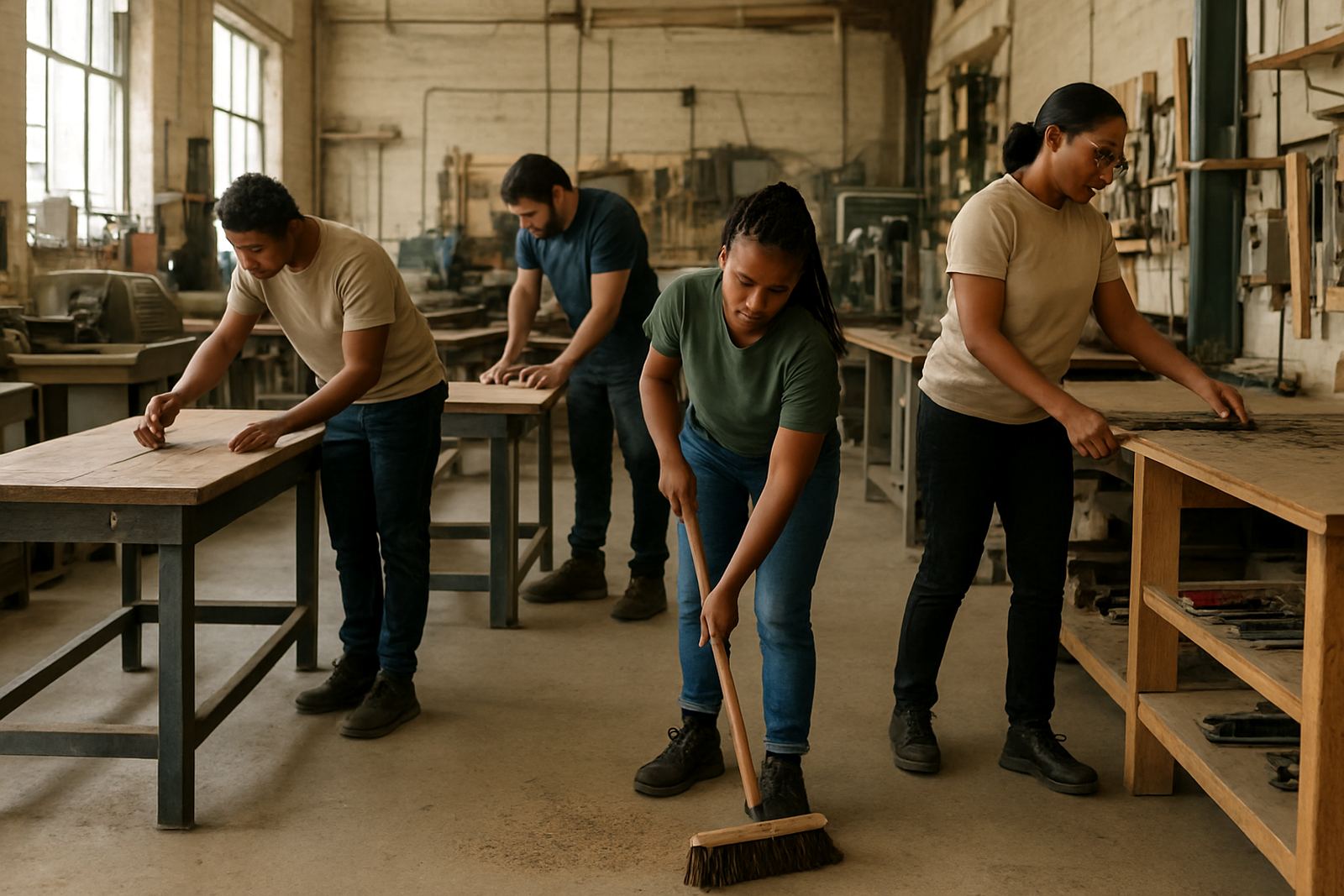
Returning tools clean is just as important as using them properly. Wipe down benches, clear sawdust, unplug equipment where needed, and place items back where they were stored. If you used adhesives, paint, or resin, make sure lids are closed properly so the next member does not find a dried-out tube or a sticky workspace. At a busy venue in Pretoria East or Cape Town, that small effort keeps the next person from losing half an hour to cleaning before they can start.
- Inspect tools before use and after use, not only when something breaks.
- Use the correct settings and guards on machines, and never bypass safety features.
- Return clamps, rulers, drill bits, and cords to their marked storage spots.
- Report missing items early so they can be replaced before the next booking.
Keep the Workspace Tidy and Easy to Share
In a communal workshop, clutter becomes a problem fast. Offcuts on the floor, open boxes under benches, and loose cables across walkways create trip hazards and make the room harder to use for everyone. A tidy bench is not about being fussy, it is about keeping the space efficient and safe. If you spread out across three work tables for a small task, others may not have room to set up their own work.
Think in zones. Keep active work on the bench, keep spare materials together, and keep personal items in the storage area or locker provided. If your project needs extra room, ask the facilitator before moving things around. In shared spaces, one person’s organised system can quickly become another person’s confusion, so a clean label on boxes, bins, and shelves helps everyone find what they need.
- Keep walkways clear for trolleys, tool carts, and emergency access.
- Use bins for offcuts, scrap paper, and general waste rather than piling things in corners.
- Do not leave sharp objects, hot items, or chemical containers unattended.
- At the end of the session, spend five minutes resetting your bench for the next user.
Share the Space Without Taking Over
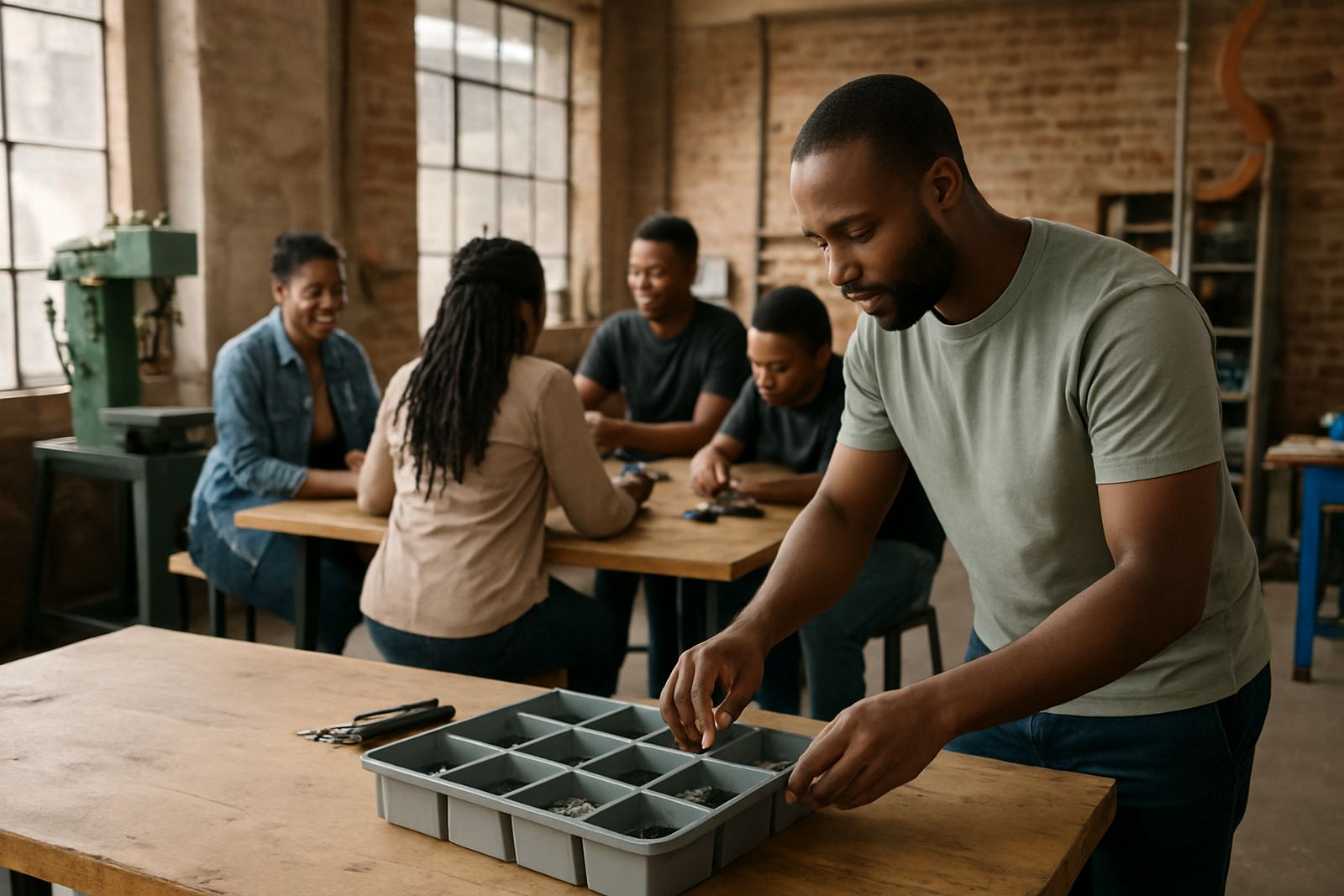
Maker spaces work because people with different skills use them side by side. One person may be cutting timber while another is soldering a circuit and a third is assembling a display for a school project. That mix only works when everyone respects the rhythm of the room. Keep your voice at a reasonable level, avoid long personal calls near active stations, and be aware that others may be concentrating on fine detail work.
It also helps to ask before borrowing. Need a ruler, extension cord, or set square from a neighbour? Ask first, then return it promptly and in the same condition. If you are working on a larger team build, agree on who is using which tools and where finished parts will be stored. Clear communication prevents mix-ups, lost parts, and arguments over missing materials.
For community projects in Soweto or Gqeberha, this matters even more because the space may host mixed groups such as learners, hobbyists, and small business teams on the same day. Respect keeps the mood steady and makes it easier for people to help one another.
Respect Safety Rules, Especially in Busy Sessions
Safety is not a formality. It is the set of habits that keeps a workshop open and usable. Follow the induction, wear the required gear, and listen when a facilitator explains the correct order of operations. If a machine has a sign-out process, use it. If a section is restricted to trained users, do not assume you can learn by trial and error in a live session. It is better to ask for a demonstration than to damage equipment or injure yourself.
Be especially careful with power cuts and changing light conditions. In South Africa, load-shedding can interrupt a cut or a machine cycle, so check the reset procedure before restarting anything. If the space uses backup lighting or battery power, keep your work area organised so you can pack up safely if the session changes. Also mind ventilation in rooms that use solvents, solder, or laser cutting, since coastal humidity in Durban or Gqeberha can affect drying times and storage conditions.
- Do not wear loose sleeves, scarves, or jewellery near moving parts.
- Keep first aid supplies accessible and know who to call if there is an incident.
- Store chemicals, blades, and hot tools in the correct place after use.
- Never leave a machine running unattended.
Leave the Space Better Than You Found It
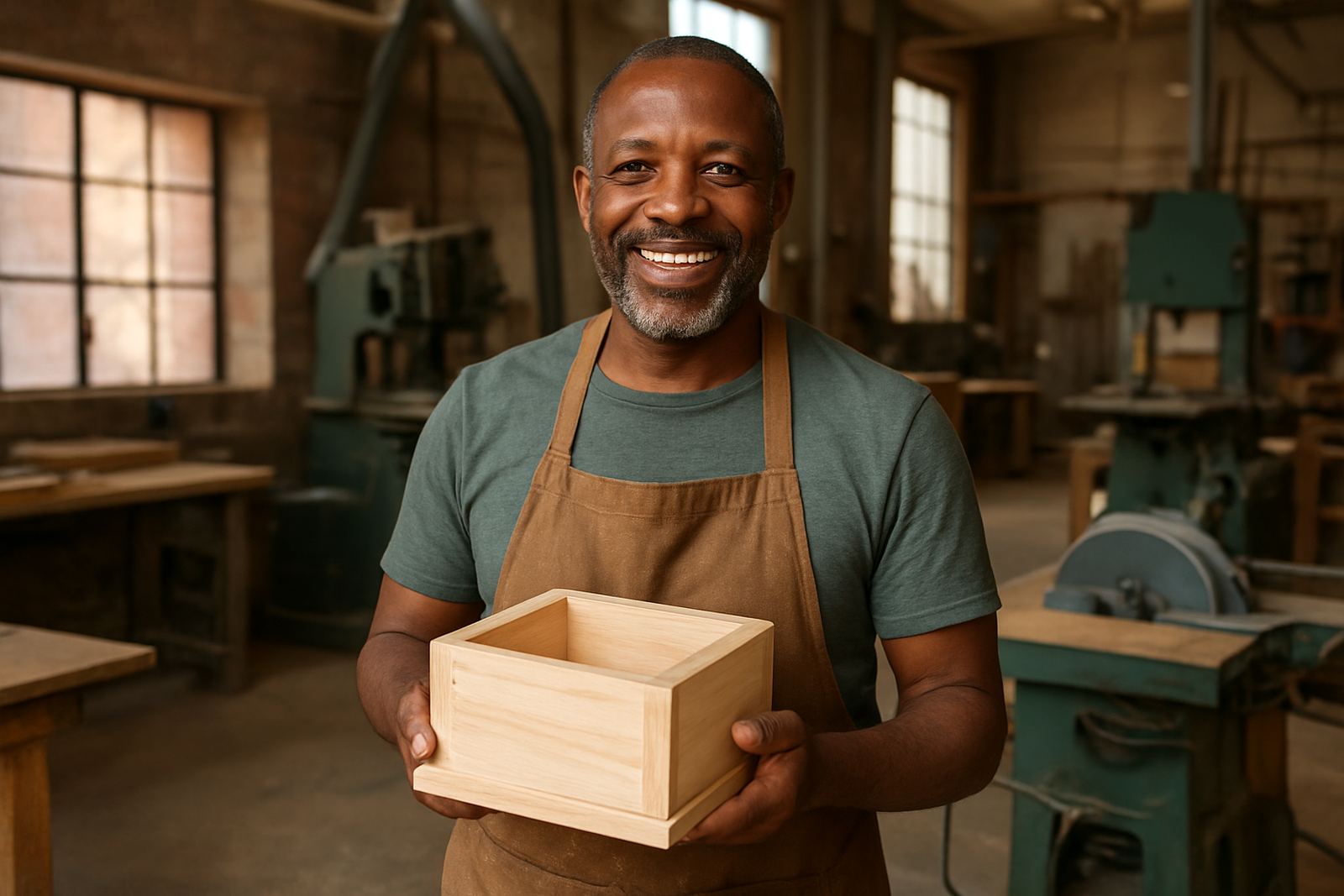
Good etiquette does not end when your project is finished. The best members leave the room in better shape than they found it, even if they arrived to a busy bench or a slightly messy shelf. That might mean sweeping the floor, topping up consumables where asked, or telling the facilitator that a light fitting is flickering. Small acts like that keep the space usable for the next class, team session, or weekend build.
If you are part of a school group, startup team, or community repair session, nominate one person to check the final reset before you go. Make sure all tools are counted, your materials are packed, and your work is labelled clearly if it needs to stay behind. Shared spaces rely on people who notice the details and take responsibility without being asked twice.
At its best, maker space etiquette is simply respect in action. You respect the tools, the room, the facilitators, and the next person through the door. That habit makes the whole place more useful, whether you are in Midrand for a weekday workshop or joining a training venue on the other side of the country.