Why your hands remember what your ears miss
Reading a guide or watching a demo can get you started, but the real learning begins when you pick up the tool and do the task yourself. In a workshop, your body starts to notice what your mind has not yet filed away, how much pressure to apply, where to stand, when a cut starts to drift. That kind of memory is hard to fake and even harder to forget.
This is why practical training works best in short repeats. One attempt shows the theory, the next attempt shows the mistakes, and the third or fourth attempt usually shows the better method. With tools, materials, and safety gear in front of you, the lesson becomes concrete instead of abstract.
- Repetition helps you build muscle memory for safe, steady movements.
- Real material teaches you how timber, metal, plastics, and fasteners behave.
- Small corrections become easier to notice and fix early.
What passive learning misses in a South African workshop
South African makers often work with practical limits that a textbook does not mention. Load-shedding can interrupt a session halfway through a cut or soldering task, and high coastal humidity can change how timber stores or how certain materials settle. In places like Durban or Gqeberha, you also need to think about moisture, rust, and safe storage. In Johannesburg, dust, power dips, and shared benches bring their own habits and risks.
That means the best training is not only about skill, it is about conditions. Learners need to know how to restart after an interruption, how to store consumables properly, and how to keep a workspace tidy when several people are using the same area. These are not side issues. They are part of the skill itself.
- Plan tasks around power cuts where equipment depends on electricity.
- Use labelled storage so small parts do not vanish between sessions.
- Keep PPE and safety signs visible near shared stations.
A Braamfontein example: from watching to making
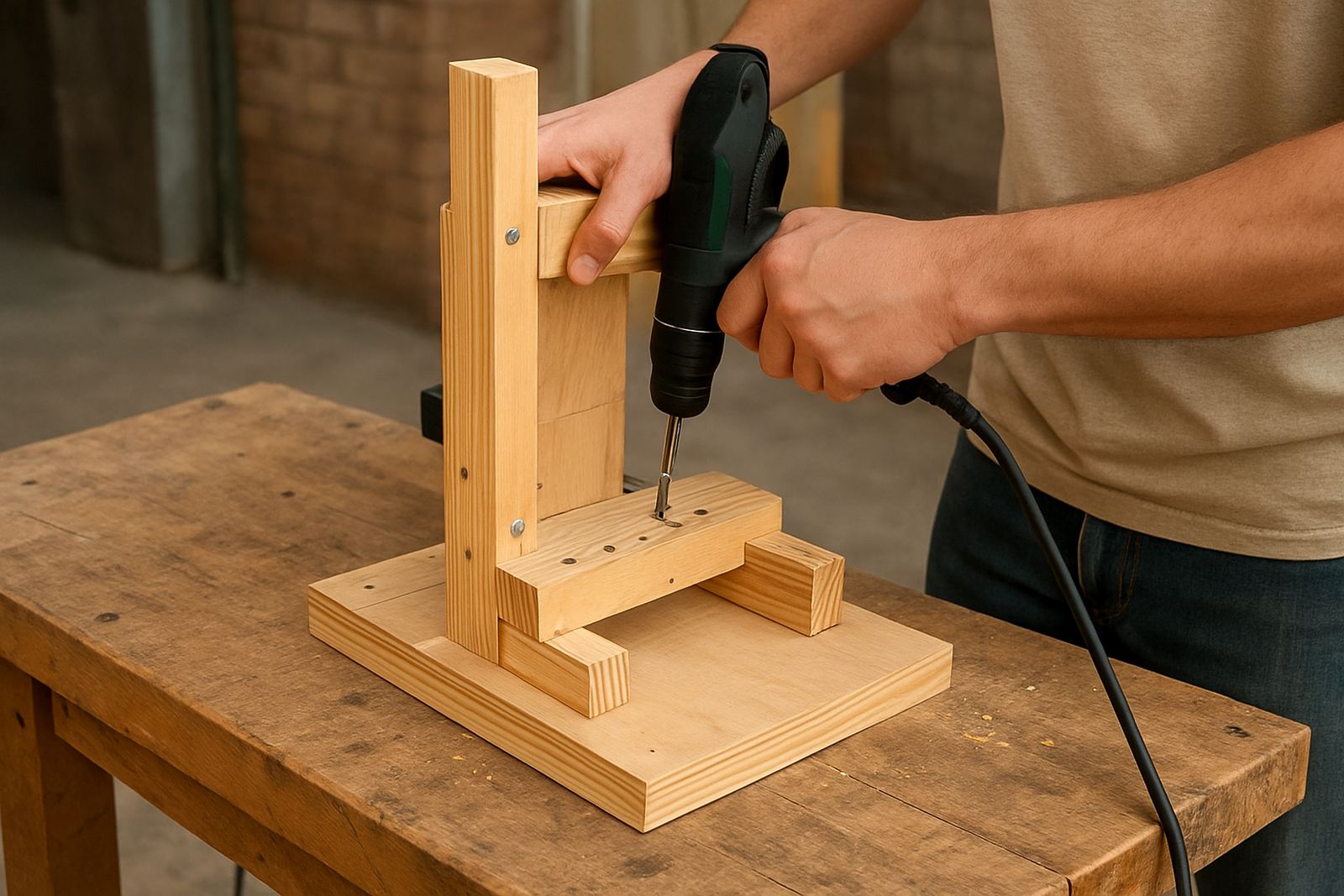
Take a first-time learner in Braamfontein who wants to build a simple storage unit for a home studio. A video can explain the basic layout, but it will not tell them how a panel shifts when a clamp is too loose or how a screw behaves in soft board compared with hardwood. In a hands-on space, they can mark, measure, cut, assemble, and then do it again with a better result.
That cycle matters because the learner leaves with more than a finished item. They leave with a process they can repeat. The second build is usually cleaner, faster, and less stressful. By the third build, they are not asking what each tool does. They are deciding which tool is the right one for the job.
- Measure twice, cut once, then check the fit before final assembly.
- Use offcuts for practice so mistakes do not waste full sheets.
- Keep a simple notebook of measurements, fixes, and tool settings.
How repetition builds safer habits
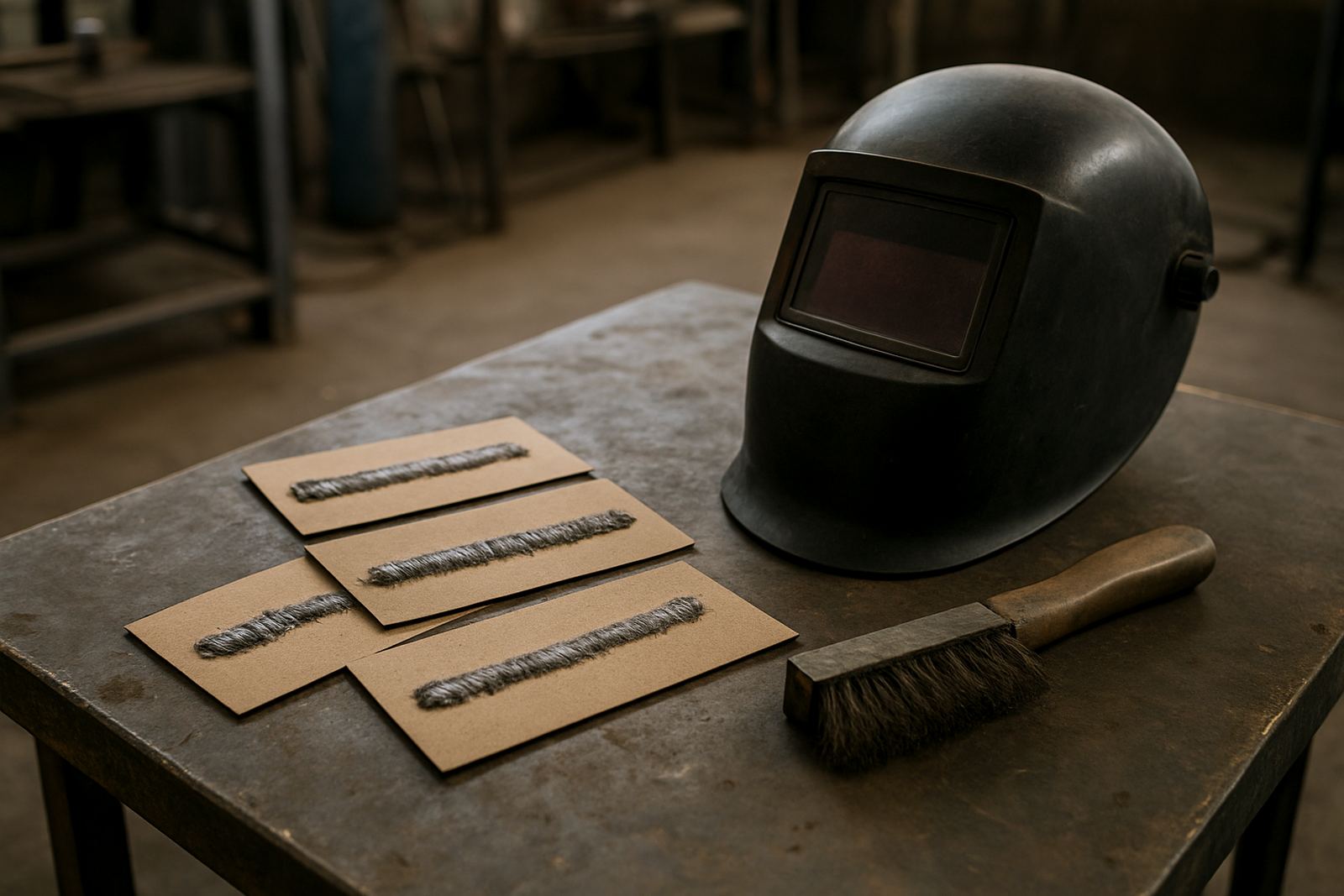
Safety is easier to learn when it is repeated in real conditions. A learner who only hears about gloves, goggles, dust masks, and machine guards may understand the rules in theory, but a learner who has to check them before every session begins to treat them as normal. That habit protects both the person and the people working nearby.
In shared maker spaces, this matters even more. One rushed action can affect everyone in the room. Repeated practice teaches learners to look around, clear benches, confirm power status, and store sharp tools properly. Good habits become automatic only after they are used often enough to feel ordinary.
- Start every session with a quick safety check and tidy bench.
- Assign each tool back to its place after use.
- Build a habit of testing equipment before a full run, not after.
Starter kits work best when they are used, not just opened
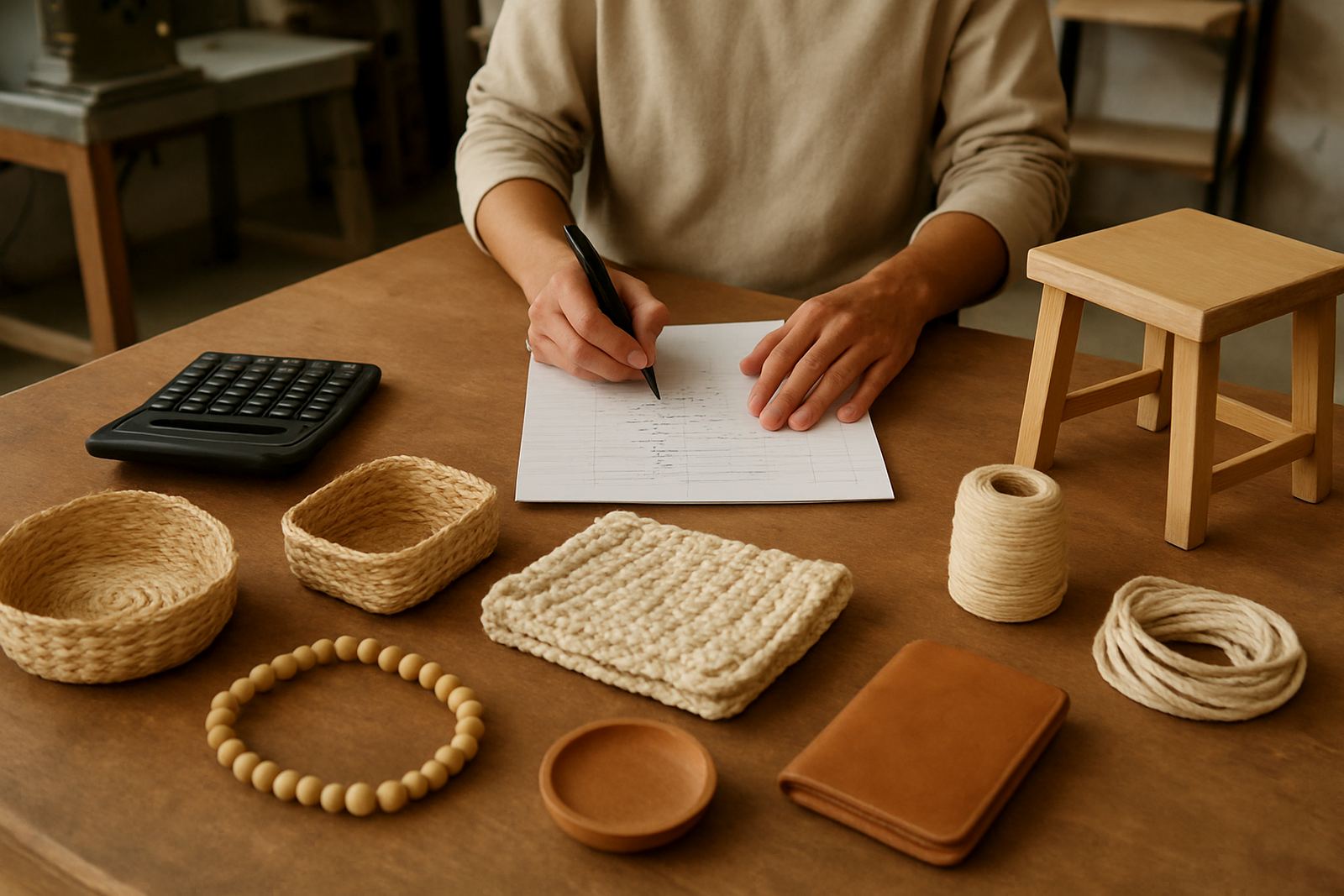
A starter kit should not sit in a box waiting for the perfect weekend. It should be opened, sorted, and used in small steps. That is where confidence starts. A learner who assembles a first project from a kit learns more than the instructions can teach, because they see how parts fit, where instructions can be unclear, and how much patience a neat finish takes.
For teams, schools, and community groups, starter kits are especially useful when they are matched to the space and the people using them. A kit for a compact room in Soweto will not be set up the same way as one for a larger training venue in Pretoria East. Storage, access, and maintenance all need to suit the actual room, not an imagined one.
- Break one kit into several short sessions instead of one rushed build.
- Sort consumables before starting so nothing is missed mid-task.
- Match the kit to the space, storage and user skill level.
Why maker spaces keep skills alive after training ends
The strongest learning happens when training and practice continue in the same place or within the same network. A good maker space gives people room to return, try again, ask questions, and improve. That is why a directory of maker spaces matters. It helps learners find a nearby place where they can keep going after the first lesson is done.
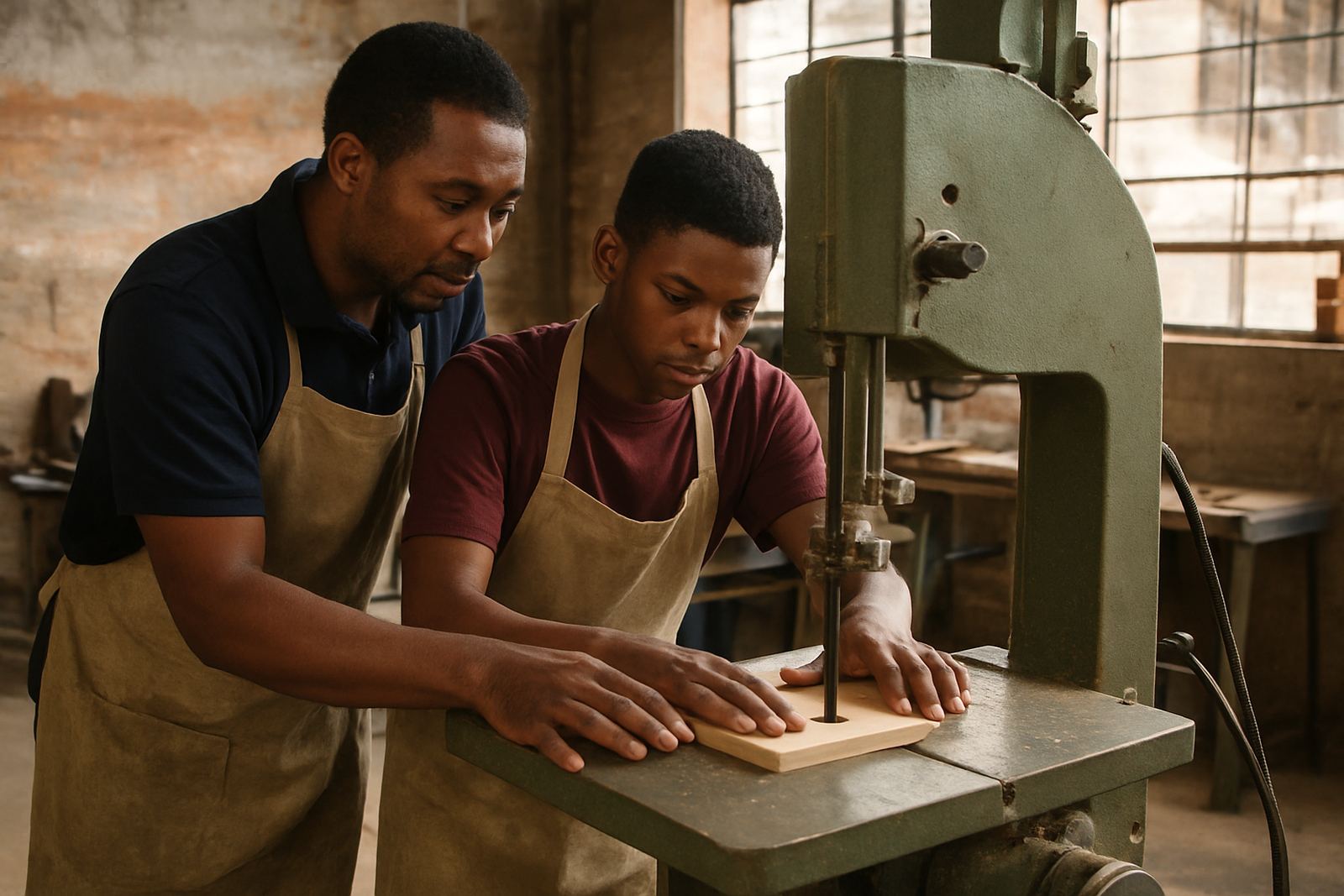
When people can move between training venues, shared workshops, and community spaces, they are more likely to finish projects and start new ones. They also build relationships with facilitators, technicians, and other makers who can help when a machine acts up or a project needs another pair of hands. Learning by doing is rarely a solo effort, and that is part of its strength.
For schools, startups, and small teams, the practical answer is simple: keep the learning cycle close to the work. Plan the space properly, support the facilitator, check the tools, and let people practise until the steps feel natural.