What a jig really does in a South African workshop
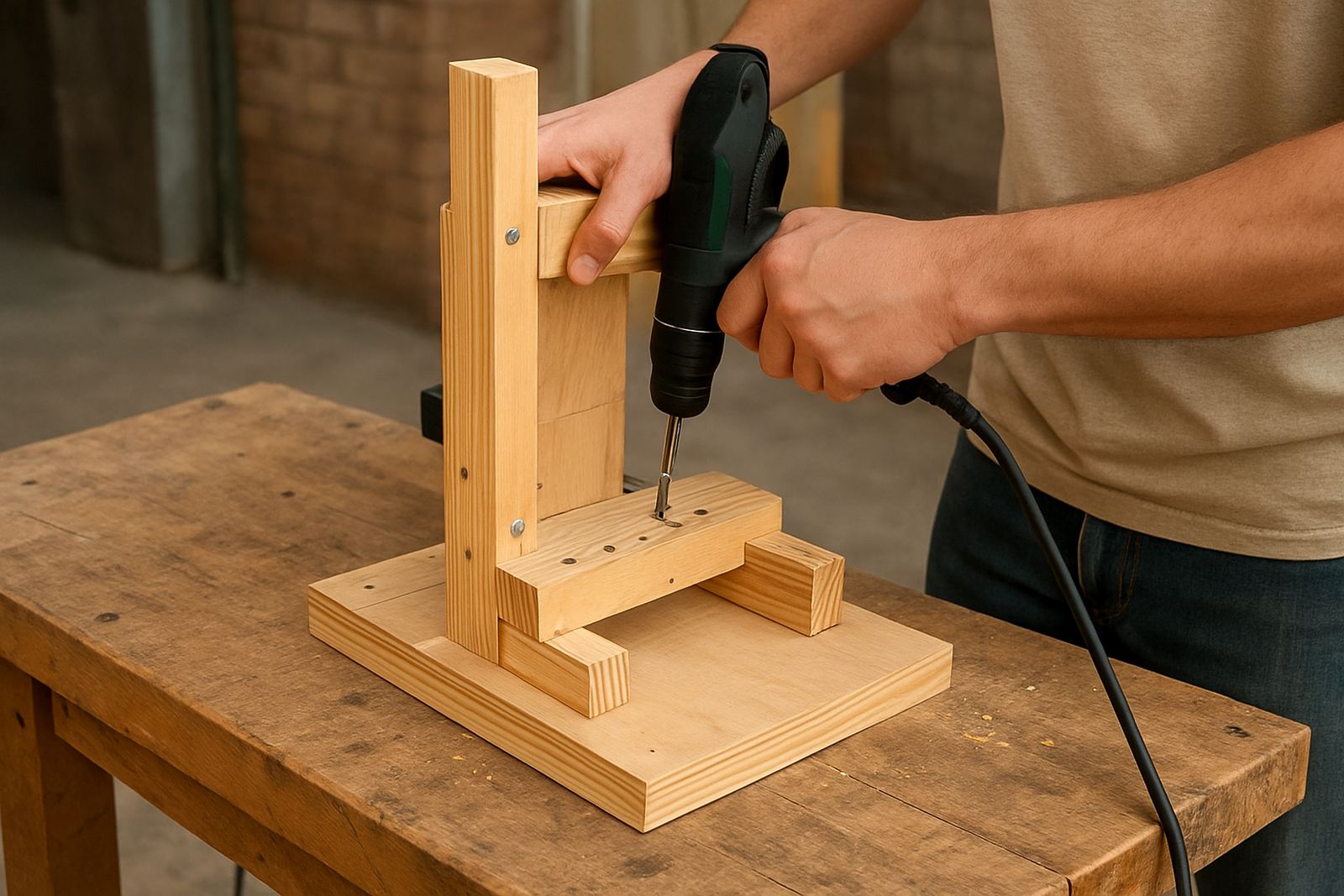
A jig is a simple guide that holds a piece in the same position so the same cut, hole, bend or assembly can be repeated with less effort. It can be as basic as a stop block on a saw table or as specific as a drilling guide for a batch of timber brackets. The point is not fancy hardware, but consistency.
In Johannesburg, where many makerspaces and school labs run on tight timetables, that consistency matters. When learners, technicians and small teams share equipment, a jig reduces the time spent measuring each part from scratch. It also lowers the chance of someone shifting a workpiece by a few millimetres and ending up with a part that no longer fits.
Why repeatability beats careful guesswork
Many workshop delays come from small variations. One person marks out with a tape measure, another uses a square and a third trusts the eye. By the time a batch of ten parts is ready, no two pieces match properly. A jig removes most of that variation and makes the process easier to teach to new users.
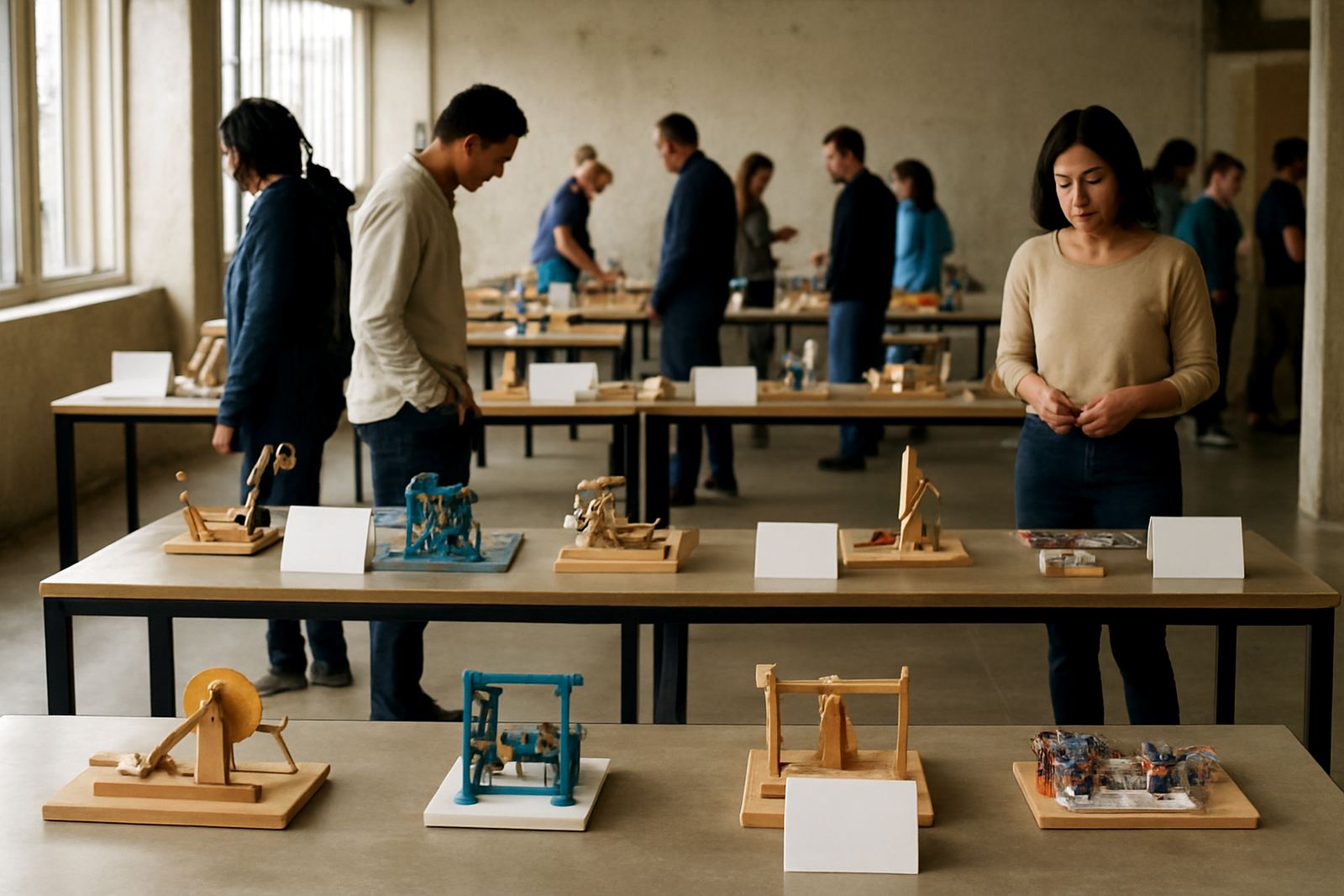
This is especially useful where training is part of the workflow. In a Braamfontein makerspace or a school lab refresh, the facilitator can show the jig once, then the group can produce clean results with less supervision. That frees the trainer to focus on safe technique, machine settings and quality checks, not constant re-explaining.
- Less time spent marking each part
- Fewer mismatched holes and angles
- Faster handover between users
- More even results across a batch
Jigs that pay off first
You do not need complex fittings to start saving time. The best jigs are usually the ones that solve a repeated problem in a simple way. A timber cutting stop, a drilling template, a router guide or a corner-clamping aid can remove the same small delay dozens of times in one week.
For startup spaces and training venues, the first jigs should match the most common jobs. If your team keeps making shelf units, build a spacing jig for shelf supports. If there are regular sign boards or display panels, make a drilling template for mounting points. If the same bracket is being assembled by different users, add a layout board with clear locating pins.
- Cutting stops for repeated lengths
- Drilling templates for matching hole patterns
- Assembly boards for square corner builds
- Angle guides for repeat bends or mitres
- Labelled storage trays for jig parts and clamps
How jigs help when load-shedding interrupts the day
In South Africa, power cuts can break a work rhythm just when a team is getting through a batch. A jig helps because it shortens the setup time once power comes back. Instead of re-measuring and resetting every tool after the outage, the team can pick up the same repeatable process and carry on.
That matters in spaces with shared booking slots, especially where the next group is waiting. If the saw table, drill press or bench area is already set up with a jig, the first few parts after load-shedding are not spent on calibration. They are spent on production. The same goes for battery tools and portable workstations at event maker stations, where time and battery life both need to be used carefully.
A local example from Braamfontein to Soweto
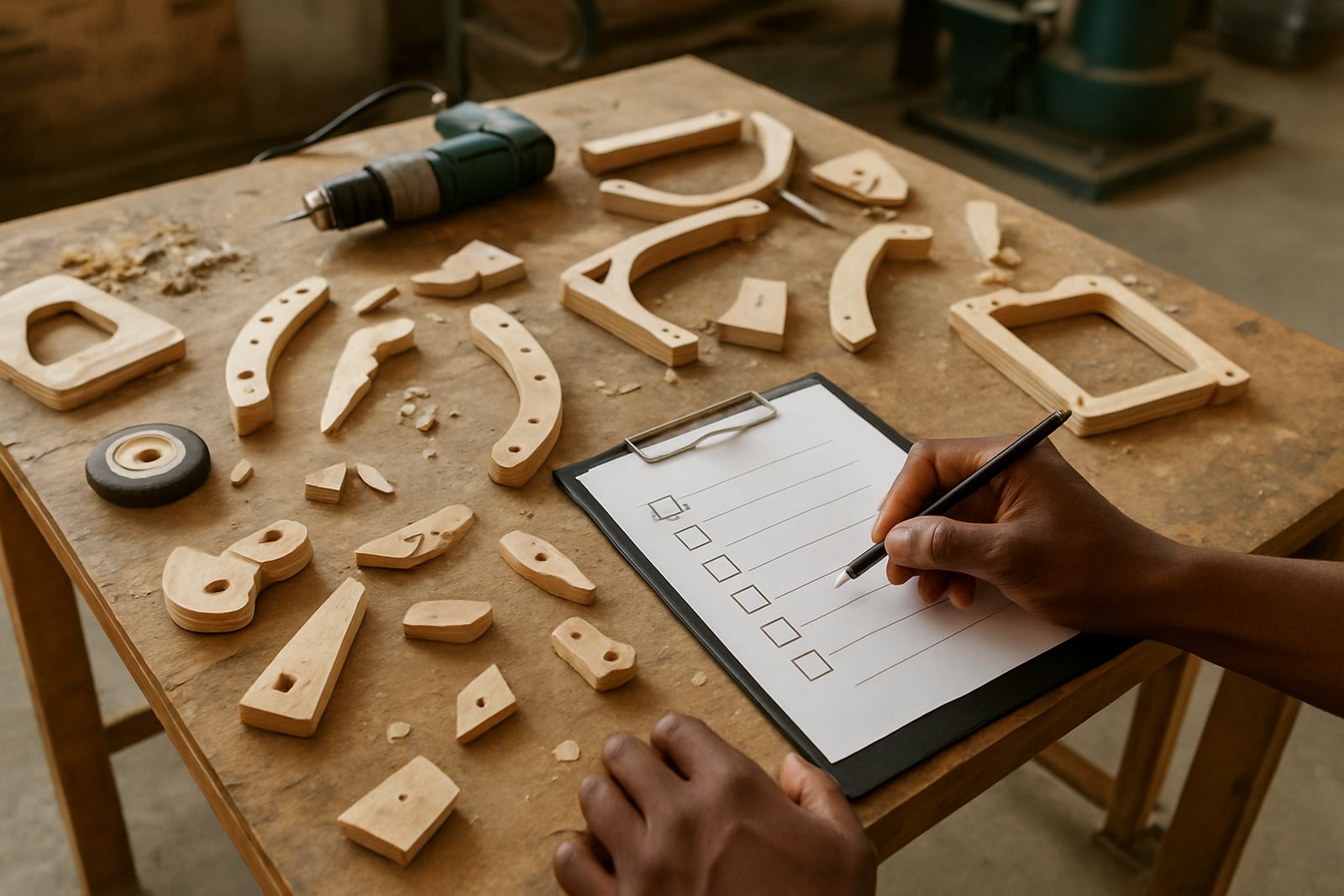
Consider a small team making 40 timber display frames for a community market in Johannesburg. Without jigs, every frame takes extra measuring, checking and correction. One person marks the timber, another drills, and a third has to sort out parts that are just slightly off. It is slow, and the pile of offcuts grows fast.
With a drilling jig and a stop block, the same team can produce frames more steadily. The first frame is set out carefully, then the jig locks in the spacing for the rest. In a space shared by students, hobbyists and small enterprises from Soweto to Sandton, that saves time on the whole run and leaves the tools ready for the next user. It also makes it easier to train a new helper without slowing everybody else down.
Building jigs into the way a space operates
Jigs work best when they are treated as part of the system, not as an afterthought. That means storing them near the machine they support, labelling them clearly and checking them for wear. A warped guide board or loose stop can create the same problems a jig was meant to prevent.
Good space planning also helps. If the tool zone layout places a jig station close to the saw area, there is less walking back and forth. If storage solutions keep fasteners, clamps and spacers together, users spend less time hunting for parts. For member onboarding, a short demo on the main jigs can make new users far more productive by the end of their first session.
- Keep each jig with the machine it supports
- Mark the correct measuring points clearly
- Check stops and clamps during maintenance checks
- Replace worn guides before they affect batches
- Include jig use in onboarding and facilitator support
Better production is often simpler than people expect
Most workshops do not need more complexity. They need fewer repeated decisions in the middle of a job. A well-made jig answers the same question every time: where does this part go, and how do we keep it there? That single answer can save hours over a month.
For teams across Johannesburg, Pretoria East, Durban, Cape Town and Gqeberha, the lesson is the same. If a task comes up again and again, build a repeatable aid for it. The result is cleaner work, less waste and a calmer floor when the pressure is on. Sometimes the smallest tool is the one that makes the biggest difference.