Why teen making works better when skills are combined
Young people learn faster when they can see how code, circuits and materials fit together. A teen who writes a few lines of code and then watches a motor spin or a light flash understands cause and effect in a way that a textbook alone cant match. That is why youth programmes should mix digital and hands-on work from the start.
In South Africa, this matters because many schools and community groups are trying to do more with limited time, space and budgets. A good programme can be run in a classroom in Braamfontein, a library room in Soweto, or a community hall in Durban as long as the tools, tables and supervision are planned properly. The aim is not to turn every learner into an engineer overnight. It is to build confidence, problem-solving, and the habit of finishing a project.
What a teen makerspace needs on the floor
The setup must be simple, safe and easy to reset between sessions. Teens work best when each station has a clear purpose and there is no confusion about where tools belong. Good layout also reduces breakages, lost parts and arguments over chargers or scissors.
- A coding table with laptops, charging points and enough plug points for load-shedding backup
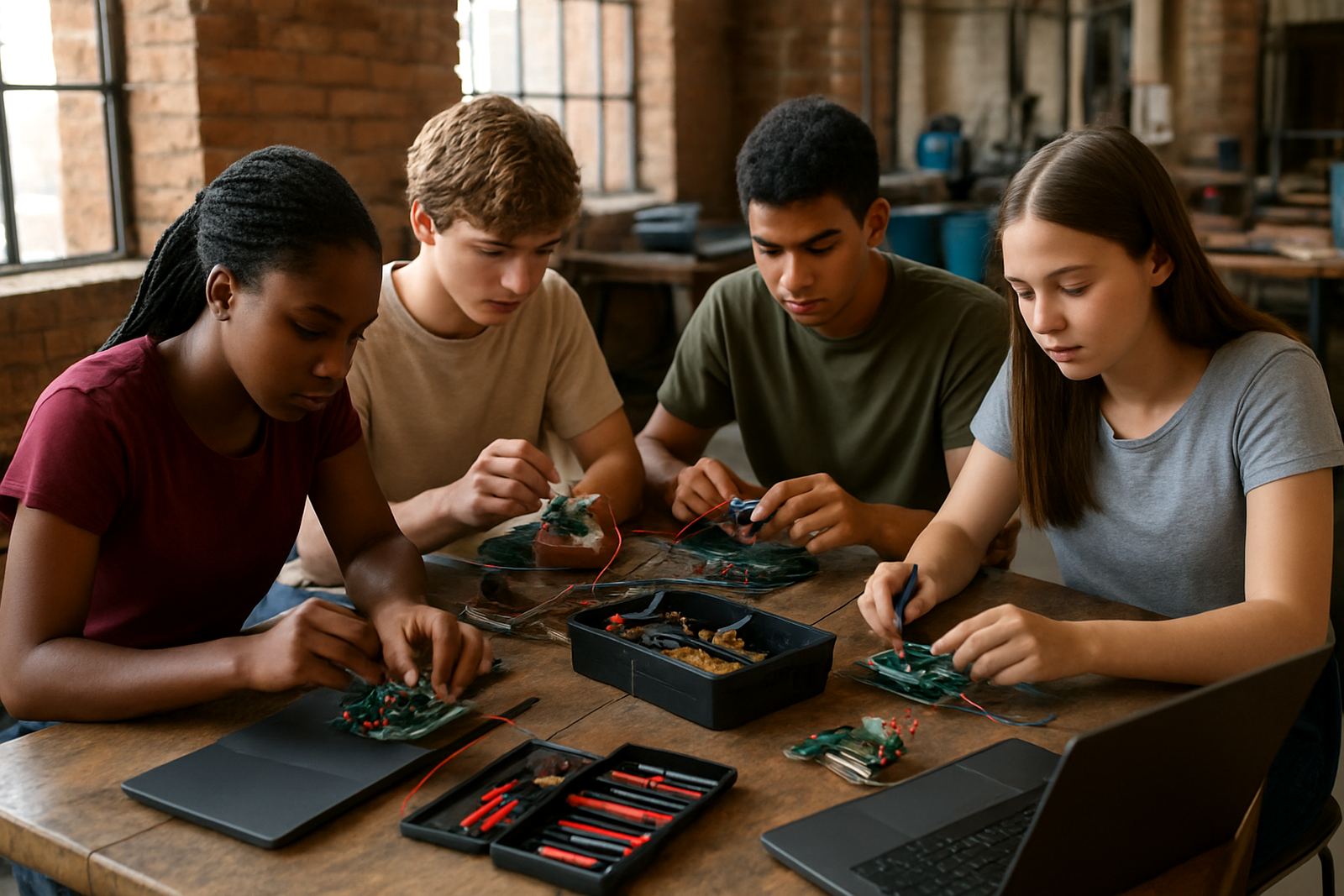
- An electronics bench with low-voltage kits, labelled components and storage tubs
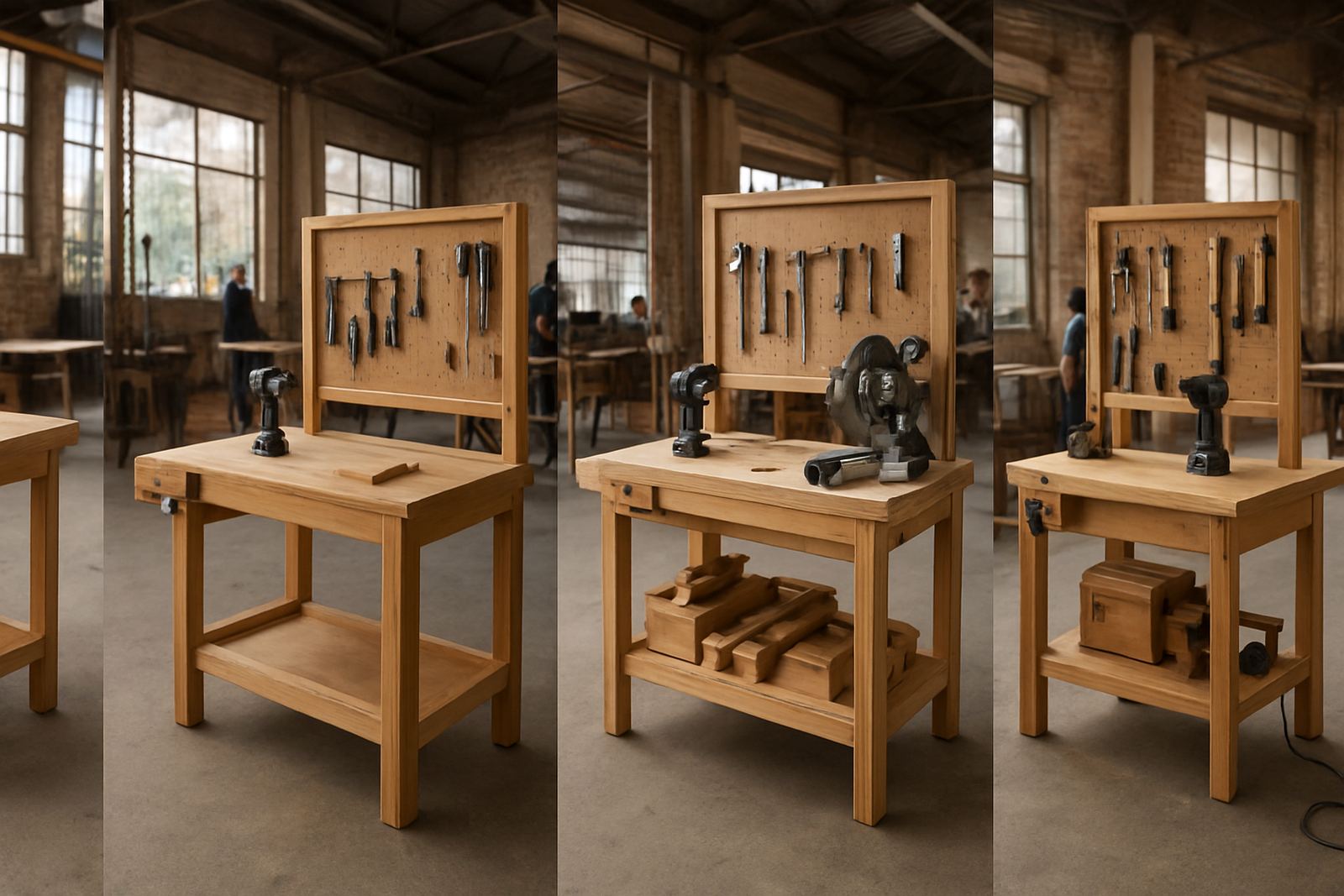
- A fabrication area with hand tools, cutting mats and sturdy work surfaces
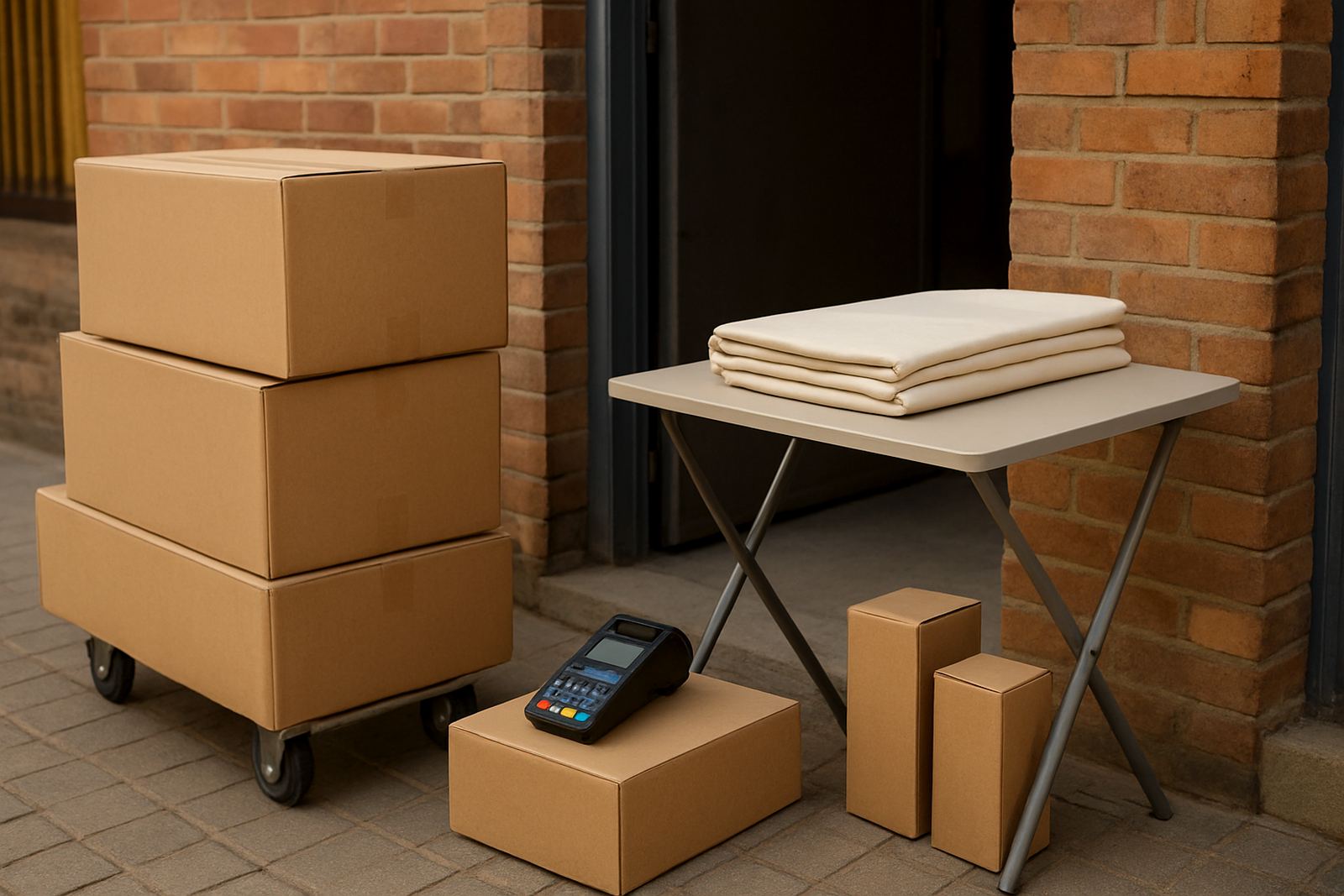
- A clean zone for packing kits, testing boards and checking finished items
- Visible safety signage, basic first-aid access and a sign-in point for learners
It also helps to separate noisy work from focused work. Teens soldering wires should not be next to a group recording a pitch video or testing software. If the space is tight, use marked zones and rotate groups every 30 to 40 minutes so no one area gets crowded.
Starter kits that suit South African youth programmes
The best starter kits are the ones teens can complete in one or two sessions, then take home and improve. If a kit is too advanced, the learner loses interest. If it is too basic, the learner gets bored. A balanced kit builds one skill at a time and gives a visible result quickly.
For local groups, the kit should also reflect South African realities. Parts need to be easy to replace, storage must handle dust and heat, and instructions should assume that power cuts may interrupt the session. In coastal areas, especially around Gqeberha and Durban, sealed storage helps protect components from moisture. In Johannesburg, where programmes often run after school, compact kits are easier to carry on taxis and safer to store.
- Microcontroller kits for lights, sensors and simple automation
- Basic electronics packs with breadboards, jumper wires and resistors
- Cardboard and lightweight wood fabrication packs for structures and prototypes
- Safety items such as goggles, gloves where needed and clear labelling
- Consumables like tape, glue, cable ties, batteries and spare connectors
Teaching methods that keep teens engaged
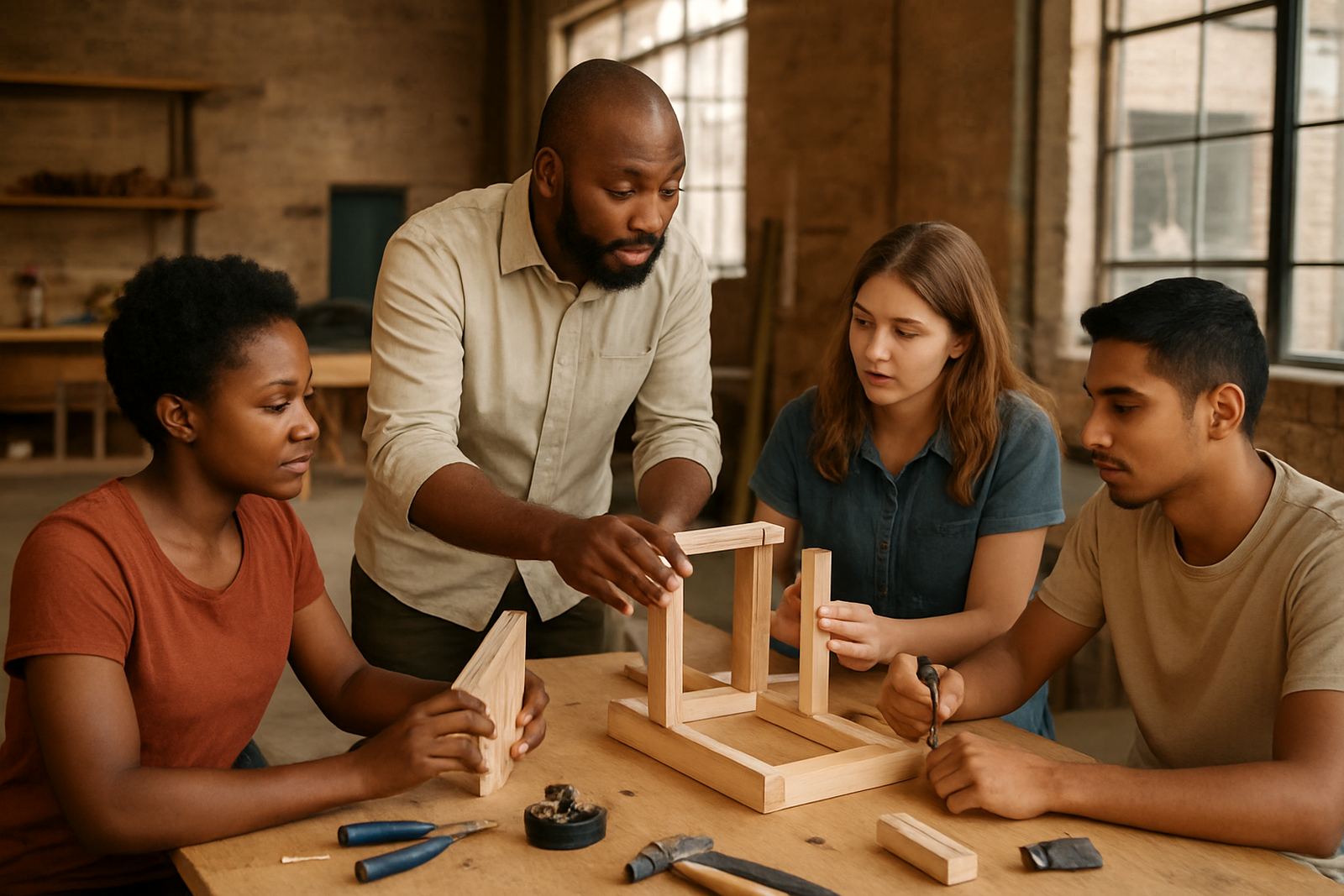
Teenagers respond well to short instructions, visible milestones and a project they can talk about. Long lectures usually lose them. A strong facilitator gives a brief demo, lets the group try it, then circles back with corrections. That rhythm keeps energy up and reduces the number of learners who freeze when something goes wrong.
It also helps to connect projects to real life. A sensor that measures a water tank level feels more relevant than a random blinking light. A cardboard prototype for a school tuckshop sign is more engaging than a worksheet about parts names. When learners see a practical use, they are more likely to ask better questions and stay for the next round.
- Start with one goal per session
- Use pair work so stronger learners can support others
- Keep examples local, such as home lighting, school safety or garden watering
- End with a short show-and-tell so every group can explain what they built
A Johannesburg example: Braamfontein to Soweto
In Braamfontein, a youth group might begin with a Saturday session that combines basic code, simple wiring and a small build challenge. The first group can work on an alarm circuit for a school locker area, while the second group assembles a simple phone stand with a charging bay. By the end of the day, both groups have made something practical and learnt how tools should be returned, counted and cleaned.
From there, the programme can travel. A partner venue in Soweto may focus on school holiday projects, while a Pretoria East group may need more emphasis on neat storage and parent collection times. In Sandton or Midrand, corporate volunteer sessions often need tighter time control and a fast setup. The lesson is the same everywhere: match the project to the space, the age group and the available supervision.
That local fit matters because teenagers notice when a programme respects their reality. If transport is tight, keep sessions earlier. If load-shedding is a risk, have charged laptops and offline lesson notes ready. If the room gets hot in summer, plan breaks and water from the start.
Keeping the programme safe and useful over time
Safety and maintenance are not side issues. They are what keeps a teen programme going after the first term. Tools go missing when storage is unclear, injuries happen when rules are rushed, and equipment fails when no one checks cables or batteries. A simple monthly audit can prevent many of these problems.
For schools and community groups, the most practical routine is a short checklist before every session and a deeper review once a month. Replace damaged leads, count consumables, check labels, and make sure emergency exits are open. If the programme is shared across venues in Cape Town, Gqeberha or Durban, each site should use the same packing list and safety format so the standard stays consistent.
Teens notice good systems. When they see a tidy bench, a numbered kit and a facilitator who knows where every item belongs, they treat the space with more respect. That is how a one-off workshop becomes a habit.