Count Stock Like You Mean It
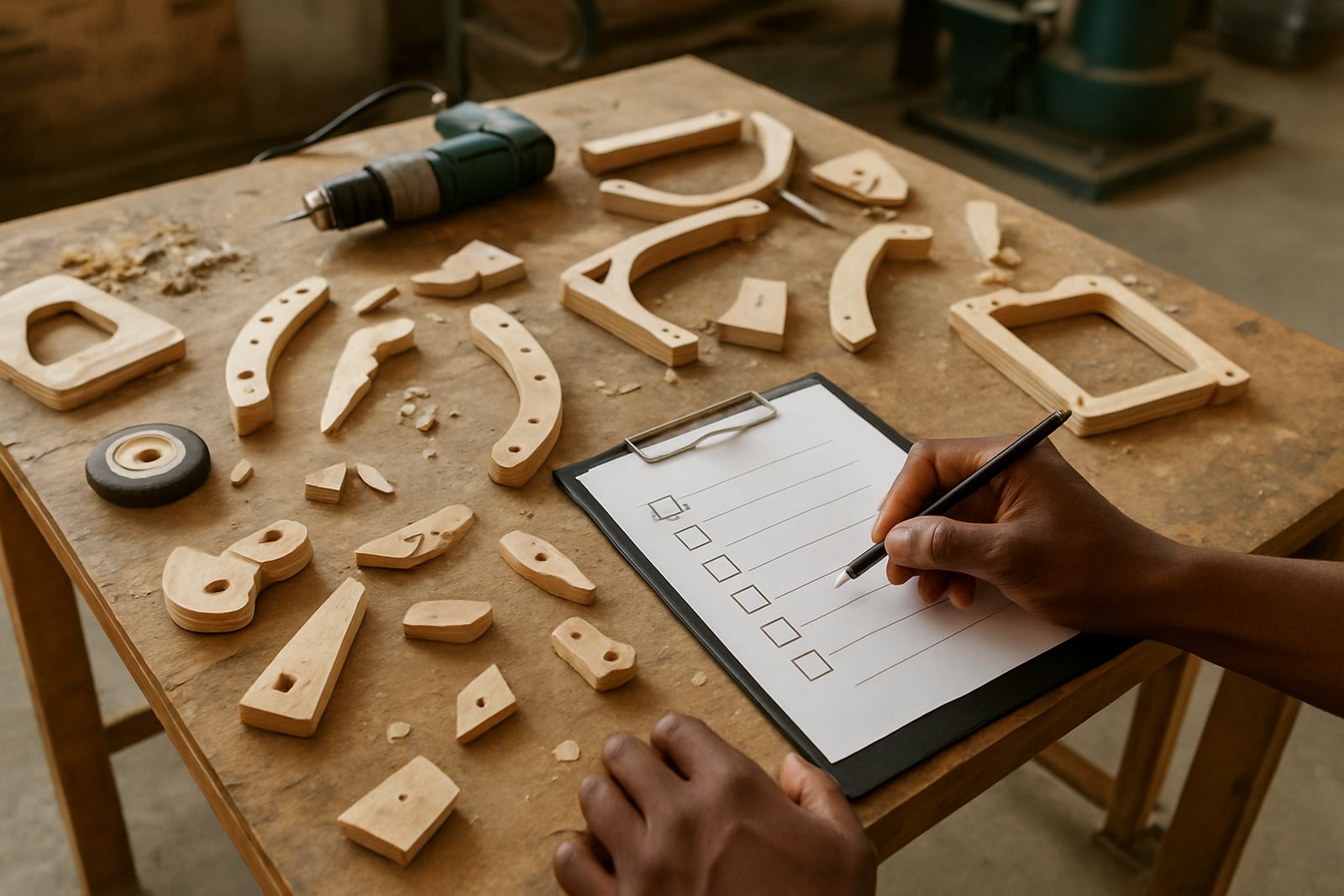
Before you load a single crate, count every item by type, size and finish. Do not just estimate by eye, because at a craft fair the quickest way to lose sales is running out of your best sellers by lunch. Write a simple stock sheet with quantities, unit prices and the minimum you want to leave with. That helps if you need to restock for a second day or split stock between two sellers.
For South African markets, it also helps to plan for mixed demand. A rainy morning in Braamfontein can slow foot traffic, while a sunny Saturday in Pretoria East may move more outdoor-ready items. Pack a little extra of your smaller, lower-cost pieces because they are often the first to go. Keep one or two samples aside if you are showing made-to-order work so you do not sell the only display piece.
- Count finished stock, seconds and samples separately.
- Mark fragile items and wrap them in pairs or small bundles.
- Put best sellers near the top of the crate for quick access.
- Carry a pen, marker and spare labels for re-pricing on the spot.
Build a Stall That Works in Real Conditions
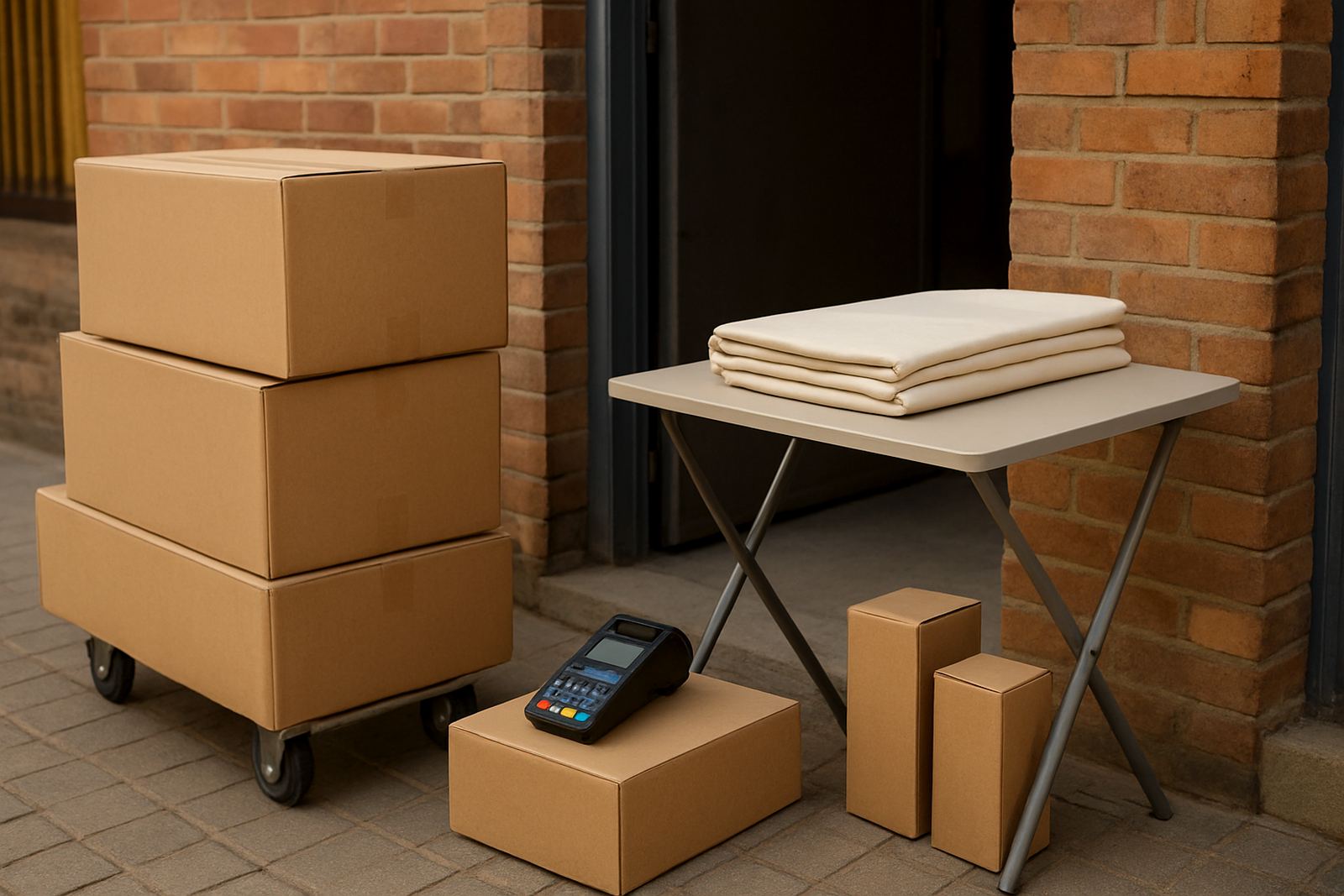
Your display must hold up in wind, dust and long trading hours. In many halls and open-air venues around Johannesburg, the first challenge is not style but stability. Tables wobble, tablecloths slip and light fittings can be patchy. Use a layout that keeps the front clear, the back secure and the payment area easy to reach. If you are using shelving or risers, test them at home with the actual products you will take to market.
Power can be unpredictable at some venues, so plan for load-shedding and weak sockets. Charge card machines, phones and any battery lights the night before. Bring extension leads, plug adaptors and a backup power bank if you use digital payments or need to scan codes. In coastal areas like Durban or Gqeberha, pack extra protection for paper goods and metal fittings because humidity can affect both packaging and finish. A folded cloth in the crate can save you from a damp morning and a grubby table surface.
- Use weights or clamps where the venue allows them.
- Pack a neutral table covering that hides scuffs and dust.
- Keep signage at eye level so customers do not have to lean in.
- Test all lights, chargers and card readers before you leave home.
Price Clearly and Make Payment Easy
At a fair, customers want to know the price without asking three times. Print labels that are large enough to read from a standing position and make sure your Rand amounts are easy to spot. If you offer bundles or custom options, show the base price and then add on extras in a simple way. For example, a starter kit can be priced separately from a filled project box, which avoids confusion and speeds up the sale.
Keep small notes, coins and change handy, but do not leave cash spread across the table. Use a small cash pouch or lockable box under the table, then move all larger amounts there as soon as you can. If your stand takes electronic payments, test the connection at the venue before opening. In some halls the signal drops in the corners, so stand where the connection is strongest and keep a backup method ready. A neat payment flow can make a busy stall feel calm, even if there is a queue.
Prepare Display Gear and Packaging for the Day
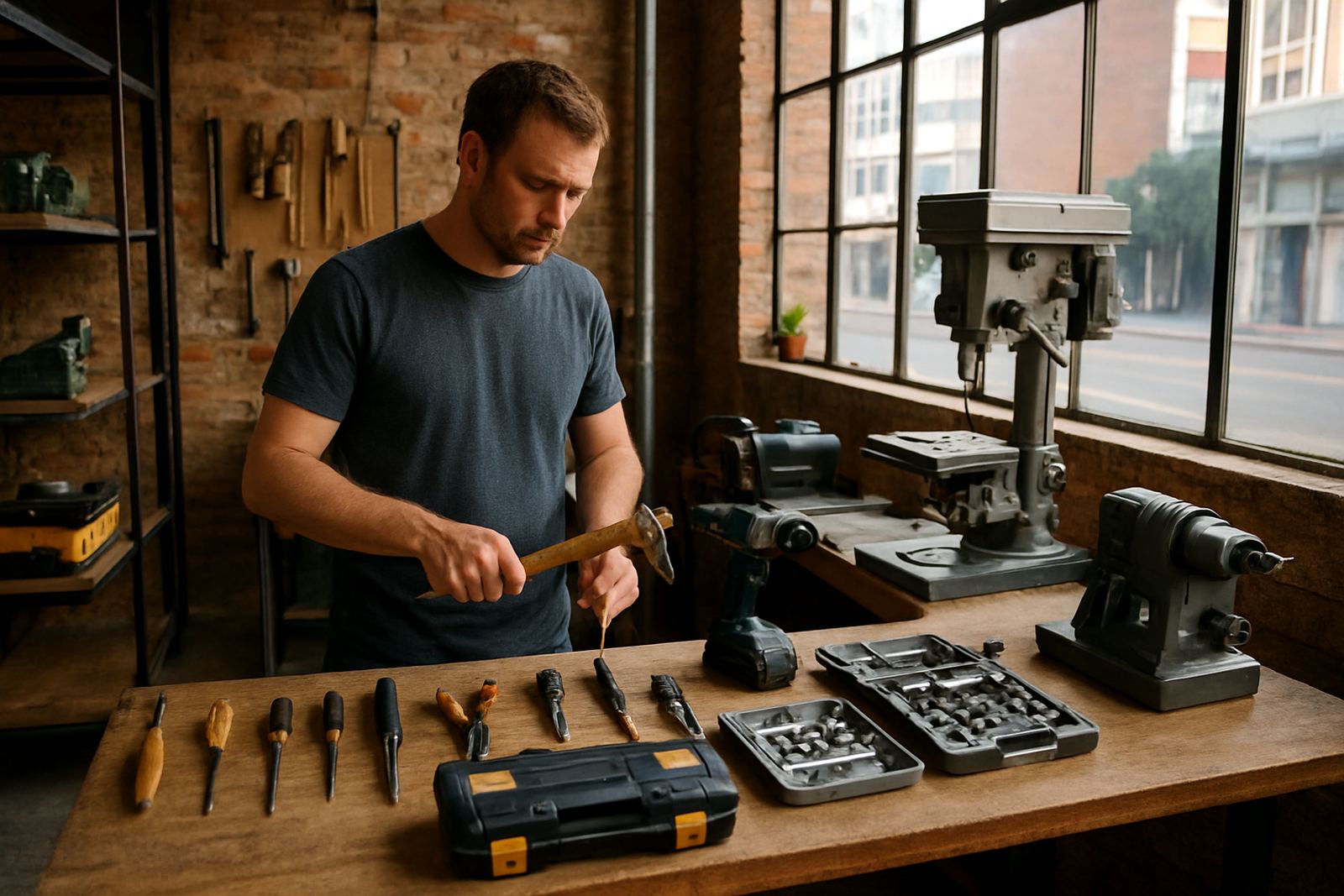
Display gear is easy to forget because it is not the product, but it carries the whole stand. Pack tape, scissors, cable ties, clips, blutack, a ruler, spare hooks and a small tool kit. Add tissue, boxes, bags and wrapping for customers who want to take items home without damage. If your products are delicate, put one layer of padding between each piece and label the crate so you can unpack in the same order every time.
It also pays to think about what happens after a sale. A customer buying three small items does not want to wait while you hunt for a bag or count out the right wrapping. Make the handover quick and tidy. At a school fair in Soweto, for example, a maker selling hand-painted goods may need extra paper bags because parents often buy more than one item at a time. The more you can bundle the packaging side in advance, the faster the stall moves and the less tired your team gets by mid afternoon.
- Pack spares of every small item you use to fix the stand.
- Label packaging by product type and size.
- Bring a cloth and spray bottle for dust or fingerprints.
- Keep sale items separate from display-only stock.
Check Venue Rules Before You Load the Vehicle
Every fair has its own rules, and they can catch you out if you assume the same setup will work everywhere. Some venues limit open flames, some ask you to keep walkways clear, and some require all tables to be finished on the public side with no loose cables across the floor. Check what time you can load in, where vehicles may stop, and whether you need your own trolley. If you are setting up in a shared hall or school, ask about noise, parking, security and pack-out time as well.
This is where a simple list saves you. Note the venue contact, stand number, access gate and any restrictions on signage or hanging items. If you are working with a team, give each person a clear task so one person is not stuck unpacking while another is looking for zip ties. For events in Braamfontein or Sandton, parking and loading access can be tight, so a clean handover plan matters. It also helps to know where the nearest bathroom, water point and waste bin are, because small things become big things once the crowd arrives.
- Confirm load-in and pack-out times the day before.
- Ask about parking, trolley access and security.
- Check if power is included or needs pre-booking.
- Read any rules on flames, banners, tape and floor protection.
Do a Final Run-Through the Night Before
The last check should feel like a rehearsal. Lay out your stock, display gear, payment tools, water bottle, snacks and ID, then tick each item off before it goes into the vehicle. Pack the heaviest crates first so the load is stable, with breakables on top. If you are driving from Midrand to a market in the city centre, allow for traffic, gate delays and the time it takes to unload. Rushing with boxes is when things get dropped or forgotten.
Keep one small emergency bag with plasters, pain tablets if appropriate, wet wipes and a phone charger. Add a copy of your price list, the venue address and a backup contact in case your phone battery runs flat. After that, stop adding more. A fair bag that is too full becomes awkward fast. The aim is not to take everything you own, only the right set of goods and the right tools to sell them well. If you leave home prepared, you arrive ready to trade instead of spending the first hour fixing avoidable problems.