Why regional collaboration matters for South African makers
A single workshop can do good work, but a connected group of spaces does much more. When makerspaces in Braamfontein, Soweto, Sandton, Midrand, Pretoria East, Durban, Cape Town and Gqeberha share contacts and know-how, people can find the right place for the right task faster. That matters when a school needs a quick lab refresh, a small business needs storage solutions, or a team needs event maker stations for a weekend activation.
Collaboration also spreads pressure. One site may be full during exam season, while another has open capacity and a facilitator available. One venue may be better for woodworking, another for electronics, and another for training groups of 20. A network gives users more choice and reduces wasted time travelling across town only to find the equipment is not suited to the job.
A local example from Braamfontein to the suburbs
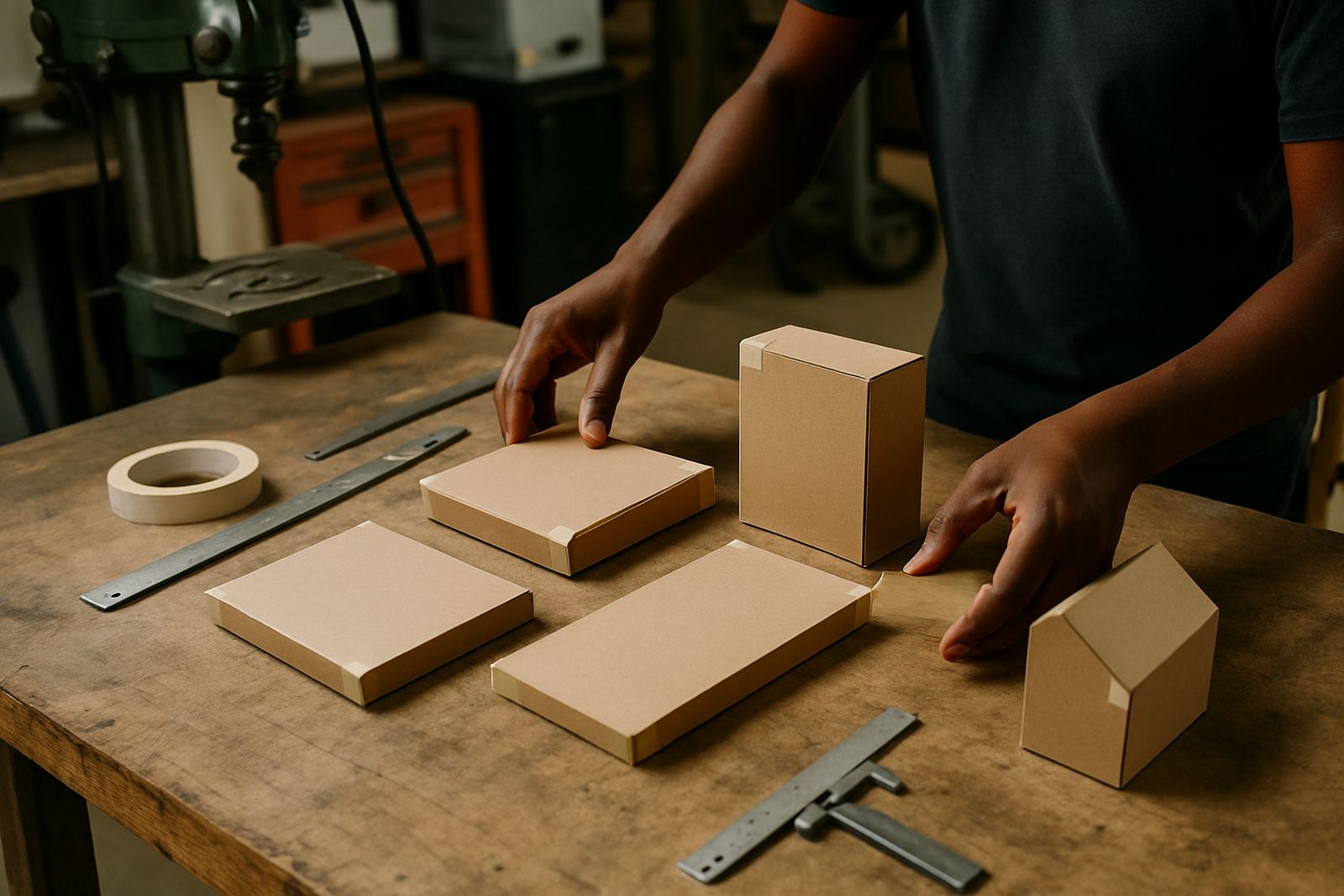
Picture a youth group in Braamfontein starting a simple product line for market day. They need a safe place to learn, a few starter kits, and guidance on tool use before they can move into production. Through a networked approach, the group can begin with training in Johannesburg, then visit another venue in Midrand for a larger workshop session and use a partner space in Pretoria East for final assembly.
This kind of handover works because each venue plays a clear role. The first site handles induction and planning, the second supports hands-on work, and the third helps with storage or batch finishing. Nobody has to carry the full load alone, and the group gets a better learning path. It is practical, and it saves money on transport, duplicated stock and repeated setup costs.
- One venue can focus on safety briefing and member onboarding.
- Another can host tool zone layouts and consumables planning.
- A partner space can handle maintenance checks or storage between sessions.
- Training venues in different areas help more people attend without long trips.
What a strong maker network should actually offer
Good networks are not just a list of names. They need proper structure. If the aim is to support makers across South Africa, each partner space should know what it offers, what it cannot take on, and how to refer people without confusion. That means clear hours, clear safety rules, and honest notes about machine size, power needs and access for visitors.
It also means planning around local conditions. In some areas, load-shedding affects timing and machine use. In coastal towns, humidity can affect timber, metal stock and stored consumables. In busy urban centres, parking, deliveries and municipal compliance can shape how a space operates. A network only works when these details are handled early, not after a problem appears.
- Defined workshop categories so users know where to go first.
- Shared intake forms for training, support and venue bookings.
- Safety signage setup that is consistent across sites.
- Tool lists and stock counts that are updated before each programme.
- Maintenance checks for machines, extraction systems and electrical points.
How collaboration lowers costs without cutting quality
For many South African makerspaces, the hard part is not the idea, it is the overheads. Consumables run out, tools need servicing, and small teams spend too much time doing admin by hand. Regional collaboration helps because several spaces can buy smarter, schedule better and avoid duplicate purchases. A shared consumables plan can cut waste, especially when one venue has offcuts that another can use for training.
The same applies to starter kits. Instead of every space building separate bundles from scratch, a network can agree on basic kits for sewing, electronics, woodworking or product testing. That makes prices easier to manage and gives new makers a clearer first step. It also helps facilitators because they are teaching from the same baseline, which keeps sessions consistent even when the venue changes.
Training that travels well across provinces
Training is stronger when it can move with the learner. A person in Durban should not have to start from zero because they attended a session in Johannesburg two months earlier. When partner makerspaces use the same onboarding approach, people can build from one course to the next. That includes safety rules, tool handling, basic project planning and simple maintenance habits that protect the equipment and the user.
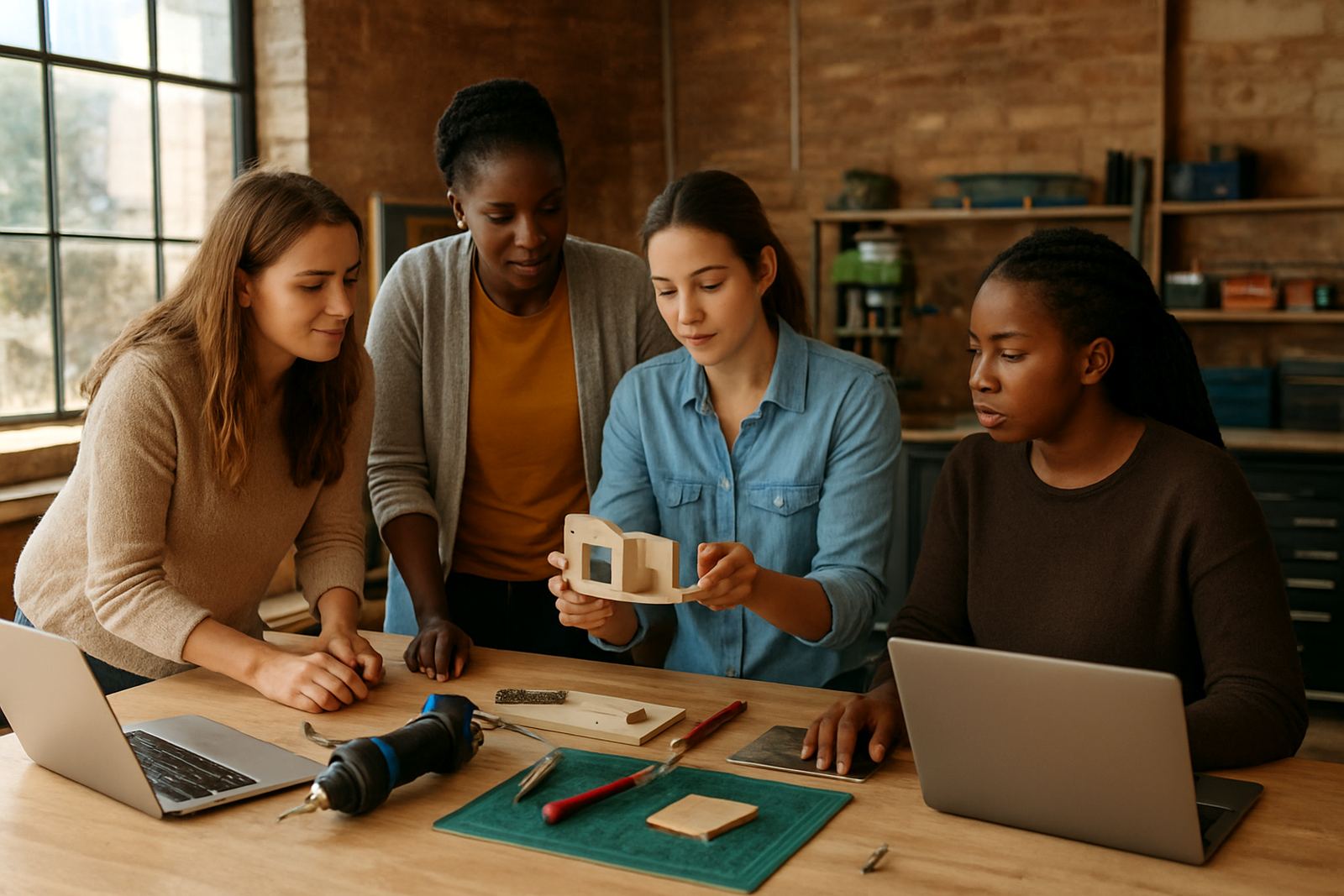
For schools and community groups, this is especially useful. A facilitator in Cape Town can run a practical session with the same structure used in Soweto, which makes reporting easier and outcomes more reliable. It also supports teams working across regions, whether they are preparing for an expo, a school challenge or a local business launch.
- Member onboarding should cover conduct, access rules and emergency steps.
- Facilitator support should include session plans and equipment checks.
- School lab refresh work should match the age group and the available power supply.
- Event maker stations should be simple to set up, pack down and transport.
Keeping the network useful after the first project
A maker network needs regular upkeep. If the contact list is old, the venue map is unclear or the tools have not been checked, trust drops quickly. Good network management means reviewing what each site can handle, who is available to support a session, and which materials need reordering before the next intake. Small fixes matter here. A missing label, a faulty extension lead or a blocked storage area can delay a whole programme.
That is why maker audits are so important. They show where the gaps are, what equipment needs attention and which partner spaces need more support. Over time, this makes the network more dependable for individuals, schools and startups. It also helps communities see that local collaboration is not a once-off project, but a practical way to keep making possible across provinces.
When the network is done well, people do not just get access to tools. They get access to knowledge, safer spaces and a better chance of finishing what they start.