Start With What You Want to Make
Before you compare course names, decide what you actually want in your hands at the end. A first course should suit the project you want to try, whether that is a small wooden stool, a simple metal bracket, a basic LED light box, or a stitched carry bag. If you are still unsure, choose a class that teaches one useful process and gives you a finished item by the end of the day.
Do not let a broad title fool you. A class called beginner making can mean very different things depending on the venue. One place may focus on hand tools and workshop habits, another on electronics or fabric work. If you want practical skills you can use at home, ask exactly what the class covers and what you will take away. In Johannesburg, where many makers start after work or on a Saturday, the best choice is usually the course that matches your pace and transport, not the one with the fanciest name.
Ask How Much Hands-On Time You Will Get
Some courses spend more time talking than making. That can be useful for theory, but if you are a beginner you need enough time to handle tools, make mistakes, and ask questions while your hands are busy. A good first course should have a clear split between demonstration and practical work. If a course runs for four hours, find out how many of those hours are actual workshop time.
It is also worth asking how many people are in the group. A class of six is very different from a class of twenty. Smaller groups usually mean more one-on-one guidance, safer tool use, and less waiting around. That matters when you are learning how to measure correctly, clamp material properly, or set up a machine without wasting stock. If the venue offers member onboarding or facilitator support, that is often a sign they take beginner guidance seriously.
- How many learners are in each group?
- How much time is practical work versus explanation?
- Will the facilitator show each step before you try it?
- Can you ask for help while you work, or only at the end?
Check the Tool List Before You Pay
Beginners often focus on the course fee and forget the extras. Ask what tools, consumables, and protective gear are included. If you need to buy your own safety glasses, gloves, cutting blades, timber, fasteners, or fabric, the real cost can climb quickly. A course that looks affordable may become expensive once you add all the small items.
It is smart to ask whether the venue supplies starter kits or if you need to bring materials yourself. Starter kits can help if you are just getting started and do not want to buy full packs of equipment. They also make it easier to keep your first project simple. In South Africa, where power cuts and supply delays can interrupt plans, a course that helps you source the right tools locally is often more practical than one that assumes everything is always available. If you are learning in a coastal city like Durban or Gqeberha, also ask how they store tools and materials against humidity and rust.
- Which tools are provided on the day?
- What consumables are included in the course fee?
- Do you need to bring your own safety gear?
- Is there a starter kit option for home practice?
Choose a Venue That Fits Your Routine
The best course is the one you can actually attend. Think about where the venue is, how you will get there, and whether the class times fit your work or family schedule. A short drive from Braamfontein might be fine for someone in central Johannesburg, while someone in Pretoria East may need a weekend option closer to home. If you rely on public transport, check the route and how late the class runs.
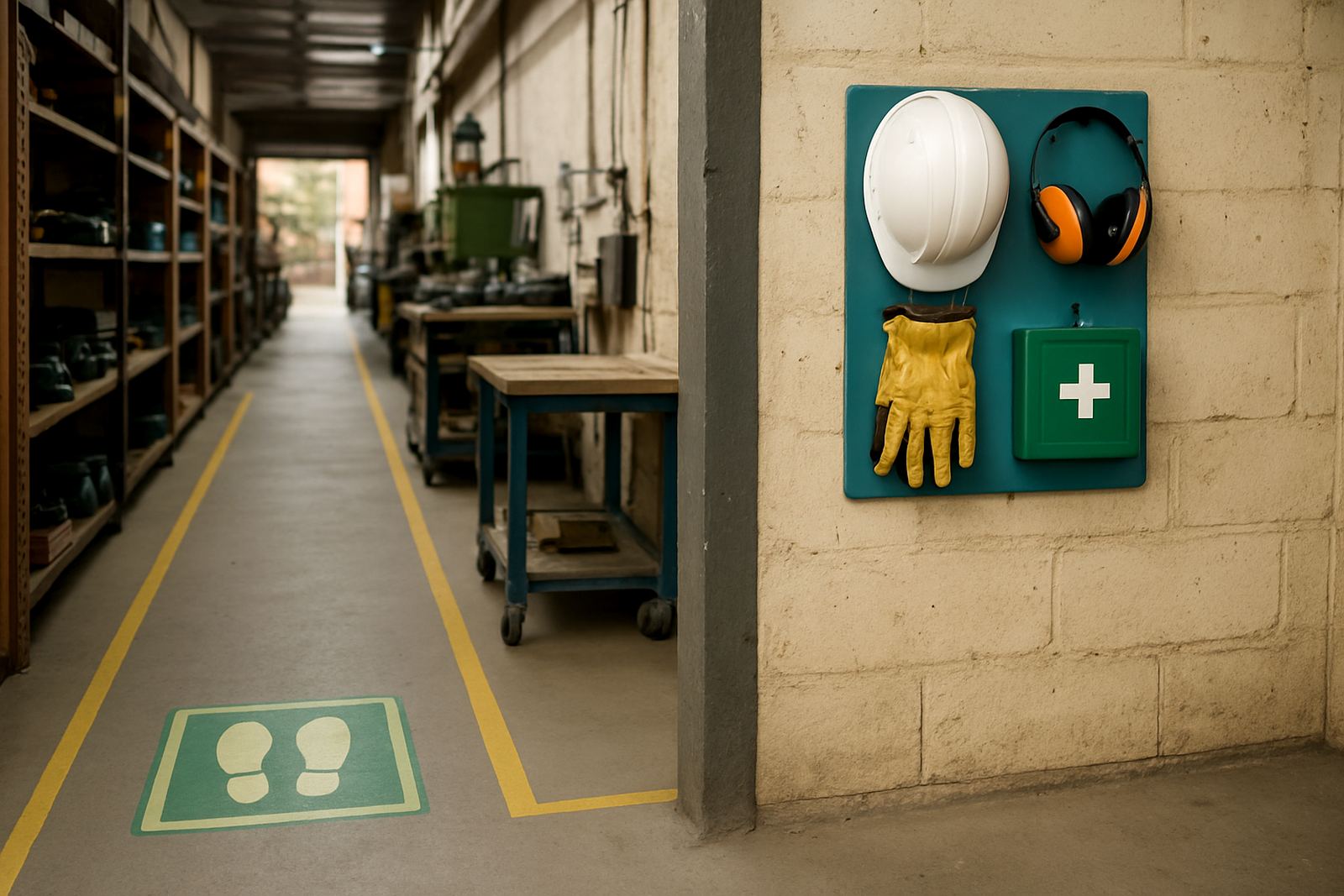
Local conditions matter too. In areas with load-shedding, ask whether the workshop has backup power for lights, hand tools, or charging points. If the class uses machines that need stable electricity, find out what happens when the power goes out mid-session. Good venues plan for this. They should also have clear safety signage, storage for personal items, and a layout that keeps walkways free. That is especially important if you are joining a mixed group where some people are complete beginners and others already have workshop experience.
Look for Training That Builds Confidence, Not Just Output
A first course should teach you how to think in a workshop, not only how to copy a project. The most useful classes show you how to measure accurately, mark materials, use tools safely, and check your work before moving on. If the course ends with a finished item but you still do not know why each step mattered, it may not be the best first choice.
Good training also explains what happens after the class. Can you return for another session? Is there support if you want to practise on your own? Are there partner makerspaces where you can continue learning with similar equipment? In a city like Johannesburg, where people often join a class after months of thinking about it, follow-up support can make the difference between one-off interest and a real habit. The right course should leave you more capable, not more dependent on someone else to do every step.
- Does the course explain the why behind each step?
- Will you leave with a process you can repeat at home?
- Is there after-class guidance for beginners?
- Can you access another session or makerspace later?
Use a Real Example Before You Decide
Say you are a first-time maker in Soweto and you want to build a simple storage crate for your room or a small selling table for weekend markets. A good first course for you would cover basic measuring, safe cutting, fastening, sanding, and finishing. It would use common materials available in South Africa, keep the project size manageable, and allow enough time for questions. If the venue can also advise on storage solutions, consumables planning, or a simple tool zone layout for home use, that is a bonus.
Compare that with a class that promises too much in one day. If it tries to cover woodworking, metalwork, and electronics all at once, you may end up with half-understood steps and no confidence to continue. Choosing your first course is really about matching ambition with support. Start small, learn the workflow, and build up from there. The right class should make your next step obvious, whether that is a second course, a makerspace membership, or a starter kit for practice at home.
A Simple Shortlist Before You Book
Before you pay, compare your options using a simple checklist. This keeps the decision practical and stops you getting distracted by glossy promises. Ask for details on the project, the tools, the group size, the venue, and the support after the class. If the answers are clear, you are likely dealing with a course that respects beginners and understands what local makers actually need.
A final check should also include safety and maintenance. A well-run space will have proper signage, tidy storage, and regular equipment checks. That matters whether the venue is in Braamfontein, Sandton, Midrand, Durban, Cape Town, or Gqeberha. When a class is organised properly, you spend less time worrying about the setup and more time learning the skill. And that is the real point of your first course.
- Do I know exactly what project I am making?
- Do I know what is included in the fee?
- Do I understand the venue, transport, and timing?
- Do I feel supported enough to try this again on my own?