Why teacher confidence matters before the first build session
A practical lesson runs better when the educator knows what can go wrong before the learners arrive. That includes how to set up the room, how many tools are safe to share, how to handle power cuts, and what to do when a glue gun overheats or a battery pack goes missing.
In schools, confidence is not about knowing every answer. It is about being ready to guide the room, keep the pace moving and stop small problems from becoming a full breakdown. A teacher who knows the sequence of a build can give learners room to experiment without losing control of the class.
- Plan the build in steps, not all at once.
- Check what can be done without mains power if load-shedding hits.
- Keep one spare set of critical tools and consumables.
- Use a simple clean-up routine so the next class can start on time.
What practical teacher training should cover
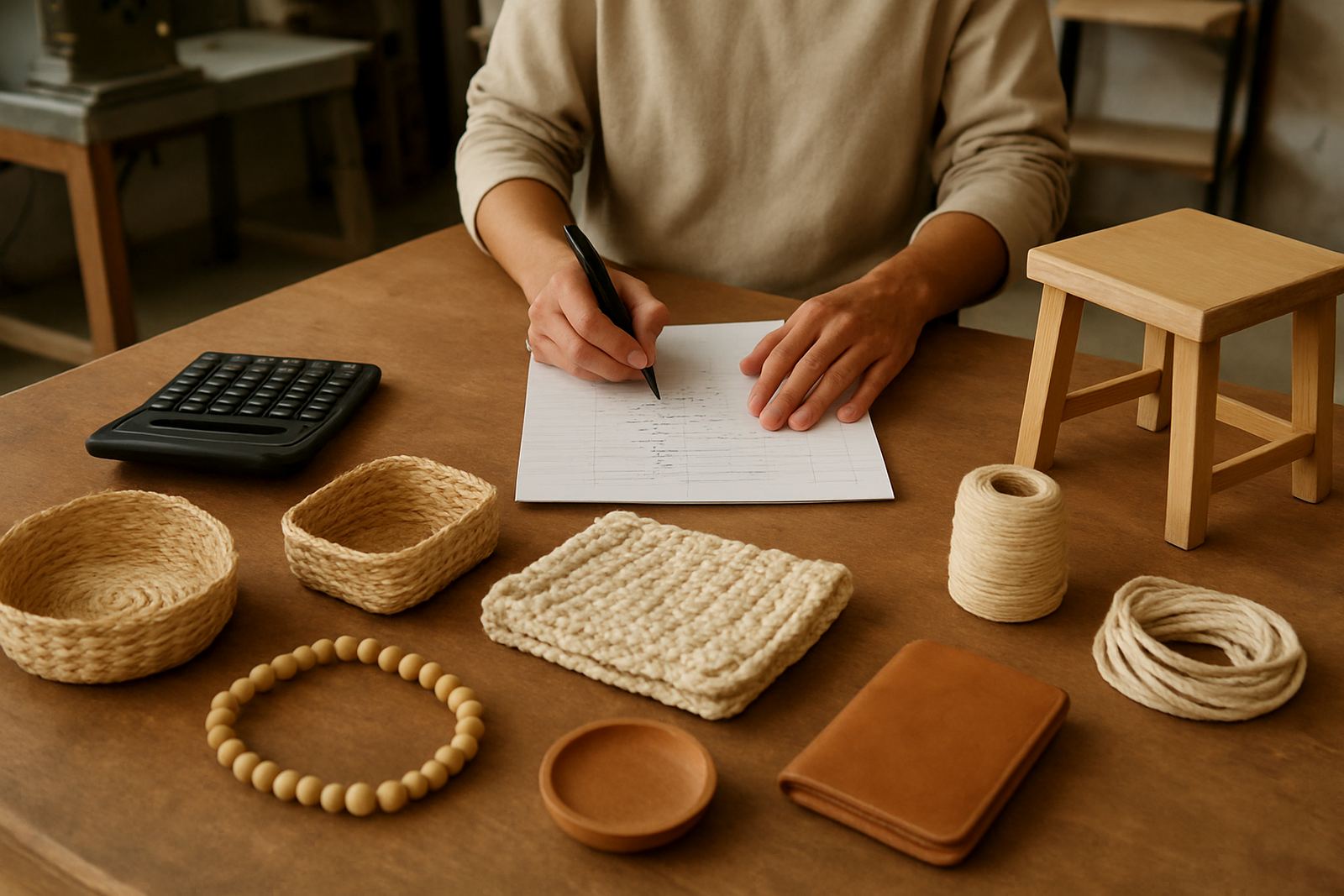
Good training for teachers should feel useful from the first session. It should cover tool handling, storage, safety, learner supervision and the small routines that keep a maker space workable from week to week. In our experience, the most useful sessions are the ones that include real set-up and pack-down time, not just theory.
Teachers also need to know how to adapt a project when the class is large or the materials run short. A well-run training day in Braamfontein, for example, might show how to run a timber or cardboard project with groups of 24 learners using shared stations, labelled trays and timed rotations.
- Tool use and supervision basics.
- Consumables planning for term-by-term use.
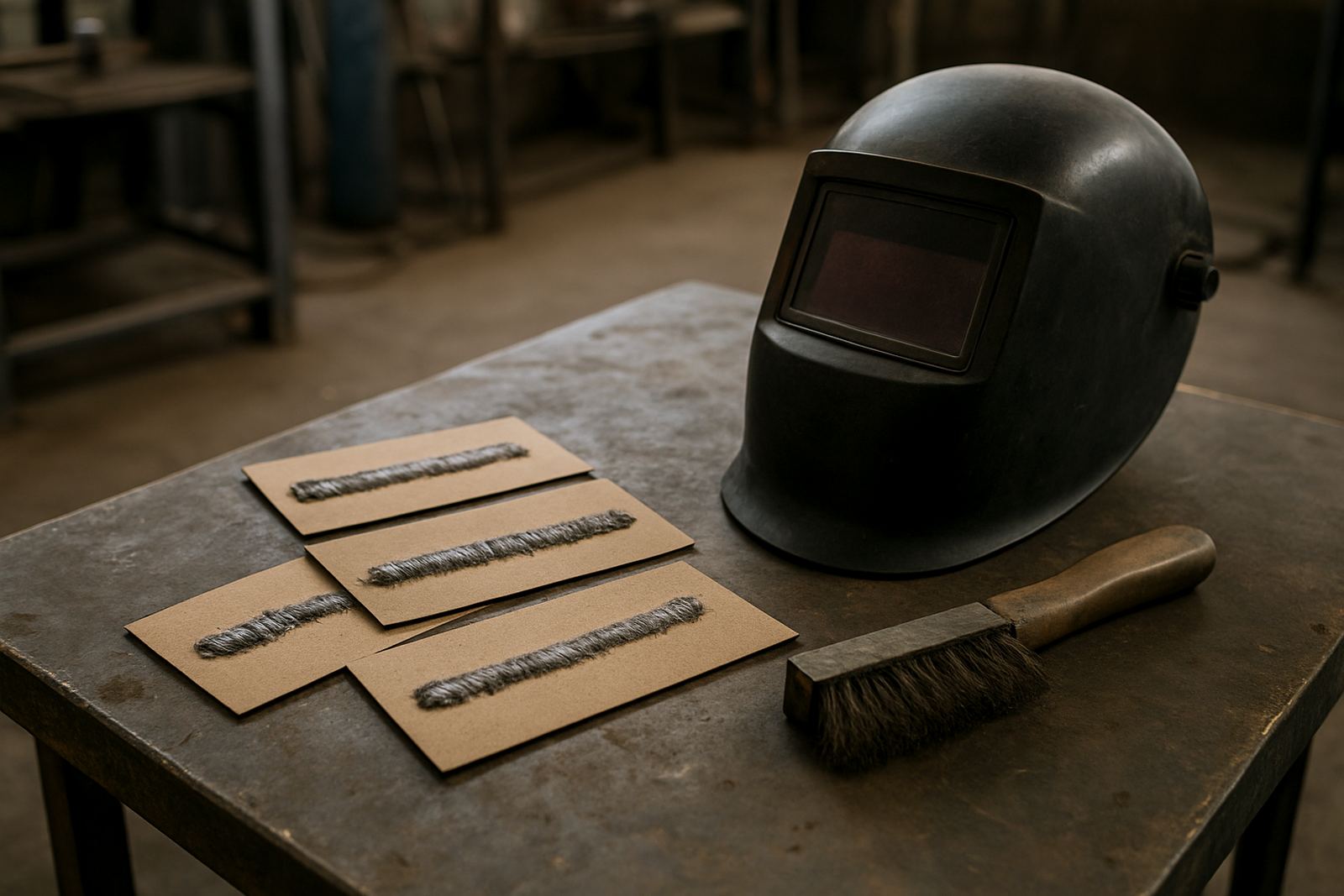
- Safe storage for blades, wires, heat tools and batteries.
- Simple lesson flow for 45 minute or 60 minute periods.
- How to reset the room quickly between groups.
Preparing classrooms and venues for hands-on learning
Before a class starts, the room needs to support the activity. That means enough table space, clear walkways, power points where needed and storage that can be locked. It also means thinking about what happens in a school hall, a library corner or a temporary venue at a community centre.
For Johannesburg schools, the practical issues often include dust, short turnaround times and unreliable power. On the coast, moisture can affect paper, electronics and metal fittings, so storage and pack-away matter even more. A teacher who understands the room can keep projects moving without wasting time on avoidable problems.
We often advise schools to use a simple room map before the first session, marking where learners sit, where tools live and where finished pieces dry. It sounds basic but it saves a lot of confusion later.
A local example from Braamfontein to the classroom
Imagine a teacher from Soweto attending a session in Braamfontein before starting a Grade 7 build club. The project is a small light-up sign using cardboard, copper tape, LED lights and a battery holder. During training, the teacher learns how to test each circuit, how to keep learners working in pairs, and how to handle groups when some finish early.
Back at school, the teacher starts with a short demonstration, then moves the learners into stations for cutting, folding and wiring. Because the room was set up with storage boxes and labelled trays, the class stays orderly even when the power goes out for part of the afternoon. The teacher is not rushing, and the learners can see what success looks like step by step. That confidence changes the whole session.
It also helps when the project is repeated in the next term. The second run is quicker because the notes are better and the teacher already knows where the pressure points are.
Starter kits that make the first term easier
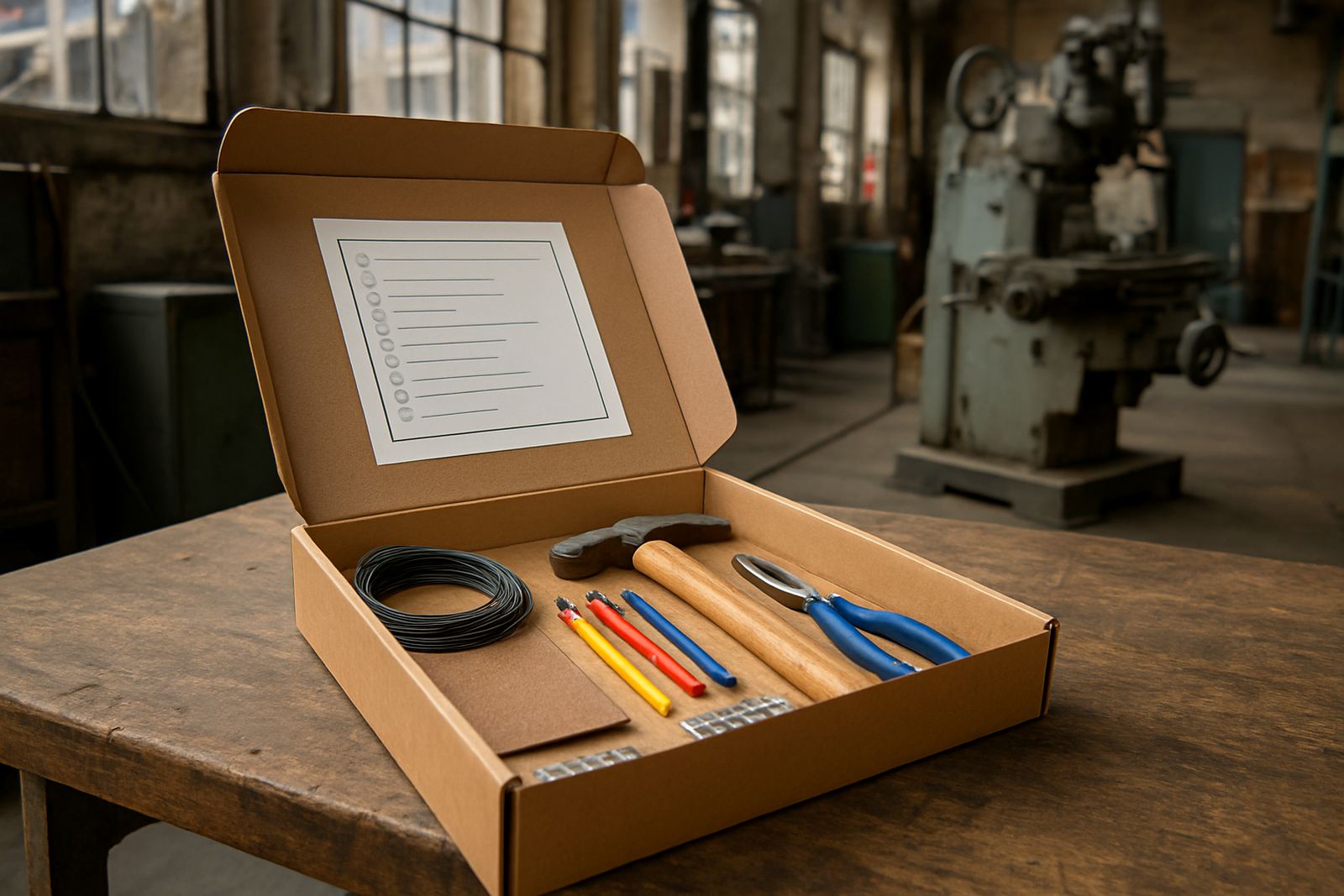
Many teachers need a starter kit that matches the age group, the budget and the kind of projects they want to run. A strong kit should not overload the school with unnecessary parts. It should include the right tools, enough consumables for a class set, and a storage method that keeps everything together between sessions.
For schools and training venues, the best starter kits are the ones that can be topped up in a predictable way. That helps with budgeting and avoids the common problem of half a kit being used up before the next session.
- Basic hand tools suited to learner use with supervision.
- Clear labels for sorting parts and finished work.
- Cutting mats, rulers, adhesives and fixings.
- Simple safety signage for tool points and storage areas.
- Consumables that can be reordered by the term.
How SA Makers supports teachers after training
Training should not end when the session ends. Teachers benefit from support with maker audits, member onboarding for staff teams, facilitator support and maintenance checks on the tools they rely on. That is especially useful for schools that only run practical sessions once or twice a week.
When a venue is shared by several educators, the system needs to be clear. Who books the room, who checks the stock, who resets the tools, and who signs off on repairs? If those tasks are not assigned early the space becomes messy very quickly.
Our team works with schools, partner makerspaces and training venues nationwide so educators can keep sessions practical and safe. Whether the need is in Pretoria East, Midrand, Durban or Cape Town, the aim is the same: help teachers run build sessions with less stress and more control.