Why shared workshop space changes the first step
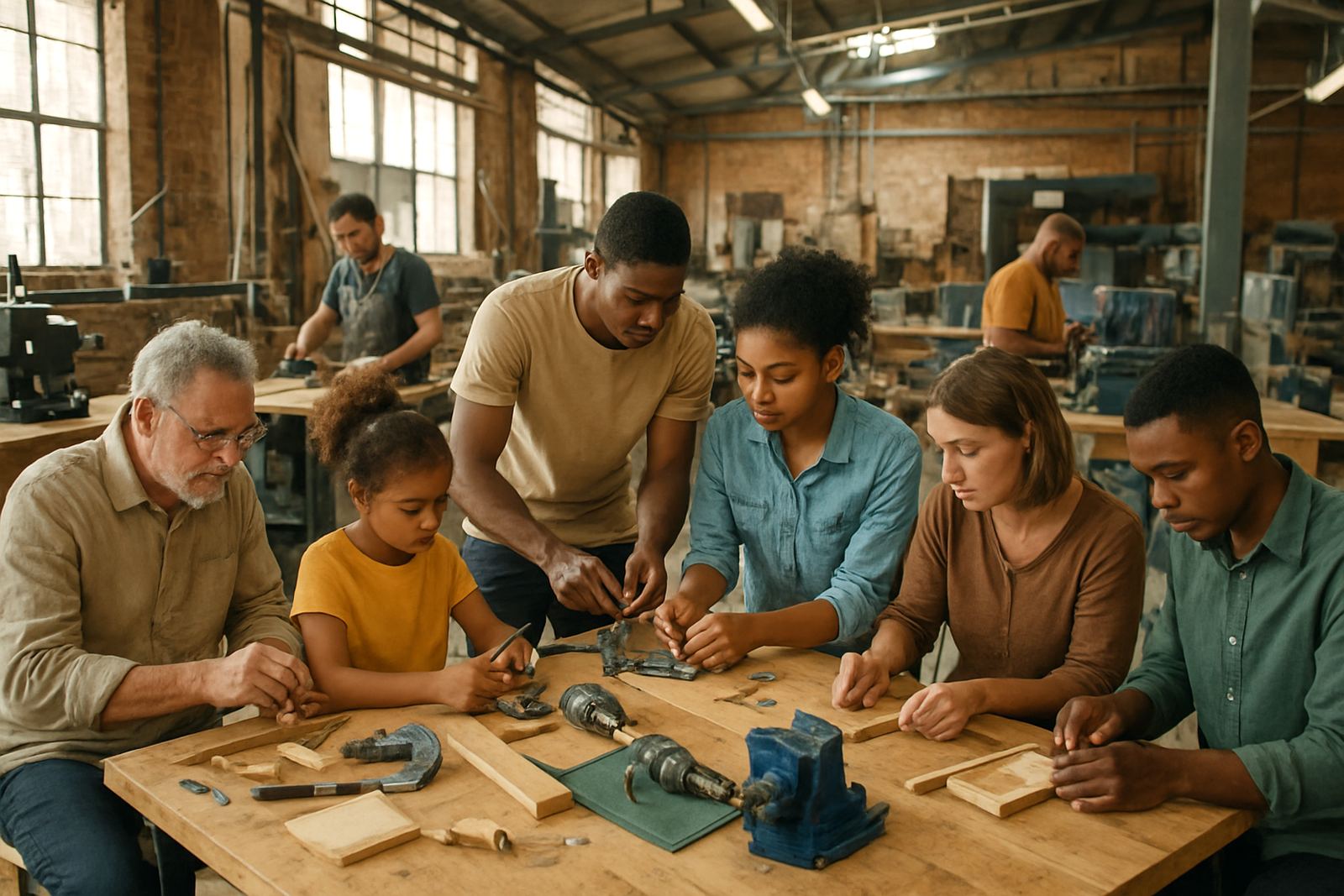
For many makers the hardest part is not the idea, it is getting started with the right equipment and enough room to work safely. A shared space reduces that barrier by putting benches, hand tools, power tools, storage and guidance in one place, so a person can begin with a small project instead of waiting until they can afford a full setup at home.
That matters across Johannesburg and beyond, where many people work from flats, garages, school rooms or compact backyards. A shared makerspace gives access to tools that would be too expensive to buy for one-off use, and it also gives people a place to learn how to use them properly. That saves time, reduces waste and helps avoid costly mistakes.
- Access to a wider range of tools without full ownership costs
- Safer work areas with clear safety signage and supervised zones
- Space for bigger builds that do not fit at home
- Better storage for materials, parts and works in progress
Skills build faster when people can watch, ask and try
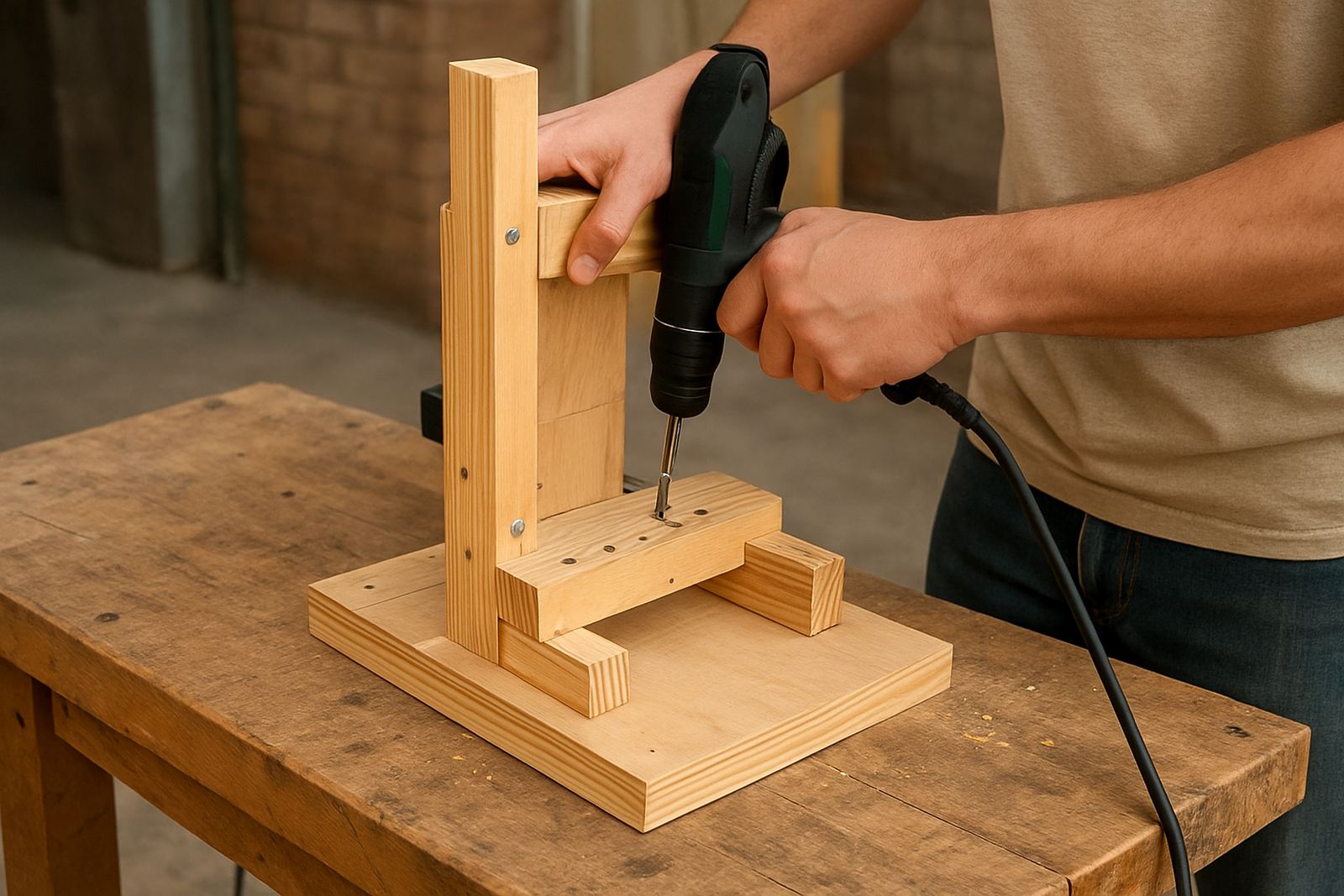
Training works best when it is close to the tool and not only in a classroom. In a makerspace, someone can learn a task, practise it straight away and then repeat it while the details are still fresh. That is far more practical than reading instructions and hoping the machine behaves later.
Good training also creates confidence. A beginner can learn how to measure correctly, select the right cutter, maintain a hand tool or prepare a safe workspace. A small business owner can learn how to set up a repeatable process so every item comes out the same. When people build those habits early, they are less likely to damage equipment or waste stock.
- Basic tool handling and workshop safety
- Material selection for timber, plastics and light metal work
- Simple maintenance checks before and after use
- How to plan a project so the work flows in the right order
Local makerspaces need practical planning, not just good intentions
A shared workshop only works when the layout matches the people who use it. Tool zones need enough clearance for movement, storage should be near the work areas and the safety routes must stay clear. In busy spaces, poor layout causes slow work, crowding and avoidable damage to equipment.
South African conditions add their own demands. Load-shedding means power planning matters, so lighting, charging points and time-sensitive tasks need thought. In coastal towns like Durban and Gqeberha, humidity can affect metal tools and stock, so storage and maintenance routines matter even more. Municipal rules also differ by area, especially where noise, ventilation or public gatherings are involved. A space in Braamfontein may need a different setup from a school lab refresh in Pretoria East or an event maker station in Sandton.
- Plan clear walkways and separate noisy work from quiet assembly
- Allow for secure storage of consumables and personal items
- Map power points, extension use and backup lighting for outages
- Check local by-laws for signage, occupancy and event use
A Johannesburg example: from first idea to working prototype
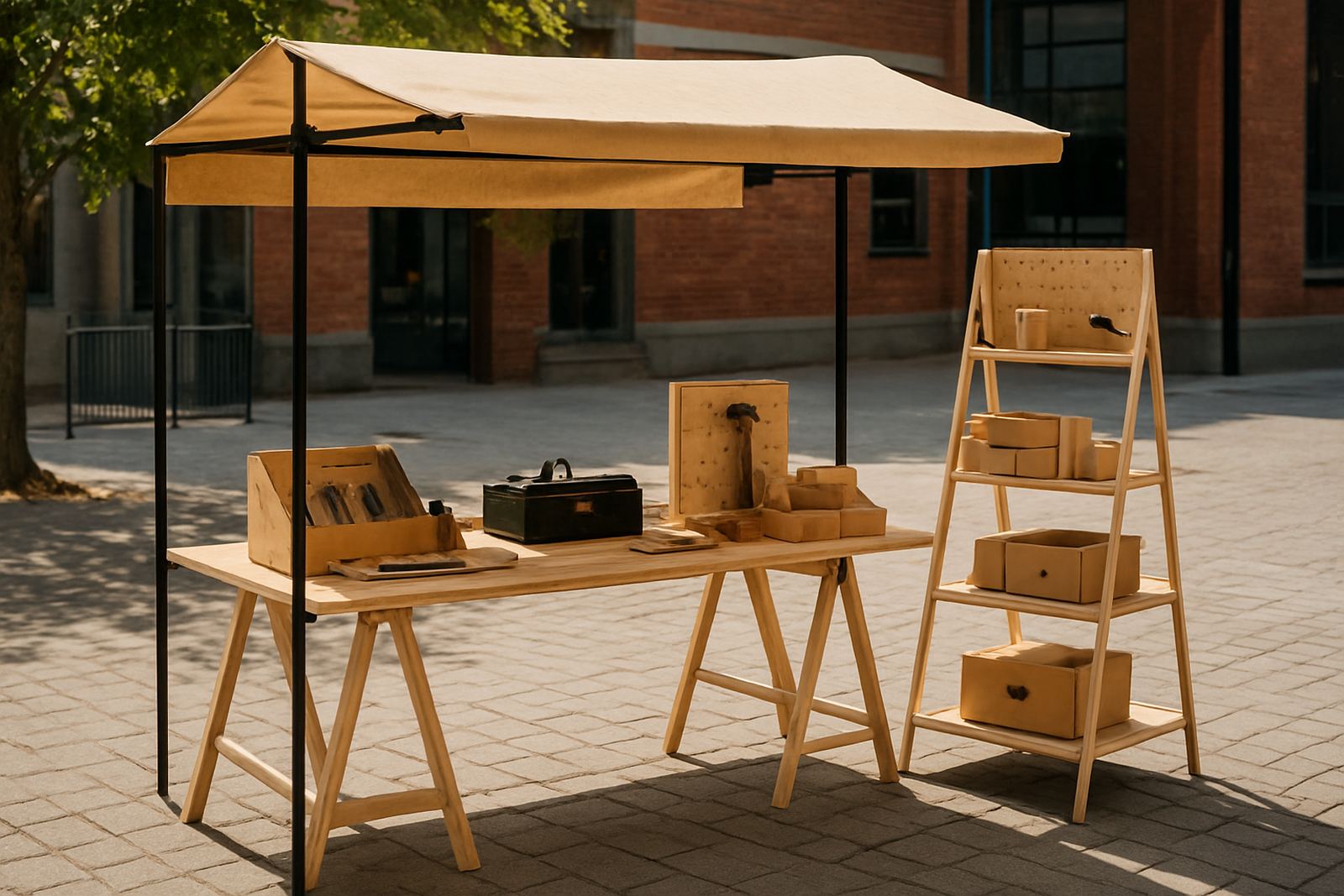
Consider a small youth group in Braamfontein that wants to build low-cost study aids and simple display pieces for local markets. They may have the idea, some enthusiasm and a few basic tools, but not the room or stock to do the work properly. By using a nearby makerspace, they can set up a clear workflow, get help with safety, and complete the first batch without turning a family home into a workshop.
That same group can then use the space for testing, member onboarding and facilitator support. They can learn what materials hold up best, which fasteners work in repeat builds and how much consumable stock they need for the next run. Once the process is working, they can move from one-off making to a more stable small operation.
Shared space is not only for hobby use. It helps small teams prove a concept before they commit to bigger rent, more stock or a long lease. That is a practical advantage for people in Midrand, Soweto and Pretoria East as much as for those in central Johannesburg.
What to look for before you join or set up a space
Not every makerspace suits every maker. Before joining, check whether the room supports the kind of work you do, whether the tools are maintained and whether the team understands how the space is used day to day. A space that looks good on paper can still fail if the storage is poor or the operations are messy.
Look for clear onboarding, sensible maintenance checks and a plan for consumables. If the space is serving schools, startups or community groups, it should also have easy booking, visible safety rules and enough support for first-time users. The best spaces keep the practical side simple so people can focus on the work.
- Clean, labelled tool zones with working storage
- Support for maintenance, booking and safety setup
- Space for training, meetings and small events
- A network of venues across different towns and suburbs
Why the community value lasts longer than one project
A strong makerspace does more than support a single build. It helps people meet others with useful skills, find collaborators and return for the next project instead of starting from scratch each time. That is where the real value sits. Skills grow, confidence grows and local networks become stronger.
For some people, the space leads to a small side business. For others, it supports school labs, community events or technical training. In every case, the shared environment lowers the cost of learning and makes it easier for people to keep going. That is why makerspaces matter in South Africa: they turn scattered effort into something practical, shared and usable.