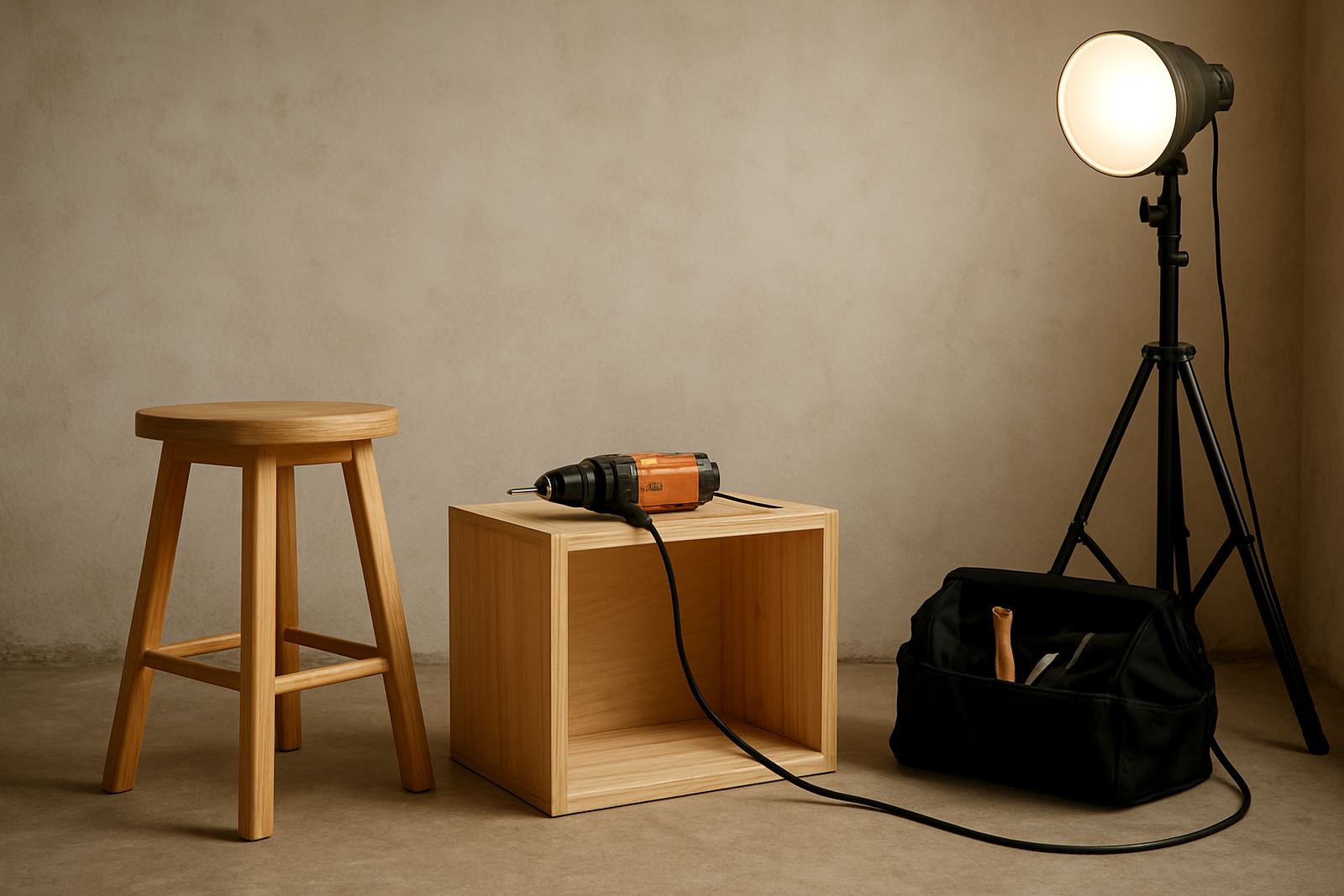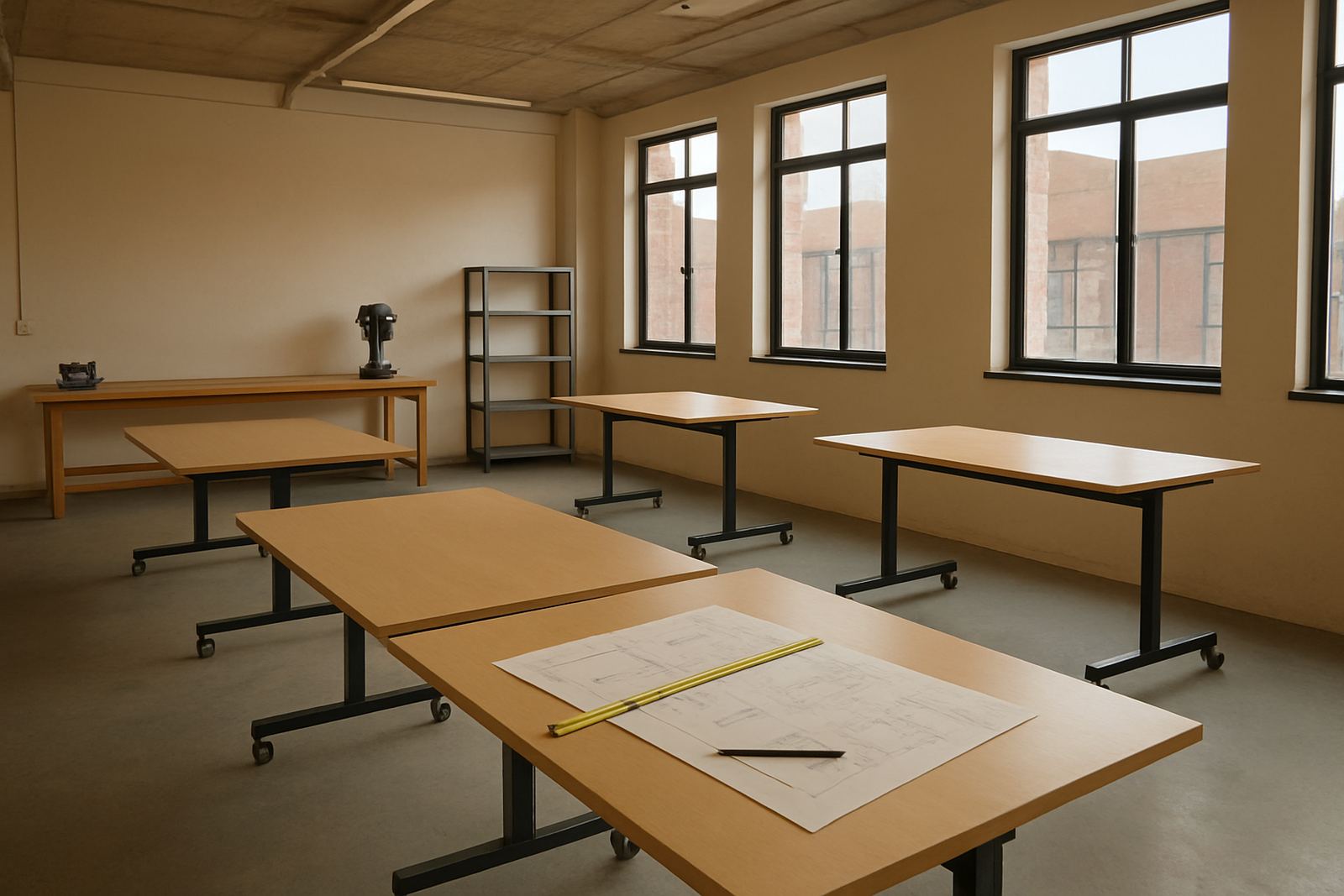
Start With the Corner, Not the Tools
The best home corner setup begins by measuring the area and being honest about how you will use it. A 1.5 metre by 2 metre nook can work for hand tools, small assembly jobs and light repairs, while a slightly bigger space may also take a compact bench or folding surface.
In Johannesburg homes, especially in Braamfontein flats and older terrace houses, the challenge is usually not floor space alone. It is sharing the area with family movement, storing items safely and keeping dust and noise under control. Before you buy anything, check the nearest plug point, window light, and how close the space is to a sink or balcony door for ventilation.
- Measure width, depth and ceiling height.
- Mark where doors, windows and plugs sit.
- Note any wall that can take shelves or hooks.
- Leave at least 800 mm for standing room where possible.
Choose a Layout That Follows the Work
A good corner does not need to hold everything. It only needs to keep the work moving in a sensible order. Put the most used items within arm’s reach, keep cutting and fixing tools close to the main surface, and store less used stock higher up or lower down.
If you are setting up for soldering, small repairs, model making or craft work, the bench should face natural light where possible. In a northern Johannesburg flat, a corner near a window can give good daylight in the morning, but you may still need a task light for winter afternoons. In coastal areas like Durban or Gqeberha, avoid placing open timber, paper stock and metal parts against a damp wall. Leave a small gap behind shelving so air can move.
- Work surface first.
- Tool storage second.
- Consumables and packaging last.
- Keep a clear path in and out of the corner.
Build Storage That Can Handle Real Life
Storage is where many home setups fail. Boxes pile up, screws go missing and the useful things end up mixed with old cables. A proper corner setup needs storage that stays labelled and easy to reach, even when load shedding interrupts your routine and you are packing away by torch light.
Use clear tubs, small parts trays and wall-mounted shelves where the wall can support them. If you rent, choose freestanding units that do not need drilling. In Soweto and Midrand homes, where rooms often serve more than one purpose, vertical storage can make the difference between a working corner and a cluttered one. For humid areas, keep steel fixings in sealed containers with a moisture absorber. For dusty homes near busy roads, closed boxes beat open baskets.
- Use one tub for fasteners, one for cables, one for offcuts.
- Label every container on the front and lid.
- Keep chemicals and adhesives in a cool, shaded place.
- Store sharp tools in sheaths, trays or wall holders.
Power, Lighting and Load Shedding Prep
Power planning matters more now than it did a few years ago. A home corner should not depend on a single overloaded extension lead. Start by checking how many devices you will use at once and whether they need surge protection. If the area is small, mount a socket board near the bench so cables do not trail across the floor.
Good lighting is just as important. A ceiling light alone is usually not enough for fine work. Add a focused task lamp with a stable base or clamp, and if possible choose a backup light that works during outages. For safety, keep charging equipment off the floor and away from liquids. In offices and school support spaces, we also advise a small switch-off routine so the corner can be left tidy and safe at the end of the day.
- Use one main power strip with overload protection.
- Keep cables short and bundled.
- Add a task light with a warm or neutral colour tone.
- Have a simple shutdown checklist for outages.
Safety Rules for a Small Home Workshop
Small spaces need clear rules because there is less room for error. Even a corner used for hobby work should have basic safety signage, a first aid kit and a plan for hot tools, sharp edges and dust. If children or visitors move through the room, lockable storage is worth the extra effort.
For apartment living in Braamfontein or Sandton, keep noise and fumes in mind. Check body corporate rules before setting up noisy machines, spray finishes or anything that may affect neighbours. In a home near a school or shared yard, plan for clean-up after each session so the space does not spill into other areas. A maker corner should be practical, but it must also fit the house and the people in it.
- Keep a small extinguisher where permitted and accessible.
- Store blades, soldering tools and adhesives out of reach of children.
- Ventilate when using glue, paint or cleaning liquids.
- Post simple safety rules at eye level.
A Braamfontein Example That Works
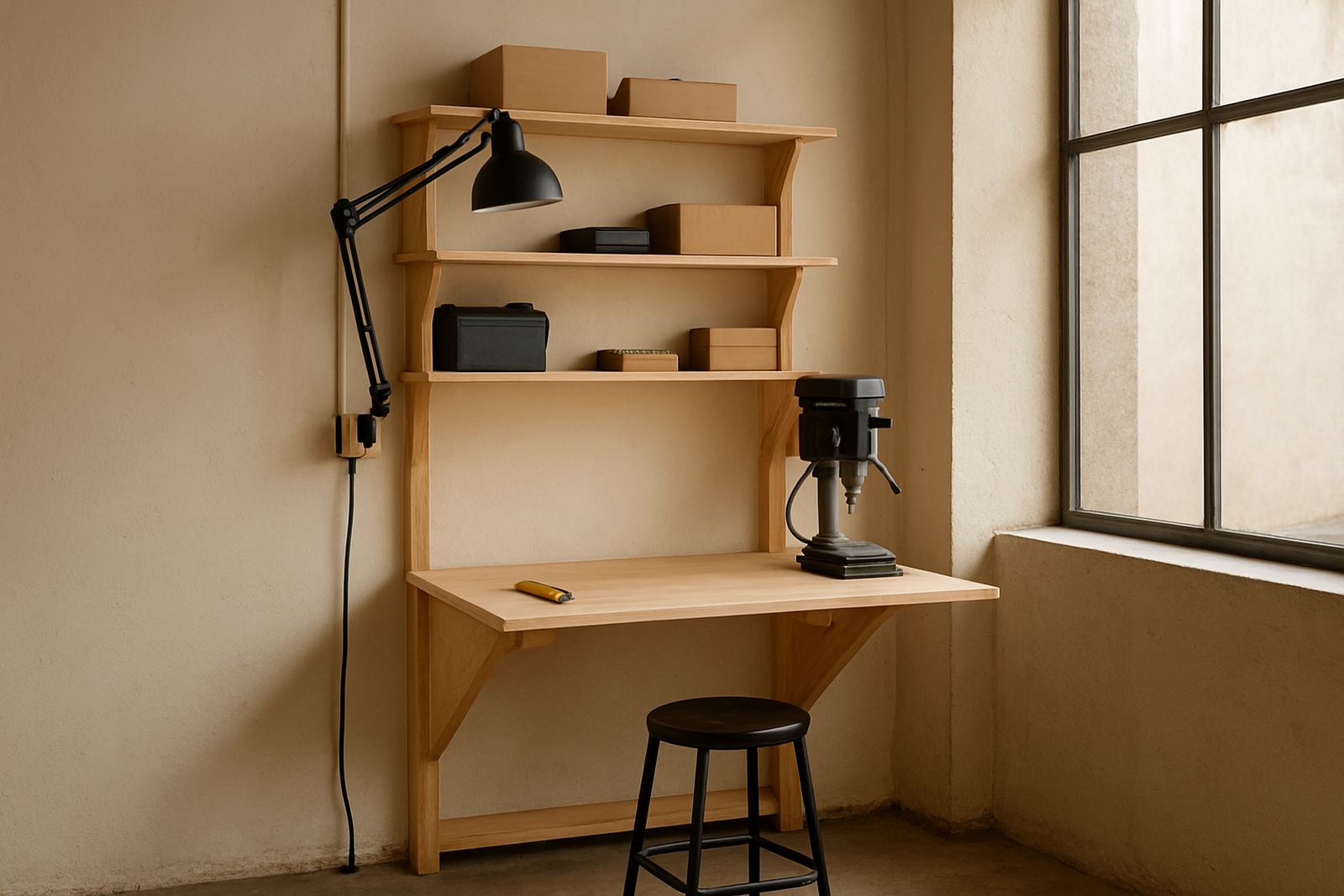
One useful example is a compact Braamfontein flat where a spare corner beside the lounge window was turned into a weekly making spot. The owner kept the footprint to under 2 square metres, used a folding worktop, one tall shelf and two sealed tubs, and ran a short checklist before and after every session. The result was a place for kit repairs, small school projects and prototype assembly without taking over the whole room.
That same approach works in Pretoria East homes, Durban apartments and family houses in Cape Town too. The details change, but the principle stays the same: define the task, keep the tools close, and avoid buying more storage than the room can carry. If the corner is for a school lab refresh, community event station or starter project area, it should still be simple to clean, easy to pack down and ready for the next person.
What to Include in a Starter Corner Kit
A starter kit should match the kind of work you plan to do, not a general idea of making. For a home corner, the best kits usually focus on organisation, hand tools and safety first. That keeps costs under control and helps the space get used straight away instead of waiting for a bigger future room.
Our team often recommends starting with the basics and adding more only after a month of use. That way you can see what gets picked up daily, what stays in the drawer and what was never needed. A smart kit makes the corner useful from day one.
- Compact hand tools for assembly and repair.
- Labelled storage tubs and parts trays.
- Task light and cable management items.
- Safety signs, gloves and a basic first aid kit.
- Surface protection for paint, glue or cutting work.
When the Space Needs a Proper Review
If the corner is becoming crowded, unsafe or too slow to use, it may be time for a maker audit. A review can show whether the layout is wrong, whether storage is too small or whether the space is being asked to do too much. In many homes, the fix is not more gear. It is a better arrangement and fewer mixed purposes in one spot.
SA Makers works with homes, schools, shared spaces and partner venues across Johannesburg, Pretoria East, Midrand, Soweto, Durban, Cape Town and Gqeberha. If you need support with space planning, tool zone layouts, startup space kits or member onboarding for a shared corner, the goal is the same: make the space practical, safe and easy to keep in use.