What Small Batch Production Means On The Shop Floor
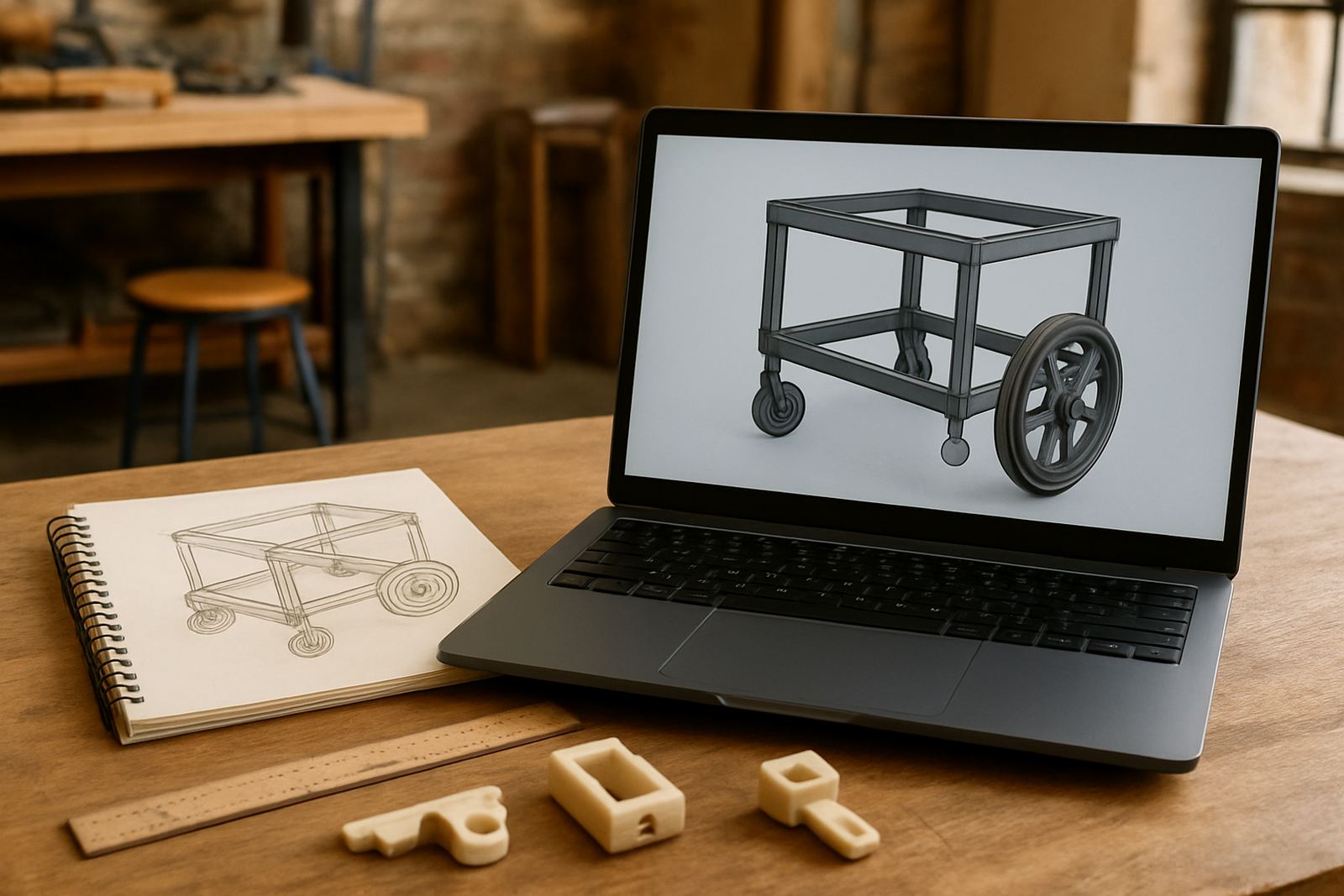
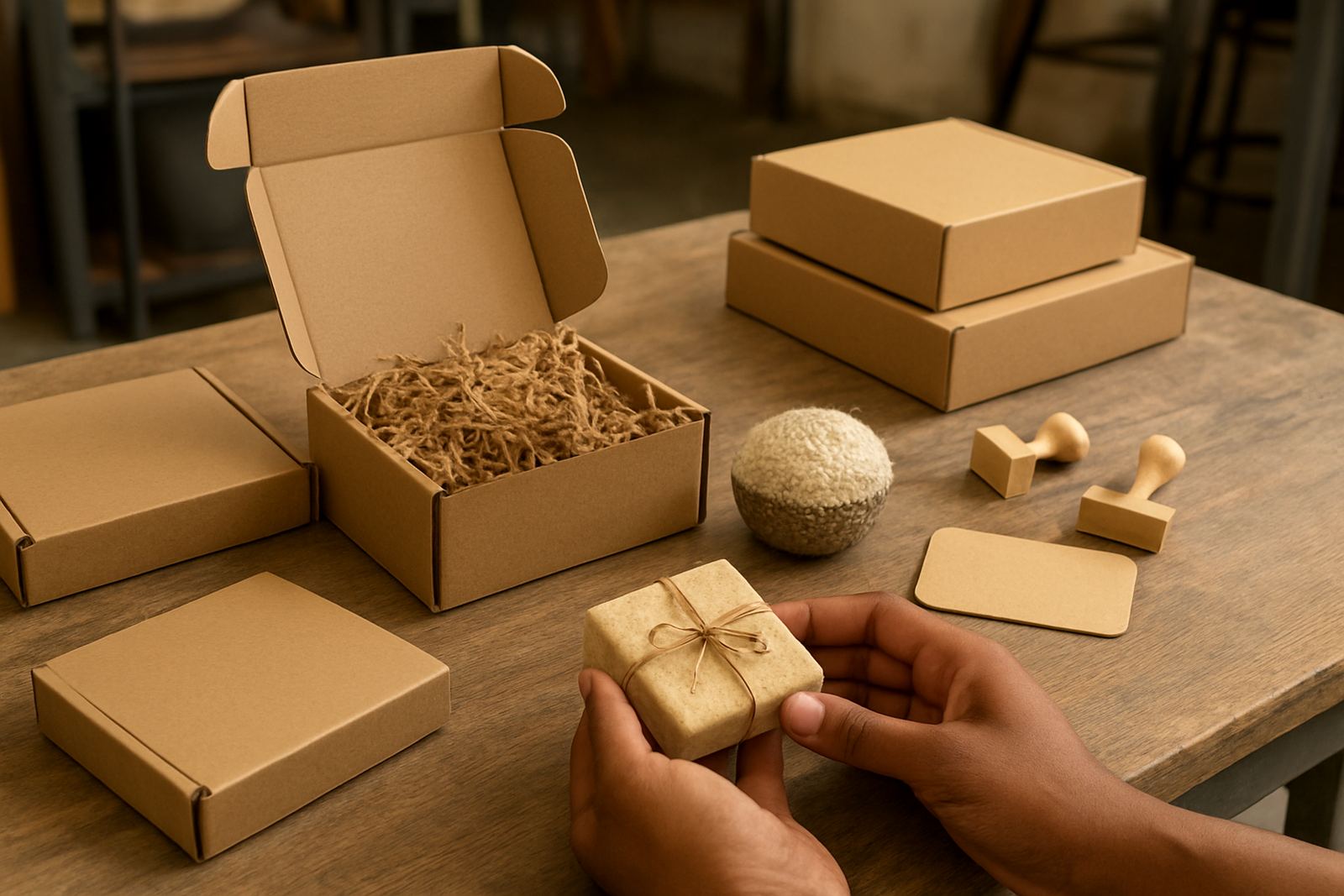
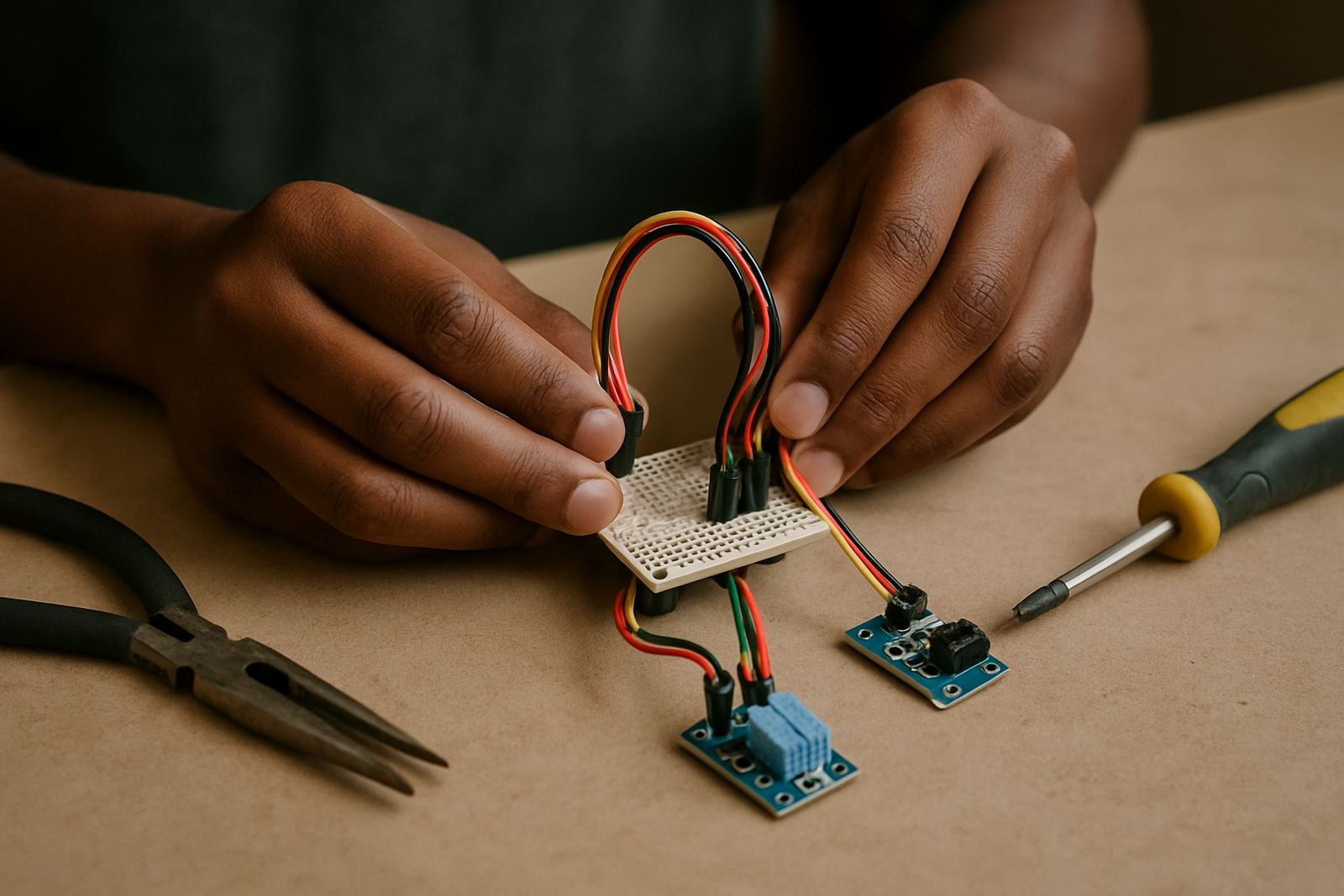
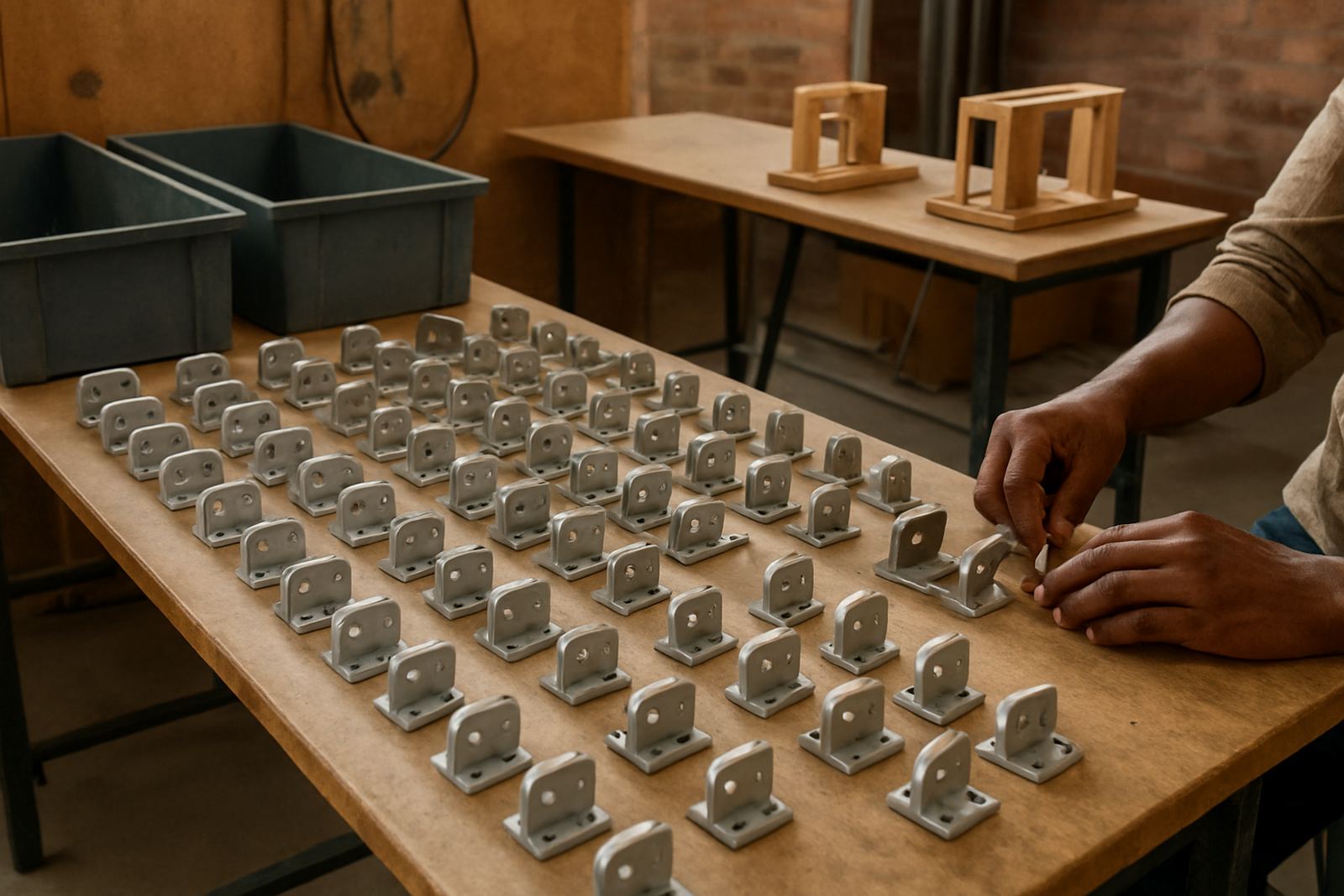
Small batch production is about making a limited number of the same item with consistent quality, without setting up a full factory line. It suits makers who produce 10, 25, 50 or 100 units at a time, whether that is wood products, welded frames, soft goods, signage, educational kits or mixed-material assemblies.
The focus is on repeatable steps, practical tooling and clear movement through the space. That means fewer delays, less rework and better control over materials. In Johannesburg, Durban or Gqeberha, where electricity interruptions, humidity and storage space can affect output, the right setup matters just as much as the tools themselves.
- Ideal for repeat orders and pilot runs
- Useful for workshops, maker groups and start-ups
- Helps standardise quality before you scale up
Planning The Workflow Before You Buy Anything
Good small batch production starts with the sequence of work. A clean flow from receiving materials to cutting, assembly, finishing, packing and dispatch reduces handling and mistakes. We help plan the layout so tools sit close to the tasks they support, with enough room for material movement and safe turnaround.
For many South African spaces, the practical issues are storage, dust control and loading access. If you are operating from Braamfontein, Midrand or Pretoria East, it helps to map delivery points, offloading routes and a packing area that can handle cartons, wrapping and labelling without blocking the main work zone.
- Input storage and picking area
- Primary work cell with jigs and measuring points
- Quality check, packing and finished goods storage
Typical Sizes, Options And Output Levels
Small batch production can be configured for a compact studio or a larger shared workshop. The right option depends on the product size, material type and volume you want to reach each week. A 20 m² space may suit bench-top assembly and packaging, while a 60 m² to 120 m² workshop can support cutting, assembly and finishing in separate zones.
Options often include portable jigs, modular benches, shelving, hand tools, powered equipment, storage bins and labelled consumable stations. If you need to test demand first, a starter layout can be built around one or two production cells, then expanded as orders pick up. That approach is often better than overbuying equipment upfront.
- Compact cell: 1 to 3 operators, limited product range
- Medium workshop: 4 to 8 operators, separate prep and finish zones
- Shared venue setup: flexible stations for mixed projects and teaching
Power, Gas And Service Needs For South African Conditions
Power planning is important when you use saws, compressors, extraction, heaters or charging stations. Many spaces now need a clear backup plan for load-shedding, including battery support for lights, routers and smaller tools, plus a safe restart procedure. If gas is used for heating or certain fabrication tasks, cylinders must be stored and handled according to municipal and safety requirements.
Coastal air in places like Durban and Gqeberha can affect metal tools and fasteners, so storage and maintenance should account for rust prevention. In Gauteng, dust and dry conditions can clog filters and settle on moving parts. A regular cleaning routine and a simple service log go a long way, and yes it saves money over time.
- Dedicated circuits for high-load equipment
- Battery backup or generator planning where needed
- Ventilation for fumes, heat and fine dust
Jigs, Fixtures And Consistency Between Runs
Repeatability comes from reducing guesswork. Jigs and fixtures hold material in the right position, so cuts, drill holes and assembly points stay the same from one batch to the next. This is especially useful when different team members share the same process, or when you need to train new members quickly.
We can help specify simple jigs for drilling, alignment, clamping and packing. Even a basic stop block, template or guide rail can improve output and cut waste. For school labs, training rooms and community maker spaces, this also makes supervision easier because the method is clear and visible.
- Cutting and drilling templates
- Assembly stops and clamping guides
- Labelling and inspection fixtures
Care, Servicing And Everyday Maintenance
Small batch production equipment needs regular care to stay accurate. That includes cleaning dust from motors and surfaces, checking fasteners, oiling moving parts where required and replacing worn blades, bits or belts before they affect output. For spaces near the coast, wipe down exposed steel after use and store consumables in sealed containers to limit moisture damage.
A sensible servicing schedule might be weekly cleaning, monthly checks and a fuller inspection every quarter. If you run events, school programmes or shared access sessions, the equipment should be checked before and after each use. A missed clamp, loose guard or blunt cutting edge can slow production and create avoidable risk.
- Daily wipe down and visual check
- Weekly tool inspection and consumable count
- Quarterly service review and replacement plan
What To Check When Ordering Your Setup
Before ordering a small batch production setup, check what you want to make, how many units you need per week, and how much floor space you actually have. It also helps to confirm material sizes, power availability, storage needs and who will run the line day to day. If the plan is for a school, venue or community workshop, include safety signage, onboarding and facilitator support from the start.
Clients in Sandton, Soweto, Durban or Cape Town often ask us to help match the production plan to the space, not the other way around. That usually means reviewing the product mix, checking the layout and choosing starter equipment that can handle the first batch without wasting money on overspecification.
- Product type, batch size and target output
- Available floor space, power and ventilation
- Training needs, storage and maintenance support
Key facts
| Product type | Small batch production planning and starter setup |
|---|---|
| Typical batch size | 10 to 100 units per run |
| Space range | About 20 m² to 120 m² |
| Power needs | Single-phase or three-phase depending on equipment |
| Gas needs | Optional, only where process requires it |
| Best suited for | Maker spaces, training venues, schools and small workshops |