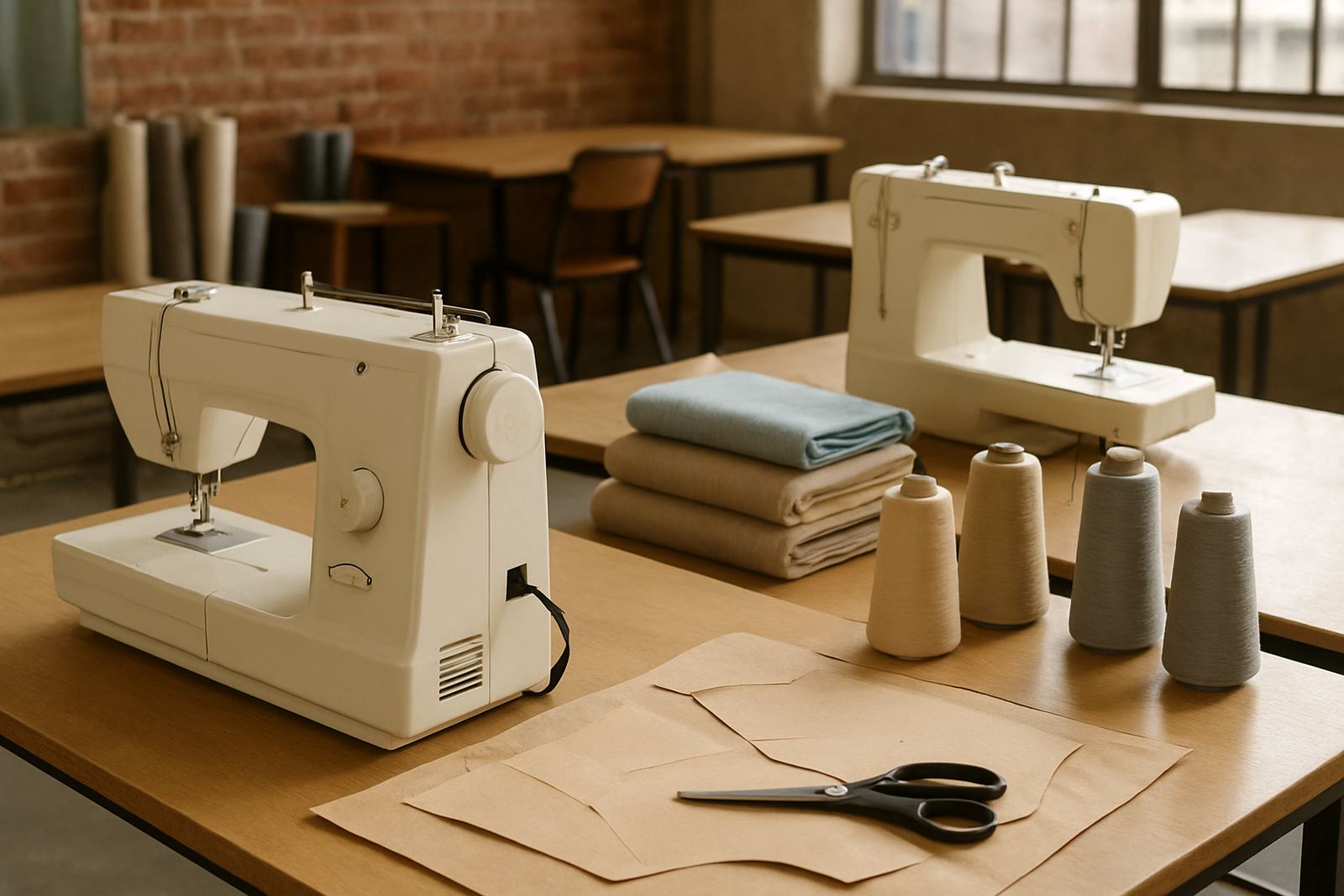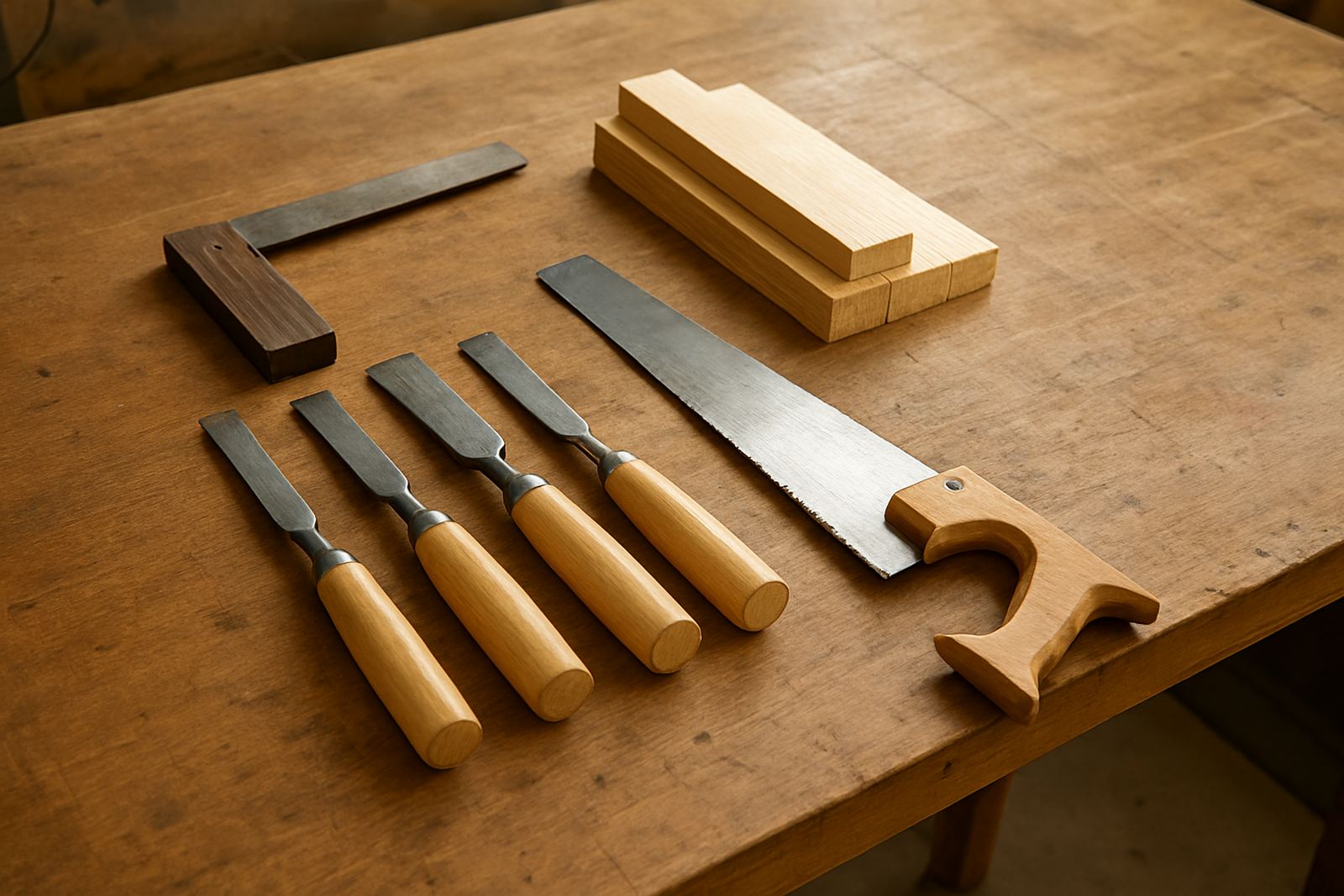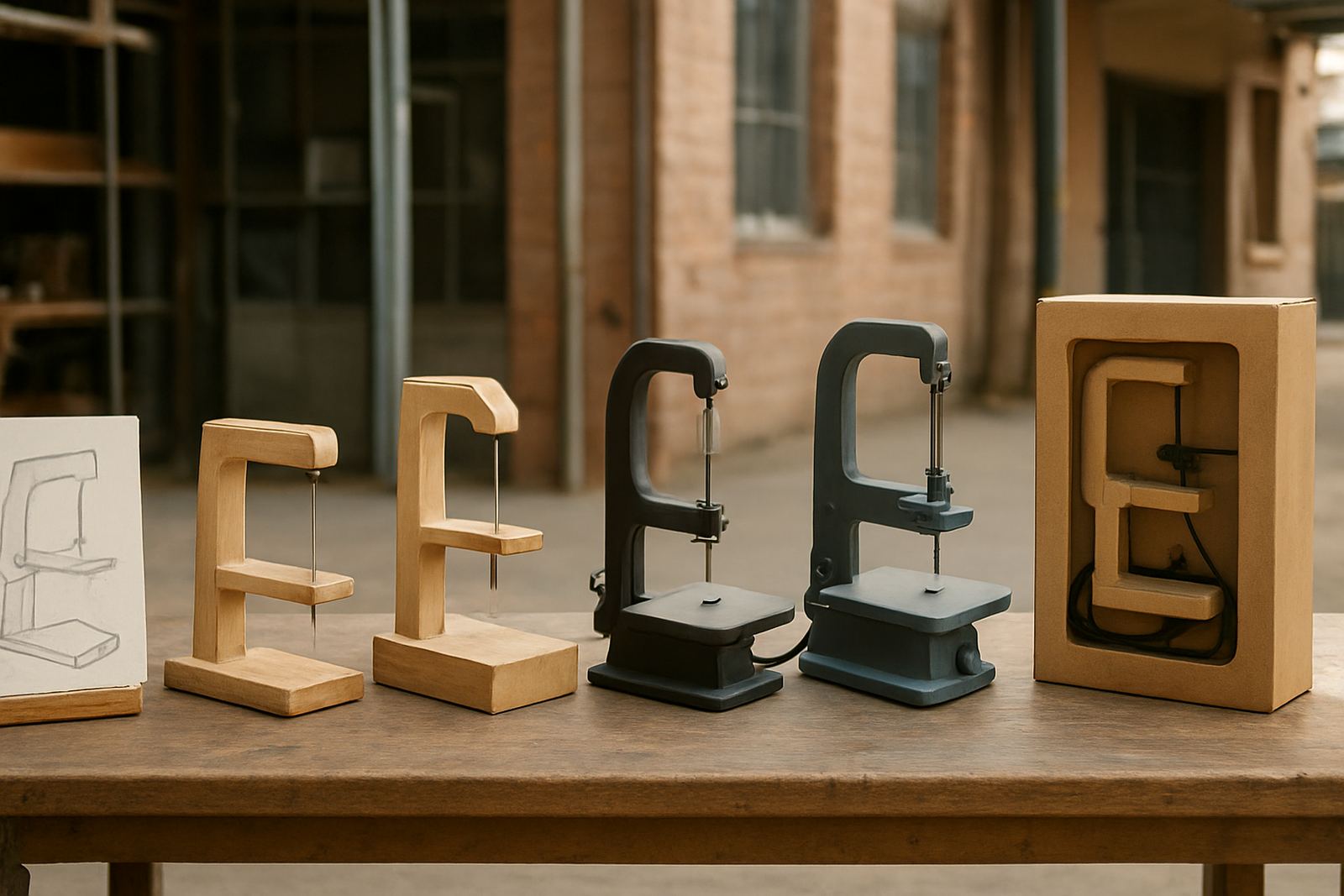
What Prototype To Product Covers
This course is built for makers who have a working idea but need help turning it into a repeatable product. It covers product definition, simple workflow planning, material choices, finishing checks and how to keep quality steady when you move from one-off samples to small batch production. The focus is on what local customers actually pay for, and what you can produce reliably with South African supply chains.
You get guidance on setting up a small run in a workshop or makerspace, including where to place cutting, assembly, drying and packing areas so people are not tripping over each other. The course also covers practical cost checks, because a product that looks good but eats labour and material is hard to sell at a fair price.
- Idea refinement for local market use
- Small batch workflow planning
- Material and finish selection
- Repeatability checks and simple quality control
Course Formats, Sizes and Options
Prototype To Product is offered as a focused one-day session, a two-day practical workshop, or a longer coached programme for teams that need hands-on support. A single-maker format suits solo producers and school teams, while group sessions are better for co-operatives, startup groups and makerspace members who want to learn together. We also support venue-based delivery at partner makerspaces and training rooms nationwide.
Typical group sizes range from 1 to 12 people for practical work, with 15 to 20 people possible for theory-led sessions. For larger groups, the work is split into stations so each person gets enough table space and tool access, rather than crowding one bench.
- 1 person coaching sessions
- Small group workshops for 4 to 12 people
- Team sessions for up to 20 people
- On-site delivery at partner venues in Braamfontein, Sandton, Midrand, Pretoria East, Soweto, Durban, Cape Town and Gqeberha
Where It Suits Best
This course suits makerspaces, school labs, startup workshops, community innovation hubs and small production rooms that need structure before scaling up. It is a good fit if you are working with wood, metal, fabric, plastic parts, board materials or mixed media products that need consistent sizing and finish. Many clients use it when they are preparing for markets, retail orders, custom client work or tender-style supply.
It is especially useful in places where load-shedding affects working hours, because the course helps you plan around power cuts by separating hand work from machine work. In coastal areas like Durban or Gqeberha, we also look at moisture and storage, since humidity can affect raw materials, adhesives and finished stock.
- Maker and fabrication spaces
- School technology rooms and after-school clubs
- Local product startups and market sellers
- Community workshops and NGO training venues
Setup, Power and Venue Needs
Most delivery venues only need standard tables, chairs, a clear working area and access to power for light tools, chargers or demo equipment. If the course includes powered tools, the venue should have enough sockets on separate circuits where possible, plus safe cable routing and basic ventilation. For sites in older buildings or shared spaces, we recommend checking breaker capacity before the session, especially where heaters, compressors or extraction fans may also be running.
No gas connection is usually needed for the course itself, although some product types may involve heat-based finishing or sealant curing. If so, the venue must allow for safe storage of consumables and proper supervision. The main point is not fancy kit, it is a clean, workable room with steady access and enough room for materials to be laid out without clutter.
- 2 to 4 tables depending on group size
- Stable chairs and clear walkways
- Standard power points for demo equipment
- Ventilation for sanding, adhesives or finishing work
Care, Servicing and Repeat Production
Once a product has been refined, the real work is keeping each batch close to the same standard. The course shows how to inspect jigs, measure key dimensions, clean tools after use and store materials so they do not warp, rust or pick up damp. In many Johannesburg workshops, dust management is just as important as accuracy, because fine dust builds up quickly and affects finish quality.
We also cover simple servicing routines for common workshop equipment, so you know what to check weekly, monthly and after heavy use. That includes cable checks, blade or bit wear, fastener tightness and safe storage of consumables. A small amount of maintenance done regularly is cheaper than emergency repairs later on.
- Weekly cleaning and visual checks
- Monthly alignment and wear inspection
- Dry storage for boards, fabrics and adhesives
- Clear label system for stock and offcuts
What To Check When Ordering
Before booking, confirm what you want to make, how many units you need per week, and which materials you already have on hand. It also helps to know your target selling price and where the product will be used, because a school product, market item and small retail item all need different levels of finish. If you are not sure, bring a sample, sketch or rough photo and the team can help you work out the next step.
Check the lead time for your venue, trainer support and any starter materials required for the session. If your site has limited storage or shared access hours, mention that early so the layout and pace can be planned around it. Small things like table size, packing space and access times can affect the whole job, so it is worth getting them right before the booking is confirmed.
- Product idea, sample or drawing
- Expected batch size and target price
- Available venue space and access hours
- Power access, ventilation and storage needs
Key facts
| Course type | Practical training for taking a prototype into repeatable small batch production |
|---|---|
| Typical duration | 1 day, 2 day or coached programme |
| Group size | 1 to 20 people depending on format |
| Venue fit | Makerspaces, schools, workshops and training rooms |
| Power needs | Standard sockets for demo equipment, with safe cable management |
| Best suited to | Makers producing local market goods, custom orders or school project products |