What Family Making includes
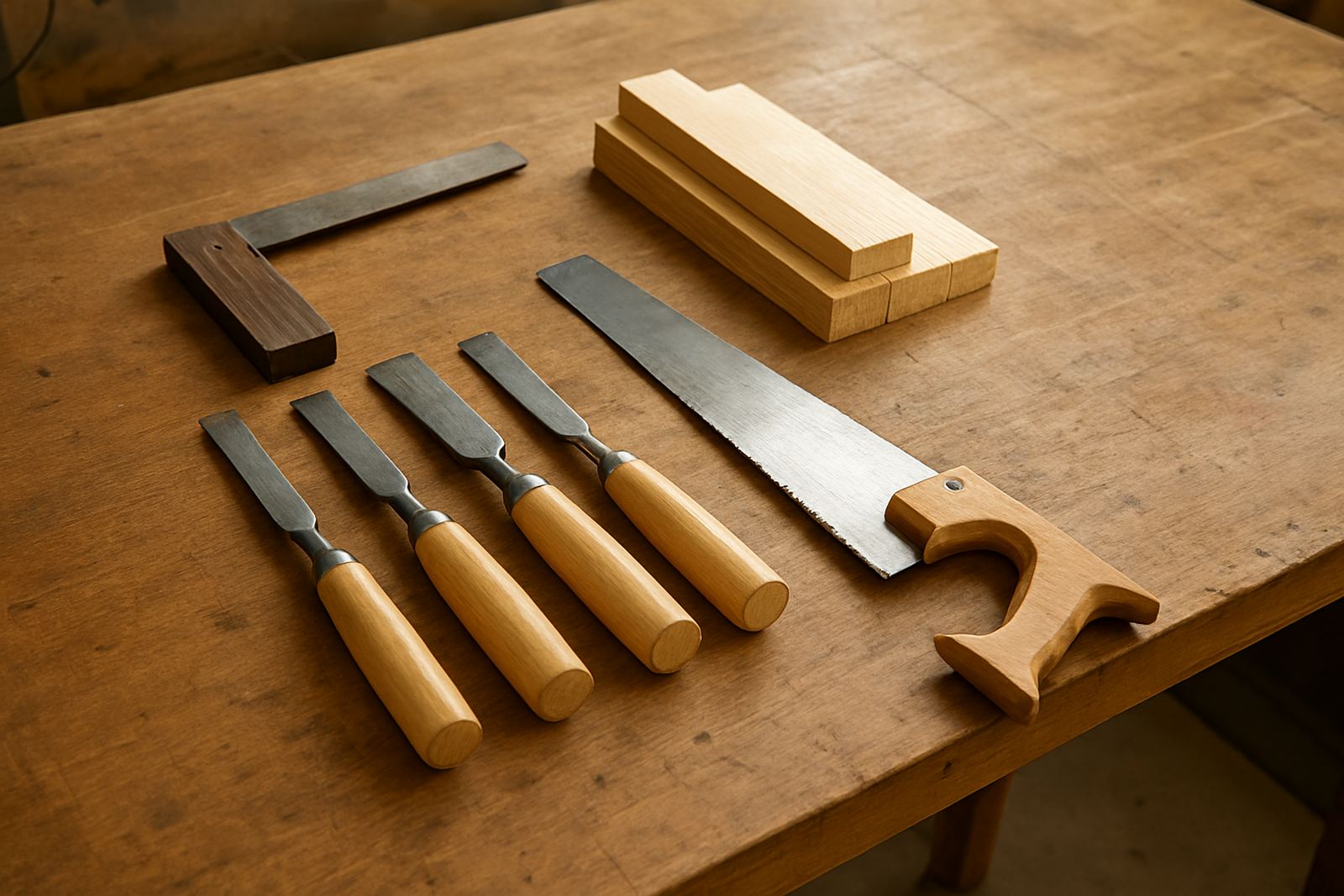
Family Making is a guided workshop format for groups who want to make something hands-on without needing prior experience. Sessions are run around one simple project at a time, such as a small storage crate, timber key rack, bird feeder, planter box or a basic LED learning piece for older children. The aim is to keep the build clear, safe and achievable in one sitting, while still giving each family member a job to do.
Each session is planned around age-appropriate steps, with cutting, sanding, assembly and finishing set out in plain language. Families can work at shared tables or in small bays, depending on the venue. We also allow for mixed age groups, so younger children can help with marking, sanding and decorating while adults handle the sharper tools.
- Suitable for 2 to 6 people per family group
- Project time: 90 minutes to 3 hours
- Works best for ages 6 and up, with adult supervision throughout
- Includes basic hand tools, fixings and project materials
Sizes, formats and project options
Family Making is offered in a few practical formats so the session fits the space, age group and budget. A compact format suits birthdays or holiday activities, while a larger format can be used for school groups, community days or corporate family events. We can also adjust the project size if the venue has limited tables, or if the group needs a quicker finish because of transport timing.
Most projects are built from timber, board offcuts, cardboard engineering kits or simple mixed material sets. Where needed, we can include pre-drilled parts to reduce tool time and keep the focus on assembly. For smaller children, parts are larger and fewer in number. For older children and teens, we can add more measuring, fixing and finishing steps so the session still feels practical.
- Small format: 4 to 8 participants, ideal for home-style venues
- Medium format: 8 to 16 participants, suited to schools and makerspaces
- Large format: 16 to 30 participants, for event spaces and community halls
- Project complexity can be set at beginner or mixed-skill level
Where it suits best in Johannesburg and beyond
This product suits makerspaces, school halls, church venues, community centres, corporate family days and training rooms that have enough surface space for safe working. In Braamfontein and central Johannesburg, it works well for weekend family programmes and holiday workshops. In Sandton and Midrand, it is often used for staff family days or hosted events with a structured timetable. In Soweto, Pretoria East, Durban, Cape Town and Gqeberha, the format suits both indoor venues and sheltered outdoor areas, provided there is stable table space and weather cover.
It also suits partner venues that already support basic tool use, since the family group can move through a simple flow without needing a full workshop setup. If the venue is in a coastal area like Durban or Gqeberha, we recommend sealed timber and dry storage for components because humidity can affect glue-up and finishing. In inland venues like Pretoria and Johannesburg, dust control matters more, especially in open halls or rooms next to parking areas.
- Good for family events, holiday clubs, school open days and community outreach
- Useful where you want a calm, supervised build rather than a high-noise activity
- Works in indoor rooms with decent ventilation and clean table surfaces
- Can be adapted for municipal venues with set operating hours and access rules
Installation, power and site needs
Family Making does not need heavy installation, but it does need a proper setup before participants arrive. A level floor, tables at comfortable height and enough room to move safely around each group are essential. For a typical session, allow one table per family or one long table with marked working zones. Chairs should be stable, and the venue should have good lighting so children can see measurements and joining points clearly.
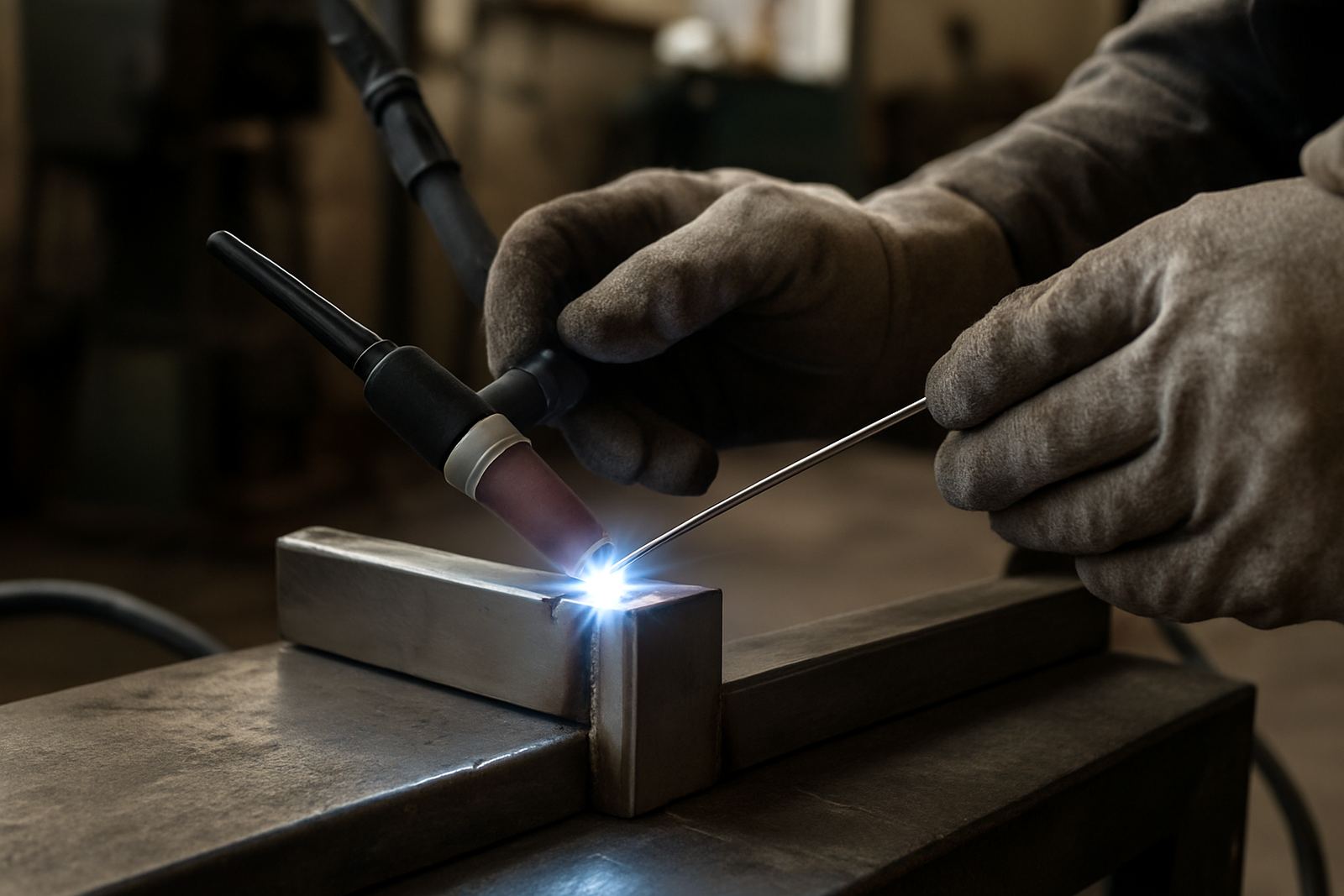
Power needs are modest. A standard session may use small charging tools, a glue gun, or task lights if the venue lighting is poor. If the activity includes any powered tools, we advise a circuit that can handle light workshop loads without tripping. In areas affected by load-shedding, battery lighting and pre-charged tools are worth planning for. No gas is required for the standard format, though some venues choose to add a small warming station for finishing materials, which must be handled only by trained adults.
- Space allowance: about 2 to 3 square metres per family group
- Clear walkways of at least 900 mm around the work area
- Access to plug points is useful but not essential for every format
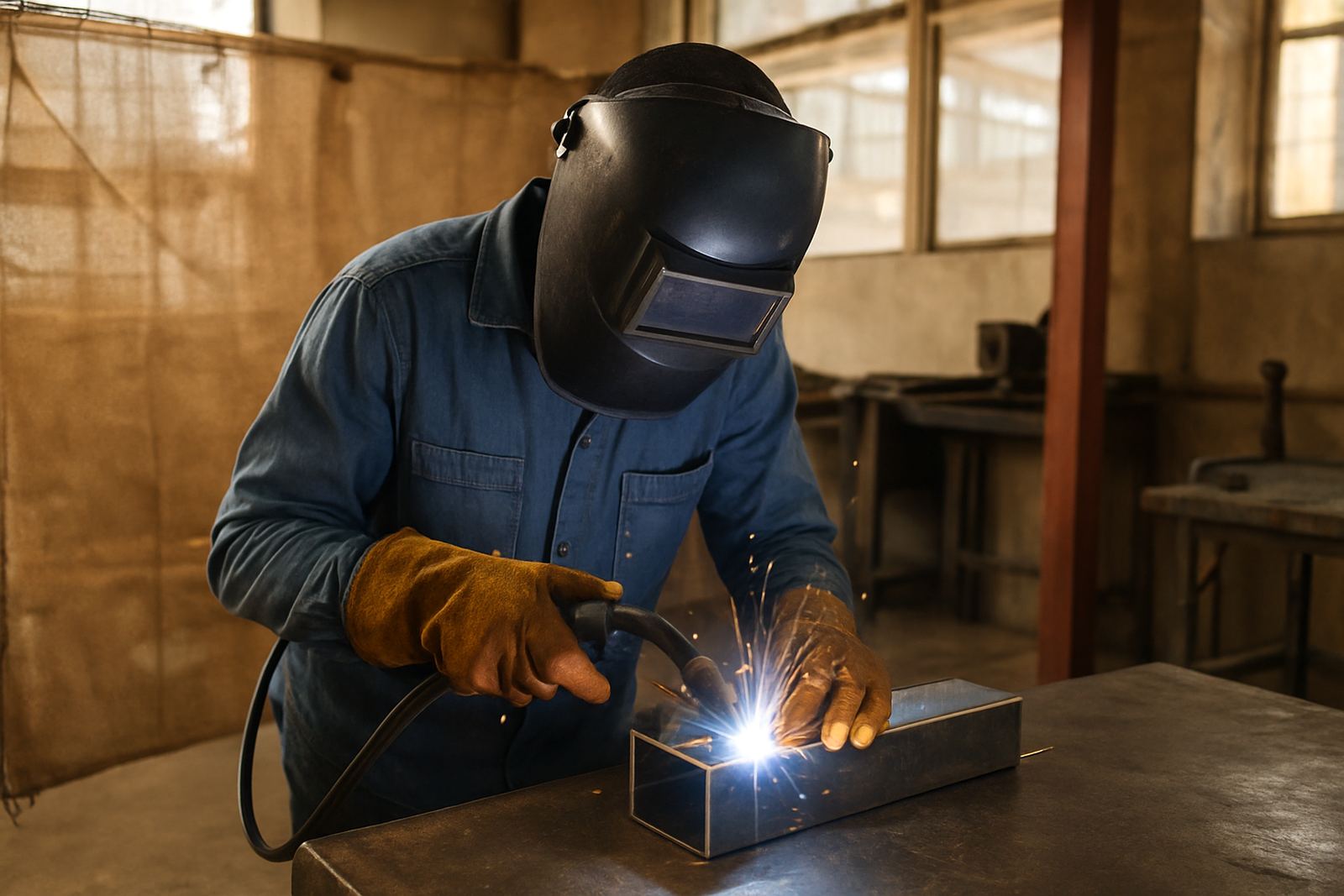
- Ventilation needed if glue, paint or sealant is part of the project
Care, cleaning and post-session servicing
After a Family Making session, the venue should be cleared of offcuts, dust and small fixings so the area is ready for the next group. Tables should be wiped down, tools checked back in, and any remaining consumables counted. If the project includes glue or paint, the surface should be left to cure in a dry area before packed for take-home.
We recommend routine checks on tool handles, cutting edges, extension leads and storage tubs. For venues running regular family sessions, a simple monthly service plan helps keep the setup tidy and safe. If the workshop sees heavy use, consumables planning matters more than people expect, because screws, sandpaper and glue sticks disappear fast when children are involved, sometimes faster than planned.
- Keep tools in labelled containers by family or station
- Store timber and board flat to prevent warping
- Check adhesives for expiry dates and storage temperature
- Replace worn sanding sheets and blunt blades before the next booking
What to check before you order
Before booking Family Making, check the number of participants, age range, venue size and how much time you have. It also helps to decide whether you want a single finished project for everyone or a choice of two simpler builds. The best results come when the project matches the skill level of the group and the venue can support the pace without rushing.
You should also confirm if the venue can provide tables, chairs, cleaning materials and storage for take-home items. If children are under 12, adult supervision must be counted into the final headcount. For community venues, it is sensible to check access times, parking and whether sound or tool use is limited by local rules. If you are ordering materials only, confirm whether you need pre-cut parts, labelled packs or extra consumables for repeat groups.
- Participant count and age range
- Session length and finish time
- Indoor or sheltered outdoor location
- Need for pre-cut parts, tool packs or full facilitator support
Key facts
| Session format | Shared guided workshop for families |
|---|---|
| Typical group size | 2 to 30 participants, depending on venue |
| Session duration | 90 minutes to 3 hours |
| Power requirement | Optional low-power lighting or small charging tools |
| Gas requirement | Not required for standard sessions |
| Recommended venue size | 2 to 3 square metres per family group |