What Safety Essentials cover in a working space
Safety Essentials are the basic items and practices that keep a making space orderly and easier to use. They cover personal protection, visible safety notices, cleaner storage, first-response readiness and the small controls that stop common workshop problems before they start. In a Braamfontein training room or a Soweto school lab, that can mean the difference between a tidy session and a rushed, messy one.
The range is usually put together around the risks in the room, not just around a shopping list. That means thinking about cutting tools, heat, dust, chemicals, moving parts and wet floors. It also means planning for load-shedding, poor ventilation in older buildings and the kind of day where ten people arrive at once and leave material offcuts everywhere.
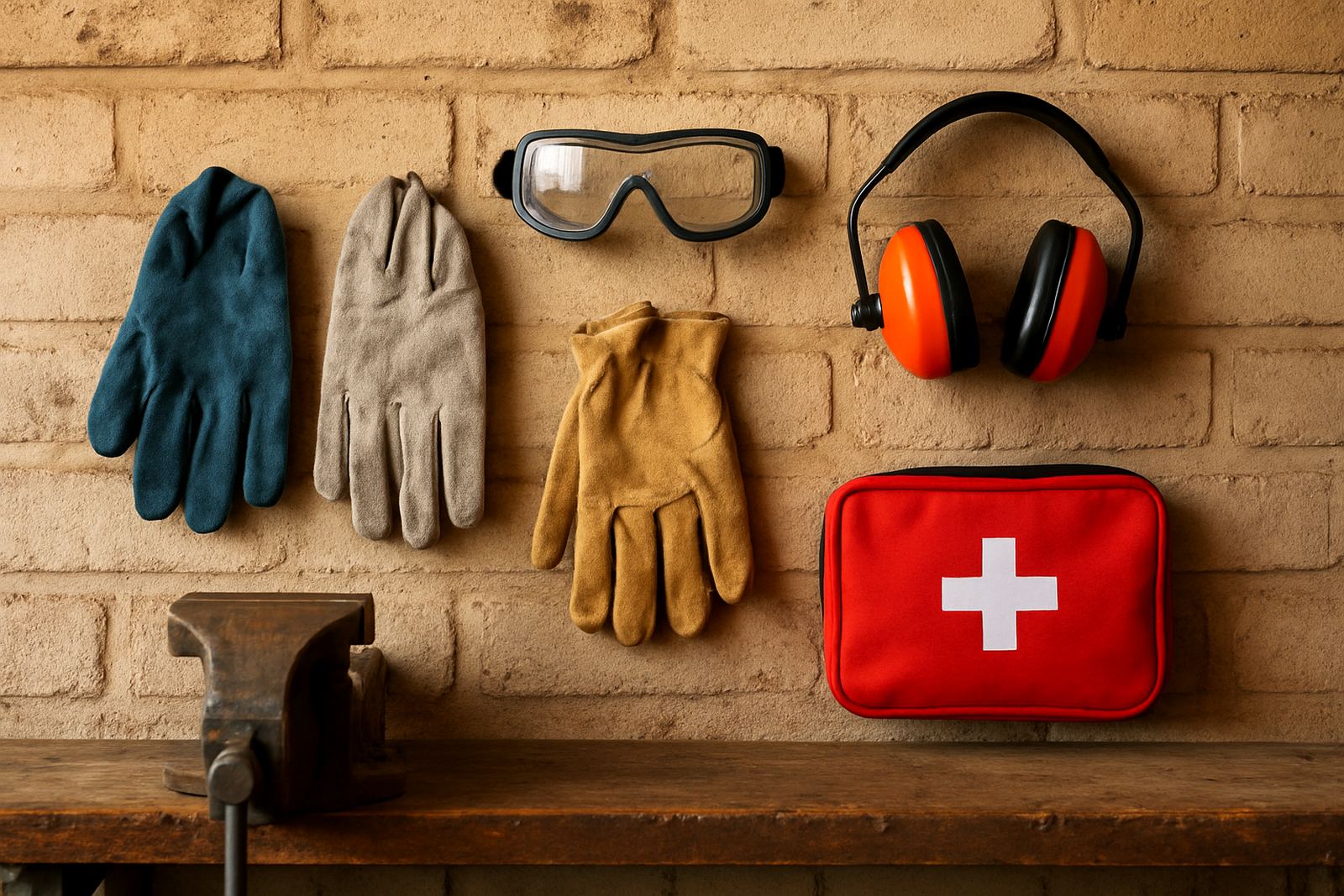
- PPE for eyes, hands, hearing and respiratory protection
- Clear signage for restricted areas, PPE zones and emergency points
- Housekeeping items such as bins, sweep tools and storage labels
- First-aid and spill response basics for workshop use
Options for different workshop sizes and age groups
Safety Essentials can be supplied for a single bench area, a teaching room, or a larger shared makerspace. Smaller rooms often need a starter set with 2 to 6 users in mind, while busy community spaces usually need matching sets for 10, 20 or more people, plus spares for visitors and new members. For schools and youth programmes, we keep the focus on simple controls that are easy to explain and easy to check.
Typical options include mixed PPE packs, wall-mounted sign packs, labelled storage points and a starter housekeeping pack for cleaning up after each session. Where tools are used in shifts, it helps to separate items by zone so that grinders, saws and soldering points dont share the same gloves or the same storage bin.
- Small room pack for 2 to 6 users
- Club or makerspace pack for 10 to 20 users
- Training room set with signage, PPE and clean-up points
- School lab refresh pack for supervised practical lessons
Where Safety Essentials suit best in Johannesburg and beyond
These products suit places where tools are shared and people rotate in and out through the week. In Johannesburg, that includes Braamfontein studios, Sandton innovation rooms, Midrand training sites and Pretoria East school labs. They also work well in coastal spaces in Durban and Gqeberha, where humidity can affect storage, rust and slippery floors if housekeeping slips.
Safety Essentials are also useful for pop-up maker stations at events, local entrepreneur hubs and community workshops that run after hours. If a venue has municipal fire rules or building access limits, signage and clear exit paths become part of the set rather than an afterthought. That matters most when a room is used for soldering, light fabrication or any task that creates dust, heat or fumes.
- Shared workshops with frequent new members
- School and college practical rooms
- Temporary event maker stations
- Spaces with mixed hand tools and power tools
Installation, mounting and power or gas needs
Most Safety Essentials items are simple to place, but the way they are arranged matters. Wall signs should sit at eye level near entrances, tool points and exits. PPE storage should be dry, easy to reach and kept away from sparks, solvents and wet mop buckets. Floor markers and bins should not block walkways or emergency access, especially in narrow rooms with two doors or fixed worktables.
Some setups may include task lighting, charging points for inspection gear or a powered cabinet for small devices. Where gas is used for soldering or flame work, keep the area ventilated and confirm cylinder storage rules before ordering. It is also worth checking whether the site needs extra extension protection during load-shedding, since a dark workshop is a safety issue even when no tools are running.
- Wall mounting for signs and notices
- Dry storage for PPE and consumables
- Clear access to exits, extinguishers and first-aid points
- Ventilation and gas control for heat or flame tasks
Care, cleaning and routine checks that keep gear useful
Safety gear lasts longer when it is checked as part of the daily close-up routine. Eye protection should be cleaned after use and stored so lenses do not scratch. Gloves should be inspected for cuts, thinning or chemical staining. Signage must stay legible, since faded notices get ignored faster than you think. In coastal towns, salt air can rust fasteners and brackets, so metal fittings need regular attention.
A good servicing routine looks at torn straps, missing labels, worn floor markings, blocked exits and any item that has been moved from its original spot. Replace consumables before they run out, not after. If your space hosts classes, note the date of every inspection and assign one person to sign off the room. That small habit saves time later and keeps the room consistent from one shift to the next.
- Weekly check of PPE condition and storage
- Monthly review of signage, labels and exit routes
- After-use cleaning for dust, oil and residue
- Immediate replacement of damaged or missing items
What to check before you place an order
Before you order Safety Essentials, count users, list the tools in the room and note any special risks such as heat, dust, chemicals or sparks. That tells you whether you need a basic pack or a wider set with extra signage and storage. It also helps to check the room size, ceiling height and wall space, because a cramped room needs slimmer fittings and clearer routes. Not every space can take the same setup, even if the work looks similar.
Also confirm who will manage the kit day to day. If one facilitator handles sign-off and one support person handles cleaning, the system stays tidy. If the room is shared by several teams, agree on the same labels, the same PPE rules and the same close-down checklist. The best order is the one that fits the people using the room, not just the tools on paper.
- User count and session frequency
- Tool types, heat sources and chemical use
- Available wall space, storage and floor area
- Who checks, cleans and replaces items
Key facts
| Product type | Workshop safety kit and signage set for shared making spaces |
|---|---|
| Typical sizes | Starter sets for 2 to 6 users, medium sets for 10 to 20 users, custom packs on request |
| Core contents | PPE, signage, storage labels, housekeeping items and first-response basics |
| Mounting | Wall fixings, freestanding options and shelf or cabinet placement |
| Power or gas needs | Usually none; optional task lighting or gas-area controls may apply |
| Suitability | Makerspaces, school labs, training rooms, event stations and small workshops |