What the upcycling projects range includes
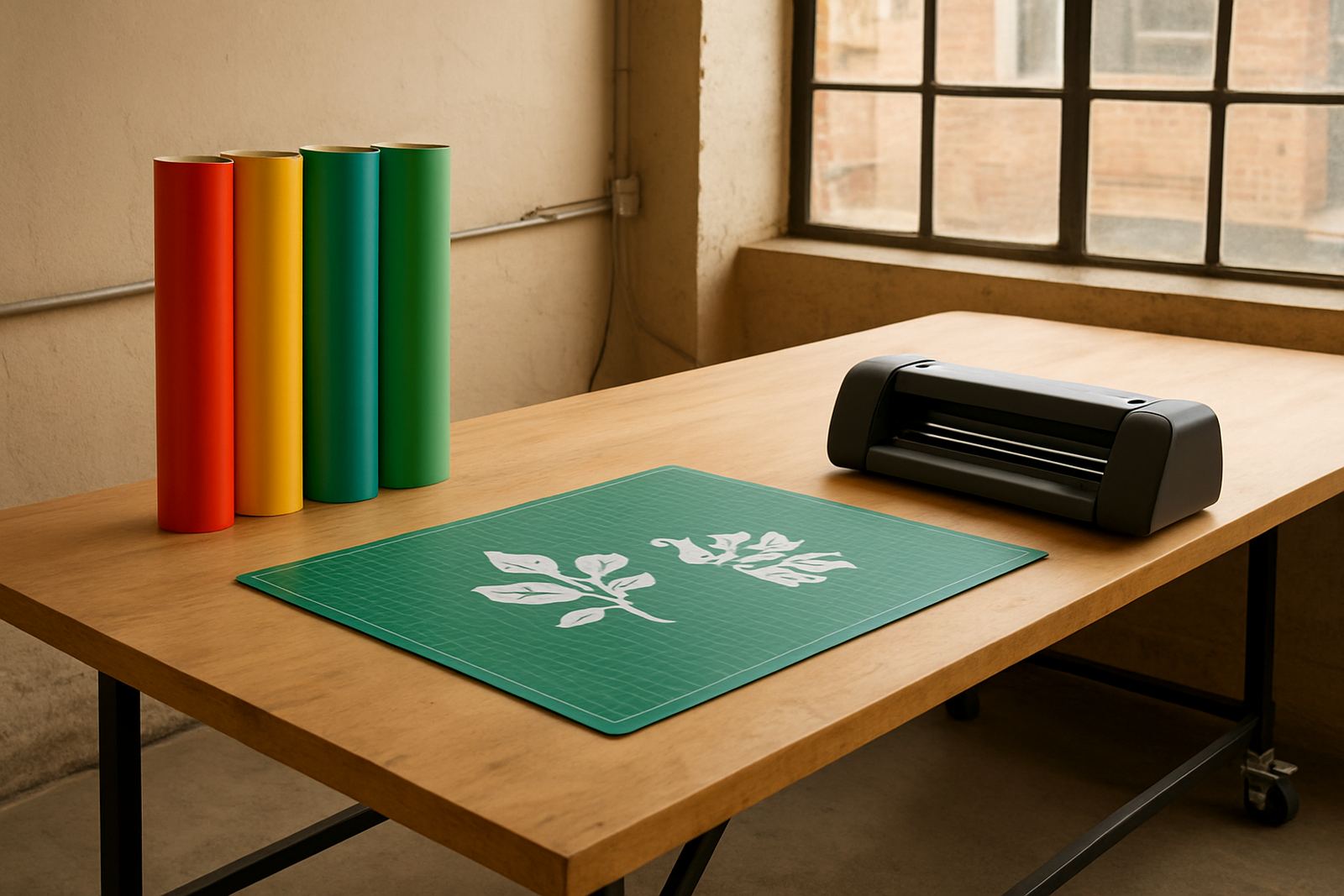
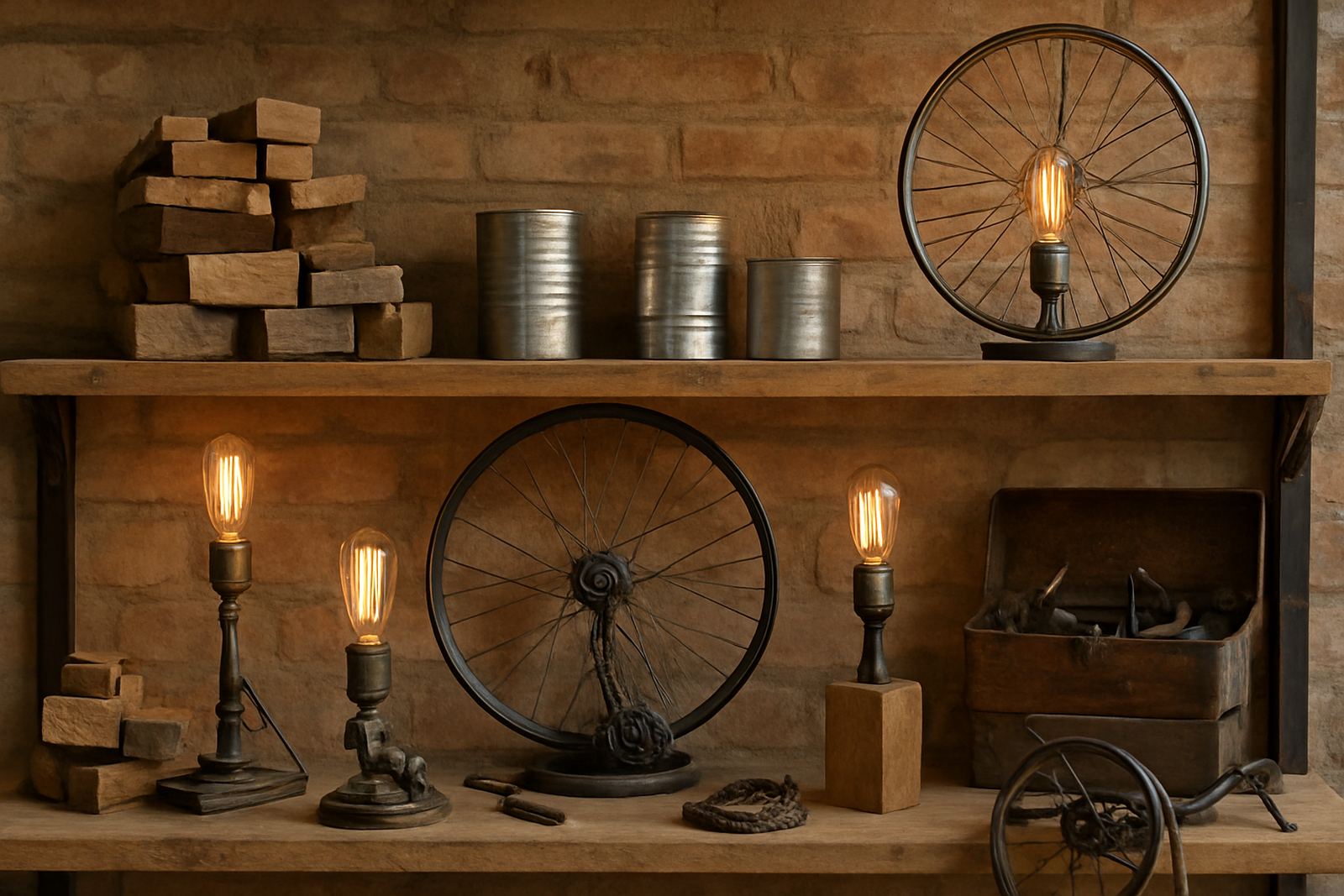
Our upcycling projects range is built for hands-on work with materials that are easy to source locally, such as cardboard, timber offcuts, plastic containers, fabric remnants, wire, pallet timber and sheet scraps. The aim is to help teams turn low-value waste into storage items, display pieces, classroom aids, organisers, plant holders and simple retail goods without needing a full industrial setup.
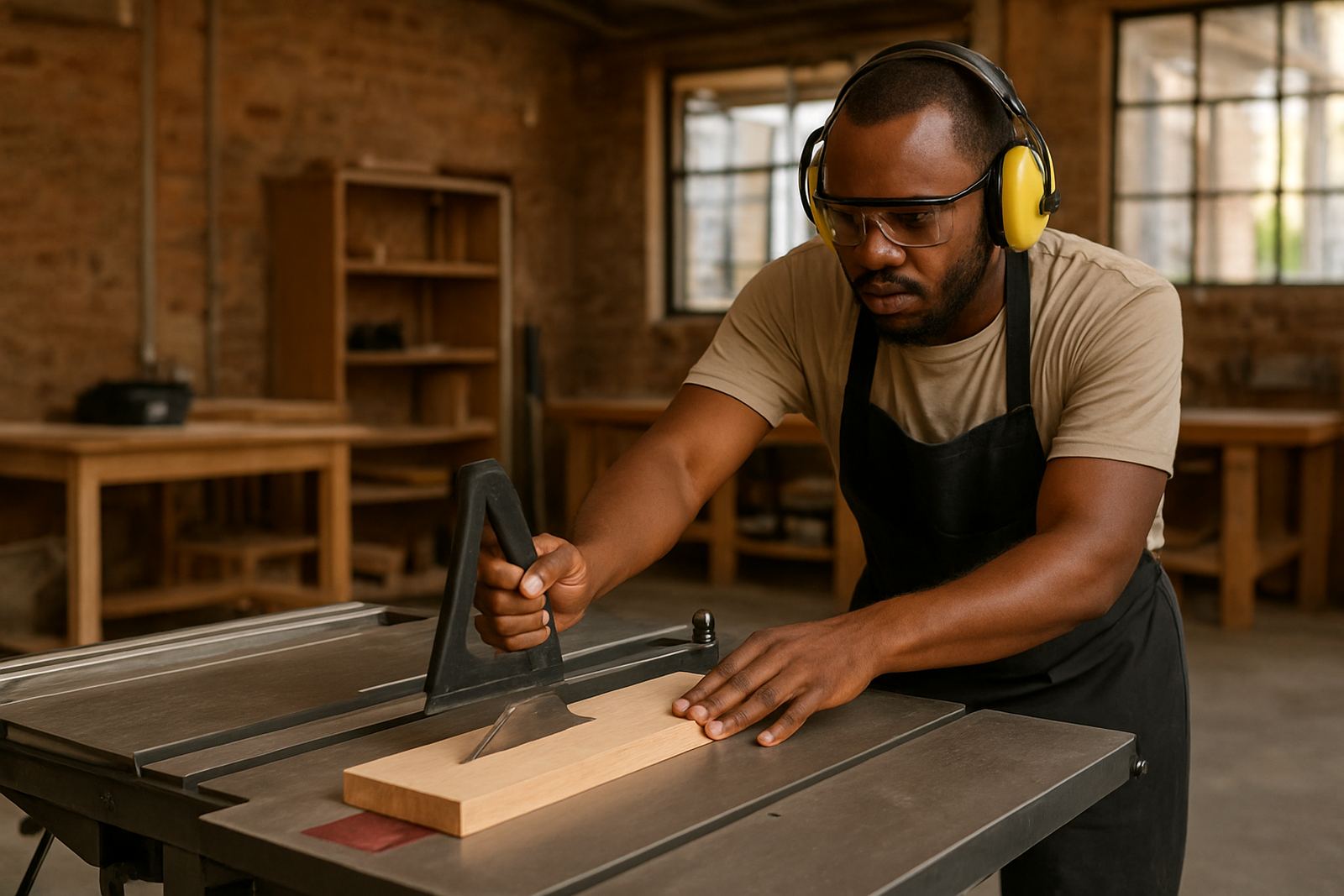
Each project can be matched to your space, skill level and output target. For a school lab in Soweto or a community makerspace in Durban, that might mean lightweight hand tools and a low-noise workflow. For a production room in Midrand or Sandton, it can mean clearly marked stations, batch sorting and repeatable jigs. The focus is practical, with enough structure to keep the work moving and enough flexibility to suit local materials availability.
- Suitable for one-off making, training sessions or small batch production
- Works with mixed waste streams collected from shops, offices, schools and homes
- Can be scaled from a single table setup to a full maker bay
- Useful for community projects, school programmes and starter business units
Sizes, formats and project options
Upcycling projects are offered as starter-friendly sets or larger workshop programmes. A compact kit is ideal if you want to test demand first, while a larger option suits groups that need enough material for repeated sessions. Common formats include tabletop projects, floor-standing builds, wall-mounted organisers and modular pieces that can be repeated in batches.
Typical work area needs start at about 2 metres by 1.2 metres for a small project station, with a clear walkway around cutting and assembly points. For a full class or team session, allow at least 12 to 20 square metres, depending on the number of people and the tools in use. We also help you plan storage for incoming waste, drying space for painted parts and finished goods waiting for collection or sale.
- Starter set for 4 to 6 people
- Training set for 8 to 12 people
- Batch production layout for maker teams and school groups
- Custom project mix based on material type and output goal
If you work in a coastal area like Gqeberha or Cape Town, we can factor in moisture and salt air so fixings, coatings and storage are chosen with that in mind. Inland spaces often need dust control and better ventilation instead, especially where sanding or cutting happens daily.
Where these projects suit best
These projects are a good fit for makerspaces, school labs, youth programmes, corporate social investment projects, recycling hubs and small workshops that want useful output from surplus material. They also work well for teams that need a practical activity for events, maker days or facilitator-led training. In Johannesburg, Braamfontein and Pretoria East venues often use them for short courses and community engagement. In Soweto and Durban, they are often used for recycling awareness and skills transfer.
Because the work is modular, you can set it up for people with different levels of experience. A beginner can sort, measure and assemble. A more experienced maker can handle cutting, drilling, fastening and finishing. That makes it easier to run mixed sessions without slowing everyone down. It also helps when you are onboarding new members and want a clear first project that is manageable but not boring.
- Schools and TVET-style training spaces
- Maker hubs and shared workshop venues
- Retail activation zones and event stations
- Small businesses testing recycled product lines
Installation needs, power and workshop setup
Most upcycling work needs a basic bench setup, good lighting and clear airflow. Power requirements depend on the tools you choose. Hand-tool based projects may only need socket access for charging or light equipment, while powered setups may need a stable supply for saws, sanders, heat tools or charging stations. Where load-shedding is a regular issue, we help plan for battery backup, manual process steps and workflow that can pause safely without losing the job.
Gas is not required for most upcycling projects, although some workshops use heat guns or small thermal tools. If your venue has gas restrictions, municipal rules or shared building limits, we can plan around that and keep the setup fully electric or manual. Safety signage, fire extinguishers and waste bins should be placed before training begins, not after. A little prep saves a lot of trouble, and it keeps the space tidy too.
For larger teams, we recommend separate stations for sorting, cleaning, cutting, joining and finishing. That gives you better control over movement and reduces congestion. It also makes supervision easier, especially in busy venues where people are working at different speeds.
Care, servicing and material handling
Upcycled products last longer when the base material is cleaned properly before assembly. Wash plastics and containers, remove loose staples from cardboard, check timber for splits and keep metal offcuts free from rust. Finished items should be stored off the floor and away from direct water splash. In humid coastal areas, regular inspection matters more because moisture can loosen fixings and weaken cardboard and untreated timber faster.
For ongoing servicing, plan a simple monthly check of joints, edges, coatings and fasteners. If your items are used in schools or public spaces, inspect them more often because heavy use can loosen screws and wear surfaces quickly. Any sharp edges should be sanded back and any peeling finish should be repaired before the next session. A small maintenance routine keeps the projects useful instead of turning into clutter.
- Clean incoming material before it enters the work area
- Store dry materials separately from wet or contaminated waste
- Check fixings, edges and coatings on a regular schedule
- Replace worn parts before they become a safety issue
What to check before you place an order
Before ordering, confirm what waste streams you already have, how many people will take part, and whether your goal is training, community output or small-scale sales. The right project kit depends on material size, the tools available, the floor space you have and how much storage you can spare. If you are running a maker audit or setting up a new activity area, it helps to list the exact items you want produced, such as organisers, display units or storage crates.
You should also check access to power points, noise limits, ventilation, and whether your venue allows cutting, heating or spray finishing. In some buildings, shared access rules mean you need quieter methods or shorter setup times. If the space is in a school, community hall or mixed-use building, it is worth confirming the daily schedule so the work does not clash with classes or other users. The cleaner the brief, the better the result.
- Material type and volume available each month
- Expected number of users per session
- Available floor space and storage space
- Tool access, power supply and ventilation
Key facts
| Project type | Upcycling workshop product set for training and small output |
|---|---|
| Typical footprint | 2 m x 1.2 m minimum for a starter station |
| Team size | 4 to 12 people per set, depending on layout |
| Power needs | Manual, light power or full tool station depending on tools chosen |
| Material inputs | Cardboard, timber offcuts, plastics, fabric remnants, wire and mixed scrap |
| Best environments | Schools, makerspaces, community hubs, retail events and small workshops |