What Holiday Club Makerlab Includes
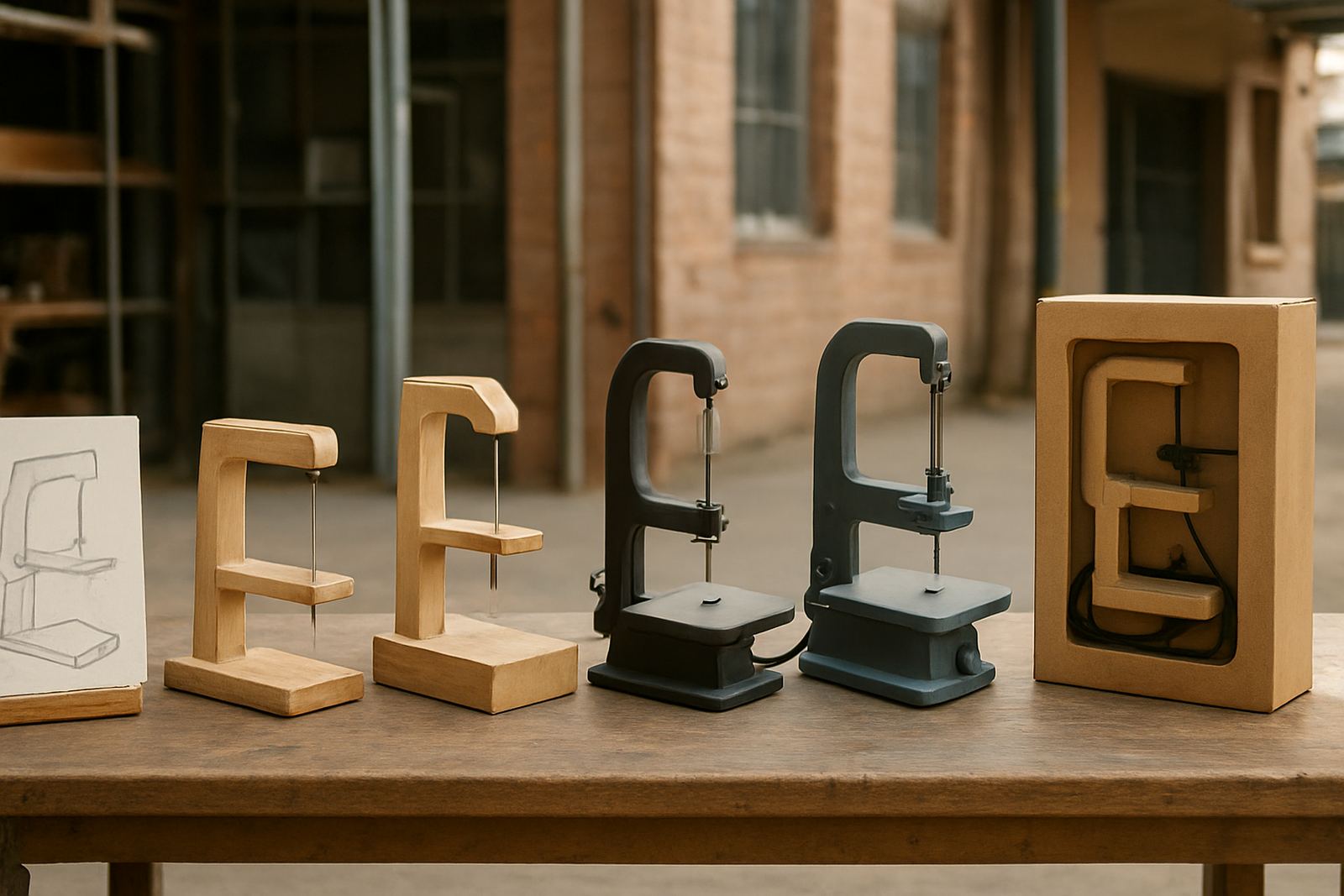
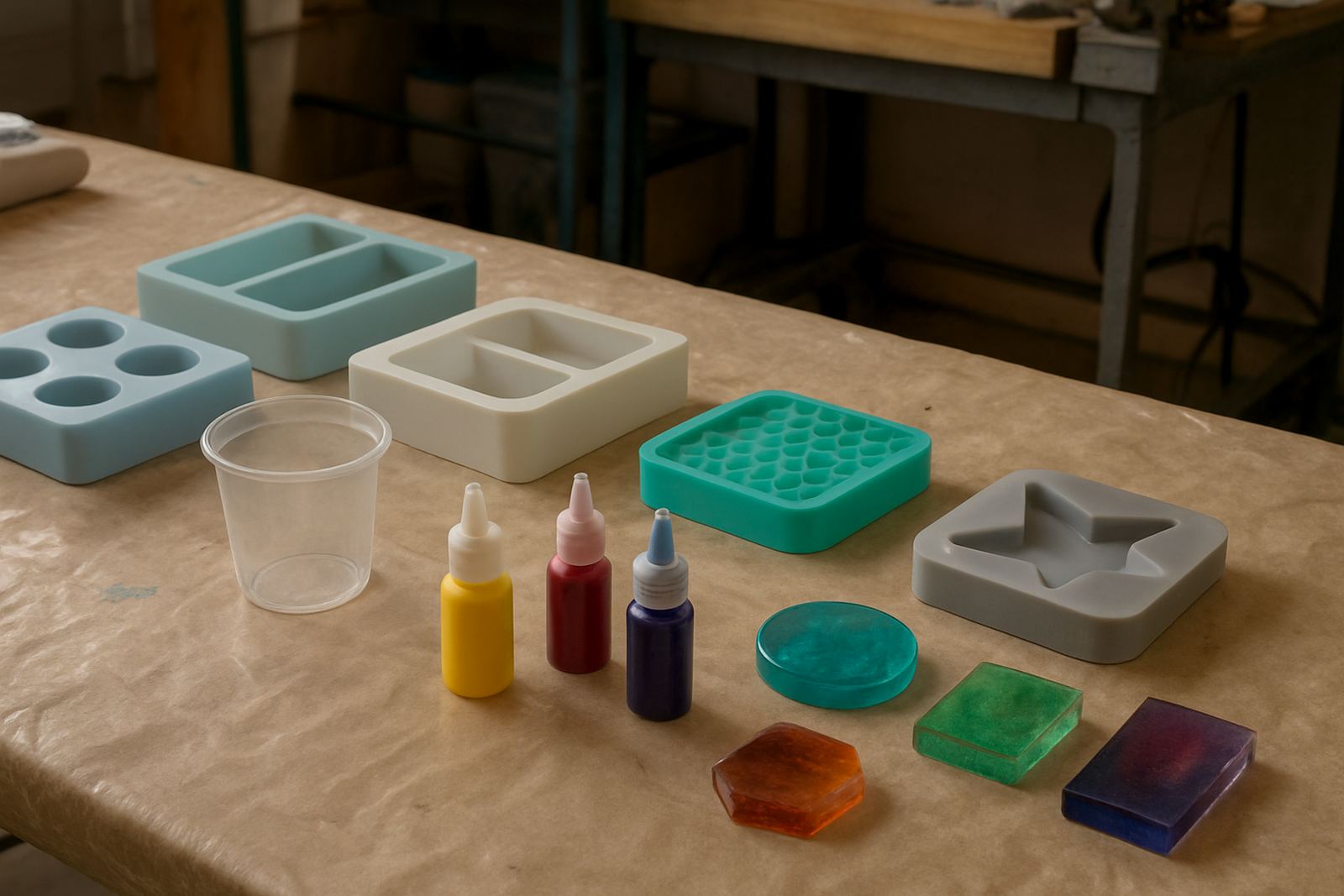
Holiday Club Makerlab is a ready-to-run making programme for the December, June, or mid-term holiday window. It is built around guided challenges, simple tool use, teamwork, and finished projects that children can take home or present on the last day. Typical activities include cardboard engineering, basic joinery with hand tools, recycled material builds, simple electronics demos, model making, and display prep for the final expo.
The programme works well when you need a structured activity block rather than free play. It keeps groups moving through stations, with clear roles for facilitators and helpers. For schools in Braamfontein, Soweto, Pretoria East, Midrand, Sandton, Durban, Cape Town, and Gqeberha it is especially useful where parents expect strong supervision and a proper sign-in process. It also suits venues that need a practical holiday option during load-shedding, because the core activities can run with limited power if the layout is planned properly.
- Supervised build sessions with age-appropriate challenges
- Project-based making for ages 7 to 16
- Optional display tables for end-of-day expos
- Clear safety rules, storage points, and clean-up routines
Installation, Power and Gas Requirements
Holiday Club Makerlab is normally installed as a temporary programme rather than a fixed fit-out, so the main focus is table layout, storage, safety control and access. It does not need plumbing. Power needs are low, but you should still plan for charging points, lighting, and any small equipment that requires electricity. In areas with load-shedding, the programme should be set up so the core activities can continue with daylight and battery backup lighting if needed. That is especially useful for venues in Braamfontein and Soweto where power interruptions can affect the day very quickly.
No gas is required for the standard holiday club format. If a client wants a hot-glue or heating station, that must be specified in advance so the venue can confirm safe use, ventilation, and supervision. For indoor halls, we recommend a clear buffer around every tool zone, labelled entry and exit points, and a dedicated hand-wash station or sanitiser point. If the venue is on a school site, the principal or site manager should confirm the daily access plan, storage room, and security handover before the first session.
- Electricity needed mainly for lighting, charging, and small tools
- No plumbing required for standard use
- No gas required unless a special station is requested
- Plan for load-shedding with backup lights and offline activity cards
Materials, Care and End-of-Season Servicing
Because holiday clubs get used hard over a short period, care and servicing matter. Tables should be wiped down daily, tools counted in and out, and consumables stored in sealed tubs away from dust and humidity. On coastal sites like Durban, Cape Town, and Gqeberha, cardboard, paper and timber offcuts should be kept off the floor and out of damp corners. In Johannesburg, the bigger risk is usually fast wear from repeated use and poor packing, so a proper return checklist helps a lot.
We recommend a short maintenance check after every week of sessions. That check covers loose handles, blunt blades, broken clamps, missing fasteners, damaged signage, and any consumable shortfalls. If the holiday club runs over several weeks, a mid-programme stock top-up is wise because glue sticks, masking tape, markers, and safety items disappear faster than most teams expect. A quick clean and count at the end of each day saves time the next morning, and it keeps the programme tidy for parents and staff.
- Daily wipe-down and count-back routine
- Weekly tool check and consumables audit
- Dry storage for paper, timber and project boards
- End-of-season pack-down and restock review
What To Check Before You Order
Before you place an order, count the learners you expect on the busiest day, not the quietest one. Check the age range, the space available, the table count, and whether the venue has secure storage overnight. If the holiday club is for a school, also confirm who signs children in and out, who handles incident reporting, and whether the venue already has basic safety signage. These points save a lot of confusion later on and keep the programme running properly.
You should also decide whether you want only the holiday activity kit or the full support package with facilitator guidance, space planning, and member onboarding for your team. If staff are new to making sessions, facilitator support is worth adding because it reduces avoidable mistakes. For corporate family days, libraries, and aftercare centres, the best results usually come from a simple format with clear project sheets and good storage. Small details matter, like whether your site has enough plug points, if gates are locked on time, and if your team has a dry room for finished work.
- Exact learner count for the busiest session
- Age group and supervision ratio
- Indoor space, tables, chairs, and storage access
- Need for facilitator support, signage, or consumables planning
Where Holiday Club Makerlab Fits Best
This product suits primary schools, aftercare centres, youth programmes, community halls, churches, libraries, maker venues, and private holiday clubs. It is especially useful where families want something practical rather than another screen-based activity. In a Braamfontein venue it can support school holiday traffic from nearby suburbs, while in Sandton or Midrand it can be used for paid holiday workshops, team days, or children’s activities linked to a bigger event. We also see strong interest from venues that need a repeatable programme they can run every school break without starting from scratch.
Holiday Club Makerlab works best when the venue wants structure, manageable costs, and clear output at the end of the day. It keeps learners active, gives parents a solid reason to return, and helps the host team stay organised. If you need a holiday programme that is practical, supervised, and easy to scale, this is the format to start with.
Key facts
| Programme format | Supervised holiday making sessions with guided build challenges |
|---|---|
| Typical group sizes | 12, 24, or 36 learners per session |
| Recommended age range | 7 to 16 years |
| Space needed | 1 activity table per 6 to 8 learners, plus storage and display area |
| Power requirements | Low power, mainly lighting and small charging needs |
| Gas requirements | Not required for standard use |