Reusable moulds for small-run casting
Silicone mould making is used to copy a master part in a flexible mould so you can cast a series of matching pieces. It suits prototyping, product sampling, school projects, artisan work and small batch production where the same shape must be repeated more than once. The mould captures fine detail, releases parts cleanly, and can be used with casting compounds for plastics, resin, wax, plaster and other low-temperature materials.
For makerspaces in Braamfontein, Soweto, Pretoria East or Durban, this is a practical option when you need repeatable output without setting up a full production line. It also helps when a client wants a sample, a fixture, or a short run before committing to tooling.
- Good for one-off models and short runs of 5 to 50 parts
- Works well for detailed shapes, corners and textured surfaces
- Suitable for classroom use, studio work and light workshop production
Sizes, kit formats and mould styles
Silicone moulds are usually chosen by the size of the master pattern and the casting method you plan to use. Small benchtop moulds suit jewellery, buttons, control knobs and small components. Mid-size moulds are common for handles, housings, decorative pieces and lab samples. Larger moulds are used for panels, blocks, signage elements and demonstration parts. The right format depends on the shape, draft angle and whether the part needs a simple open mould or a split mould with multiple sections.
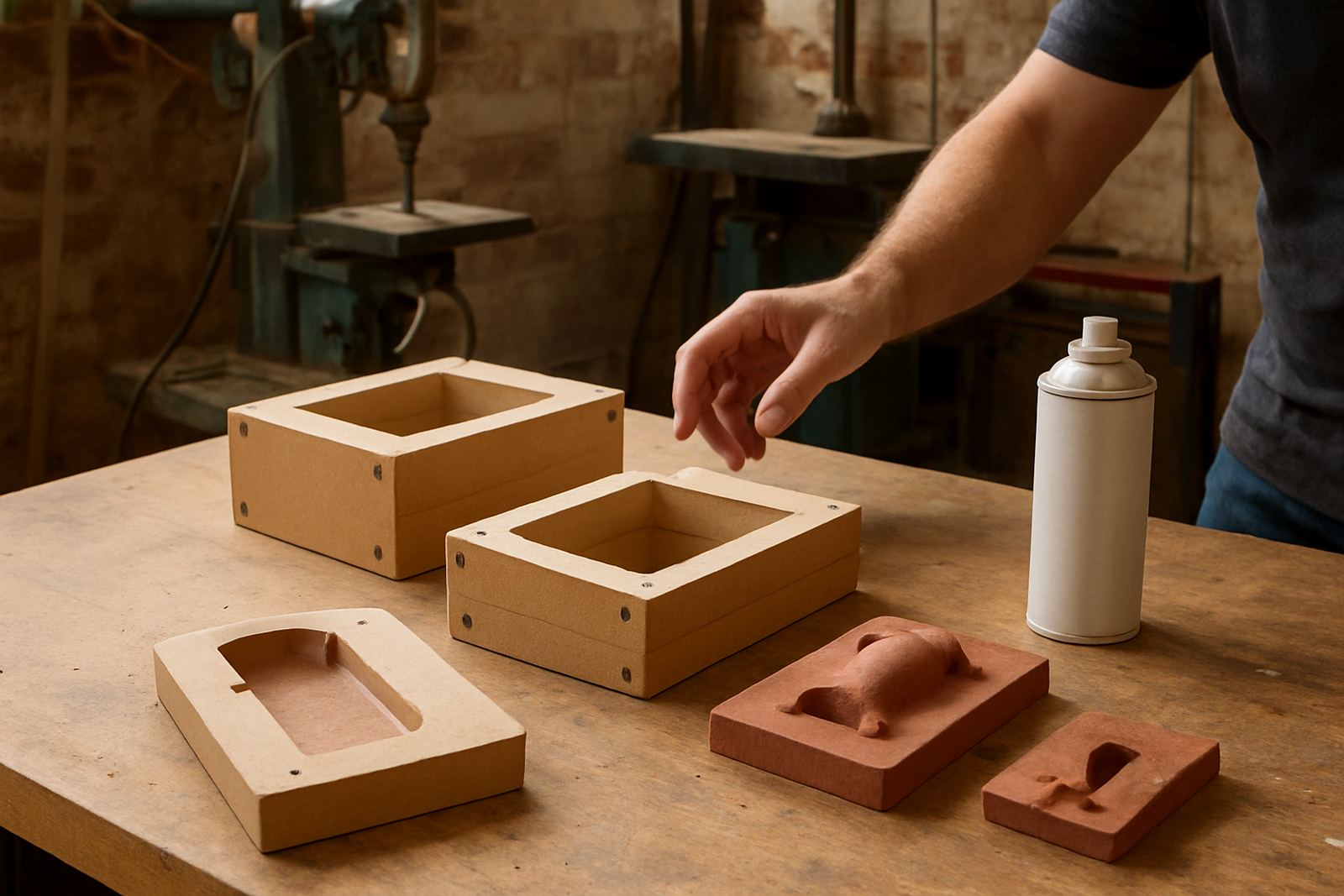
Common options include pour-on silicone for simple shapes, brush-on silicone for vertical surfaces, and boxed moulds for detailed parts that need a support shell. If the master has undercuts, a two-part mould may be needed so the finished part can be removed without tearing the mould or distorting the detail.
- Typical working sizes: 100 mm to 600 mm across, with custom larger formats available
- Wall thickness: usually 10 mm to 25 mm depending on part size and use
- Hardness range: softer grades for complex release, firmer grades for better shape control
Where silicone mould making suits best
This product suits training rooms, maker labs, school technology spaces, small fabrication studios and product development teams. It is useful where repeat casting is needed but floor space is limited. In a Johannesburg workshop, it can sit on a sturdy bench with a clean surface and dust control. In coastal areas like Gqeberha or Durban, storing the moulds in sealed tubs helps keep humidity from affecting the surrounding materials and boxes.
It also works well for venues that run short courses or member sessions because participants can learn mould preparation, mixing ratios and safe handling without large machines. If your space has mixed activity, plan a dedicated area for mixing and curing so the moulds are not disturbed while setting.
- School labs and TVET-style training spaces
- Startup studios and product development rooms
- Community makerspaces and shared workshops
- Event maker stations and demo stands
Power, gas and room setup requirements
Silicone mould making itself does not usually need gas, but it does need a clean work area, accurate measuring equipment and enough space for curing. Some casting materials may need a temperature-controlled room or a ventilation plan, especially when working indoors during load-shedding or in smaller shared venues. A stable bench, mixing area and storage shelf are more important than heavy power use.
Plan for a level surface, covered storage, and basic extraction if you are mixing resins or solvent-based release agents. Good lighting matters too, because air bubbles, missed corners and poor mix ratios show up quickly. In a shared site, it is wise to keep the moulding area separate from cutting and grinding zones so dust does not end up in the mould.
- Bench space: allow 1.2 m to 2.4 m of clear working length
- Power: 220V supply for lights, mixers, scales or a small curing setup
- Ventilation: recommended for some casting materials and release products
- Storage: sealed tubs or shelving to keep moulds free of dust and sun
Care, cleaning and life of the mould
With the right care, silicone moulds can be reused many times. Keep them clean, dry and stored flat or in a supported box so they do not warp. After each casting run, remove residue gently with a soft cloth and the correct cleaner for the casting material used. Avoid sharp tools that can nick the mould surface, because a small cut can grow into a bigger tear over time.
Life span depends on the casting material, release method and how often the mould is used. A mould used for light workshop demos may last far longer than one used daily in a busy lab. Heat, direct sun and rough handling shorten its life. For best results, plan simple servicing checks between runs, especially if the mould is part of a training course or a school programme.
- Store away from direct sun and sharp edges
- Do not stack heavy parts on top of the mould
- Check for tears, sticky patches and trapped residue after use
- Keep notes on batch use so you can spot wear early
What to check before you order
Before ordering, confirm the size of the master, the number of castings you need, and the finish level required on the final part. Check whether the shape has undercuts, thin edges or deep pockets that need a split mould. If the part will be used for fitting or assembly, ask for the tolerance you need so the mould layout is planned properly from the start.
It also helps to confirm the workshop conditions. If your site is in Midrand, Sandton or Pretoria East and the moulds will be used alongside frequent training sessions, you may need a more durable format. If you are working in a school lab or temporary event station, portability and quick cleanup may matter more than a large mould system. Measure the space carefully because a mould that is too large can be awkward to pour, cure and store.
- Master dimensions and the level of surface detail
- Number of castings expected per week or per project
- Need for one-part or two-part mould construction
- Space for curing, cleaning and safe storage
- Type of casting material and any release or ventilation needs
Key facts
| Product type | Reusable silicone mould system for prototyping and short-run casting |
|---|---|
| Common sizes | 100 mm to 600 mm working range, with custom options for larger parts |
| Mould styles | Open mould, brush-on mould, two-part split mould, boxed mould |
| Best use | Short-run casting, training, product samples, school labs and maker studios |
| Setup needs | Clean bench, storage space, accurate scales, basic ventilation |
| Care interval | Inspect after every run; deeper servicing after repeated use or visible wear |