When a Small Batch Team Needs More Than a Table and Tools
If your team is making 10 to 200 units at a time, the trouble is rarely the making itself. The real pressure comes from keeping parts in order, holding tolerances, avoiding mix ups and making sure the same process can be repeated next week without starting from scratch. That is where a small batch setup earns its keep.
We work with teams that are testing a product, making classroom kits, assembling craft goods, or running limited production for markets and corporate orders. In Braamfontein, Midrand and Sandton the common issue is space that is too tight for sorting, cutting, assembly and packing in one go. In coastal venues like Durban or Gqeberha, humidity also changes how timber, paper, adhesive and packaging behave, so storage planning matters from day one.
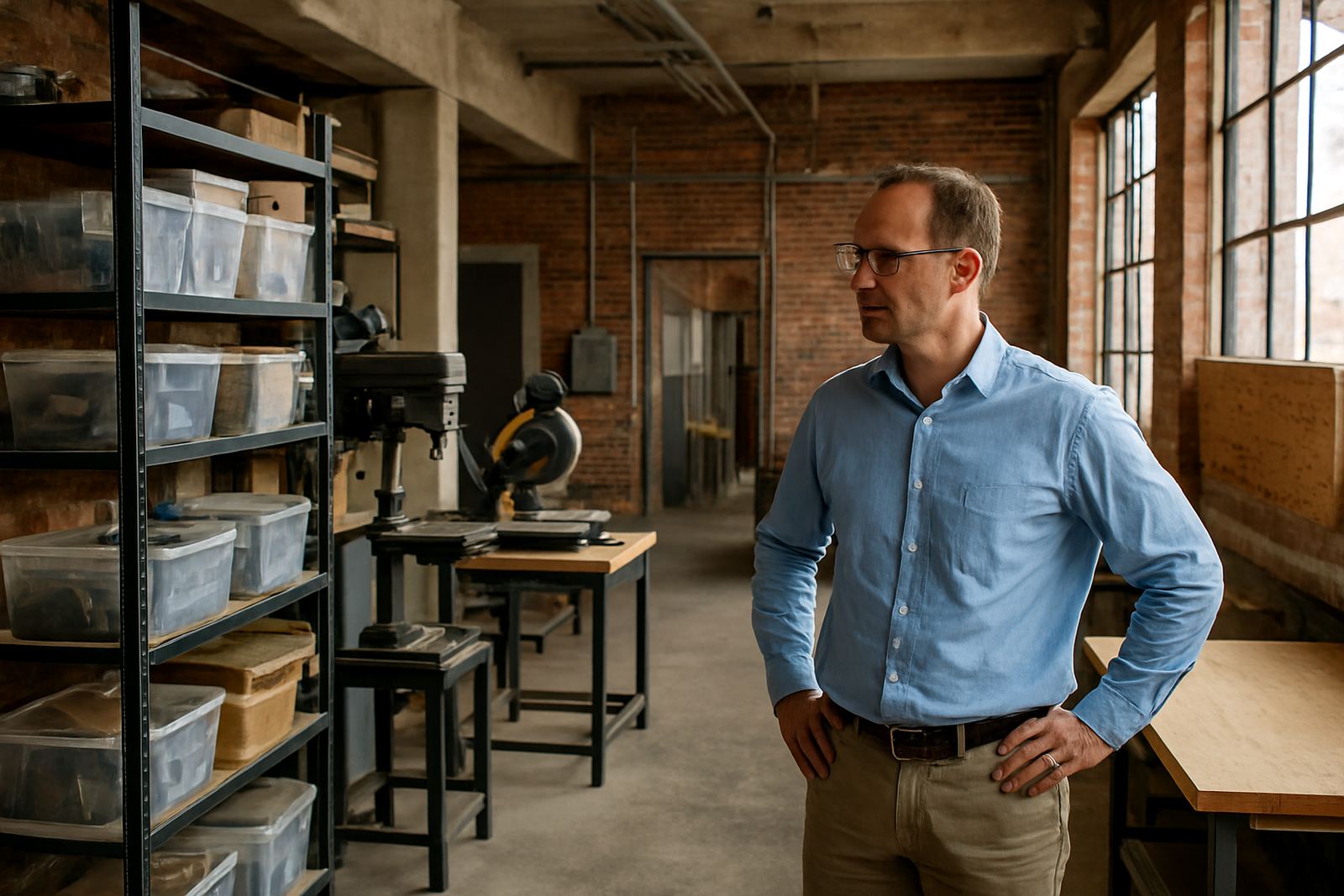
A good small batch space does not need to be big. It needs a clear path from intake to workbench to finish area to packing bench, with enough room for labels, offcuts and checklists. If the team is always crossing paths or hunting for clamps, screws or cutters, output drops fast.
Typical Equipment for Repeatable Short Runs
Small batch teams usually need a mix of hand tools, light power tools and simple fixtures. The exact set depends on the product, but the goal is the same: make each unit the same way every time and reduce wasted motion.
- Worktables with durable tops, ideally 1.2 to 1.8 metres long for flexible use
- Small vice units, clamps, straight edges and drilling guides
- Label printers or handwritten label stations for batch control
- Tool shadow boards and colour coded storage for quick resets
- Basic measuring tools, safety glasses, dust masks and first aid points
- Consumable bins for screws, glue, tape, ties, sandpaper and packaging
For mixed material work, we often recommend a separate cutting zone and a clean assembly zone. If the same bench is used for sawing, gluing and packaging, contamination becomes a problem and the final finish suffers. Teams that run short production bursts also benefit from a timed setup and clean down routine, especially when they are sharing a venue with other users.
Layout Choices That Save Time on Every Batch
Space planning for small batch work starts with movement. The shortest path between materials, tools and completed stock usually saves more time than buying another machine. In a compact workshop, keep the most used tools within arm’s reach and place less used items on perimeter storage. Leave enough floor space for one person to carry a tray or crate without bumping another station.
For repeatable work, we often map out four areas: intake and checking, prep and cutting, assembly, and packout. If your team handles training and production together, keep a clean teaching area separate from live work so new members do not interrupt the batch flow. In Johannesburg and Pretoria East, venue rules often require clear walkways, visible safety notices and tidy cable runs, so the layout should support both workflow and compliance.
- Use one direction flow where possible, from raw material to finished pack
- Keep tools that need charging near a protected power point for load-shedding planning
- Store fast moving consumables at waist height for quick access
- Mark each station with its task, tools and reset list
Where teams work late or operate during power cuts, battery lights and labelled backup kits help keep the day moving. A simple layout with backup power for lights, charging and small devices is usually better than overloading a single point with too much equipment.
Training and Member Onboarding for Small Production Teams
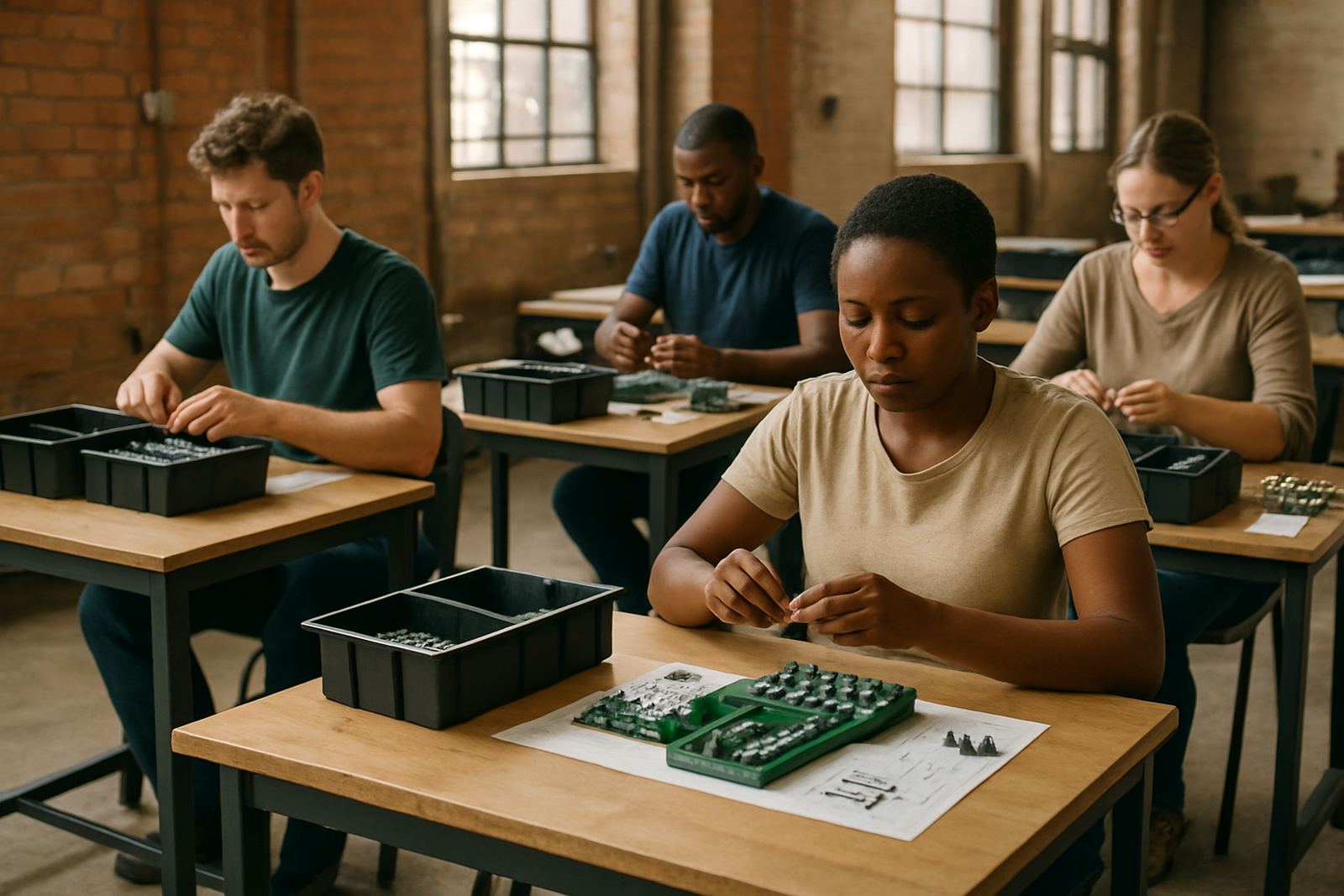
Even a small team needs standard steps if you want predictable results. Member onboarding should cover tool use, cleaning routines, batch labels, stock counts and what to do when something is out of spec. This reduces waste and helps supervisors hand work over without explaining the same process three times a day.
Our training support works well for schools, startup groups, community makerspaces and teams that are growing from hobby work into paid orders. We help set the order of operations, prepare short checklists and support facilitators who need to keep a group moving without stopping the entire room. Naledi Khumalo often focuses on the learning side while Johan van Zyl handles the practical workshop flow, so teams get both structure and hands-on sense.
For groups in Soweto, Cape Town or Durban, it also helps to match training times to the actual work pattern. If the batch run happens on Saturdays or after hours, the onboarding must reflect that schedule, not an ideal weekday setup that nobody uses. A process only works if people can follow it when the room is full, noisy and under time pressure.
Starter Kits and Consumables That Keep Orders Moving
Starter kits are useful when a team wants to begin small and scale in stages. The right kit depends on whether you are building school packs, gift items, simple fittings, sample units or short run product lines. We help choose starter kits that support a real workflow, not a shelf full of items that never get opened.
Good consumables planning can prevent a lot of last minute delays. Teams often run out of the smallest items first, like blades, tape, markers, fasteners or packing sleeves. In a small batch setup, those are the parts that stop the line. Megan Petersen usually looks at buying patterns and repeat use so the team is not overstocking one item while missing another.
- Batch labels, job cards and simple stock sheets
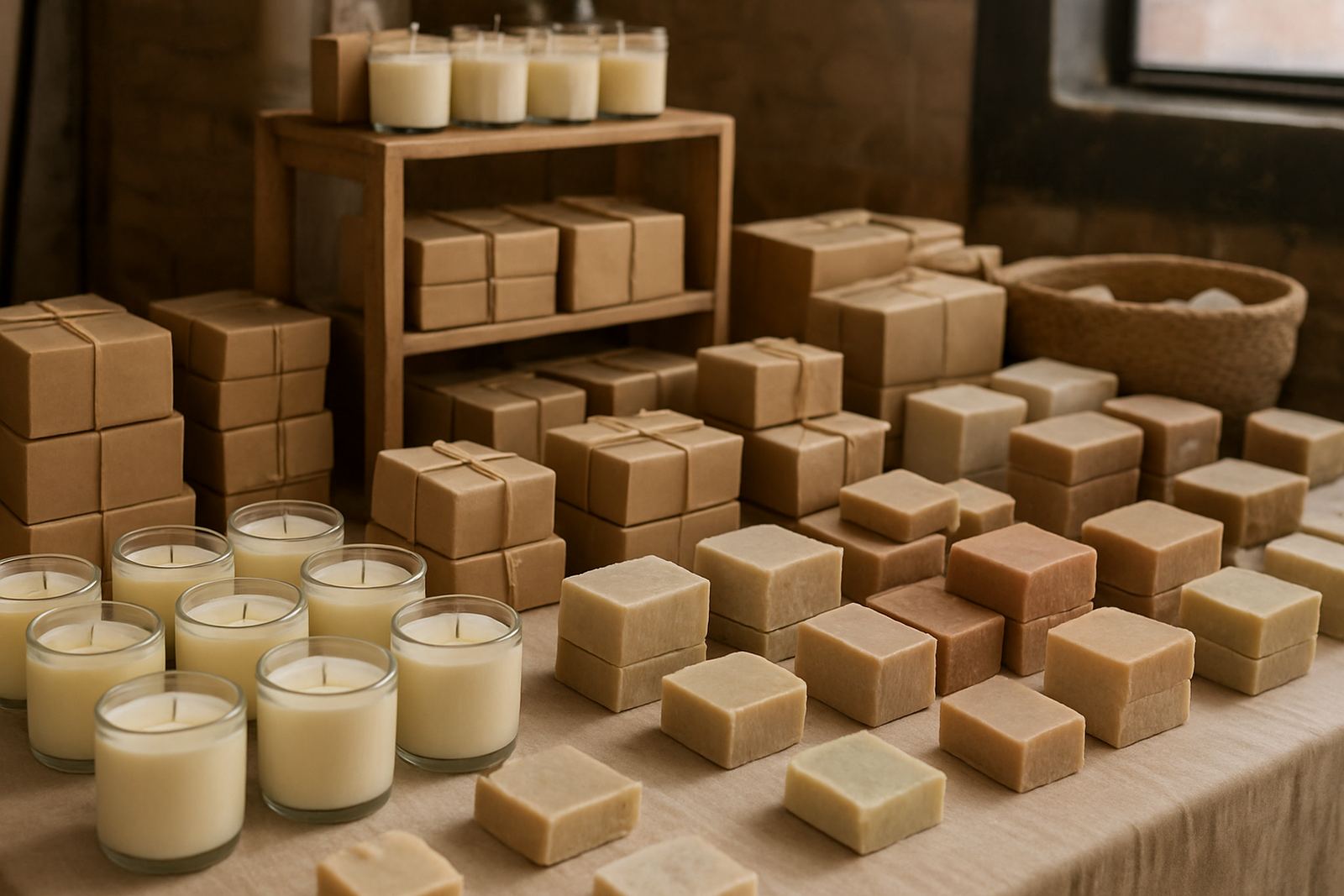
- Packing materials sized to the product, not guessed from memory
- Refill lists for the top 10 consumables used each month
- Safe storage for adhesives, sharp tools and powders where relevant
If your team works near schools or shared venues, it is also wise to plan storage that can be locked and counted. Small missing items add up quickly when several people are drawing from the same bins.
Budget Ranges for Small Batch Setups in Rand
Budgets can vary a lot depending on whether you are fitting out one room or supporting multiple venues. For a lean small batch setup in Johannesburg, a basic tool zone and storage plan may start around R25,000 to R60,000. That usually covers core tools, benches, storage and signage for a simple workflow.
A more complete setup for repeatable production, staff onboarding and a few specialised stations often sits between R75,000 and R180,000. If the team needs custom jigs, stronger storage, backup lighting, safety upgrades and better packout space, the spend can go higher. For schools, community groups and makerspaces with shared use, a phased plan often works best because it spreads cost and lets the team prove the workflow before buying everything at once.
Johan van Zyl and Reuben Naidoo usually look at how the site will actually be used before any big spend is approved. That means checking power access, floor space, storage height, cleaning access and whether the room has enough capacity for short bursts without crowding. A cheaper setup that slows production is not cheaper for long.