Setting Up a Fashion Maker Space That Works Day to Day
A fashion maker space needs more than sewing machines. It must support pattern work, cutting, pressing, fitting and the tidy storage of fabric and trims, with enough room for learners to move safely between stations. In Johannesburg, Durban and Cape Town, we also plan for heat, humidity and dust because those conditions affect fabric handling, adhesives and stored stock.
For a small training room, we usually start with 4 to 6 sewing stations, 1 overlocker, 1 coverstitch machine where needed, 2 pressing stations and a central cutting table at least 2.4 metres long. Add a lockable trim cupboard, thread storage, waste bins and a clear flow from cutting to stitching to finishing. If the room is narrow, the biggest mistake is placing tables too close together, which slows movement and creates snags on fabric.
Typical Equipment for Sampling and Textile Product Development
Fashion makers often need a mixed equipment set rather than only sewing machines. The right mix depends on whether the space is for school learners, startup labels or a shared community workshop. We help match equipment to your output, whether that is simple garments, bags, hats, soft accessories or small batch textile goods.
- Domestic and industrial sewing machines for varied fabric weights
- Overlocker for clean internal seams
- Coverstitch or hemming machine for knitwear finishes
- Pattern cutting table with grid marking
- Steam iron and stable pressing board
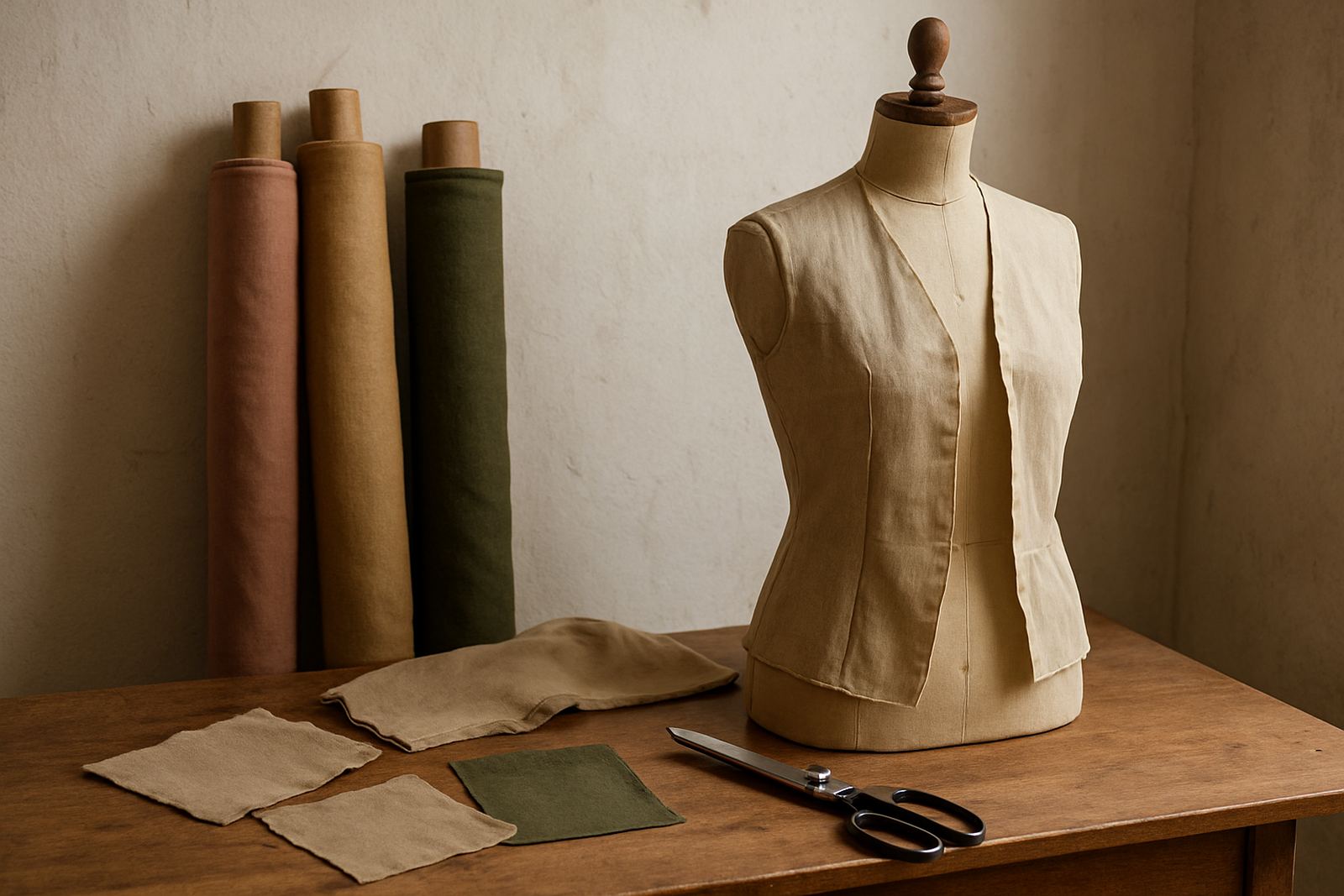
- Mannequins or dress forms in common sizes
- Hand tools, rulers, scissors, snips and measuring tapes
- Storage tubs for notions, labels and offcuts
For schools and maker hubs in Pretoria East or Soweto, we often recommend a starter set that can handle 10 to 15 users in one day without constant stoppages. It is better to buy fewer reliable machines and protect them with maintenance checks than to overspend on extras that sit idle.
Layout Planning for Better Flow and Fewer Mistakes
Good layout saves time, reduces damage to fabric and supports safer work. We map the room so learners can enter, store personal items, collect tools, cut fabric, sew, press and pack without crossing paths too often. If a venue hosts classes and small production runs, separate the teaching area from the making area as far as possible.
We also plan for power cuts. For many fashion spaces in South Africa, at least one daylight-friendly cutting area and a backup lighting plan are essential. A few UPS units can keep laptops, pattern printers or a card machine running, but heavy sewing machines need a realistic schedule for load-shedding. In some venues a generator is worth the cost, in others it is better to schedule pressing and training around available power.
- Keep cutting tables away from doors and dusty walkways
- Place ironing stations near ventilation and away from fabric storage
- Use clear signage for needle disposal, hot surfaces and machine use
- Leave enough aisle space for carrying rolls, boxes and mannequins
- Store scissors, blades and expensive tools in a controlled area
Budget Ranges for Fashion Workshops and Starter Kits
Budget depends on room size, machine quality and whether you are fitting out a first-time studio or expanding an established space. For a lean starter room in Rand terms, a basic setup can begin around R60,000 to R120,000 for a few machines, tables, irons, storage and core hand tools. A more complete training and sampling room may sit between R180,000 and R450,000 depending on the number of stations and the finish level.
Starter kits for learners are usually planned separately from the room fit-out. A simple learner kit can start at about R350 to R900 per person, while a stronger toolkit with scissors, ruler set, tape, pins, chalk, seam ripper and notebook may be closer to R1,200 to R2,500. For group programmes, buy extra consumables at the start because thread, needles, interfacing and elastic disappear fast when the classes are busy.
We often advise clients in Midrand and Sandton to keep 10 to 15 percent of the project budget aside for repairs, spare parts and machine servicing. That small reserve prevents delays when a pedal fails, a needle plate bends or a motor needs attention.
Training and Onboarding for New Makers
A fashion space only works well when users know how to use it. That is why onboarding matters as much as the equipment list. We help with member induction, machine rules, safety briefings and the day-to-day routines that keep a shared workshop running smoothly. When learners understand how to clean machines, change needles and return tools, the whole space runs better.
Training should cover garment sampling, basic alterations, fabric behaviour, trim selection and simple production planning. For accessory makers, we also include reinforcement methods, lining options and finishing details that make a product ready for sale. In spaces with school groups or community teams, one facilitator can manage a lot more when the workstations are labelled clearly and the material flow is simple.
- Machine care and basic fault spotting
- Safe use of blades, irons and pressing tools
- Pattern reading and sample construction
- Fabric and trim handling for different products
- Storage discipline for shared materials
Common Problems We Fix in Fashion Spaces
Many fashion rooms look ready at first, then struggle once real users arrive. The most common problem is poor storage. Fabric gets folded badly, trims go missing and offcuts pile up. Another issue is underpowered electrical planning, especially when too many machines share one circuit and the lights dim each time the iron is switched on.
We also see spaces that are too focused on sewing and not enough on finishing. Without proper pressing, measuring and storage, sample quality drops quickly. In coastal areas like Durban and Gqeberha, humidity can affect some materials and cause storage issues if cupboards are not ventilated. In Braamfontein and other urban venues, noise and access control matter too, especially when the workshop shares a building with other users.
Our approach is practical: make the room easier to manage than to neglect. That usually means cleaner zoning, simple rules, better labels and a service plan for the machines.
Support for Schools, Startups and Shared Maker Hubs
Fashion makers come in different forms. Some need a school lab refresh for textile classes, some need a small startup space for sample runs, and some need a shared hub that can host training, fittings and product testing. We support all three with space planning, tool zone layouts, consumables planning, safety signage setup and maintenance checks.
For schools, we focus on durable equipment, safe storage and easy supervision. For startups, we prioritise flexibility, reliable presses and enough room for prototypes. For community hubs and partner makerspaces across Pretoria East, Soweto, Durban, Cape Town and Gqeberha, we also plan for bookings, storage allocation and member onboarding so the room does not become cluttered after the first busy month.
If you are building a fashion makerspace, start with the work you want to produce, then size the room, tools and budget to match. That order saves money and gives makers a place where they can actually finish what they start.