A home setup should match the space you actually have
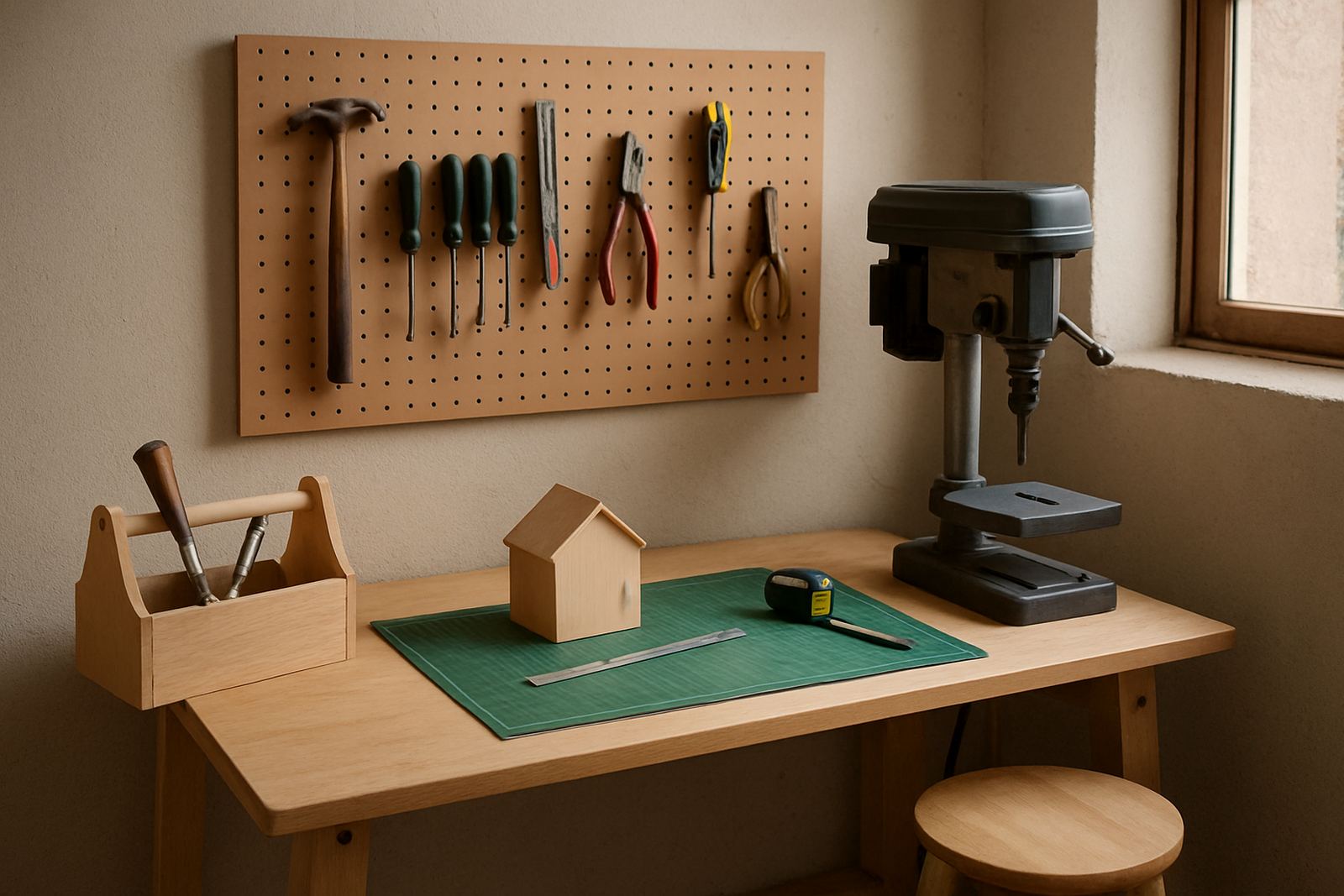
Most home hobby makers in Johannesburg, Pretoria, Durban or Cape Town start with one corner of a garage, a covered patio, or a spare room that needs to double up for other family use. The best setup is the one that fits the way you make, not the most expensive one on a catalogue list. A neat 2 m by 2 m zone can handle light woodworking, hand tools, electronics, fabric work or small assembly if the layout is planned properly.
We look at ceiling height, power points, natural light, ventilation and where dust, noise and storage will land. In Braamfontein flats and small homes around Soweto or Midrand, that may mean folding work tables and stackable storage. In coastal areas like Durban or Gqeberha, the plan must also account for humidity, rust and moisture control, which catches many first time makers off guard.
- Measure the actual floor area, including door swing and walkways.
- Keep frequently used tools within arm’s reach.
- Leave one clear surface for assembly and checking parts.
- Separate cutting, fixing and finishing zones where possible.
Typical tools and starter kits for home makers
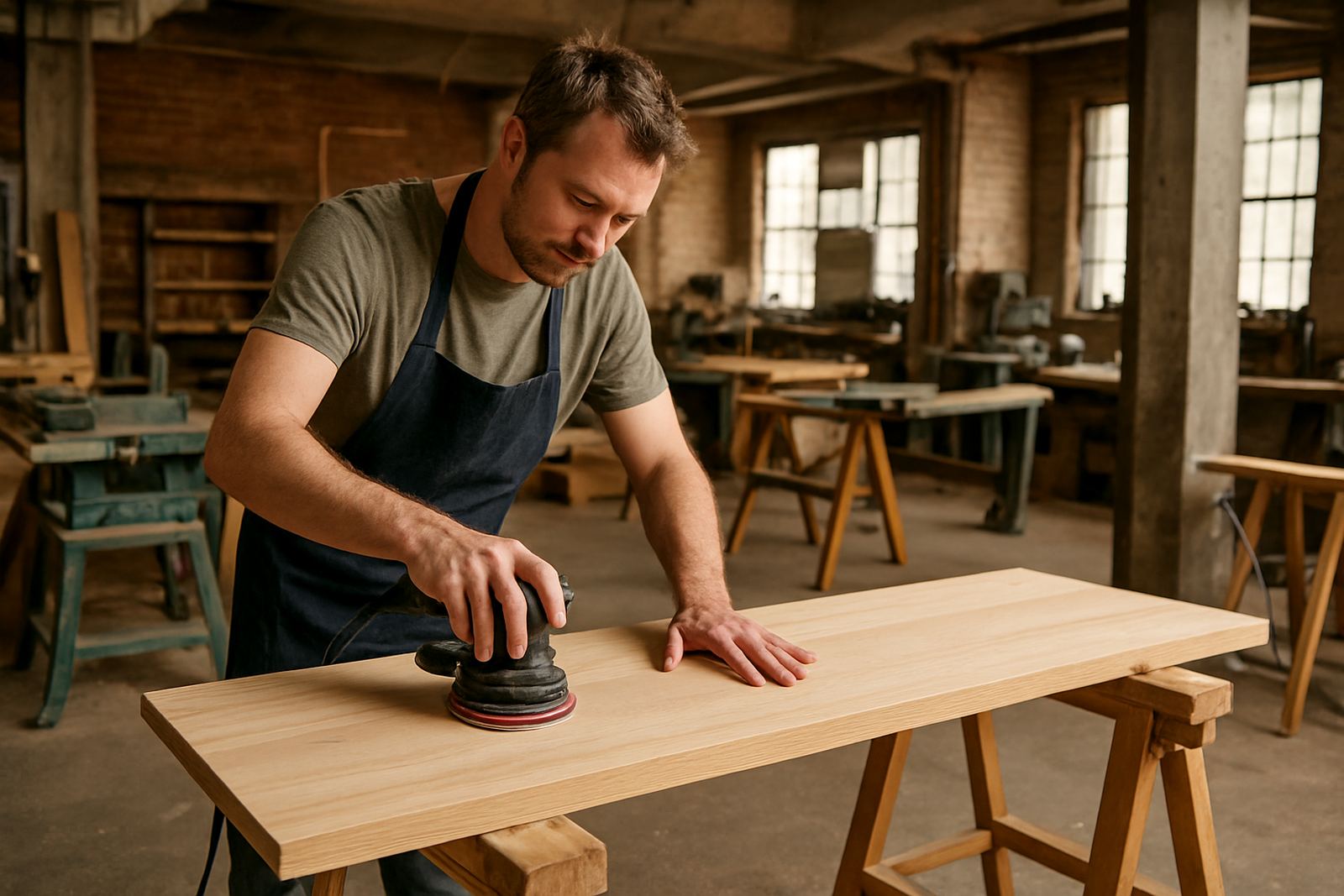
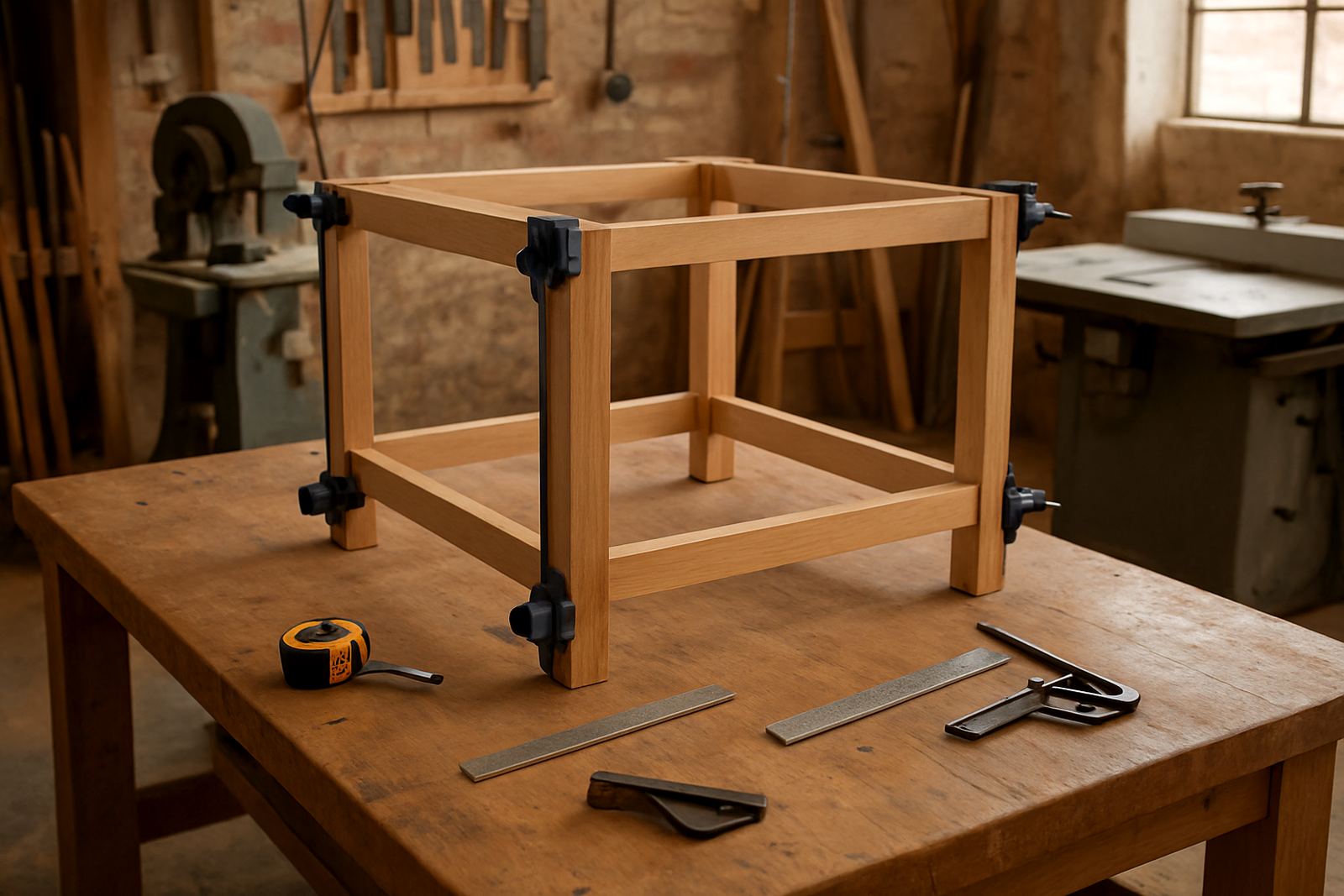
A home hobby setup does not need a full workshop from day one. Most people do better starting with a small, reliable set of tools and adding only when the hobby grows. For general making, the kit may include a hand drill, screwdrivers, clamps, measuring tools, a cutting mat, safety glasses, dust masks, storage tubs and a soldering station if you work with small electronics. For light woodworking, you may add a jigsaw, orbital sander and a compact bench vice.
Starter kits are useful because they reduce guesswork. Instead of buying mismatched items over time, you begin with items that work together and fit your space. This is especially helpful for parents setting up a maker corner for school projects, or for adults doing evening builds after work. The right kit can also help with load-shedding planning because battery powered tools and manual back up options keep work moving when the power goes out.
- Entry level home kit: R2 500 to R6 000
- Practical mixed-use kit: R6 000 to R15 000
- More complete hobby set with storage and safety items: R15 000 to R35 000
Layout advice that keeps the space usable
The main rule is to make movement easy. A home workshop becomes frustrating when you have to move boxes every time you want to start a task. Good layout planning usually means wall storage, one main worktop, and a separate place for consumables such as screws, glue, tape, sandpaper and spare wire. If the room is shared with household items, use closed storage so the space still looks calm when work is packed away.
We also advise thinking about noise and dust before buying tools. If you live in a townhouse complex in Sandton or Pretoria East, keep noisy tasks to daytime hours and use a mat or padded base to reduce vibration. In apartments, choose quieter tools and smaller bench equipment. For homes with kids, add lockable storage for sharp items and chemicals. Even a small space can work well if the tools have a fixed place and the floor stays clear.
- Put power tools near plugs to reduce extension lead clutter.
- Store heavier items low down to avoid falls.
- Use clear labels for fasteners, offcuts and consumables.
- Keep a small bin for scrap so the area does not fill up with bits.
Safety, power and municipal realities at home
South African homes bring real practical issues that affect hobby making. Load-shedding means battery charging, backup lighting and task planning matter. If you rely on a hot tool, compressor or machine, it helps to know how long it runs on available backup power and whether the circuit can handle it. This is not about over engineering, it is about keeping the hobby pleasant and safe.
Fire safety and ventilation also need attention, especially in garages and enclosed rooms. Paints, adhesives and dust should not build up around open flames or poor airflow. In many areas, municipal rules and body corporate rules affect noise, outside storage and use of communal parking or common spaces. If you work from a home in Durban, coastal moisture can cause rust and swelling on timber, so sealed storage and regular maintenance checks matter. In Gauteng, dust from dry weather and open garages can clog tools quicker than expected.
Simple habits help a lot: inspect cords, clear dust after each session, keep a first aid kit nearby and store liquids out of sunlight. Small discipline saves money over time, and it keeps the space family friendly.
Common mistakes home hobby makers make early on
The biggest mistake is buying too much too soon. Many people spend heavily on a large machine before they have sorted storage, dust control or power access. The second mistake is underestimating consumables. Glue, blades, drill bits, sandpaper, fasteners and cleaning items run out fast, and the project budget gets squeezed. Another common problem is mixing household storage with workshop storage until nothing is easy to find.
There is also a tendency to skip the planning stage because the setup feels small. That usually leads to wasted money later. A home making area still needs a proper flow: material in, work in progress, finished items out. Without that, the room gets messy very quickly. We have seen people in Braamfontein and Soweto turn a good idea into a crowded corner because they did not plan for storage first. A little structure upfront saves time, money and stress.
- Do not buy large equipment before confirming space and power.
- Do not forget consumables and replacement parts.
- Do not keep sharp tools loose in open containers.
- Do not skip ventilation when using adhesives or finishes.
Budget ranges for a manageable home practice
A sensible home hobby budget depends on the kind of making you want to do. For basic craft, repair or light assembly, many households can start with R2 500 to R6 000. That covers hand tools, storage tubs, safety gear and a few consumables. For a more capable setup with a compact worktop, better lighting and selected power tools, budgets often sit between R6 000 and R15 000. If you need a dedicated room with more storage, better extraction, and a wider tool range, R15 000 to R35 000 is a realistic working band.
We also help people plan spending in stages. That way you can start with a safe, usable setup and expand later as your skills grow. It is often smarter to spend on layout, storage and safety first, then add tools once the space proves itself. For many home hobby makers, that approach gives better value than trying to buy everything at once.
If you are comparing options across Johannesburg, Midrand, Cape Town or Gqeberha, the right setup is the one that fits your home, your schedule and your budget, not the one with the most equipment. A good home workshop should support regular making, be easy to pack away when needed, and feel practical every time you walk into it.