What Community Facilitators Usually Need on the Day
Community facilitators work with mixed ages, mixed skill levels and very different venues. One week you might be in a school hall in Soweto, the next in a library room in Braamfontein or a youth centre in Durban with limited storage and no fixed benches. The kit has to be portable, easy to explain and simple to pack away at the end of a session.
Most groups need a core set of hand tools, safe work surfaces, clear consumables, and enough storage to keep parts sorted by group. For wood, cardboard, fabric, light electronics or recycled materials, the aim is to avoid overbuying. A good starter set is usually built around what your participants can complete in 60 to 120 minutes, not what looks impressive on a quote.
- Hand tools for cutting, marking, joining and measuring
- Table protection and non-slip mats for shared working areas
- Labelled boxes for fast distribution and collection
- PPE such as safety glasses, gloves and aprons
- Consumables like tape, glue, screws, cable ties and sandpaper
Layout Advice for Schools, Hubs and Mobile Workshops
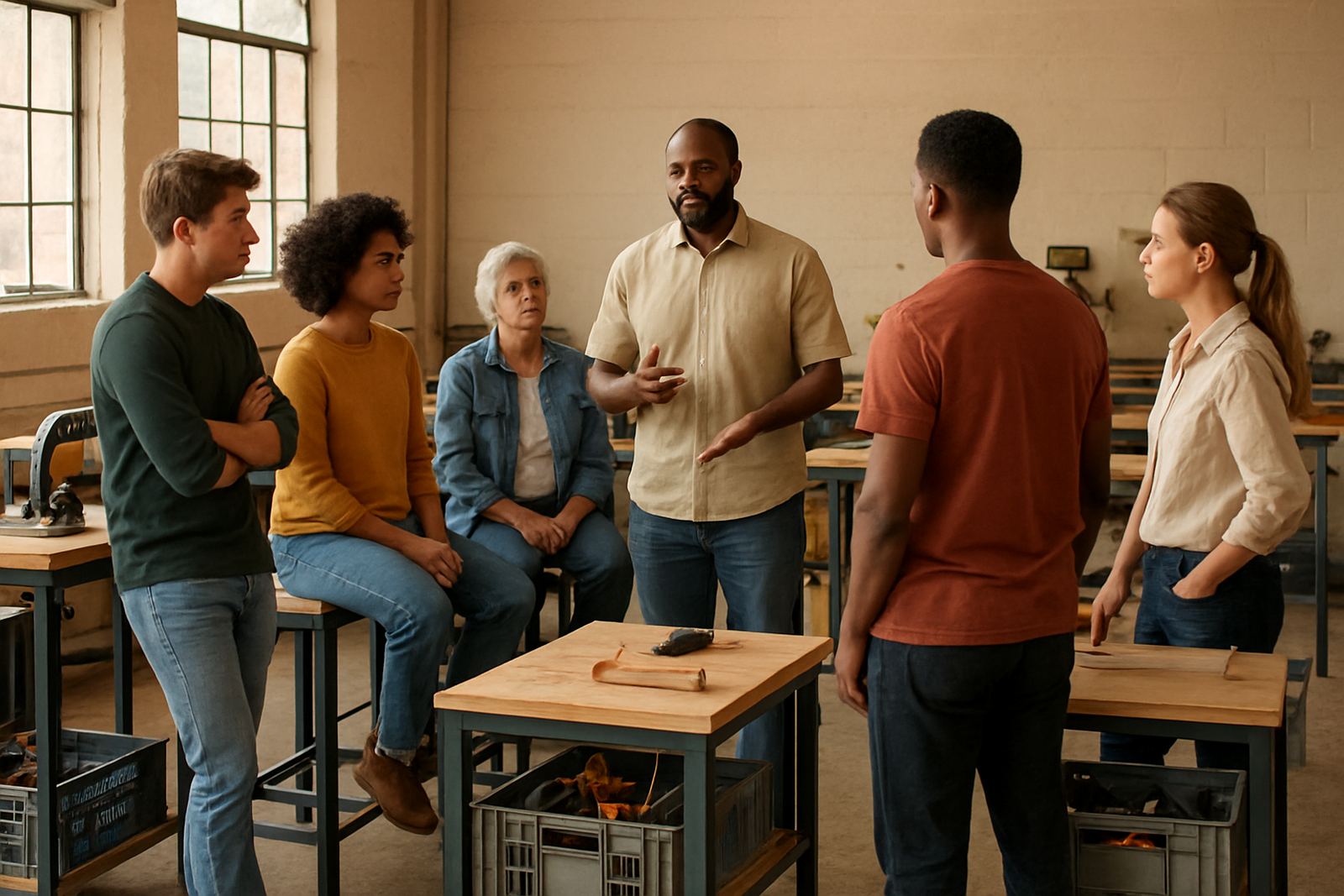
A good workshop layout should support movement, supervision and clean-up. In a classroom, keep the centre line open so facilitators can move between tables. In a maker hub, separate noisy tasks from quiet ones, and keep charging points and power strips where they will not become trip hazards. If you are setting up in a multipurpose room, the layout should be reversible in under 20 minutes.
For small groups, one workstation per 4 to 6 learners works well. For bigger groups, create stations for cutting, assembly, finishing and checking. That way people do not queue at one table while others wait. If your venue has limited electricity, plan for hand tools first and use charged battery tools as backup rather than relying on mains power the whole time.
- Leave at least 900 mm clear walking space between tables
- Keep blades, hot tools and chemicals on a controlled table only
- Mark a clear intake and return point for tools and consumables
- Use wall posters or table cards for step-by-step instructions
- Set one place for waste, one for recycling and one for finished items
In coastal venues like Gqeberha or Durban, choose storage that handles humidity better, otherwise card, screws and some tools start rusting or warping quicker than you expect.
Typical Equipment Sets for Facilitated Sessions
The right equipment set depends on the age group and the type of making you are teaching. For schools, you may need safer, slower tools and more supervision aids. For youth programmes and community hubs, you can usually include a wider range of tools and more flexible materials. The key is to build around repeatable project types so your facilitators are not starting from scratch every time.
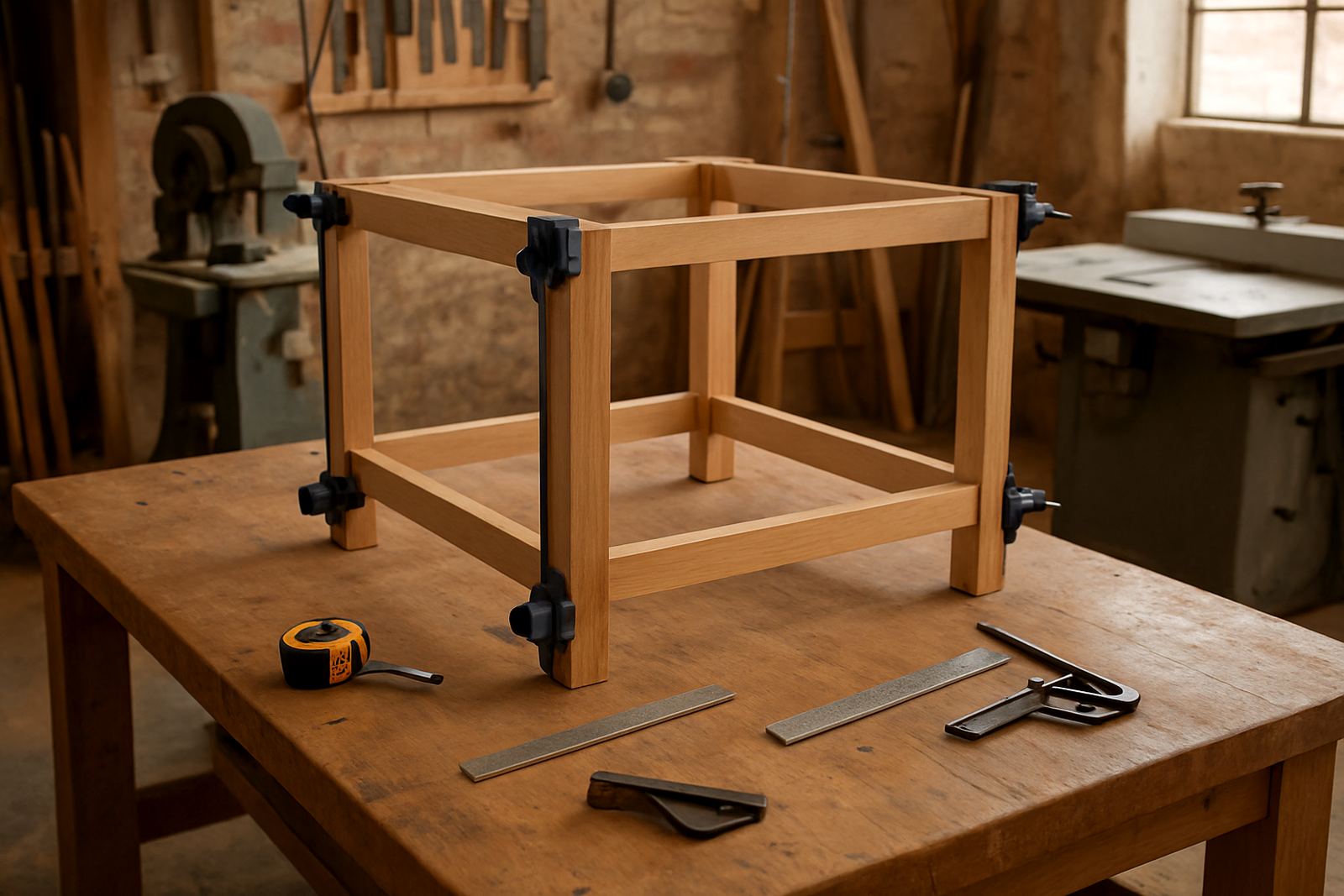
A practical set for a community workshop often includes marked bins, basic hand tools, clamp sets, cutting mats, rulers, squares, drills for supervised use, glue guns, pliers, screwdrivers, and consumables. For beginners, starter kits can also include pre-sorted project packs, which save a lot of time when groups arrive late or attendance changes at the last minute.
- Tool set for cardboard, light wood and recycled builds
- Labelled consumable packs by project or age group
- Portable safety kit with first aid and cleaning items
- Storage crates that stack and carry easily in a bakkie
- Optional battery-powered tools for load-shedding periods
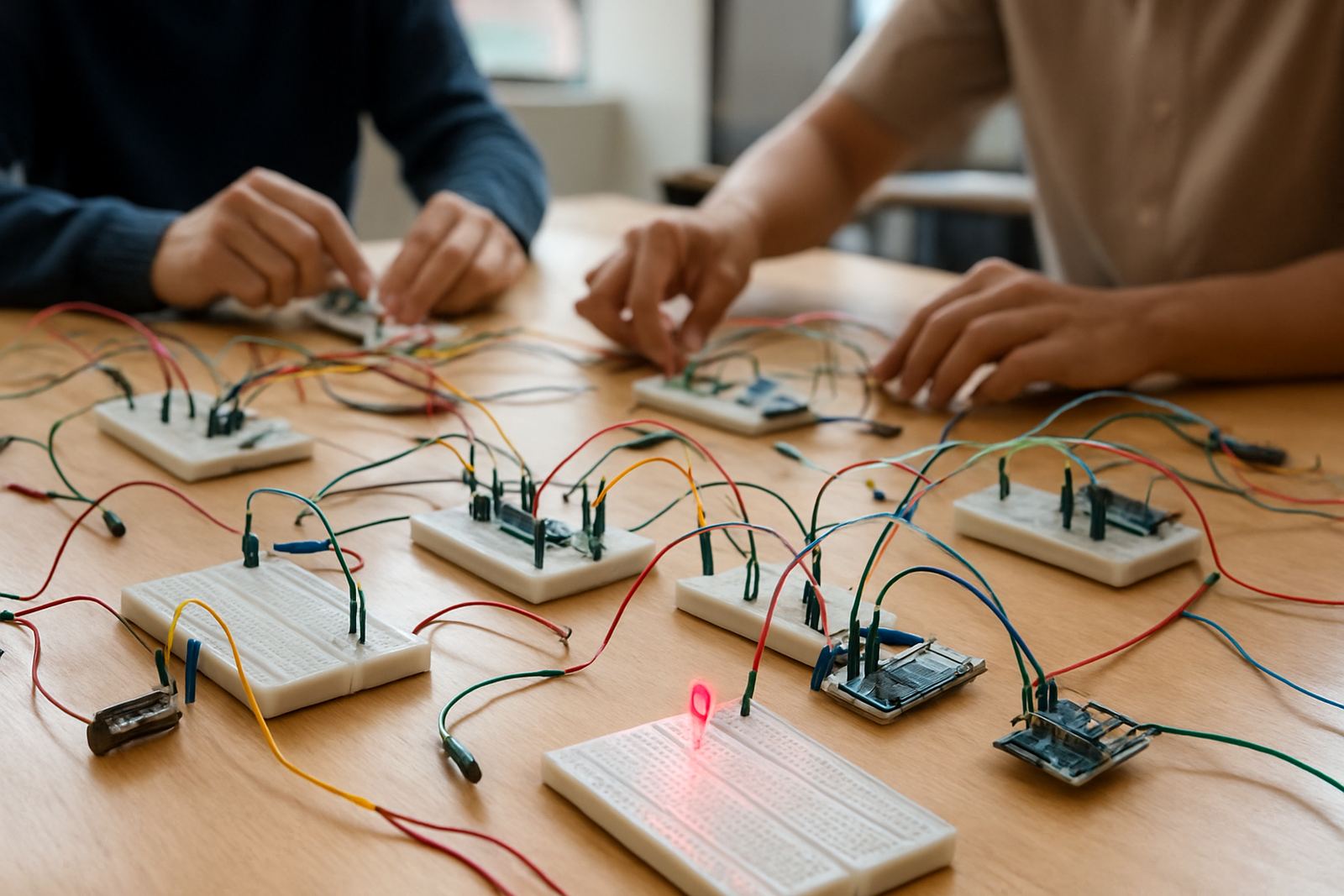
If your sessions include electronics or simple coding activities, keep the bench tidy and separate small components in trays. Nothing slows a group down like loose parts mixed with screws and glue, and then half the class spends ten minutes looking for one resistor or clip.
How We Help You Plan for Real Venues and Real Budgets
Budget planning for community facilitation needs to be practical. A small school workshop kit can start around R3 500 to R8 000, depending on how many learners you want to support and whether you need storage. A more complete mobile setup for a hub, NGO programme or outreach team often sits between R12 000 and R35 000. Larger programmes with multiple stations, signage and replenishment stock can go higher, especially if you are working across several towns.
We help you plan for the full cycle, not just the first delivery. That means looking at consumables, replacement parts, storage, transport and upkeep. If a venue changes each week, we will also factor in how the kit moves, who signs it out, and where it is kept between sessions. A strong setup should survive van transport, quick packing, and the odd knock against a school gate or concrete stoep.
- Starter kits for first-time facilitators and pilot programmes
- Space planning for shared rooms, classrooms and library corners
- Safety signage setup for tool rules and supervision points
- Maintenance checks to catch damaged tools before the next workshop
- Consumables planning so you dont run out mid-term
Johannesburg venues often have tighter storage than people expect, especially in inner-city spaces and converted rooms. In Pretoria East and Sandton, you may have better access to secure storage but stricter building rules, so the setup has to fit the room instead of forcing the room to fit the kit.
Common Mistakes That Slow Down Workshops
The biggest mistake is buying for the ideal workshop instead of the actual one. If your learners are 10 to 14 years old, a kit built for a fully equipped studio will be too complex and too expensive to manage. Another common issue is mixing teaching tools with shared community stock, which makes stock control messy and causes missing items after a few sessions.
People also underestimate what happens after the workshop ends. Tools need wiping, counting and sorting. Consumables need topping up. Labels fade, bins break, and one missing clamp can throw off the whole next session. It is worth planning a simple return system from the start so the facilitator does not become the stock room manager as well.
- Buying too many specialist tools before the core set is tested
- Using unlabeled boxes so parts get mixed up between sessions
- Ignoring storage space and transport weight
- Skipping safety signage because the group already knows the rules
- Forgetting backup plans for load-shedding or venue changes
Another one is trying to teach too much in one go. A clean, focused activity with the right tools is better than a crowded table with half the parts missing and nobody quite sure what to do next.
Who We Support Across Johannesburg and Beyond
Our support suits facilitators working in Braamfontein, Soweto, Midrand, Sandton and Pretoria East, as well as teams in Durban, Cape Town and Gqeberha. We also work with partner makerspaces and training venues nationwide, which helps when you need a space closer to your learners or a room with better benches, storage or power access.
Whether you are running a school holiday programme, a teacher development session or a regular community build club, the goal is the same: make the setup easy to understand, safe to use and simple to repeat. Naledi Dube leads the business from Braamfontein, and the team includes people who focus on training, workshop operations, community partnerships, starter kits, technical support and makerspace networks. That means you get practical help from people who know what breaks, what gets lost and what actually saves time.
If you need a space review, a tool zone layout or a kit for your next programme, start with the enquiry form on our contact page. We will work through what you teach, who is attending, and what the venue can realistically handle, then match the setup to your budget and your schedule.