Where School Makers Projects Usually Start
Most school makers projects begin with one room, a corner of the library, or a converted science storeroom that needs to do more than one job. In Johannesburg, Pretoria East, Soweto, Durban, Cape Town and Gqeberha, schools usually want a space that can handle class groups of 15 to 30 learners, stay tidy between lessons, and still work when load-shedding interrupts the day.
Our starting point is practical. We look at what learners will make, who will supervise, how often the room will be used, and what storage is already on site. A good school makers setup does not need a huge footprint, but it does need clear walkways, safe power access, and a place for hand tools, consumables, and finished work.
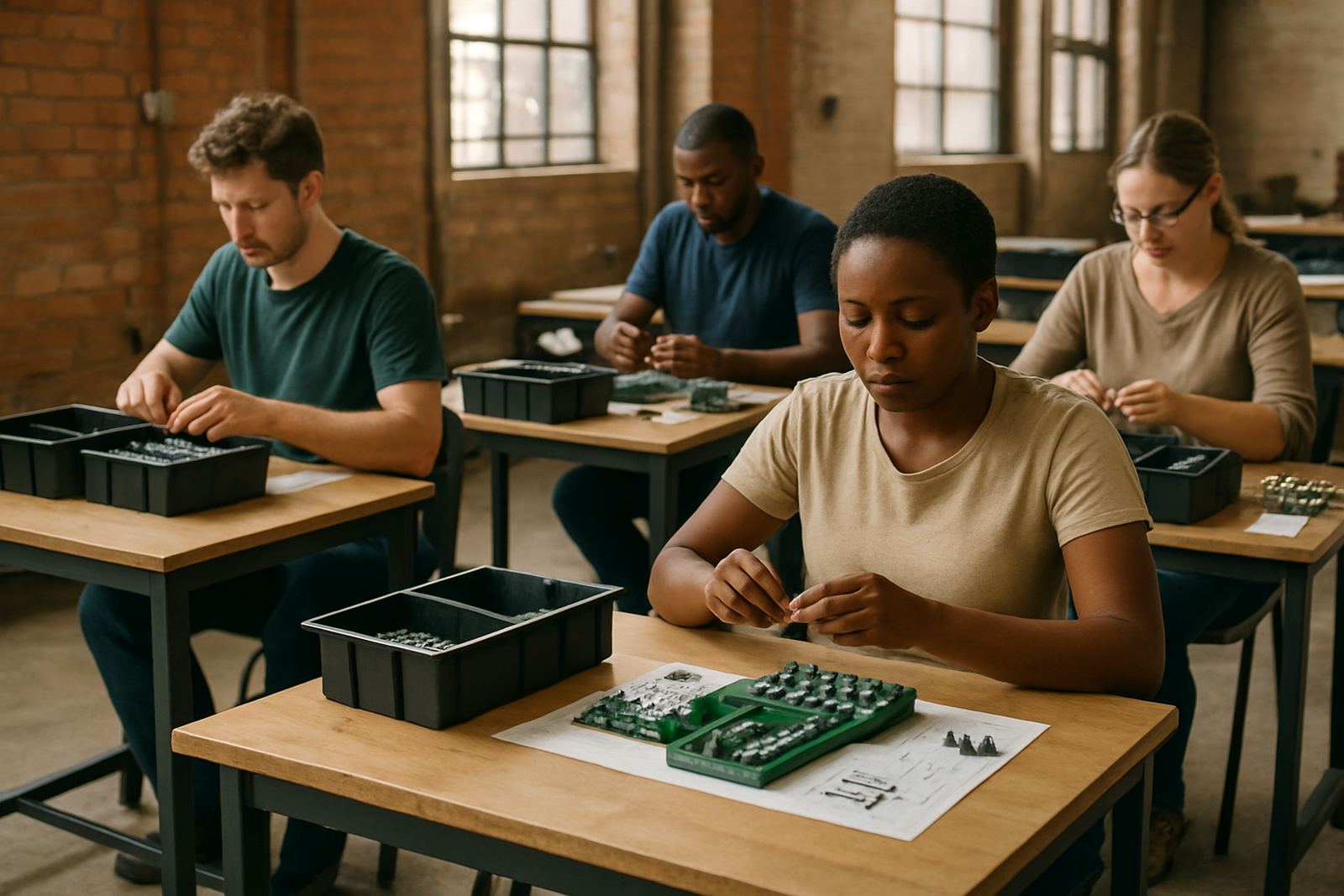
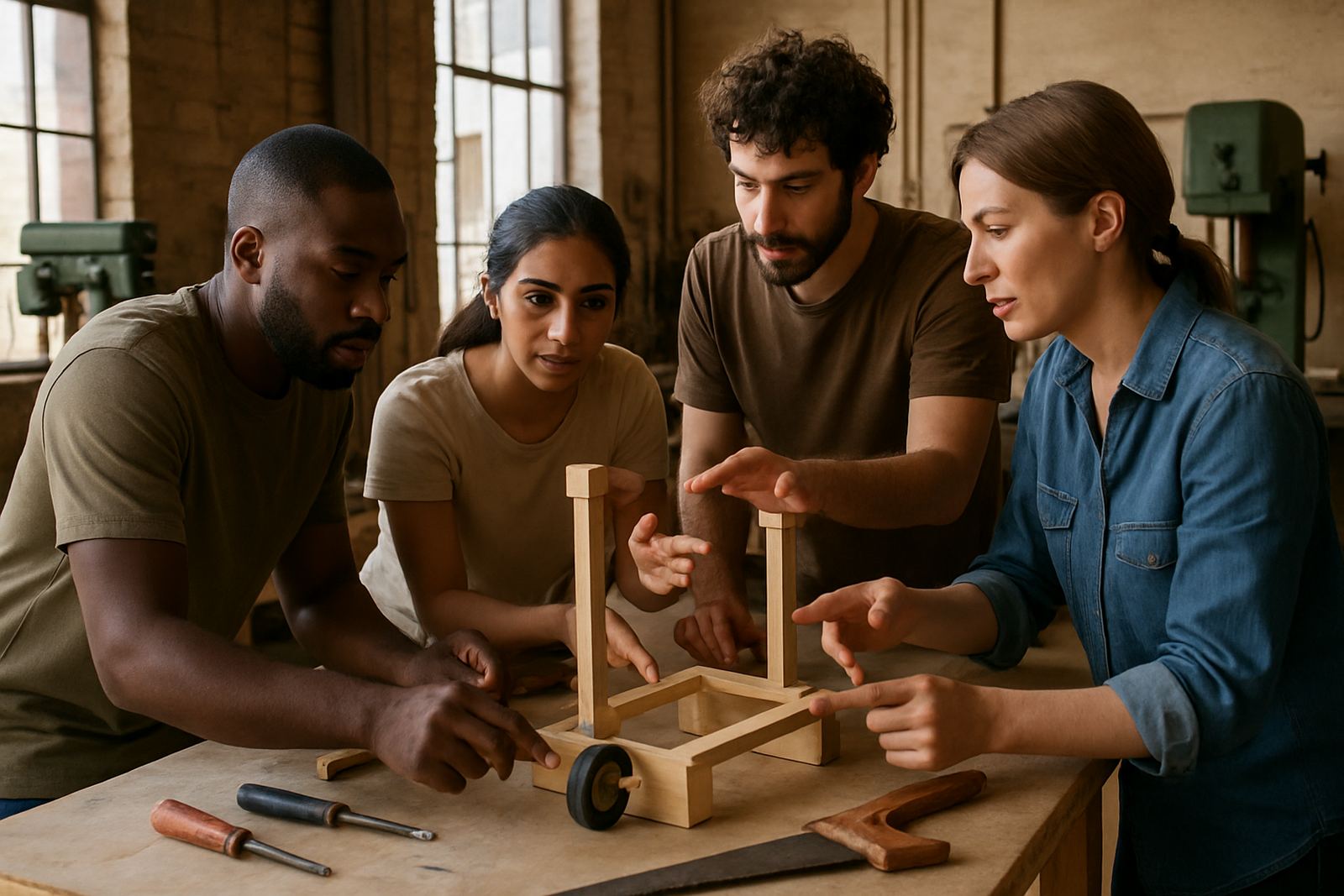
Typical school clients ask for a mix of woodwork, simple electronics, craft cutting, model making and assembly activities. The aim is to keep the work hands-on and age-appropriate, while giving teachers a space that is easy to reset after each class.
- Small group work benches with durable tops
- Lockable storage for tools and consumables
- Clear safety signage at eye level
- Dedicated charging and battery storage area
Typical Equipment Set for a School Makers Room
A school makers room usually works best with general-purpose equipment rather than highly specialised machines. The exact mix depends on the curriculum, but most schools start with manual tools, measuring gear, basic electrical supplies, and a few shared station items for clean-up and supervision. For many schools, this is enough to begin meaningful projects without overloading staff.
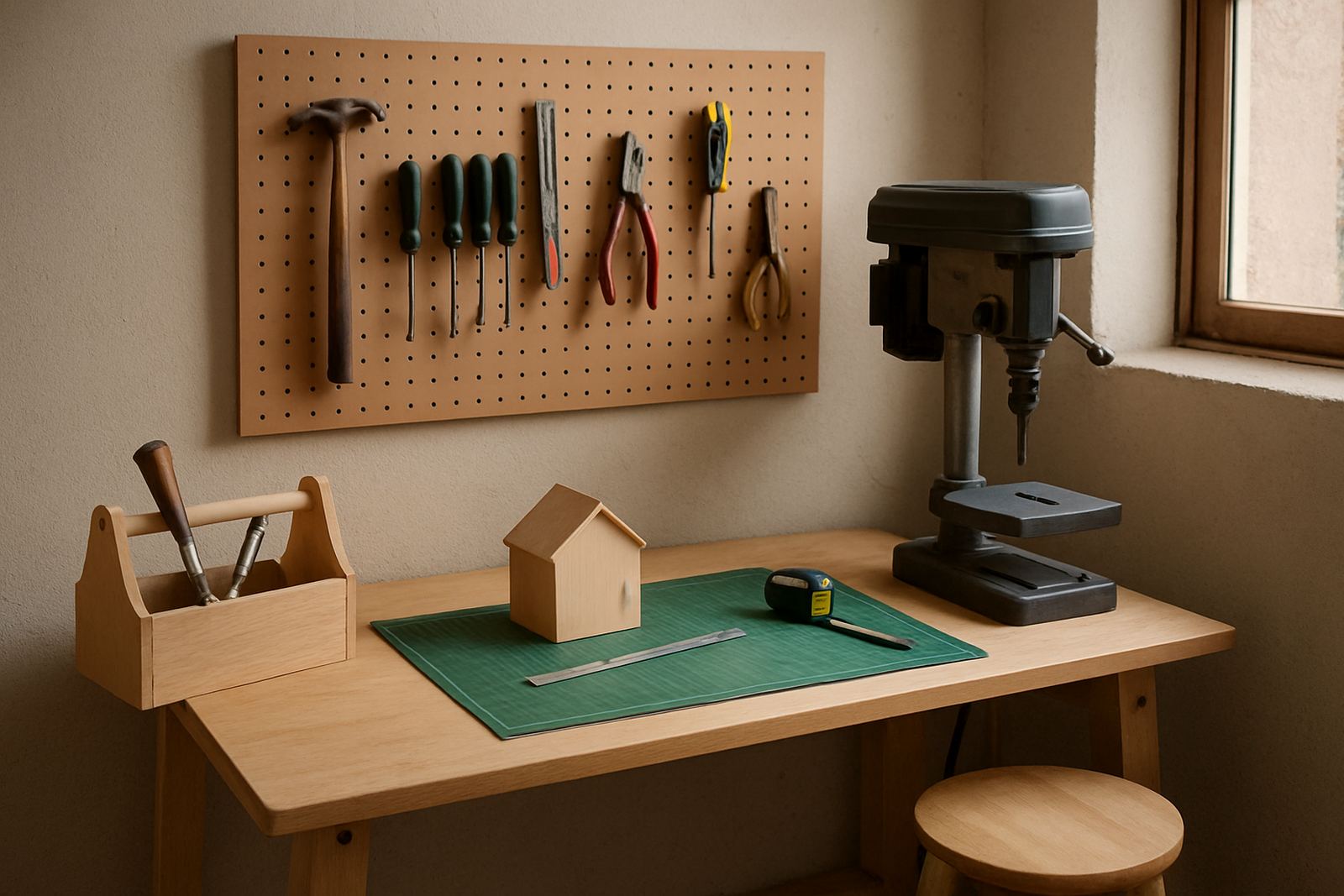
We usually recommend a core set that suits both junior and senior learners. This can include cutting mats, rulers, clamps, screwdrivers, pliers, low-voltage soldering tools where suitable, safety glasses, aprons, storage tubs, label holders and a basic tool wall. In coastal areas like Durban and Gqeberha, moisture-resistant storage matters more than people expect because rust can appear fast in humid rooms.
- 4 to 6 workbenches or table stations
- Tool trolley with lockable drawers
- First aid kit and clear emergency point
- Ventilation fan or window plan for dust and fumes
- Consumables: tape, glue, screws, wire, card, timber offcuts, markers
For schools that run after-hours clubs or holiday programmes, we also plan for maker stations that can be set up and packed down quickly. That helps protect equipment and makes the room easier to manage when different groups share it through the week.
Layout Advice That Keeps Learners Safe
A school makers layout should reduce crowding, keep tools visible, and make supervision straightforward. The best rooms have a simple flow: entry point, storage, work area, clean-up point, then return to storage. That order cuts down on lost items and messy benches, which is often the biggest problem in busy schools.
We usually advise against placing all benches against the wall. Learners need enough space to move around safely, and teachers need a clear line of sight. Aisles should stay open, with no trailing cables across walkways. If the room uses extension leads during load-shedding, the power plan must be fixed and labelled, not handled in a rush between periods.
In smaller schools, one side of the room can hold storage and safety signage, while the opposite side holds active benches. In larger spaces, a centre island layout often works well because it separates making tasks from packing and storage. Either way, the room should be easy to inspect after a lesson and easy to close at the end of the day.
Training for Teachers and Facilitators
Even the best room fails if staff do not feel confident using it. That is why school makers projects should include member onboarding style training for teachers, lab assistants, or external facilitators. The goal is not to turn every educator into a technician, but to give them enough structure to run safe sessions and manage tools properly.
Training usually covers tool handling, set-up and pack-down routines, learner grouping, basic maintenance, and how to report faults before they become expensive repairs. It also helps schools with booking routines, consumables control, and simple rules for shared spaces. In practice, this keeps lessons moving and avoids the common situation where one missing item stalls the whole class.
- Tool checks before and after each session
- Safe storage and issue register
- Simple lesson flow for 30 to 60 minute periods
- Fault reporting and maintenance checks
For schools with multiple classes, we can also support facilitator teams across different venues. This is useful for districts where one school hosts workshops for neighbouring schools or runs a cluster programme over weekends.
Common Mistakes Schools Make Before Opening
One common mistake is buying equipment before confirming room size. Another is underestimating storage. Schools often focus on the bench and forget the bins, shelving, labels and lockable cupboards that keep the room usable month after month. A third mistake is assuming every learner can use every tool at the same time. That creates bottlenecks and too much noise.
Budget planning is another area where schools need to be careful. The purchase price of tools is only part of the cost. You also need signage, consumables, spare parts, maintenance checks and sometimes minor electrical work. If the room is in a municipal building or an older school block, check safety and compliance requirements early so there are no delays near the opening date.
- Buying too many tools and too little storage
- Skipping safety signage and rules boards
- Ignoring ventilation and dust control
- Forgetting replenishment items like glue, tape and blades
- Not planning for power cuts or restricted plug points
Budget Ranges in Rand for School Makers Setups
School makers budgets vary a lot depending on whether the space is a simple starter room or a fully equipped lab refresh. A small starter setup for a classroom corner may begin at around R25 000 to R60 000, especially if the school already has tables and secure storage. This level usually covers tools, signage, basic consumables and a few starter kits for learner groups.
A mid-range setup for a dedicated room often sits between R75 000 and R180 000. That normally includes better storage, more bench space, more complete tool zones and support for teacher onboarding. Larger school lab refresh projects, especially where the room needs furniture changes, safety upgrades and ongoing consumables planning, can move from R200 000 upwards depending on the site.
We always recommend phasing the spend. Start with the safest core items, then add specialist tools once the room is running well. That approach helps schools in Braamfontein, Midrand and Sandton manage approvals, while schools in Durban or Cape Town can also factor in coastal maintenance needs from the start.
How SA Makers Supports School Projects Nationwide
SA Makers works from Braamfontein, Johannesburg and supports school makers projects through partner makerspaces and training venues nationwide. We help with space planning, tool zone layouts, startup space kits, safety signage setup, consumables planning, member onboarding, facilitator support, maintenance checks, storage solutions, event maker stations, school lab refresh work, and maker audits.
For schools, that means one practical process from the first site visit through to opening day. We can assess the room, suggest equipment that fits the budget, and map out how the space should work during a normal school week. If your school is in Pretoria East, Soweto, Durban, Cape Town, Gqeberha or the wider Johannesburg area, the same planning approach applies: keep it safe, keep it simple, and make sure the room can be used properly by real staff and learners.
When the room is ready, the result should be a space that supports curiosity without becoming a headache for the timetable. That is the balance schools need, and it is the one we plan for every time. Small detail, big difference.