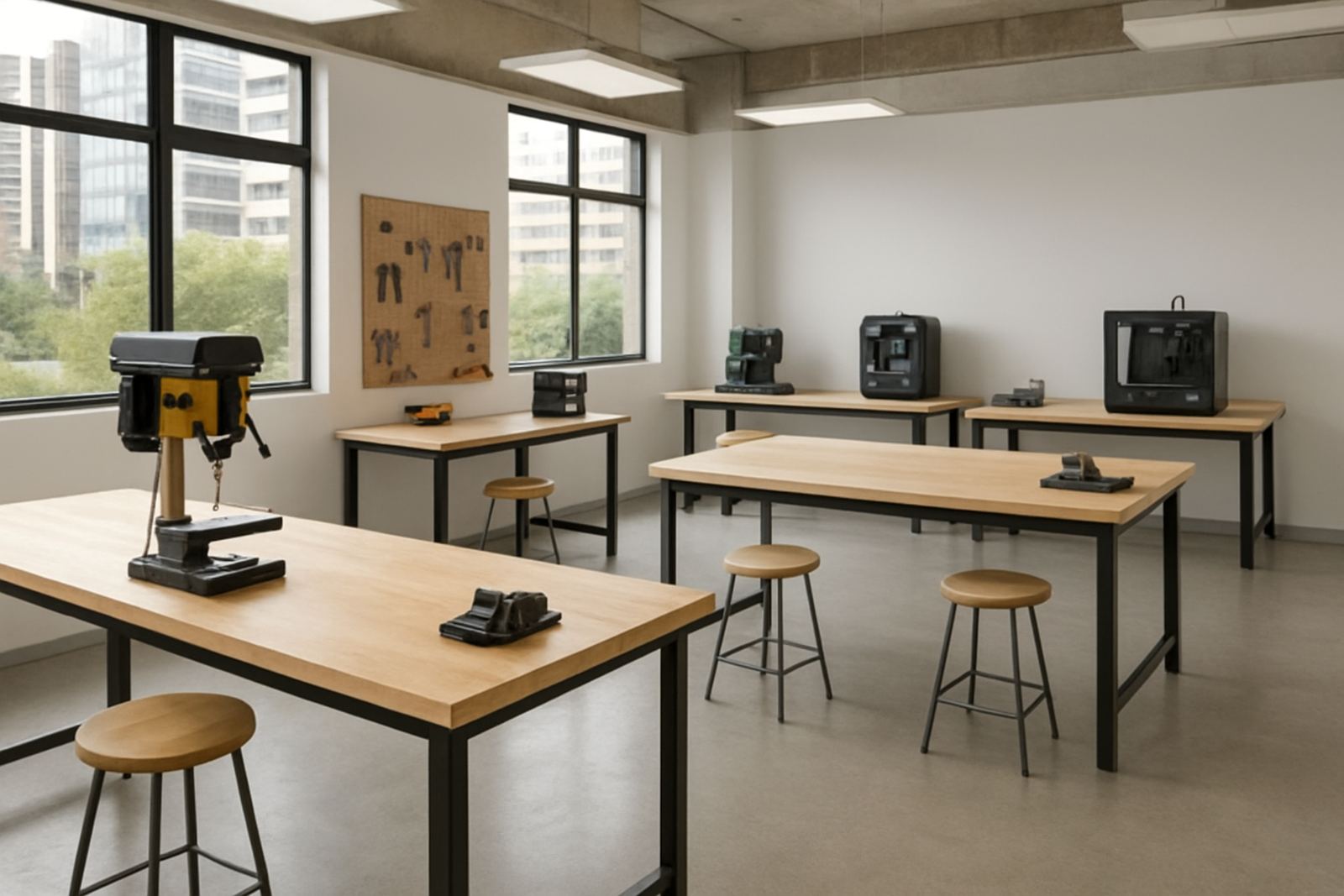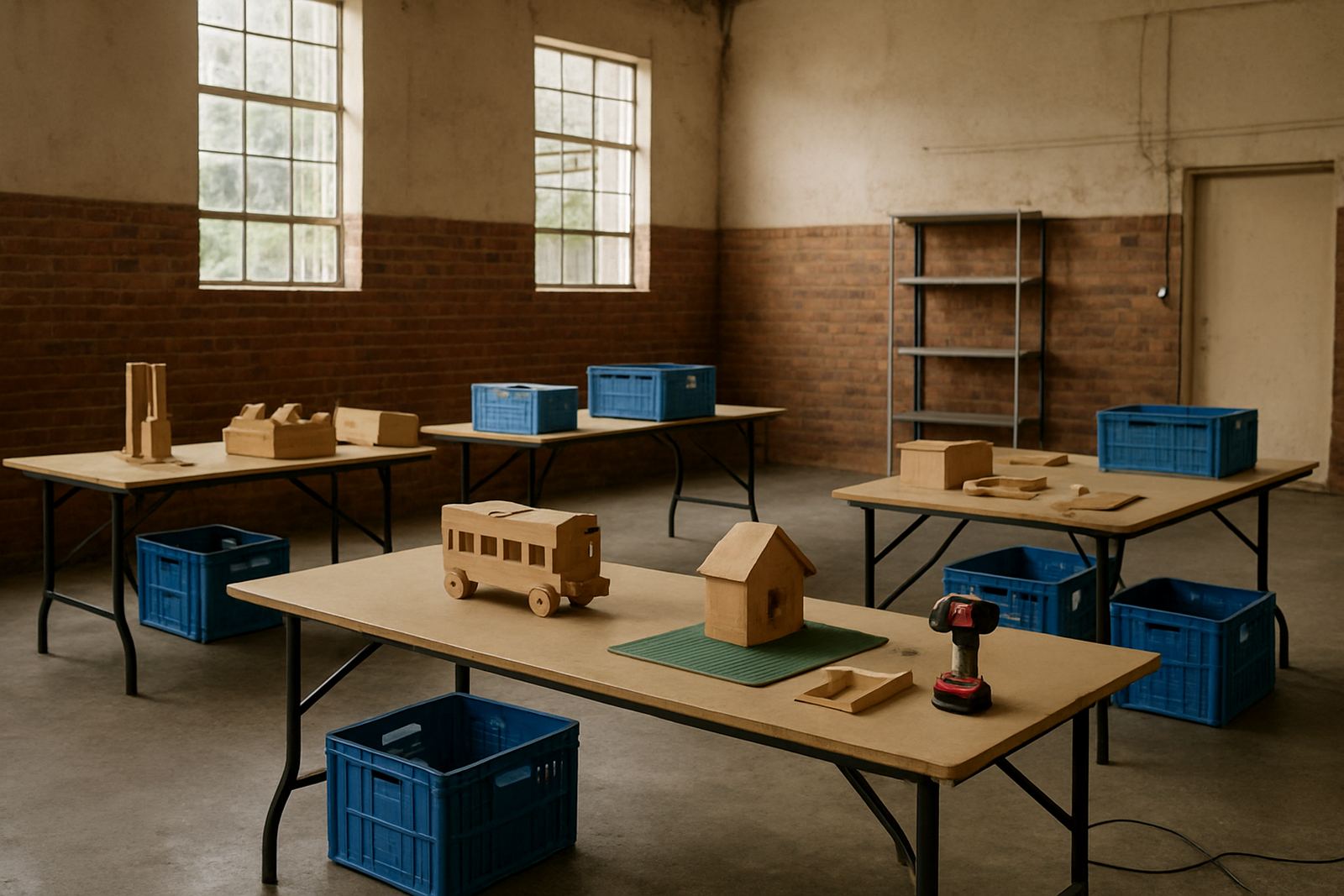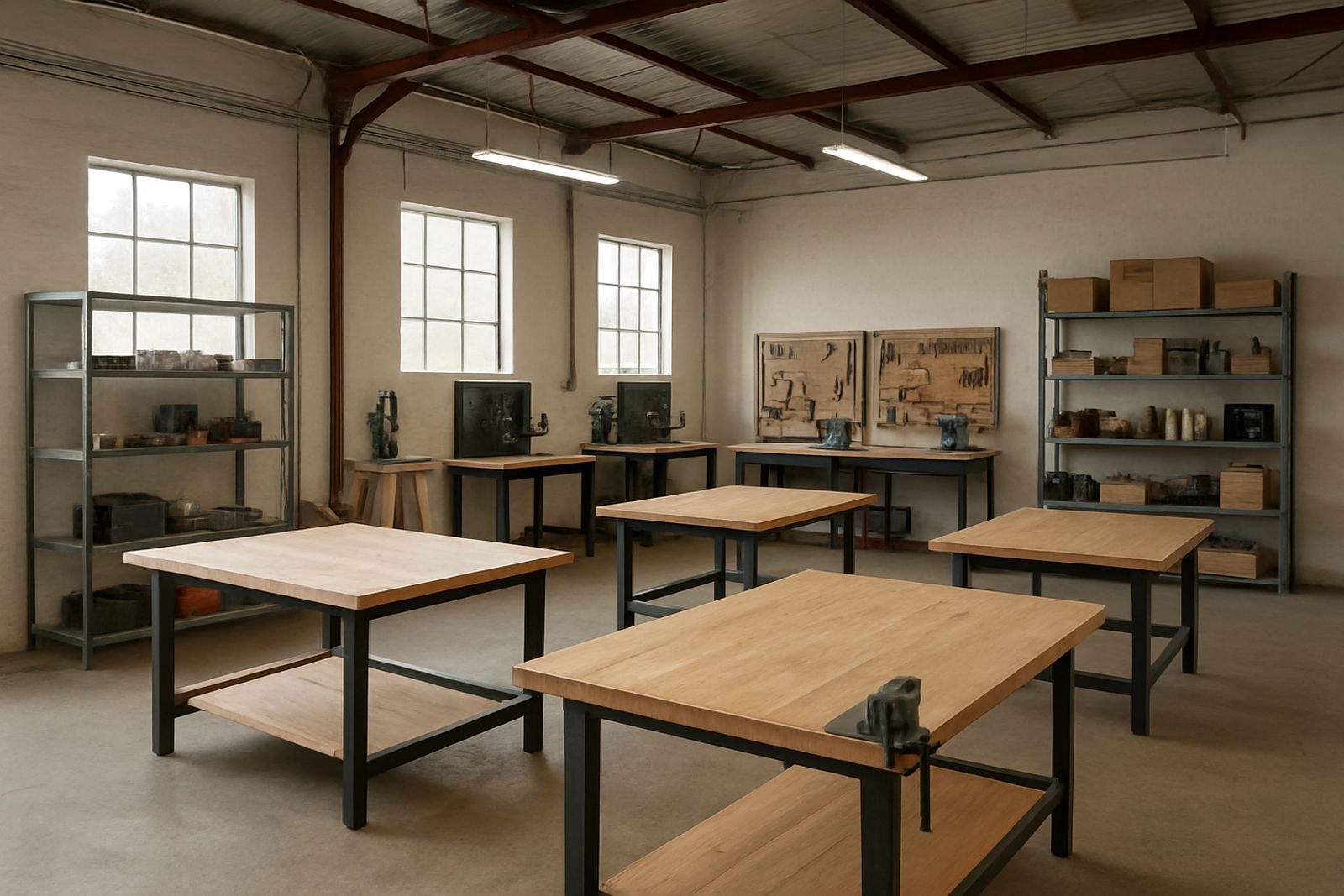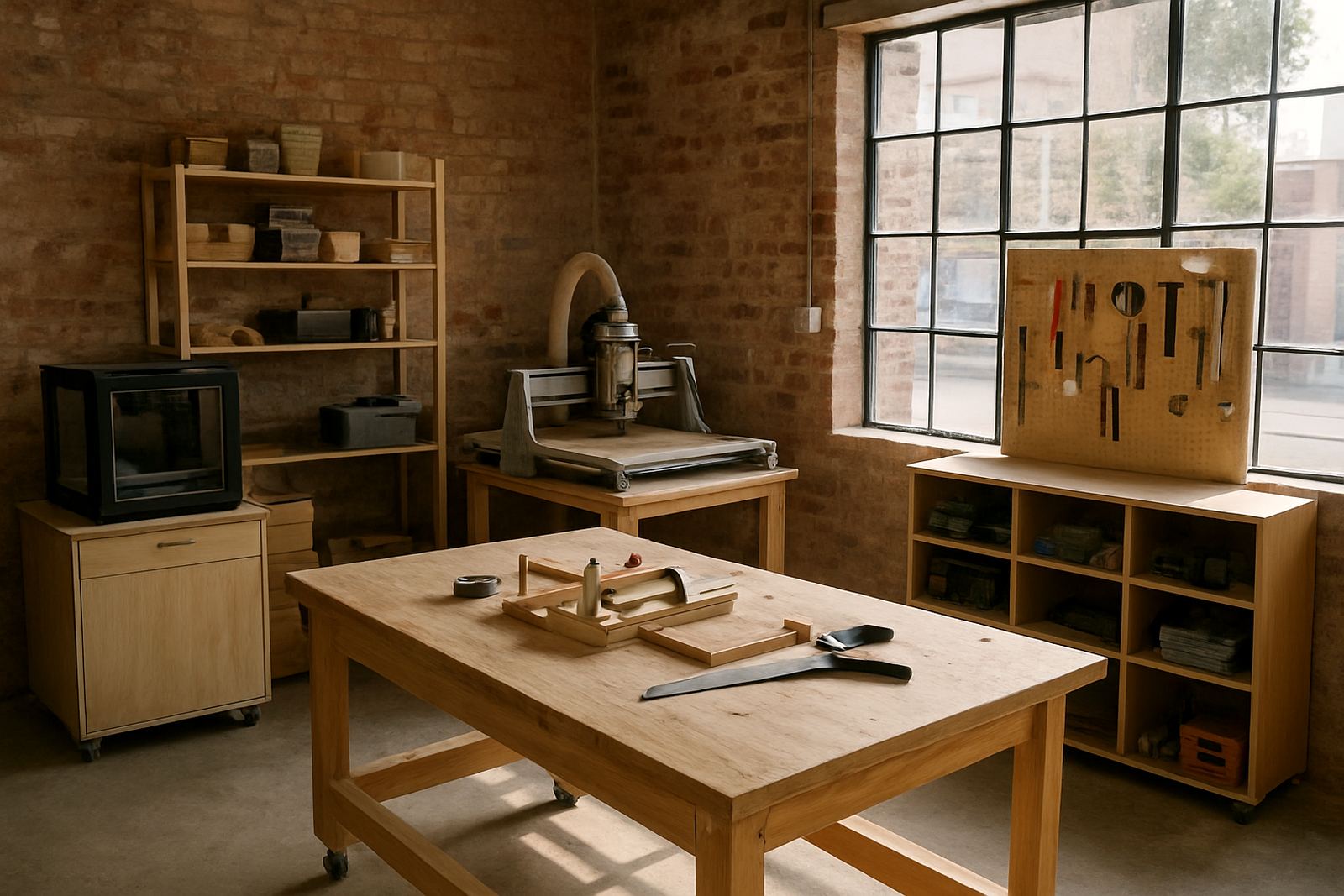
Cape Town support for maker spaces and workshop teams
In Cape Town, makerspaces often need to serve a mixed group of users, from product designers and hobbyists to schools, startup teams and community groups. Our work in the city focuses on the day to day realities of shared workshop use, where tools must be easy to find, safe to use and simple to maintain. Whether your space is in the City Bowl, Salt River, Woodstock, Bellville or closer to the Southern Suburbs, we help shape a working setup that suits the room and the people using it.
Partner venues in Cape Town also need practical support when membership grows quickly or when a workshop changes from light prototyping to regular training sessions. We assist with layout, onboarding, safety setup and starter kits so the space can run with less confusion and fewer bottlenecks. If your team is planning a refresh, a new training room or a maker station for events, we can help structure the supply list and the workflow around it.
What we cover for Cape Town clients
Different spaces in Cape Town need different levels of support, depending on whether they are running school groups, open member sessions or design-led fabrication. We focus on the items and systems that make the workshop easier to run on a busy weekday or during weekend events.
- Space planning for shared work areas and circulation
- Tool zone layouts for hand tools, bench work and light fabrication
- Startup space kits for new rooms and pilot workshops
- Safety signage setup for access points, storage and machine areas
- Consumables planning for fast moving stock such as tape, fixings and marking items
- Member onboarding for repeated inductions and house rules
- Facilitator support for workshop hosts and trainers
- Maintenance checks and storage solutions for keeping equipment in order
We also assist with event maker stations and school lab refresh work where the brief calls for quick setup and clear control of materials. In spaces with frequent public activity, small improvements like labelled shelves, fixed sign positions and proper consumables storage can save a lot of time.
Travel, turnaround and working across the city
For Cape Town and the surrounding areas, turnaround depends on the type of request and the number of locations involved. Single venue support can often be planned quickly, while larger jobs involving multiple rooms, safety signs or bundled starter kits need a bit more lead time. We work from our Johannesburg base with partner makerspaces and training venues nationwide, so Cape Town projects are handled through scheduled support and clear delivery planning.
Travel and timing in the Western Cape can be affected by traffic around the N1, coastal weather and venue access rules. We account for that when arranging visits, deliveries or training support. If your team needs help before a workshop intake or term start, it helps to send the request early so we can line up stock and confirm the right people are available on site.
- Best for planned setup work, audits and workshop refreshes
- Useful for venues that need one contact point for several items
- Suitable for teams opening new training rooms or adding member services
- Works well when stock needs to be grouped by project or by room
Local conditions that affect workshop setup
Cape Town spaces often deal with coastal humidity, salt in the air and changing temperatures between seasons. That matters when you are storing consumables, small tools, printed notices and sensitive equipment in a shared room. We plan around these conditions by recommending sensible storage, better labelling and layouts that reduce clutter around workbenches and shelves.
Load-shedding also still shapes how many makerspaces operate. If your room depends on limited power windows, we can help position tools and work areas so the most important tasks happen first. For spaces that need lighting, charging points or timed workshop sessions, it makes sense to keep the setup practical and easy to reset after an outage. That is especially useful where facilitators are juggling multiple groups and the room has to turn over fast.
Municipal and venue rules can also influence how a workshop is arranged. Some sites need clearer evacuation routes, better fire point visibility or stricter storage zones for chemicals and sharp tools. We support these basics with signage placement, zoning advice and storage solutions that suit the footprint you already have.
Starter kits and consumables for Cape Town makers
Starter kits are a common need for new maker groups, schools and small teams starting out in Cape Town. The aim is to give people the essential items they need without overbuying or filling the room with unused stock. Megan Petersen works on kit selection with a focus on practical use, repeat ordering and clean packing for storage.
Depending on the brief, a starter kit may include bench-ready supplies, measuring items, marking tools, fixings, cleaning items or basic safety gear. We also help with consumables planning so you are not caught short halfway through a term or a maker cycle. If you are running a public-facing space, it helps to keep popular items counted and stored in a way that is simple to monitor.
- Starter kits for small teams, schools and pilot rooms
- Consumables by activity, user group or workshop cycle
- Storage systems that keep fast-moving stock visible
- Bulk planning for items that run out quickly in shared spaces
Member onboarding, facilitator support and regular checks
Shared workshops work better when users know the rules before they touch the tools. We help Cape Town venues set up member onboarding that is clear, repeatable and easy for staff to manage. That can include induction flow, house rules, sign placement, storage guidance and the practical steps people must follow before they start working.
For training rooms and regular workshop programmes, facilitator support matters just as much as the equipment itself. We assist with room readiness, tool zone checks and simple maintenance routines so the facilitator can focus on the session. Johan van Zyl and Thabo Molefe support the operational side, while Ayanda Ndlovu and Reuben Naidoo help keep partner links and venue planning on track. It is the kind of support that keeps the room workable instead of constantly needing rescue.
Where needed, we also carry out maker audits to identify what is missing, what is underused and what needs replacing. That can be useful before a new term, a funding cycle or a community event. A clear audit often saves money because it shows what can be fixed, reused or moved rather than bought again.
How Cape Town enquiries are handled
All Cape Town enquiries come through the contact page form, which helps us route each request to the right part of the team. That means a school lab refresh, a maker station request and a full space planning job do not get mixed up. Once we have the basic details, we can look at the room size, the service area, the stock needed and the likely turnaround.
Naledi Dube leads the business side from our Johannesburg base, with support from the wider team across training, operations, support and partner coordination. If you are working in Cape Town and need help with layout, onboarding, starter kits or workshop support, send the details through the form and we will take it from there. It is a straightforward process, and it suits teams that need practical answers rather than long back and forth.