Start by checking what the space actually offers
Before you travel across Johannesburg or head out to a partner venue in Pretoria East, Durban, Cape Town or Gqeberha, make sure the makerspace matches the kind of work you want to do. A good visit starts with a clear idea of whether you need wood tools, metal work, sewing machines, electronics benches or a quiet room for assembly and testing.
Ask how the space is set up for beginners and whether there are separate zones for noisy work, fine assembly and storage. If you are planning to bring a group from a school, small business or community project, find out if the venue can handle supervision, short training sessions and shared use without overcrowding.
- Confirm the main tool types on site
- Ask if there are induction sessions for new members
- Check the opening hours and booking rules
- Find out whether the space is suitable for your age group or project type
Questions to ask before you sign up or book time
Do not wait until the end of the visit to ask about costs and access. Ask how membership works, what day passes include and whether there are extra charges for supervised sessions, machine use or consumables. Some spaces are ideal for one-off projects while others are better for regular makers who need repeated access.
It also helps to ask about load-shedding backup, ventilation, dust extraction and security. In parts of Johannesburg and the coastal areas, power cuts and humidity can affect your workflow, so you need to know how the space handles interruptions and storage of materials. If you are working on electronics or timber, ask where sensitive items are kept and how they are protected from dust or damp conditions.
- How are bookings managed during busy periods?
- Is there a sign-in process for guests and visitors?
- Are safety briefings included before tool use?
- What support is available if a machine is out of order?
Bring the right items for a first visit
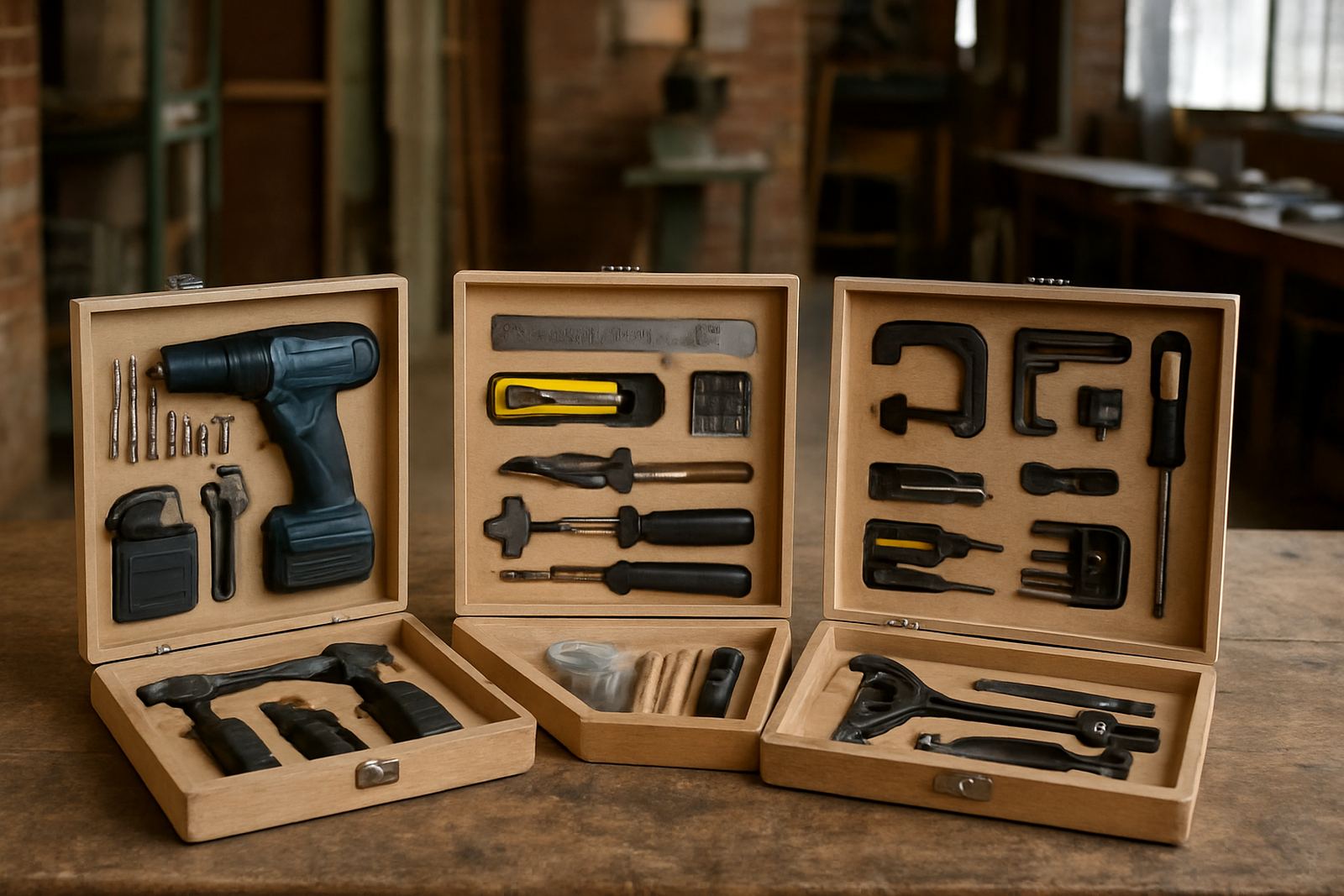
You do not need to arrive with a full toolkit, but you should bring enough to take notes, understand the workflow and test whether the space suits your needs. If you are looking at starter kits or planning to join a training programme, bring details of the project you want to complete so the team can point you to the right tools and materials.
For a first visit, keep it simple. Wear closed shoes, avoid loose clothing and bring any item that helps the team understand your project better, such as sketches, measurements or sample materials. If you are coming from Soweto, Midrand or Sandton after work, pack light but practical. A small notebook and water go a long way when you are moving between stations and asking questions.
- Notebook and pen
- Your project sketch or rough measurements
- Closed shoes and comfortable clothing
- Any small sample, offcut or reference item
- Proof of booking if the venue requires it
How to move through the space on the day
When you arrive, ask where to sign in and where to store your bag or personal items. A proper walkthrough should show you the main work zones, emergency exits, first aid points, fire extinguishers and the place where tools are checked out. If the venue has member onboarding, this is the time to understand how users are introduced to the space and what training comes first.
Walk slowly and pay attention to how the team handles safety and supervision. A well-run makerspace should be clear about which machines need induction, which areas are shared and where to keep materials between visits. If the venue hosts events, school sessions or community programmes, ask how those are separated from normal work so you can plan your visits around them.
- Check the location of exits and emergency points
- Ask where to store materials safely
- Observe how tools are returned after use
- Note whether the space is tidy enough for precise work
What to look for in the tools and workshop setup
On your first visit, do not only look at the equipment. Look at how it is arranged. Good tool zone layouts make it easier to move between cutting, sanding, assembly and testing without mixing dirty work with clean work. That matters whether you are running a school lab refresh in Pretoria East or setting up a small maker corner in Braamfontein.
Check whether storage is labelled, whether consumables are easy to find and whether shared items are clearly tracked. A strong setup also needs maintenance checks, clear safety signage and enough space for people to work without bumping into each other. If you are part of a team, ask how the space manages group bookings and event maker stations so everyone can work without crowding the same bench.
- Are tools stored by category and size?
- Is there enough light for detailed work?
- Do the benches feel stable and clean?
- Are instructions and warnings easy to understand?
Leave with a clear next step
At the end of the visit, ask what happens next. You may need to complete onboarding, book a training session or confirm what materials to bring for your first project. If the space is a good fit, write down the membership options, booking method and the name of the person who explained the process to you. That saves time later, especially if you are comparing venues across multiple towns.
If you are still deciding, ask whether there is a trial visit, a beginner class or a guided session before you commit. The best first visit leaves you with practical answers, not just a brochure. You should know whether the space supports your pace, your budget and your way of working, and whether the team is ready to help when things get stuck.
- Confirm your next booking or training date
- Ask what to bring for a second visit
- Make a note of any rules on storage and cleanup
- Decide whether the space suits solo work or group projects