Start with the right mix of products
Before you book a stall, work out what sells best for your market type. A craft market in Braamfontein may reward small gift items and quick-browse products, while a food and family market in Pretoria East may suit practical goods, starter kits and items people can touch and test. Keep your range focused enough to manage, but broad enough to catch different buyers.
For first-time sellers, aim for a mix of entry-level items, mid-priced bestsellers and one or two higher-value pieces. That gives customers a reason to stop, compare and buy, without making your table look crowded. If you make products yourself, batch them in sensible quantities so you are not carrying too much cash tied up in stock.
- Choose 8 to 15 core products for your first market.
- Include small items under R100 for impulse buys.
- Carry a few premium pieces to raise your average sale.
- Pack spares for items that may get damaged in transit.
Price stock so you can still make a margin
Market pricing should cover materials, labour, packaging, stall fees and transport. If you only add up the material cost, you can end up working hard for very little return. A simple way to start is to calculate your full cost per item, then add a margin that makes sense for your category and the time spent making it.
Keep pricing visible and easy to understand. Shoppers often move on if they have to ask the price of everything. Use clear tags, printed cards or small chalkboard signs, and make sure your payment options match the price points on the table. If a product is R35, people may prefer cash or a quick card tap, not a long checkout process.
- Work out material cost, time, packaging and transport.
- Add a stall fee share to your total if needed.
- Round prices cleanly so you are not fumbling for change.
- Offer bundle deals for two or three items together.
Pack displays that hold up in wind, heat and load-shedding
Your display should look neat and stay put when the weather changes. In outdoor markets around Durban, humidity can soften packaging and cause labels to curl, while a windy morning in Johannesburg can scatter lightweight stock. Use crates, weighted stands and coverings that do not flap around. If the market has power cuts, make sure your setup still works without mains power.
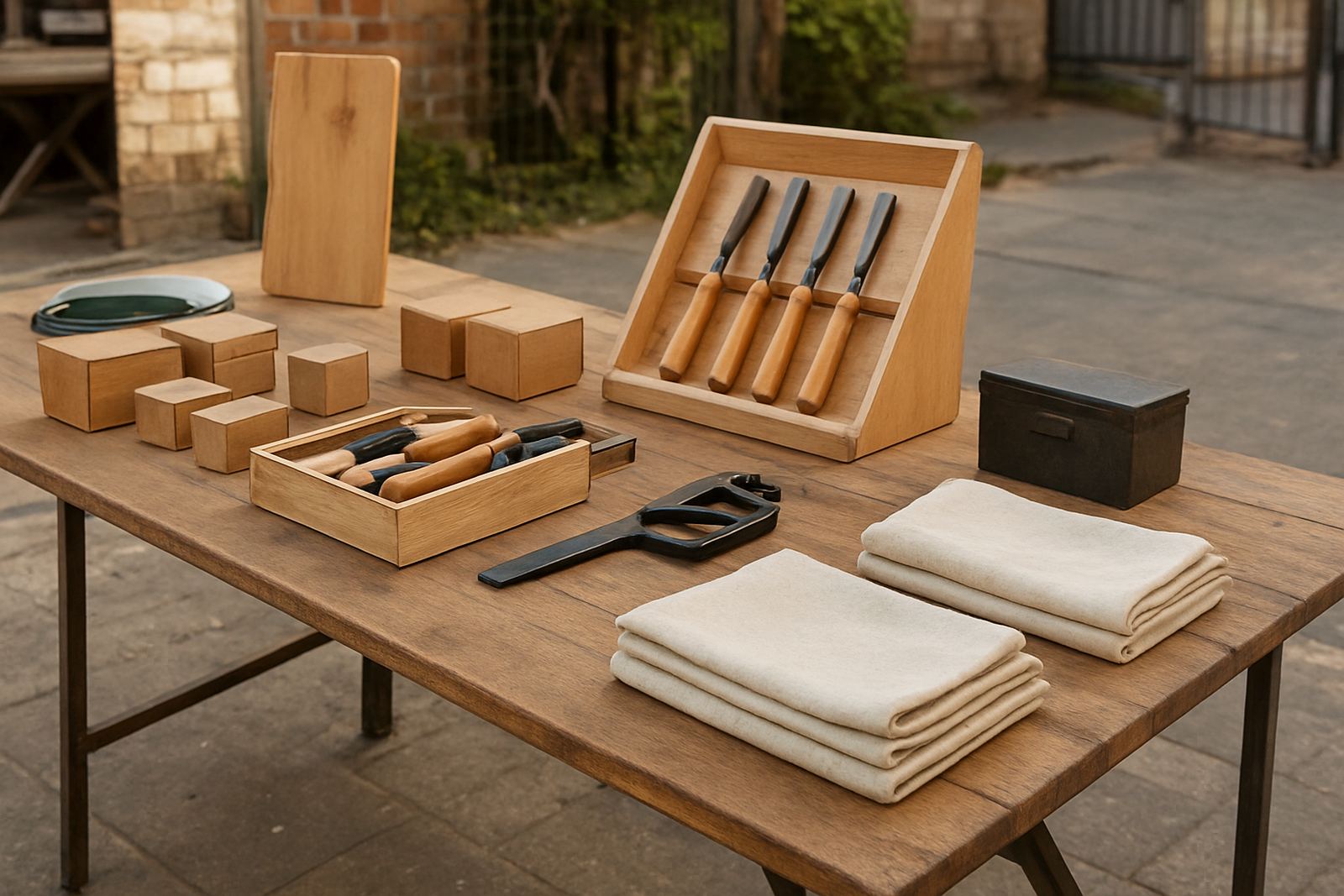
Keep your table height comfortable for browsing, and use layers to create depth. Boxes under the table can raise stock levels and save packing space. A small tablecloth or neutral cover helps your products stand out, but make sure it does not touch the ground where it can pick up dust and mud. If you are setting up near a wall, leave enough room for people to move past without squeezing.
- Pack table cover, clips, tape and a small tool kit.
- Bring battery lights for early mornings or load-shedding.
- Use closed tubs for stock that must stay clean and dry.
- Carry spare labels, price tags and marker pens.
Sort your payment basics before opening time
Buyers at local markets expect quick payment options. Cash is still useful, but most traders also need card and instant transfer options. Test your signal, battery life and payment device before you leave home. If the venue has patchy reception, load a backup method and keep a written price list handy so you can still sell during a network dip.
Keep a small float for change and separate it from your takings. Count your float before the market starts and again when you close. If you accept electronic payments, make sure you know how long it takes for funds to clear. This helps you plan re-stocking after a busy weekend, especially if you are heading to markets across Sandton, Midrand or Soweto.
- Carry a change float in mixed notes and coins.
- Charge all devices fully before leaving home.
- Use a backup power bank for payment devices.
- Keep receipts or a simple sales log for the day.
Set up your stall for easy browsing and faster sales
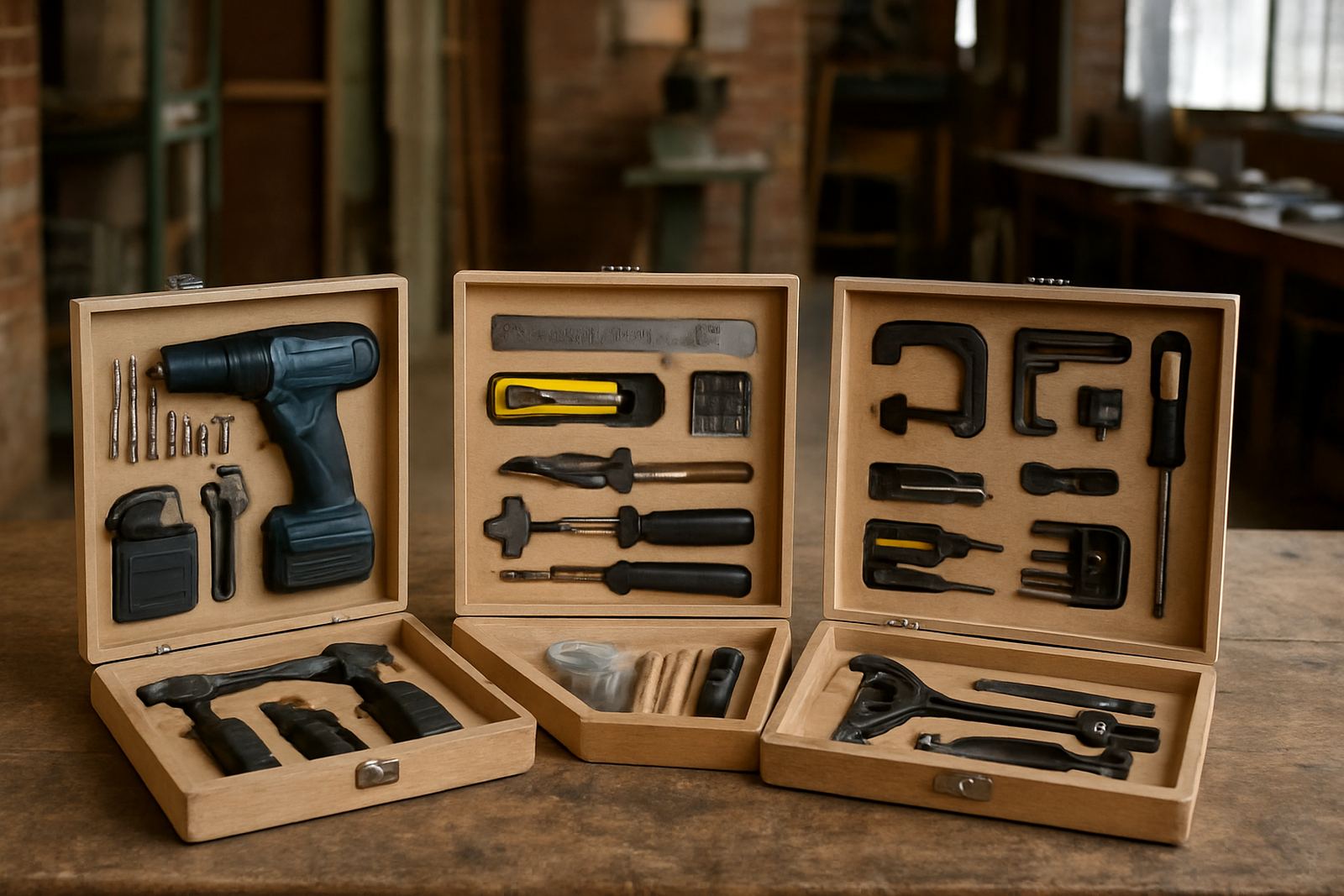
People buy more when they can see, touch and compare items without feeling crowded. Group similar products together, place bestsellers at eye level, and keep one clear area for payments. If you sell kits or bundled items, open one sample so customers can understand what is inside. This is especially useful for school and hobby buyers who want to know exactly what they are getting.
Try not to overload the table. A cluttered stall hides good products and makes pricing harder to follow. Leave enough space for a shopper to put down a bag or inspect an item. If you are selling at a community hall in Cape Town or a pop-up in Gqeberha, ask about table size and power access early so your layout fits the venue without last-minute scrambling.
- Put top sellers at the front and centre.
- Use height differences to break up the display.
- Keep payment tools in one clearly marked spot.
- Leave room for a small queue, if the market gets busy.
Close out properly and plan the next market
When the market ends, do not pack in a rush. Count stock, note what sold fastest and record any items that were damaged or returned. This tells you what to make more of next time and what to leave out. A short review is worth more than a guess, because market trends can change from one suburb to the next.
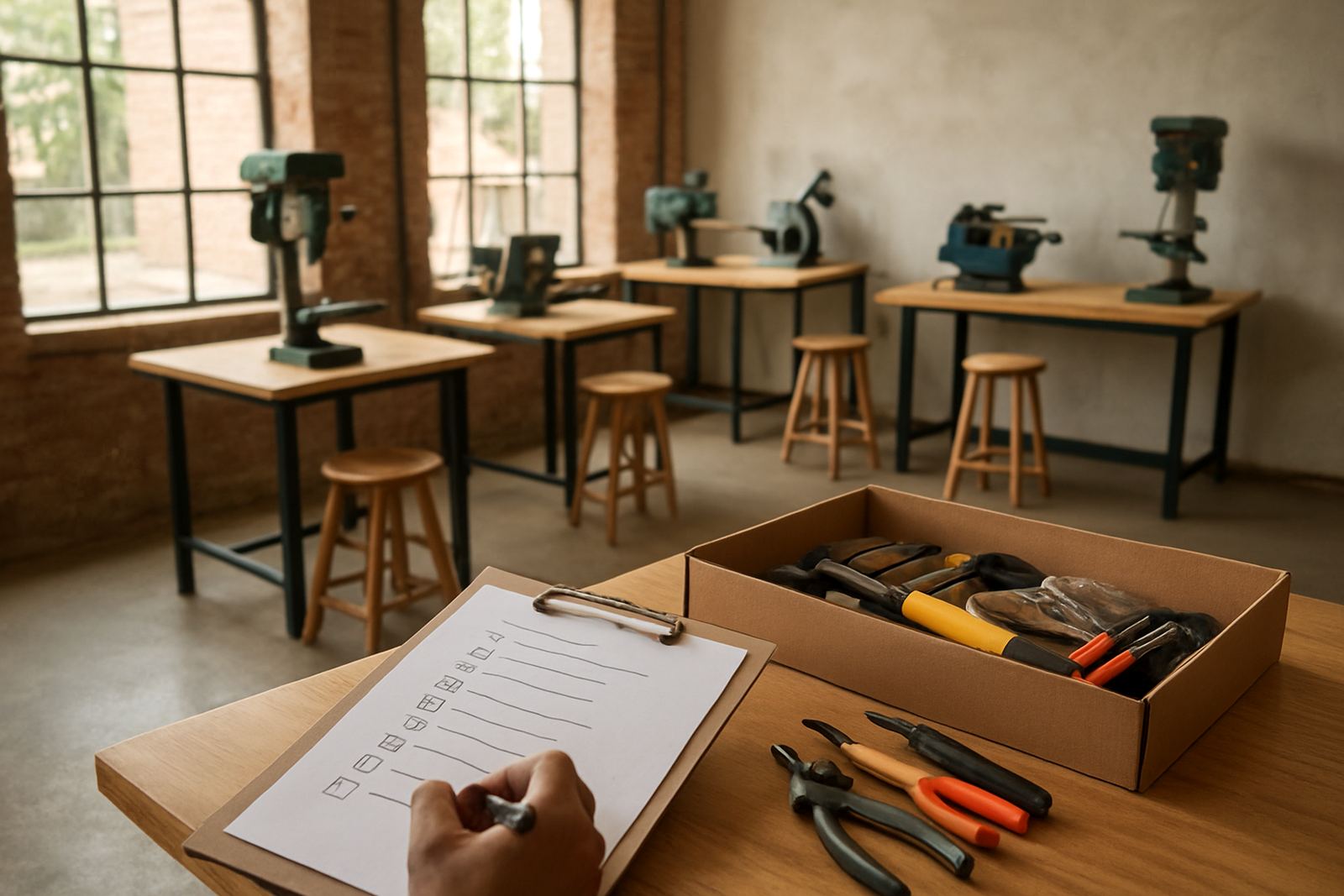
Clean your table, repack reusable items and check what must be repaired before the next event. If you are selling regularly, build a simple prep checklist for each market so your setup becomes quicker every time. That also helps if you are juggling school events, maker fairs and weekend stalls across different parts of the country.
- Count sales by product type at the end of the day.
- Note the busiest hours and best-selling price points.
- Restock packaging, labels and consumables immediately.
- Set aside damaged items for repair or removal.