Start with the project brief
Every project runs better when the brief is clear from the start. We begin with the item you want to make, the quantity you need, the materials you can source locally, and the date you need it ready. That might be a one-off prototype for a client pitch in Sandton, a school build in Pretoria East, or a small run for a market in Durban.
We also look at the work area, power needs, storage, and any safety controls needed for the team. If your build must cope with load-shedding, coastal humidity, or transport between venues, we plan for that early so you do not lose time later.
Match the right support to your build stage
Not every project needs the same level of help. Some teams only need a clean layout and a few consumables, while others need full startup space kits, tool zone planning, and facilitator support. We help you choose what fits the current stage of the job.
- Space Planning for new or changing work areas
- Tool Zone Layouts for safer movement and better workflow
- Startup Space Kits for new teams, schools, and pilot sites
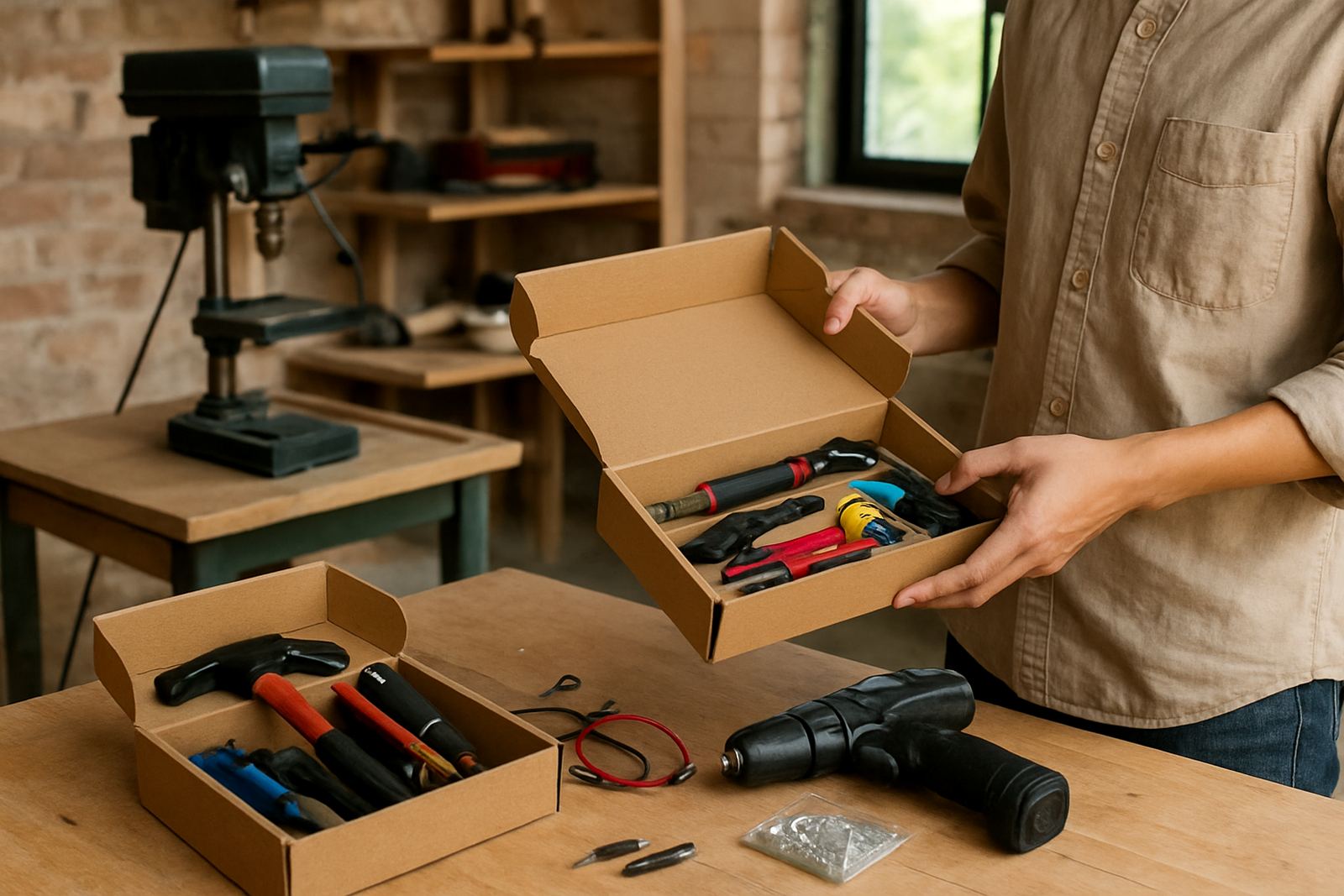
- Consumables Planning so stock does not run out mid-build
- Safety Signage Setup for clear use of tools and zones
Prototype with fewer delays
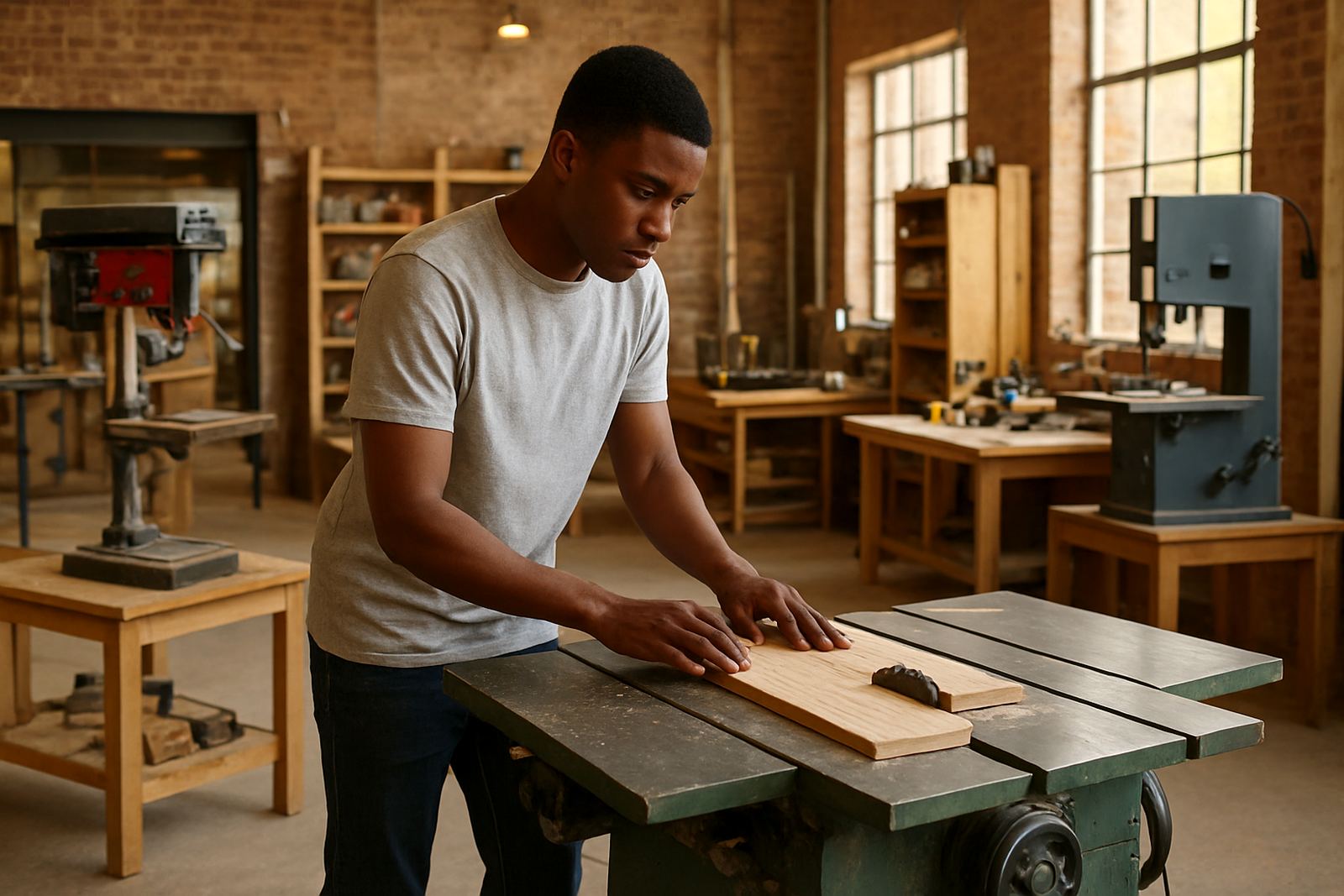
Prototyping works best when the first version is practical, not perfect. We help you decide which parts need quick testing, which can be hand-finished, and where a simple jig or guide will save time. This is useful for makerspaces in Braamfontein, Midrand, Soweto and Gqeberha where several teams may share the same equipment.
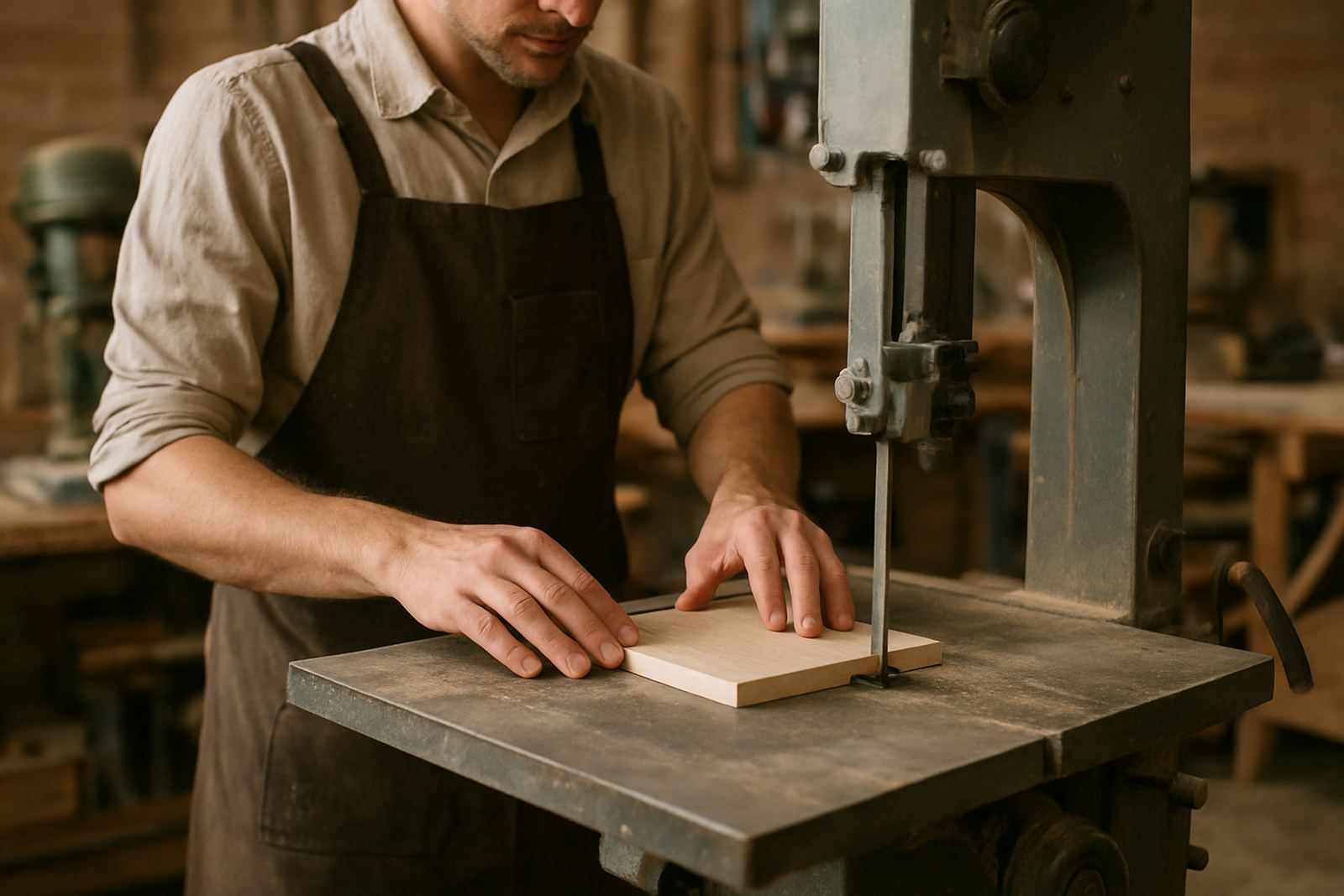
We also factor in maintenance checks before the work starts. A machine that is out of alignment or a storage area that is too cramped can slow everyone down. A few small checks now can save a full day later.
Set up for small batch production
If your prototype is ready and you need a small batch, the layout has to change. You need repeatable steps, labelled storage, clear member onboarding, and a place for finished stock that does not interfere with active work. That is where our support becomes more structured.
- Build repeatable workstations for consistent output
- Set up storage solutions for parts, tools, and finished items
- Plan event maker stations for demos, launches, or open days
- Arrange facilitator support for teams working across shifts
We can also help with a maker audit so you know what is already in place and what still needs attention. For small runs, that kind of planning keeps costs controlled and the workflow tidy.
Training and handover that stick
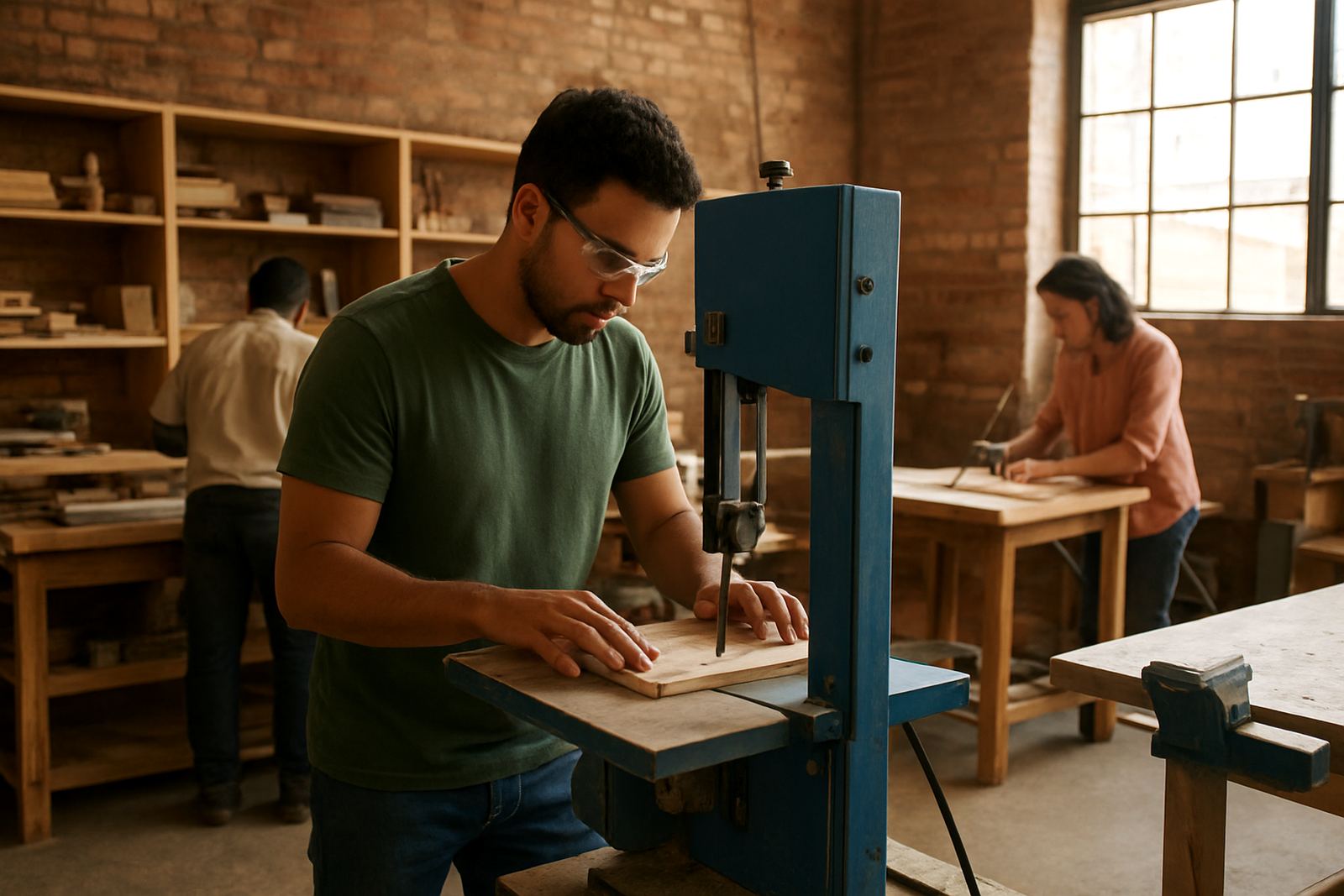
Good support does not stop when the first item is built. We make sure the people using the space know how to keep working safely and consistently. That can include basic training, a short handover for supervisors, or a refresh for school labs that need better order before the next term.
Our team works with partner venues nationwide, so the handover can happen where the work will actually take place. Naledi Khumalo leads training support, while Johan van Zyl handles workshop operations and Reuben Naidoo oversees the makerspace network. That mix helps keep the advice practical and grounded in real conditions.
How to request project support
Clients reach us through the enquiry form on our contact page. Once we have your details, we review the brief, the venue, the build stage, and any dates that cannot move. Then we suggest the right support path and confirm the next steps.
- Send your project brief through the enquiry form
- Share the space type, town, and expected output
- List tools, materials, and deadlines already in play
- We reply with the best support fit and practical next steps
Whether you are in Braamfontein, Sandton, Cape Town or Durban, the aim is the same: give the project a workable plan, keep the team moving, and avoid unnecessary rework.