Who can join the partner network
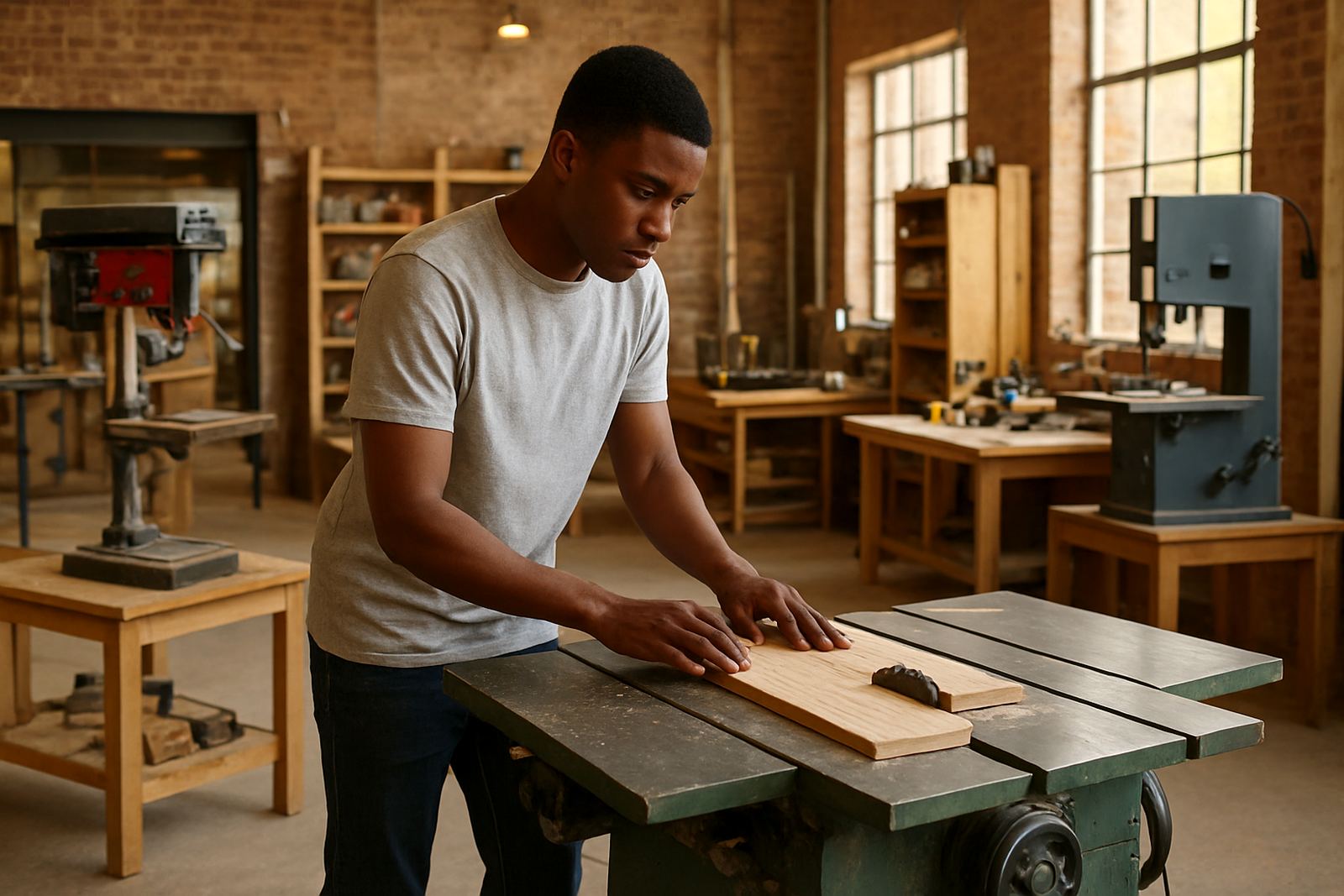
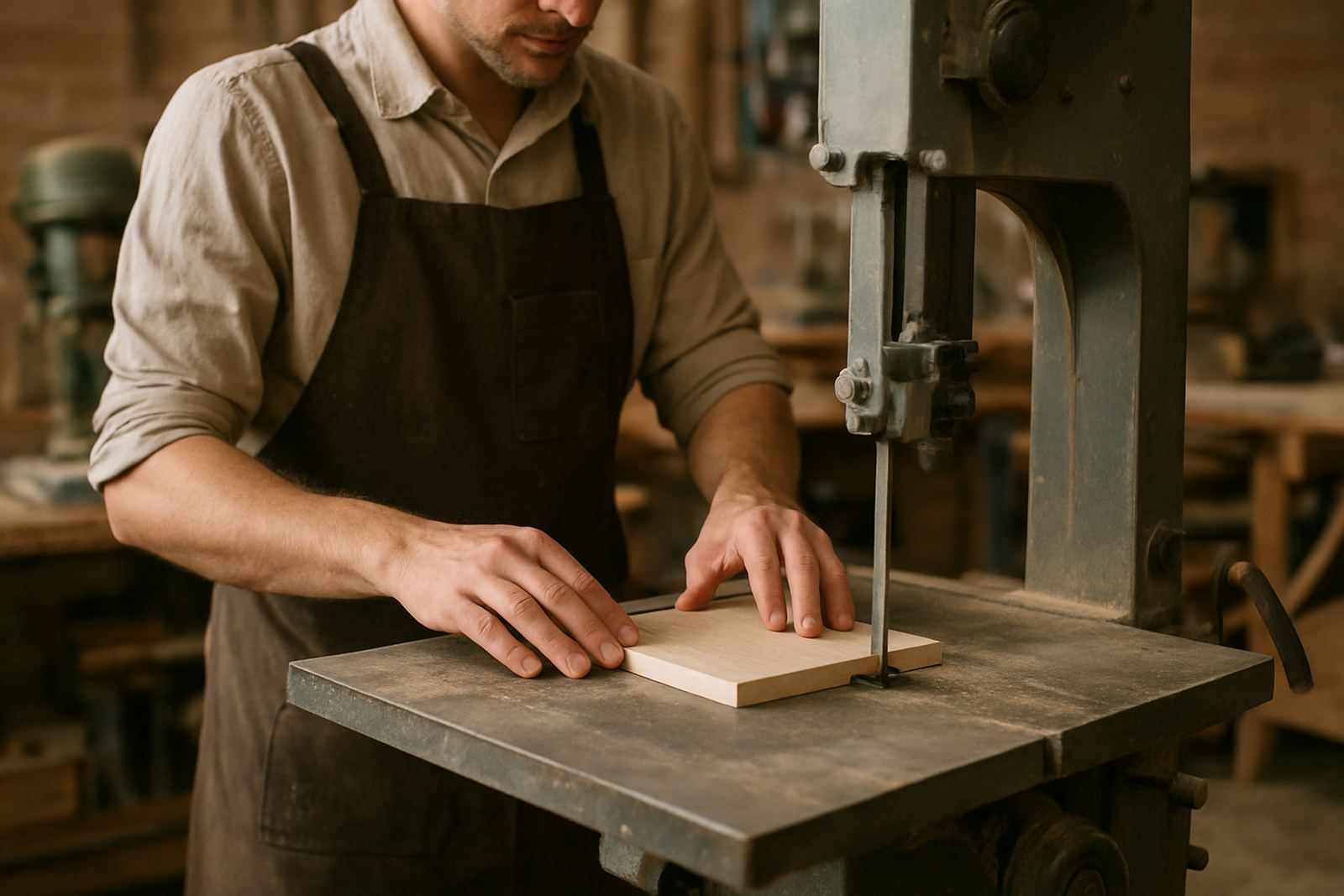
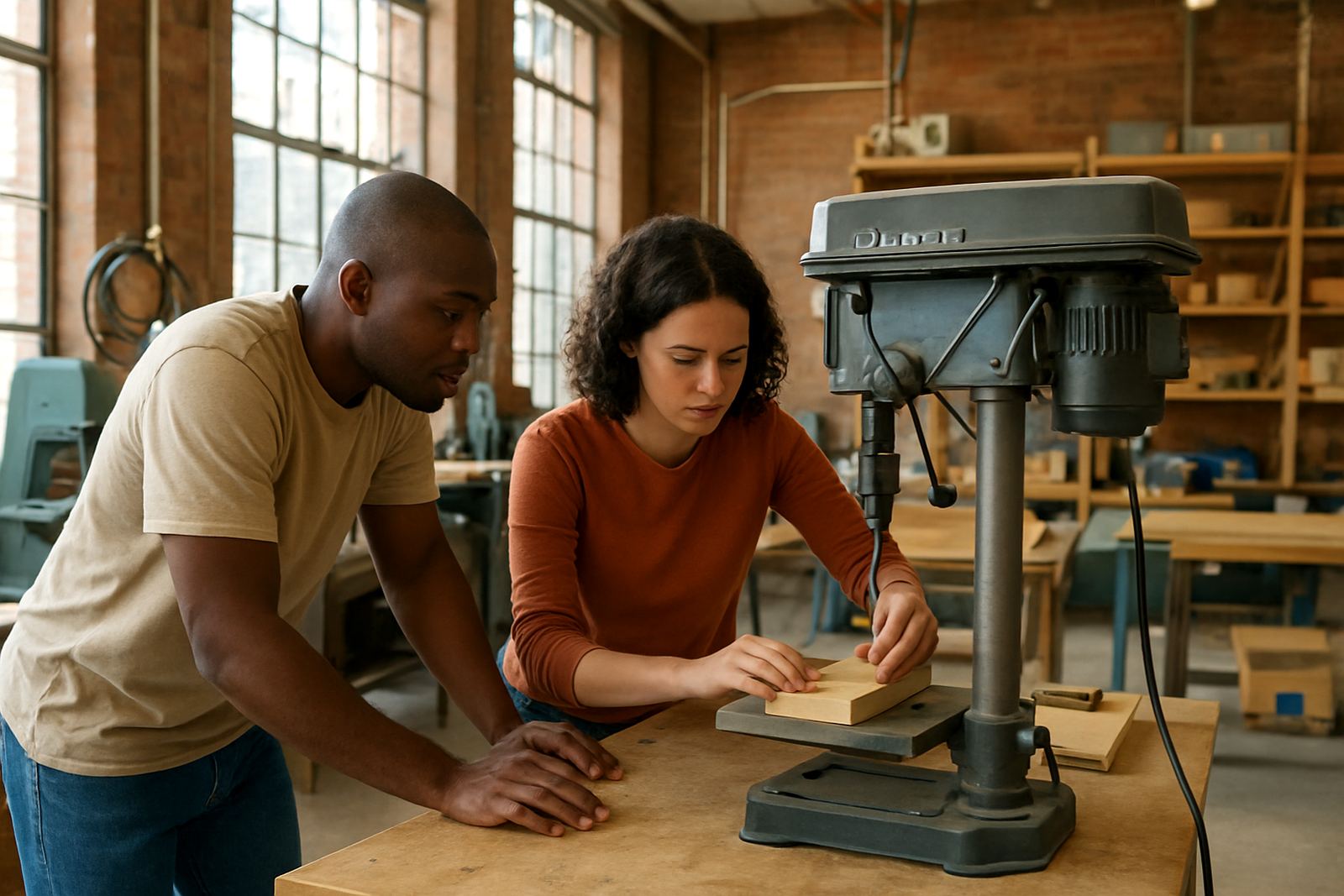
We work with spaces that want to support hands-on making, skills development and practical training. That includes shared workshops, school labs, community halls, incubator spaces, fab labs and venue owners who want to make better use of a room, container or section of a building.
Our partner network spans Johannesburg, Braamfontein, Sandton, Midrand, Pretoria East, Soweto, Durban, Cape Town and Gqeberha, with additional training venues nationwide. If your space has tools, tables, storage, power access and a safe way for people to move around, there is usually a fit. We also look at the basics such as parking, access hours, noise limits and whether your area can handle sawdust, offcuts or paint work without trouble from neighbours or municipal rules.
What we look for before onboarding
Before we list a venue or bring it into the network, we check whether the space can support regular use. This is not about making everything fancy. It is about getting the practical bits right so members and trainers can work safely and the venue can run without constant interruptions.
- Clear entry points and safe movement around machines, benches and storage
- Reliable lighting and enough plug points for hand tools, chargers and small equipment
- Ventilation for dust, fumes and heat, especially in Gauteng summer months
- Back-up plans for load-shedding, including battery lighting or scheduled session times
- Lockable storage for tools, consumables and member projects
- Basic fire safety, first aid access and visible safety signage
If a venue is close but not quite ready, we can still advise on a practical improvement plan. A small number of changes can make a big difference, and often the work is more about layout than major building changes.
How the partnership process works
The process is simple and suited to busy teams. Start by sending an enquiry through our contact page with a few details about your venue, the type of making you support and the kind of help you need. From there, we review the space and arrange a practical discussion with the right team member.
After that, we work through a clear set of steps:
- Initial review of your space, location and current setup
- Walkthrough or photo review to identify workable zones and risks
- Plan for tools, storage, signage, training needs and member flow
- Agree on what support is required, from onboarding to maintenance checks
- Set a start date for partnership activity, events or training use
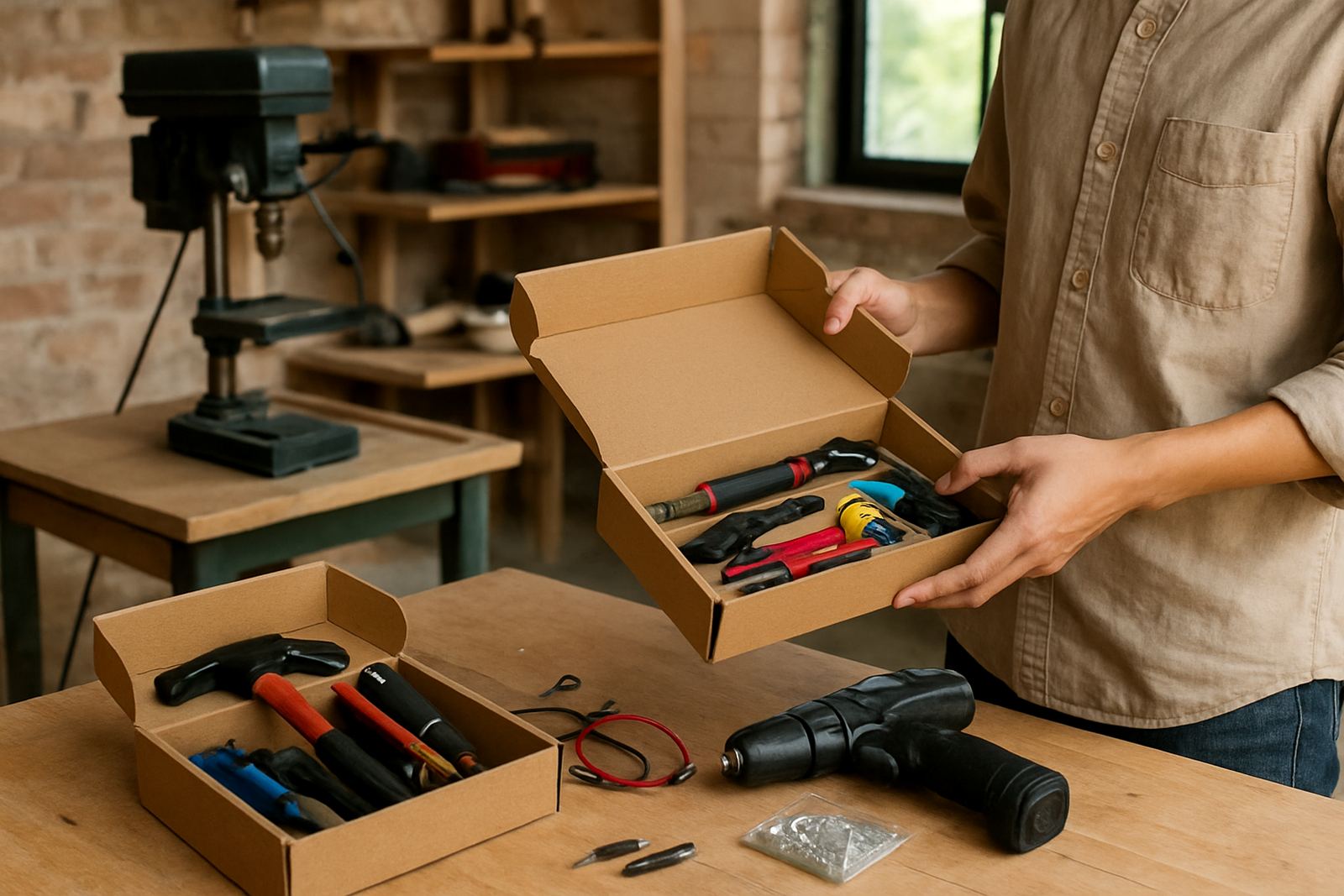
Depending on the venue, we may suggest a starter kit, a school lab refresh, or a maker audit before anything else. That helps avoid waste and keeps the setup practial from day one.
Support we can bring to your venue
Our team works across partner spaces with support that is grounded in day-to-day operations. Johan van Zyl leads workshop operations, Naledi Khumalo oversees training, and Ayanda Ndlovu handles community partnerships. That means you are not left guessing who to speak to when a question comes up.
Common support services include:
- Space planning and tool zone layouts
- Startup space kits for new or growing venues
- Safety signage setup and consumables planning
- Member onboarding and facilitator support
- Maintenance checks and storage solutions
- Event maker stations for workshops, demos and school visits
We also support venues near the coast where humidity can affect tools and materials, and we help teams think through storage for paper, timber, adhesives and metal parts so they stay usable. If your venue hosts children, schools or community groups, we can also help tighten the flow around supervision and access control.
What a well-run partner space looks like
A good makerspace does not need a huge footprint. It needs a sensible layout, clear rules and enough structure for different users to share the same area without frustration. A 40 m2 classroom can work well for simple kits and training. A larger workshop may need separate bench areas, machine zones and packing space.
The spaces that work best usually have a few things in common:
- Tools stored where people can reach them without crowding the whole room
- Clear labels for consumables, shared equipment and project areas
- A simple booking or sign-in system for members and visiting groups
- Enough room for safe movement when two or more people are working at once
- Rules for cleaning up, noise, waste and after-hours access
If your venue already has a programme, we can help refine it. If you are starting from a blank room, we can help shape the layout so the space is ready for training, small builds and community events without constant rework.
Start the conversation with SA Makers
If you are ready to join the makerspace and venue partner network, send us an enquiry and tell us what you have available. Include your suburb or town, the size of the space, the type of makers you want to support and any current challenges such as power cuts, storage limits or safety concerns.
From there, we will guide you on next steps and match the support to your venue. Whether you are in Braamfontein, Pretoria East, Durban, Cape Town or a smaller town with a growing maker group, we can help you build a space that works for real use, not just for show.
We are based in Braamfontein, Johannesburg, and work with partners nationwide. If your space is ready to host makers, or nearly ready and needs a clear plan, that is enough to begin.