What the Bloemfontein maker needed from day one
The brief was simple on paper but tricky in practice. The client wanted a resin gift line that could move from one-off hobby pieces to small batch production, with a consistent finish, sensible material use and a setup that did not eat into margins. The work was for a solo maker in Bloemfontein, serving local gift buyers, market stalls and online orders, so the system had to be tidy, repeatable and easy to run from a modest home workshop.
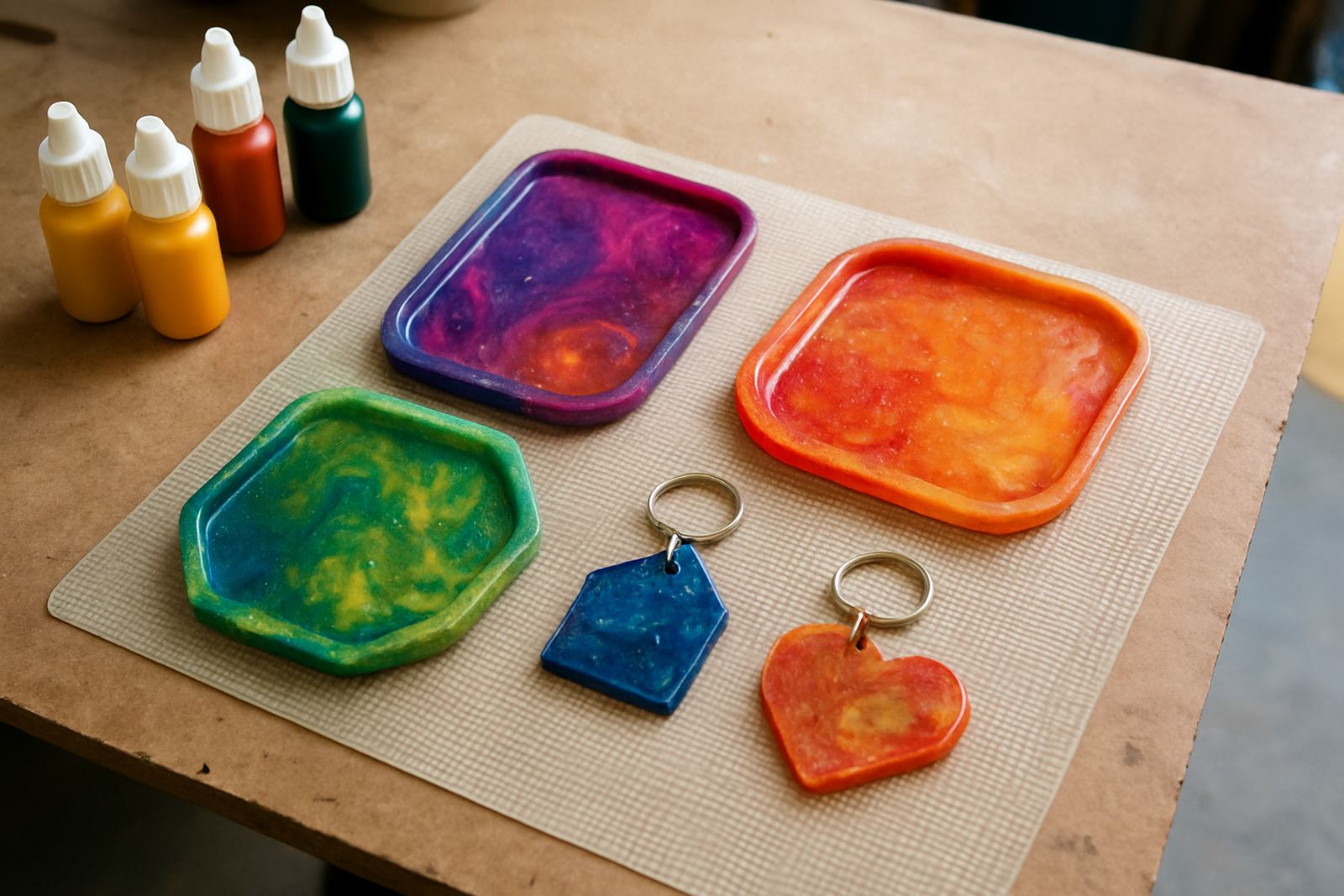
We started by looking at the actual product mix. The maker wanted keyrings, coasters, trinket trays and small keepsake plaques, all cast in a clear resin with colour accents and embedded elements. The focus was not just on making pretty items. It was about getting a saleable line with predictable cure times, fewer bubbles, cleaner edges and packaging that looked ready for the shelf. That meant choosing mould sizes, working out batch numbers and setting a finish process that did not take all day.
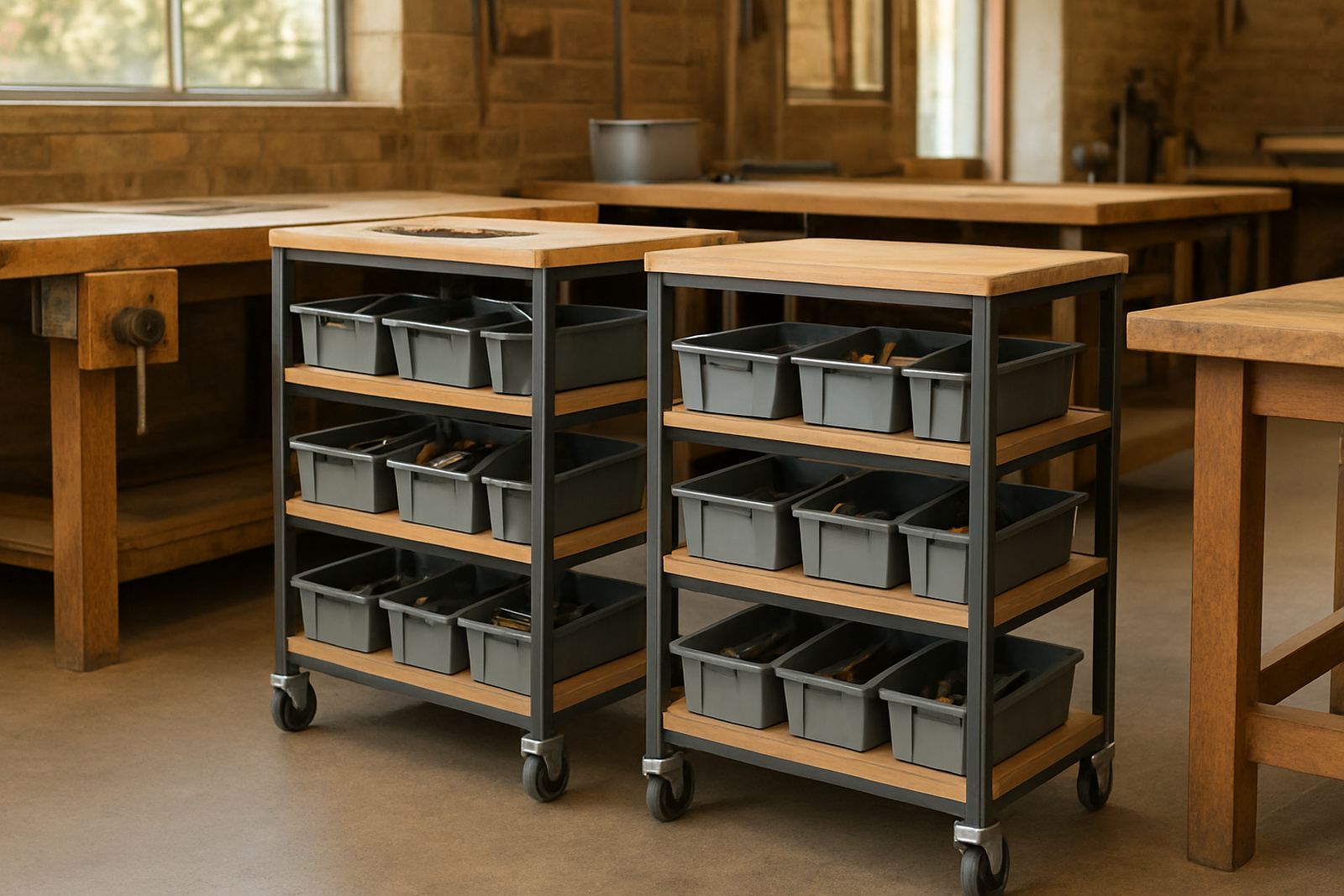
The main constraints were local and practical. Bloemfontein power cuts meant some curing sessions would happen without guaranteed electricity, and the winter air in the Free State can be dry enough to affect timing and dust control. The workspace was also limited, so every tray, container and rack had to earn its place. We kept the setup compact and low-waste, with enough capacity for small batches of 8 to 12 units at a time.
The setup plan and tools we put in place
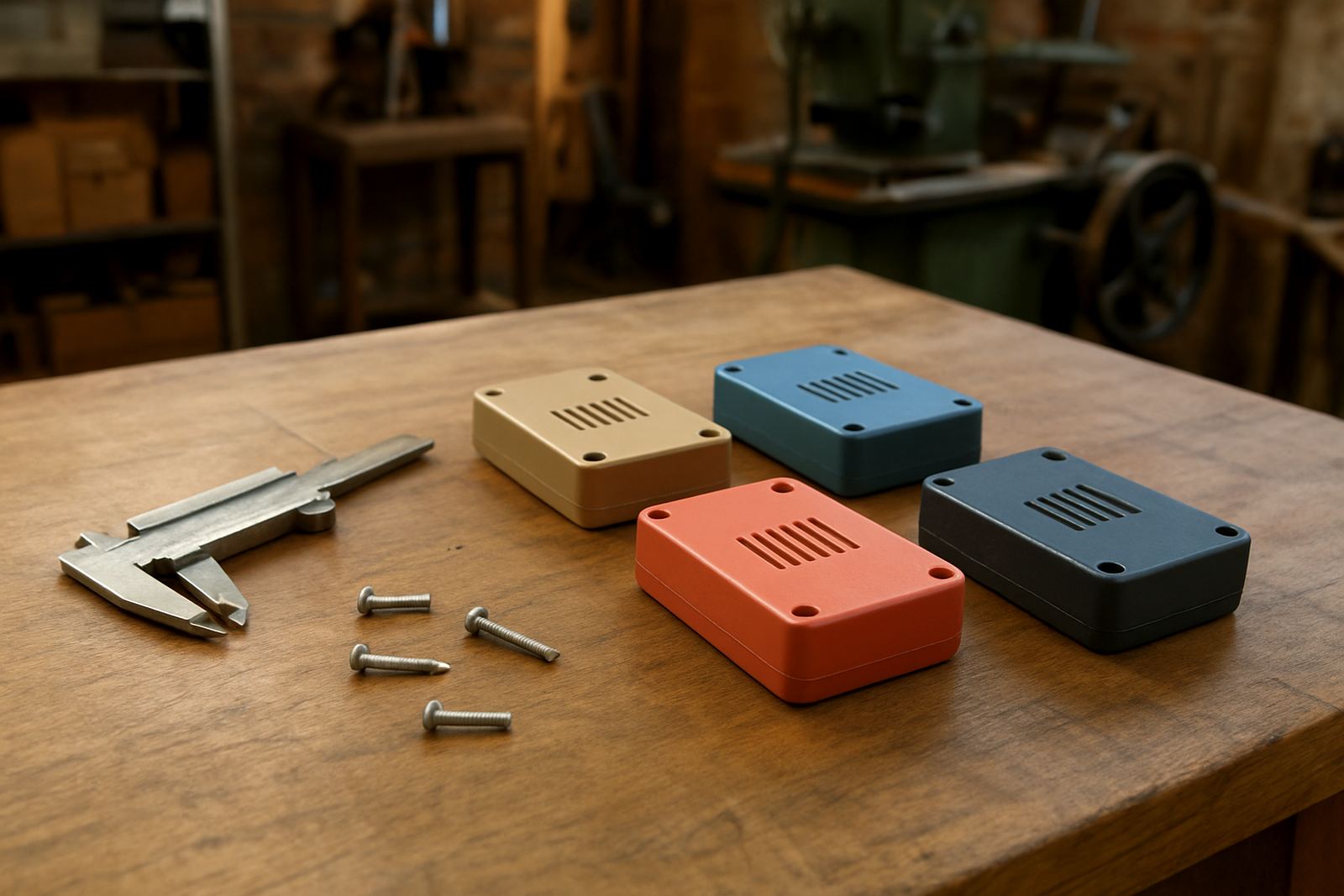
We supplied and mapped a starter system that covered making, curing, sanding and packing. The aim was to avoid overbuying and instead build a line that could grow in stages. The client received guidance on mould care, pouring sequence, pigment control and how to stage work around cure windows of 12 to 24 hours depending on the pour depth and ambient temperature.
- Flexible moulds sized for 40 mm to 100 mm gift items
- Measuring jugs and mixing cups with marked ratios
- Stir tools, scraping tools and a basic de-bubbling routine
- Dust covers and drying space for post-pour protection
- Fine sanding papers from 240 to 1200 grit
- Polishing cloths and a clean finishing station
- Labelling and packing materials for retail-ready presentation
We also planned the workflow in plain steps so the maker could train a helper later if needed. That included where to store pigments, how to separate casting and finishing zones, and how to keep the packing area away from sanding dust. The layout was compact but practical, with enough breathing room to avoid cross-contamination between wet resin and finished stock. A small oversight on the first mock-up showed how fast dust can spoil a top coat, so we adjusted the process early.
Mould making, testing and repeatability
The first two weeks were spent on test pieces and mould refinement. We used sample pours to check edge detail, bubble escape, release performance and how the resin responded to different ambient conditions. The client wanted a line that looked handmade but still matched from piece to piece, so we documented the pour depth for each item and fixed the colour ratios for the most popular designs.
For the coasters and trays, we settled on thicker mould walls and a slightly longer cure cycle to reduce warping. For smaller items like keyrings, we shortened the mix size and changed the pour order so the resin settled more evenly in the finer details. The finishing stage was just as important. We set a sanding and polish routine that moved from shaping edges to clarity finishing, then final inspection under strong light.
- Test batch size: 6 to 10 units per design
- Recommended pour depth: 3 mm to 8 mm for most gift items
- Working time target: 20 to 35 minutes per mix
- Cure window: 12 to 24 hours depending on batch type
- Quality check points: bubbles, edge clean-up, gloss, packaging fit
Training for a one-person production flow
Because the client was working mostly alone, the training had to be practical and straight to the point. We covered safe handling, workspace ventilation, cleaning tools between pours and how to keep records for batches, colours and repeat orders. The maker also needed a way to price items properly, so we looked at material use, waste allowance, packaging and time spent on finishing. That pricing work was important because resin gifts can look profitable until the small costs add up.
We built a simple production rhythm that fit around real life. On one day the maker could prep moulds and mix colours. On the next, cast and leave to cure. After that came sanding, polishing and packing. That rhythm meant the workshop stayed manageable, even when power disruptions or family commitments interrupted the week. It also made stock planning easier for weekend markets in Bloemfontein and surrounding towns.
The biggest training win was consistency. Once the maker knew how each item behaved, there was less guesswork and fewer rejects. It became possible to plan small runs of 20 to 30 finished items across a week without crowding the workspace. The client said the process finally felt like a business and not just a hobby, which was exactly the shift we were aiming for.
Timeline, results and what changed in six weeks
The full project ran over six weeks. Week one was brief setting and product planning. Weeks two and three were for mould testing and process trials. Week four focused on the finishing sequence and packaging. Week five was production tuning, and week six was stock build for the first proper sales push. By the end of the project, the maker had a clear line, a repeatable process and a batch plan that could be followed without outside help.
The result was a sellable resin gift range with cleaner output and far less waste. The client reported stronger buyer interest because the pieces looked consistent across the table display, and the packaging made it easier to price at market level rather than as loose handmade items. More importantly, the maker had confidence to take custom requests without panicking over whether a design could be repeated.
- Production waste reduced through fixed batch sizes
- Better finish quality with fewer surface flaws
- Faster pack-out because each item had a set finishing order
- Improved pricing clarity for retail and market sales
- More confidence handling repeat custom orders
What we would repeat for the next resin line
If we were starting the same kind of project again, we would keep the same structure but move even faster on the test stage. The early sample pours saved time later, and they showed which moulds needed thicker walls or a different release method. We would also keep the production notes simple and visible in the workspace, because when a maker is handling multiple shades, sizes and finishes, a clear checklist prevents mistakes.
For Bloemfontein specifically, we would keep planning around temperature swings and power interruptions from the start. That means choosing cure schedules that can absorb interruptions, and storing materials in a cool dry place so the resin stays stable. We would also keep the product range tight at launch. Four strong items beat ten weak ones every time.
This project is a good example of how a small maker can move from trial pieces to a proper line with the right structure. It was not about fancy kit or overcomplicated methods. It was about getting the sequence right, keeping the workshop practical, and making sure the end product could sit on a market table or in a gift box and still hold its own.
Key facts
| Town | Bloemfontein |
|---|---|
| Project type | Resin gift line setup and training |
| Timeline | 6 weeks |
| Product range | Keyrings, coasters, trinket trays and keepsake plaques |
| Batch size | 8 to 12 units per run |
| Key focus | Mould making, finishing, pricing and repeatability |