What Consumables Planning Covers
Consumables planning is for makerspaces, school labs, training rooms and community workshops that go through materials every week. We look at the items that disappear quickest, set usage rates, and build a simple ordering rhythm that suits your class size, seasonal demand and storage space. That includes fast-moving stock such as safety gloves, cutting blades, sandpaper, adhesives, cleaning cloths, fixings, cable ties, markers, masking tape, drill bits, soldering tips and abrasive discs.
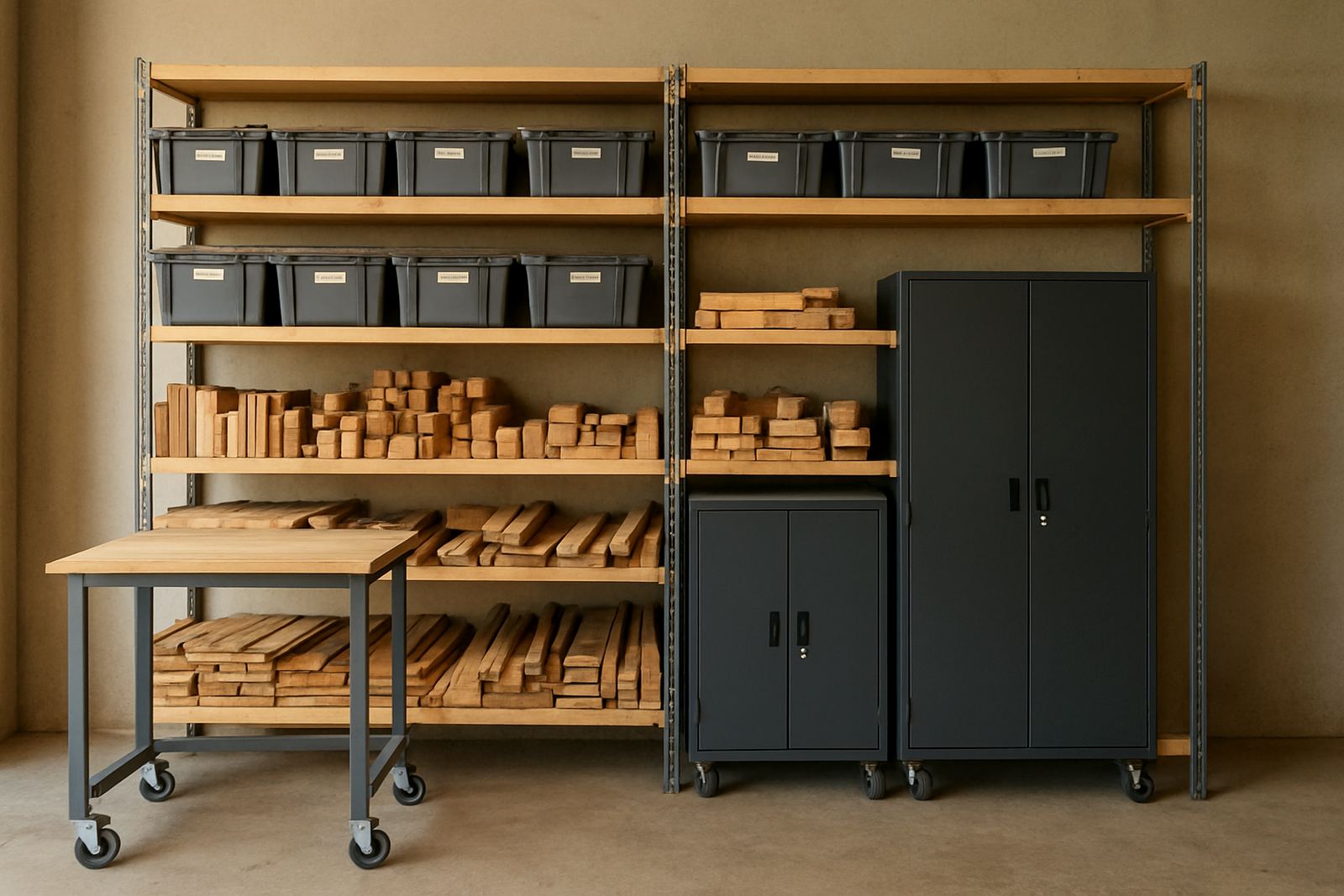
We also plan for the practical side, like shelf space, lockable storage, labelling, batch control and keeping backup stock for load-shedding interruptions or delivery delays. If your venue is in Braamfontein, Sandton, Midrand, Pretoria East, Soweto, Durban, Cape Town or Gqeberha, we factor in local lead times and site conditions such as humidity, dust, salt air and municipal storage rules where they affect stock life. It is about having the right amount on hand, not mountains of materials in a corner.
- Usage mapping by class, session or project type
- Stock list with minimum and maximum levels
- Simple reorder points for fast-moving items
- Storage plan for dry goods, liquids and sharp tools
- Waste reduction and stock rotation notes
How We Set Stock Levels Without Overbuying
We start with what your team actually uses in a normal month, then add a buffer for peak periods, new intake and broken or lost items. A school lab with 24 learners twice a week needs a very different stock curve from a Saturday makerspace running metalwork, electronics and sewing sessions. We build the plan around real numbers, not guesswork, so you do not spend Rand on items that sit for months while the one thing you need is missing.
For most sites, we recommend checking key consumables every 2 to 4 weeks. High-use items such as PPE, adhesives, sandpaper and cleaning stock may need weekly review. Slower items can be checked monthly. We can also split stock into A, B and C priority groups, which makes ordering easier when budgets are tight. That gives your facilitator and store lead a clear picture of what to buy now, what to watch, and what can wait till the next cycle.
- A items: weekly use and critical to class delivery
- B items: steady use with monthly review
- C items: low use, bought in smaller top-up quantities
- Reorder triggers set per item, not one blanket rule
- Allowance for breakage, offcuts and learner waste
What You Receive In The Plan
Each consumables plan is written to be practical on the floor. You get a stock schedule, reorder guide, storage notes and a simple purchasing cadence that your admin or operations team can follow. Where needed, we include pack sizes, preferred storage conditions and the quantity per learner or per project. For example, a class of 20 doing basic electronics may need solder wire in 250 g spools, heat-shrink in mixed packs, and cleaning braid in small cartons rather than single loose items.
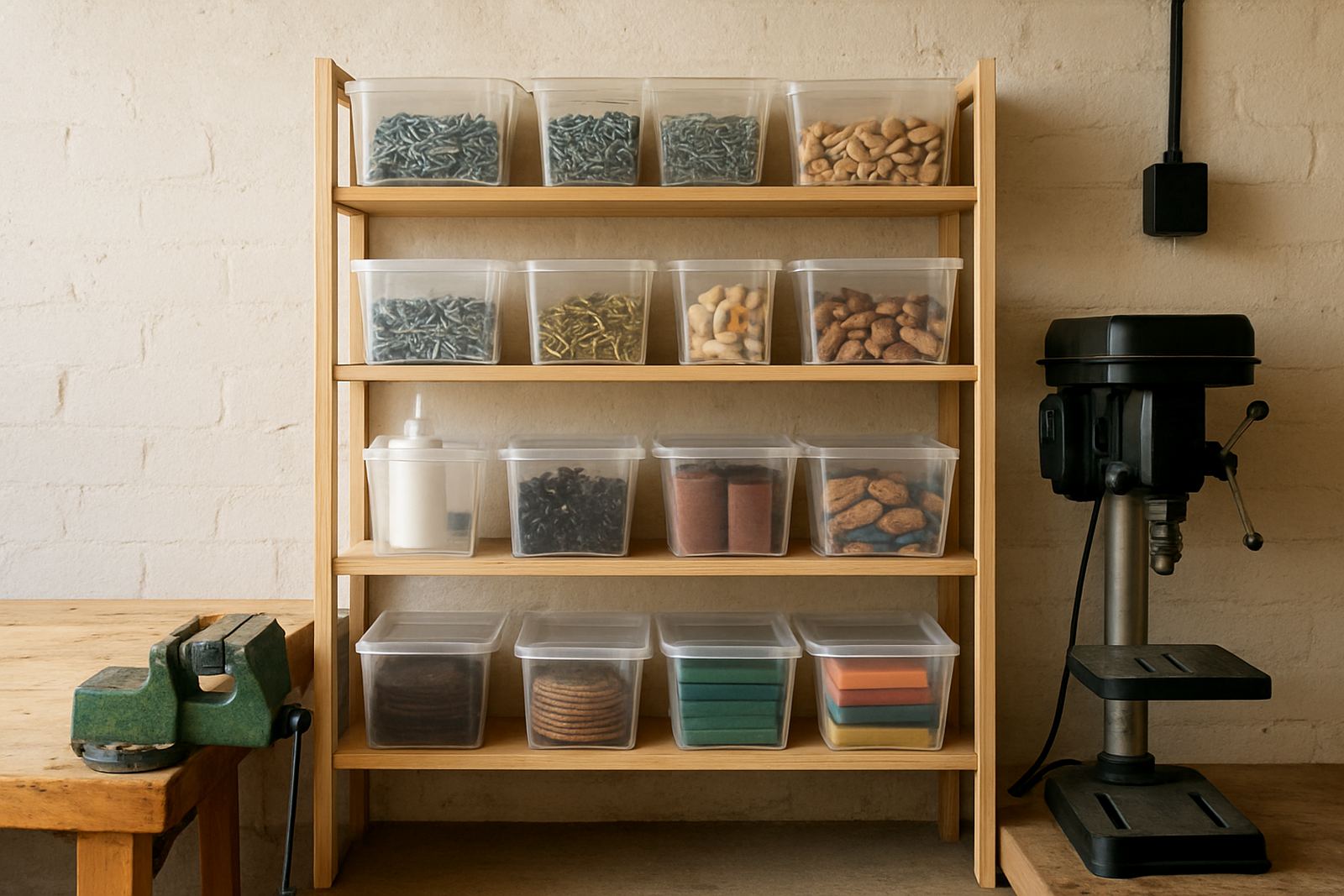
We can also align the plan with your facilitator workflow. That means separate issue lines for class kits, demo stock and back-up stock, so materials do not vanish into one box and get lost. In humid coastal areas we may suggest sealed containers for paper goods and anti-rust storage for metal parts. In dusty workshops we may add lidded bins and a weekly wipe-down routine. Small details like this save time and reduce spoilage.
- Item list with suggested pack sizes and units
- Stock card or spreadsheet format for issue tracking
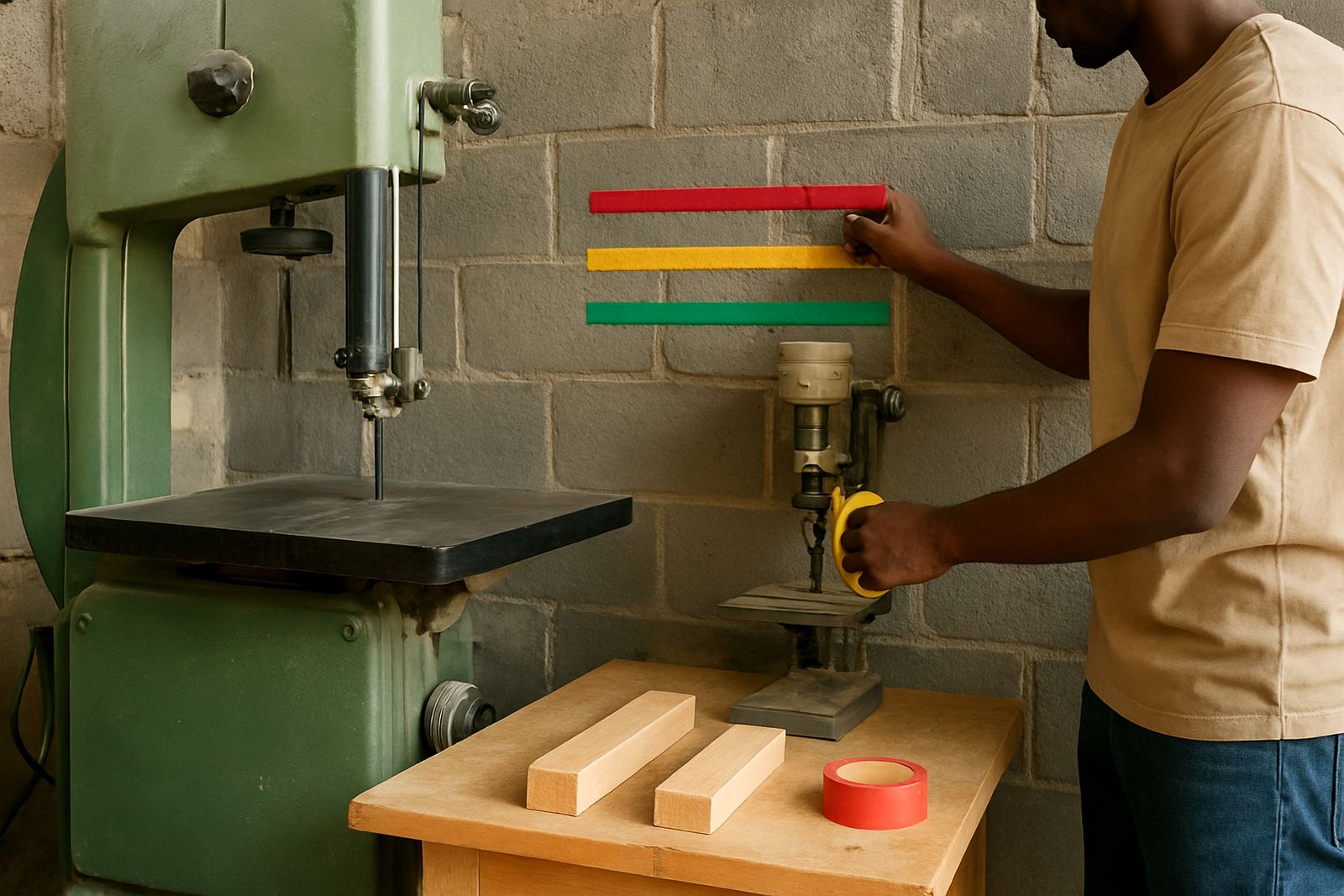
- Storage zones marked by item type and risk
- Issue quantities per session or per learner
- Notes for rotation, expiry and safe handling
Our Process From Audit To Ordering Rhythm
We begin with a maker audit or a focused stock review at your site. That can happen in a single visit for a small room or over a few sessions for a larger campus with multiple rooms. We count what is on hand, check what is being used, and identify items that are overstocked, understocked or stored in the wrong place. From there we match usage to your timetable, project calendar and budget cycle.
Next we build the planning sheet and agree the reorder rhythm. Some sites buy monthly, others every 6 weeks or every term. We then hand over a clear order list with quantities, minimum levels and likely top-up points. If you need it, we also support your team during the first order cycle so the plan actually gets used, not just filed away. Turnaround is usually 5 to 10 working days after the site review, depending on the number of consumable categories and how many sessions we need to observe.
- Site review and stock count
- Usage mapping by class, project and team
- Stock level setting and reorder rules
- Storage, labelling and issue workflow setup
- Hand-over of the plan and first-cycle support
Pricing Approach And What Affects Cost
We price consumables planning according to the size of the site, the number of item lines, and whether you need one venue or a network of partner spaces. A compact training room with 30 to 50 consumable lines is priced differently from a full makerspace with multiple tools, shelves and class kits. If you need multiple visits, seasonal review, or help setting up an ordering sheet for several branches, that is built into the quote before work starts.
We keep the approach straightforward. You pay for the planning work, not for unnecessary add-ons. If your project needs item-level specs, maintenance intervals, and stock cards for several departments, we quote that scope clearly. For new spaces, consumables planning often sits alongside startup space kits or member onboarding, which can reduce duplication because the storage and issue system is designed once. Our aim is to keep the budget realistic and the stock movement predictable.
- Pricing based on site size and number of consumable lines
- Separate scope for single venue or multi-site rollout
- Optional review visits during peak project periods
- Clear quote before work starts
- Better control of spend through planned reorder cycles
Keeping The System Tidy Over Time
Consumable stock goes bad if no one keeps an eye on it. Adhesives thicken, paper absorbs moisture, cutting tools blunt, and small items drift into random drawers. That is why we recommend maintenance checks every 4 to 8 weeks, depending on use. In high-traffic spaces we suggest a quick weekly visual check and a fuller stock review once a month. If your site runs evening sessions or weekend events, a pre-event and post-event check helps keep things under control.
We can also set up simple maintenance intervals for the materials side of the workshop. That means checking expiry dates, replacing damaged labels, recording breakages and confirming that high-use items are replenished before the next class. For sites with storage issues, we can suggest bin sizes from 10 L to 60 L, shelf depths of 300 mm to 450 mm, and lockable cabinets for chemicals or other controlled items. The goal is not just to order smarter, but to keep the whole system workable month after month.
- Weekly visual check for active training spaces
- Monthly stock count for core consumables
- 4 to 8 week maintenance review cycle
- Expiry and condition checks for stored materials
- Replacement planning before peak terms or events
Key facts
| Typical turnaround | 5 to 10 working days after site review |
|---|---|
| Review interval | Weekly visual checks, monthly stock counts, 4 to 8 week maintenance reviews |
| Stock format | Minimum levels, reorder points, pack sizes and issue quantities |
| Site types | Makerspaces, school labs, training rooms and community workshops |
| Storage guidance | 10 L to 60 L bins, 300 mm to 450 mm shelf depth, lockable cabinets where needed |
| Coverage | Braamfontein, Johannesburg and partner venues nationwide |