Temporary Build Stations That Fit Your Event
Our event maker stations are set up for short term use at brand activations, school visits, maker fairs, shopping centre promotions, conference floors and community workshops. Each station is planned around the type of making you want to show, the number of people handling tools, and how much floor space you have available. A tight indoor stand in Braamfontein needs a very different setup from a weekend activation in Sandton or a public workshop in Durban, so we size each station to suit the venue and the load you expect.
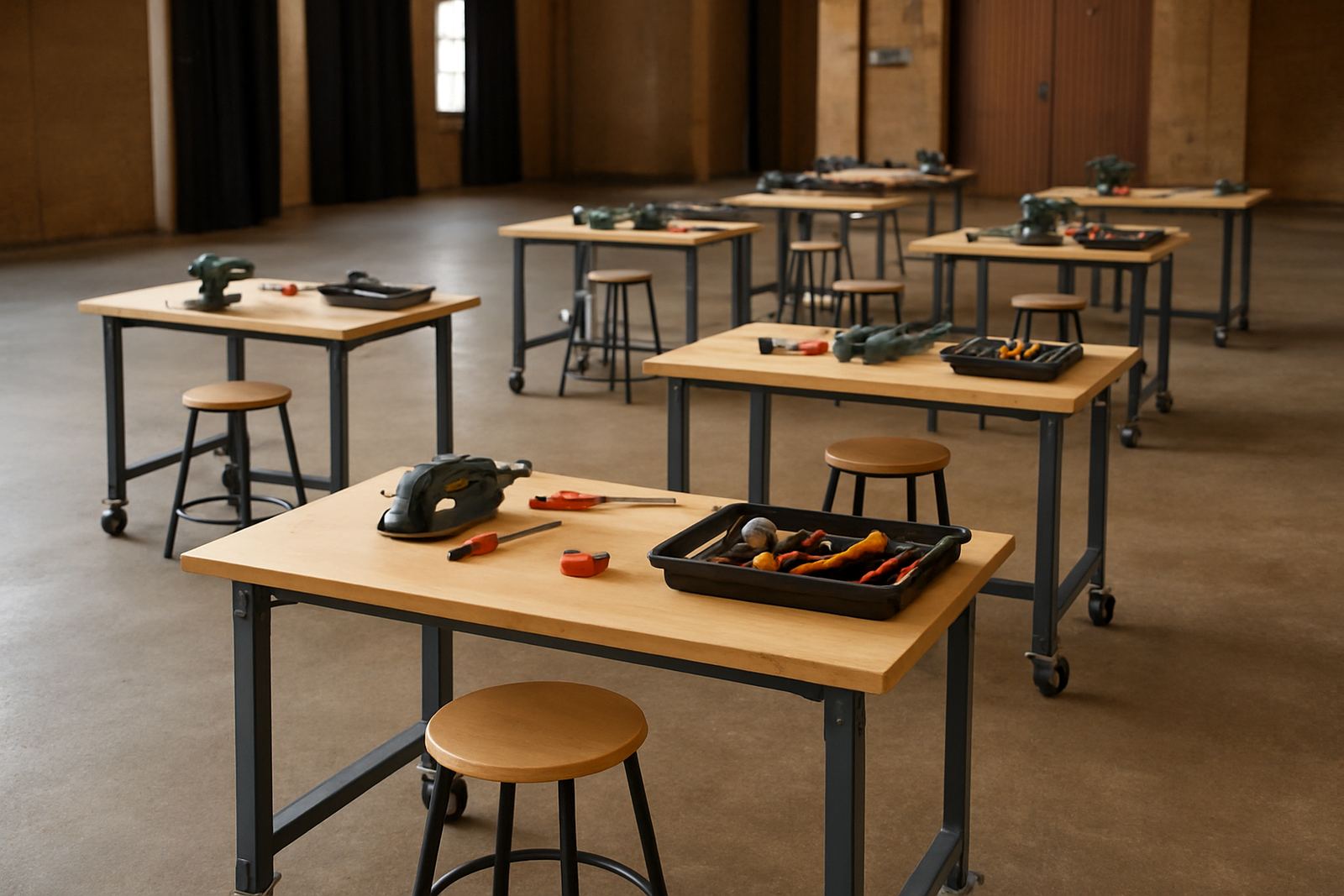
Typical station sizes start at 1.2 m x 0.8 m for a compact demo table and extend to 2.4 m x 1.2 m for dual-user build stations. We can also set up linked tables for team events, with clear walkways and material bins so movement stays orderly. Station height is usually 900 mm for standing work, with seated options available for younger participants or longer sessions.
What Comes With an Event Maker Station
We build the station around your activity and the venue rules. That means you get more than a table and a few tools. You get a working setup that is planned for safety, repeat use and quick pack-down at the end of the day.
- Work tables or modular benches sized to the event floor plan
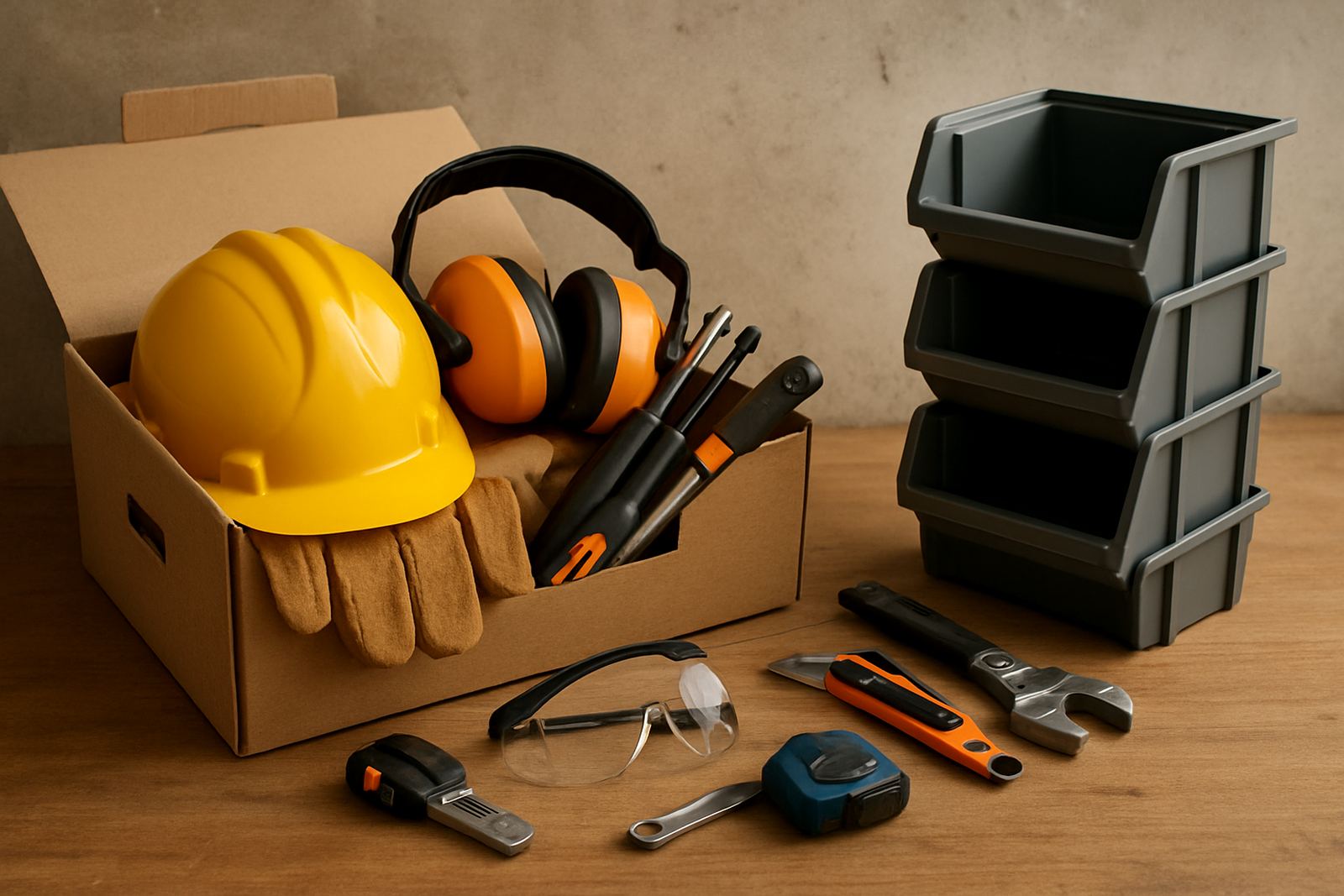
- Hand tools and light power tools suited to the activity
- Storage trays, labelled bins and parts sorters
- Task lighting where venue lighting is poor
- Extension leads, cable covers and plug management for tidy routing
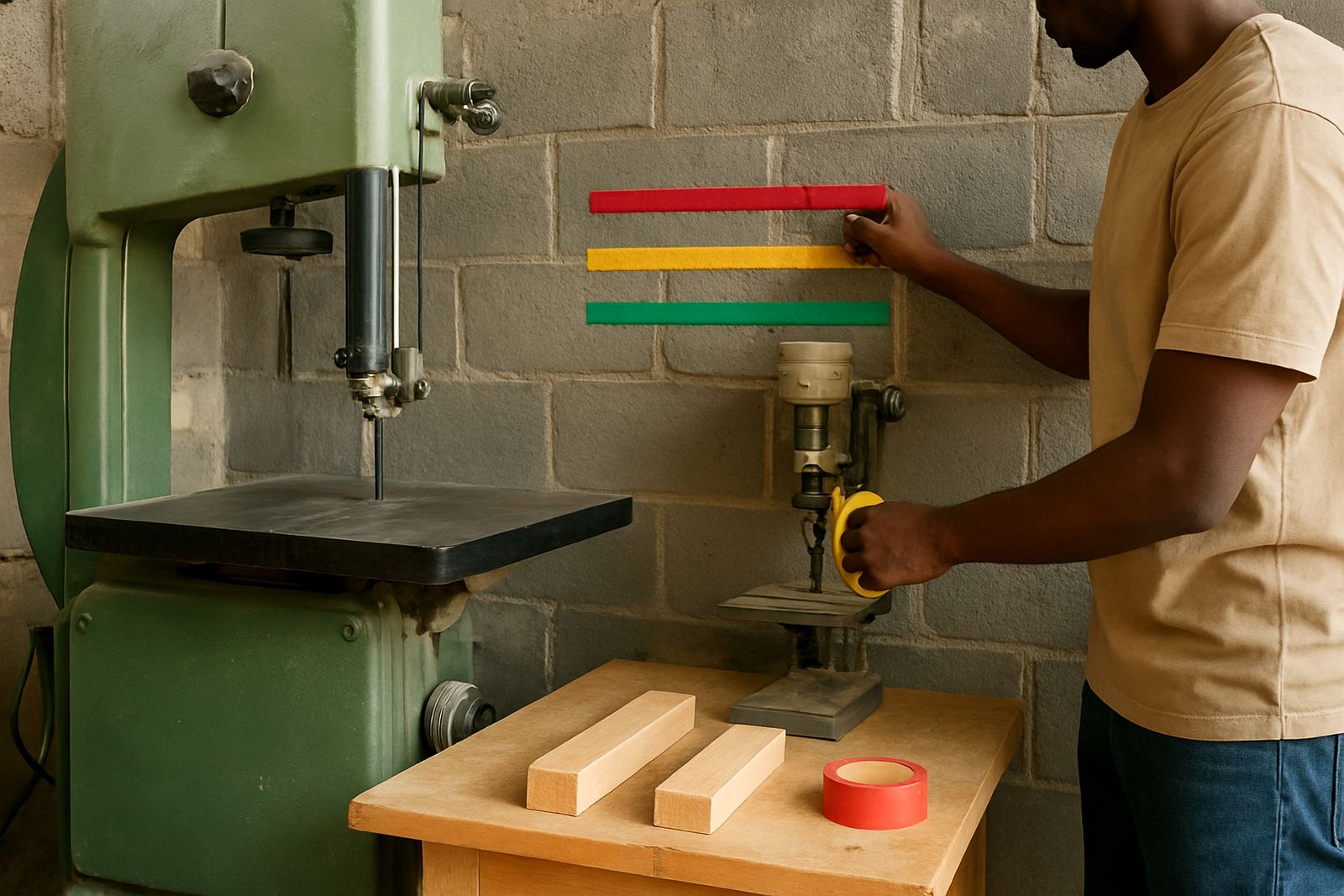
- Safety signage, PPE guidance and basic first aid points where required
- Consumables planning for glue, fasteners, tape, markers and cleaning items
- Optional branded backboards, display shelves and finished sample stands
For venues with load-shedding risk or unstable supply, we can plan low-draw equipment, battery back-up for small items and a reduced power layout. In coastal venues, especially around Gqeberha and Durban, we also account for humidity and corrosion by choosing storage methods and fasteners that hold up better over time.
How We Set Up the Station
We keep the process clear so there are no surprises on event day. First we confirm the activity, audience size, venue dimensions and the materials you want to use. Then we advise on station count, layout, access paths, and whether you need single sided or double sided use. If the event is in a venue with fire or public safety rules, we work around those requirements so the station fits the site plan.
- Briefing and event scope
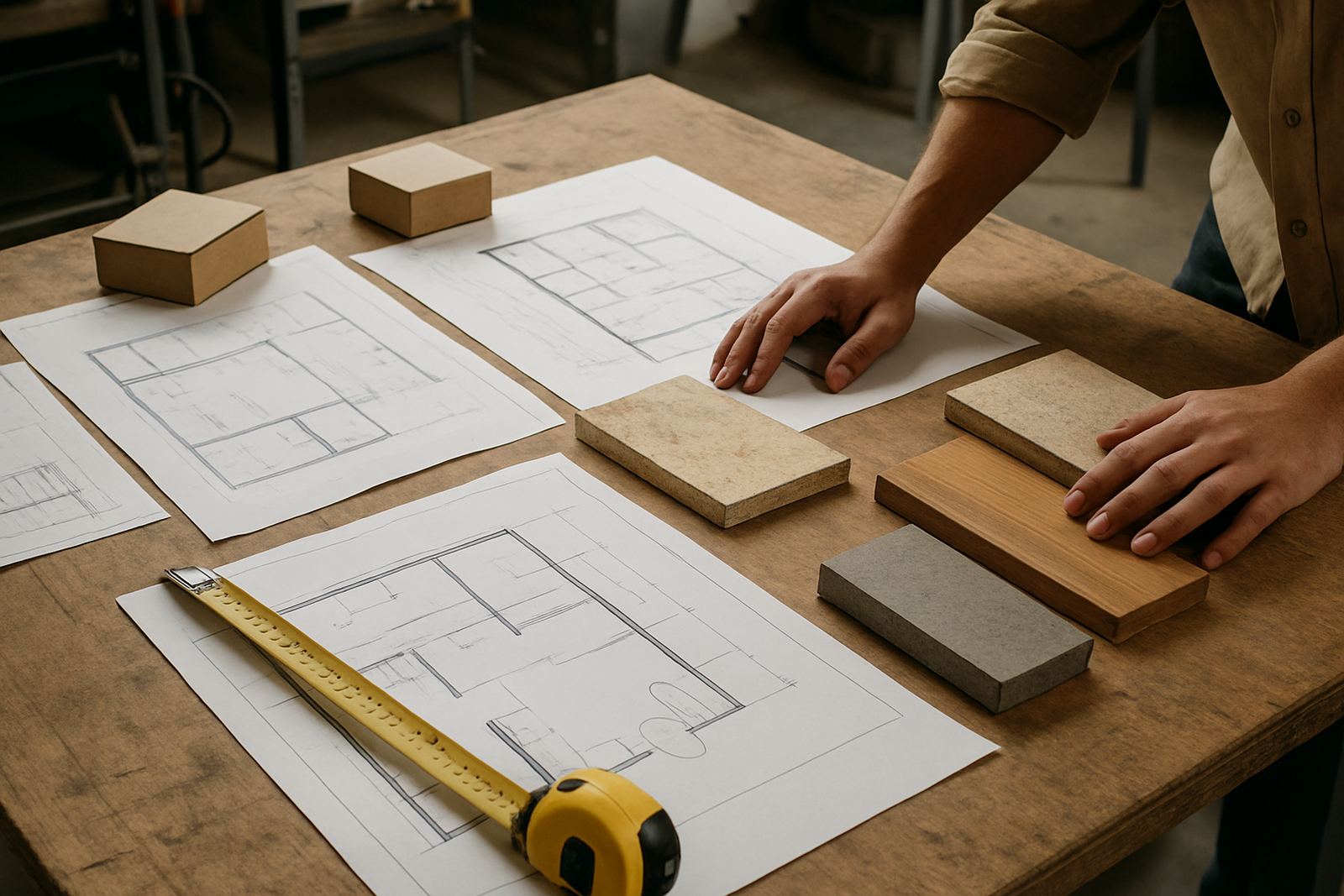
- Venue measurement and layout planning
- Tool list and consumables selection
- Station build, labelling and testing
- Delivery, on site setup and handover
- Event support, pack-down and return check
For simple activations, turnaround can be 3 to 5 working days once the brief is confirmed. For larger public workshops, school events or multi-stop roadshows, allow 7 to 10 working days so we can check stock, pre-label parts and arrange transport. If you need a same-week setup in Johannesburg, Pretoria East or Midrand, we will advise immediately on what is possible and what has to be simplified.
Practical Pricing for Short-Term Use
Our pricing is based on the number of stations, equipment required, event duration, consumables and support time. We do not use a one-size-fits-all figure because a glue-and-cardboard demo is not priced the same as a tool-assisted build station for a school lab refresh or public maker day. You only pay for the parts of the setup that your event actually needs.
Most quotes include the core station build, a basic tool set, initial consumables allowance and standard setup instructions. Extras such as branded signage, additional seating, duplicate tool kits, facilitator support or after-hours collection are quoted separately. Where possible, we keep pricing tidy by grouping items into station packages, which makes it easier for event planners and procurement teams to compare options.
- Compact demo station for small activations
- Mid-size workshop station for guided making
- Multi-station layout for public events and fairs
- Support add-ons for staffing, signage and replenishment
We can also quote for recurring events, for example monthly outreach programmes or quarterly school visits, so your team does not have to start over every time.
Maintenance and On-Site Checks During the Event
Event stations work best when they are checked before the crowd arrives and again during use. Our standard approach includes a pre-event inspection, a mid-event check for loose parts or low stock, and a close-out check before pack-down. For longer events, especially those running over two or more days, we recommend a maintenance interval every 4 to 6 hours depending on the type of activity and the number of users.
During maintenance checks we look at tool condition, cable routing, storage bins, fastener levels and surface cleanliness. If children are using the station, we also watch for sharp edges, small loose items and overflow around the work area. For public venues in busy parts of Johannesburg or Cape Town where foot traffic is heavy, we often add a quick top-up of consumables and a tidy reset between sessions so the station stays presentable.
We also advise on simple operator habits, such as clearing swarf, wiping glue drips and keeping waste containers within easy reach. Small controls like these save time and reduce the chance of a messy stall or avoidable stoppage.
Who Uses Event Maker Stations
These stations suit companies, schools, non-profits, municipalities, training teams and exhibition organisers who need a practical hands-on area for a limited time. They are useful when you want participants to see, touch and build something without turning the whole venue into a workshop. A well planned station helps with crowd flow, keeps tools where they should be and gives facilitators room to teach.
- Brand activations and product demos
- Public workshops and maker fairs
- School open days and outreach events
- Team building sessions with a practical task
- Community skills programmes and youth events
- Conference side activities and exhibition stands
If your event needs a maker angle but the venue is small, noisy or regulated, we will adjust the station to fit the space. That might mean fewer tools, more prep work off site, or a cleaner consumables list with less mess and faster reset times.
Bringing It Together for Your Venue
From Braamfontein to Soweto, and through partner venues in Sandton, Midrand, Pretoria East, Durban, Cape Town and Gqeberha, we plan event maker stations for real working conditions, not ideal ones. That means considering heat, humidity, municipal venue rules, power access and the kind of audience walking past your stand. A station that looks good but clogs up after 20 minutes is not useful, so we focus on layouts that keep the activity moving.
When you send through your event brief, we look at the space, the tools, the time available and the level of supervision you need. Then we propose a station that is sized properly, priced clearly and simple to run. If the event is split over several sessions, we can also advise on storage between days, cleaner pack-down and what should be replenished before each session.
For organisers who need a reliable hands-on area with proper setup and tidy operation, event maker stations are a practical way to make the day work. They are built for show, but also for use, and that makes all the difference when people are queueing and the pressure is on.
Key facts
| Station size range | 1.2 m x 0.8 m to 2.4 m x 1.2 m |
|---|---|
| Typical setup time | 60 to 180 minutes depending on station count |
| Turnaround | 3 to 10 working days after brief confirmation |
| Power planning | Low-draw options, extension leads and cable covers |
| Maintenance interval | Pre-event, mid-event and every 4 to 6 hours on longer events |
| Support areas | Johannesburg, Pretoria East, Midrand, Durban, Cape Town and Gqeberha |