What a startup space kit covers
Our startup space kits are put together for new community labs, school-linked maker rooms and training venues that need a solid first setup without overspending. We look at the type of work you want to run, the number of users per session, the power available, and the level of supervision on site. A small hub in Braamfontein will not need the same mix as a training room in Midrand or a community venue in Soweto, so each kit is matched to the real work you plan to do.
The aim is to get your space ready for safe use, easy stock control, and repeat sessions with less downtime. Kits can support hand tools, basic fabrication, electronics, repair work, craft training and introductory prototype builds. We also consider where items will be stored, how they will be signed out, and what must be locked away after hours. For venues dealing with load-shedding or weak backup power, we include low-power tool choices and storage plans that keep the room usable when the lights go off.
- Hand tools for marking, cutting, fixing and measuring
- Basic power tool set for light workshop tasks
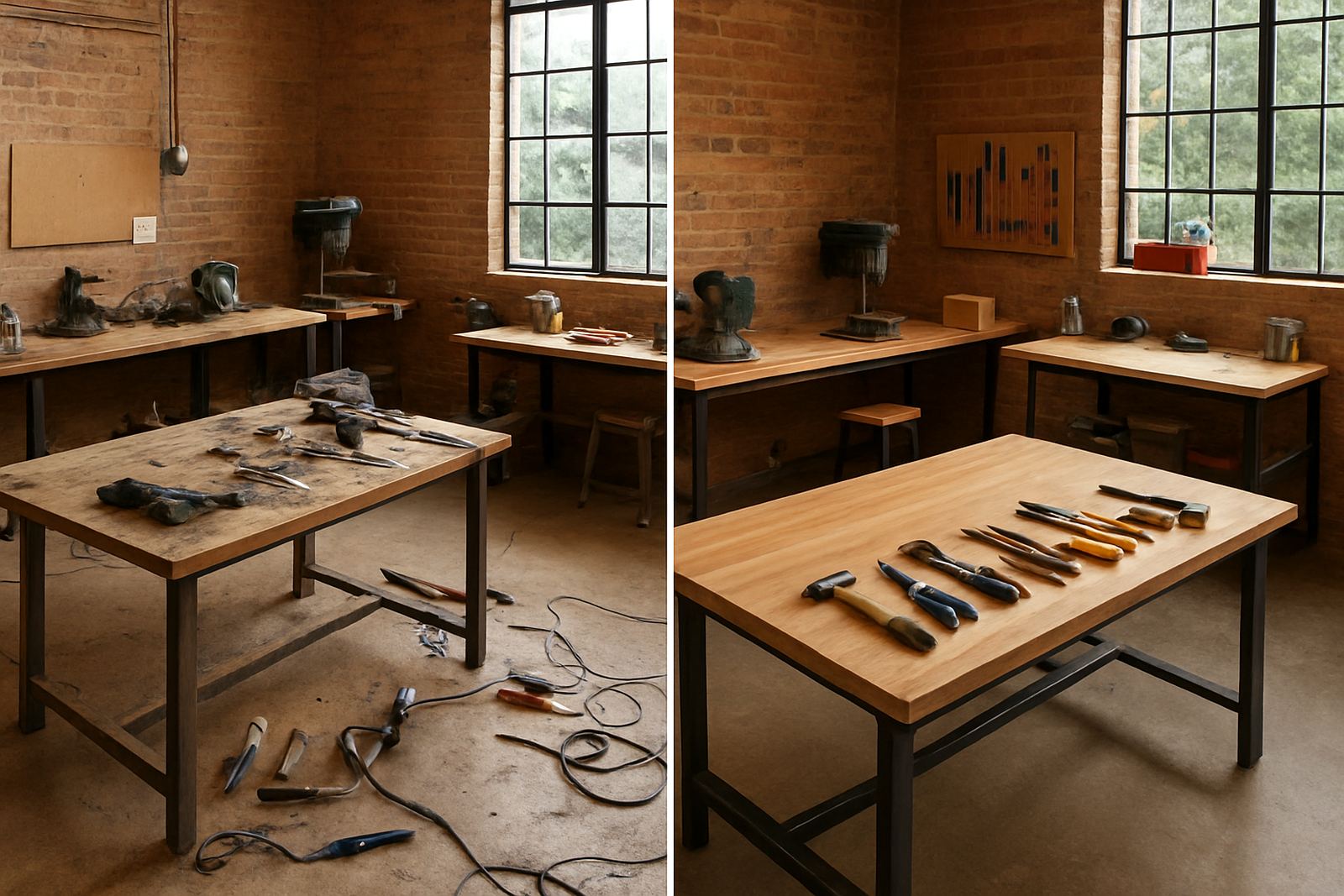
- Storage boxes, labelled bins and tool shadow boards
- Consumables pack for first-term use
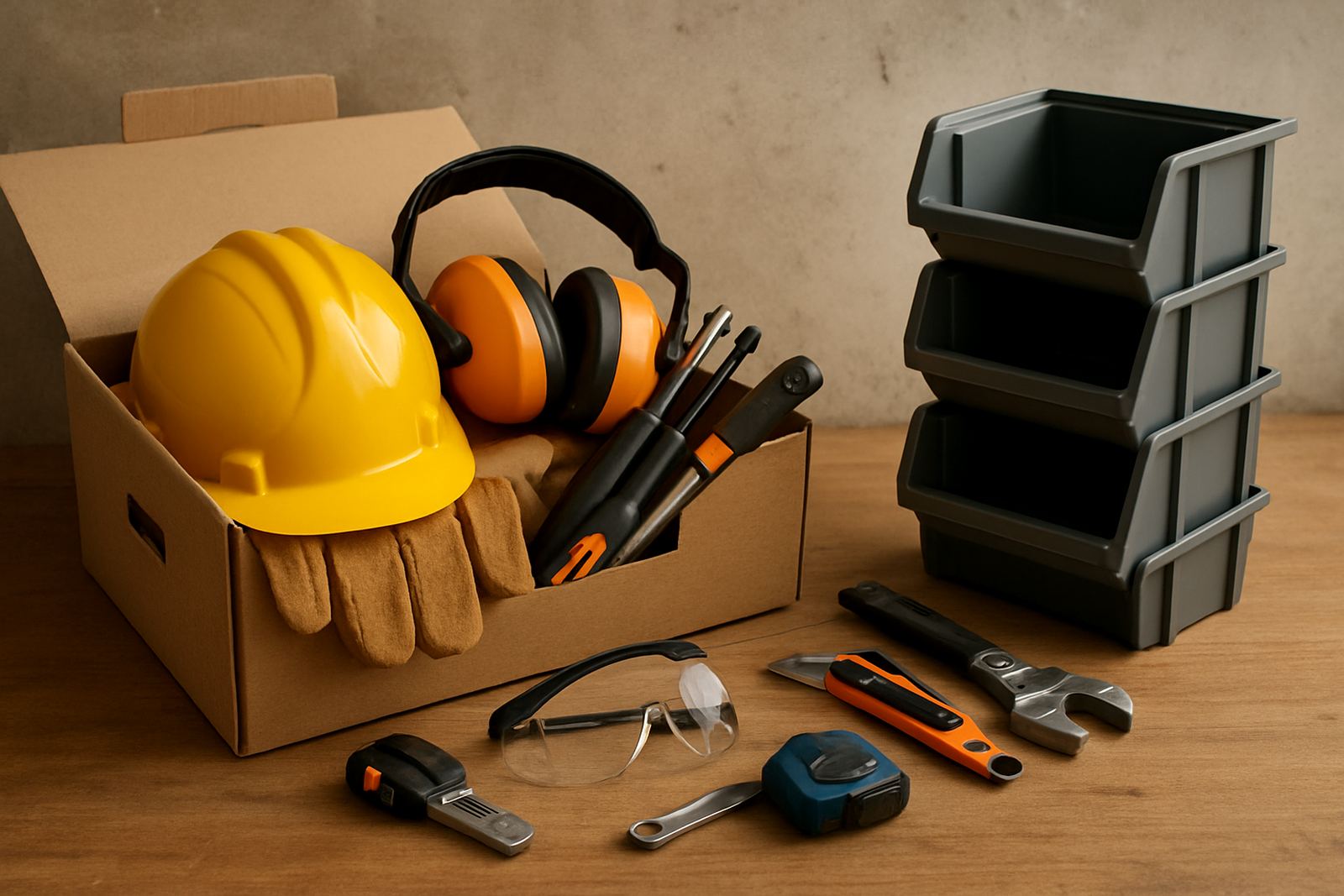
- Safety items and clear signage for shared rooms
Typical kit contents and equipment specs
Most startup space kits begin with the items a facilitator needs on day one, then build out from there. We focus on durable, easy-to-manage gear that suits shared use and regular cleaning. In coastal areas such as Durban and Gqeberha, we pay special attention to rust resistance and sealed storage. In Gauteng, dust and power interruptions matter more, so we choose equipment that can be packed away quickly and reset without fuss.
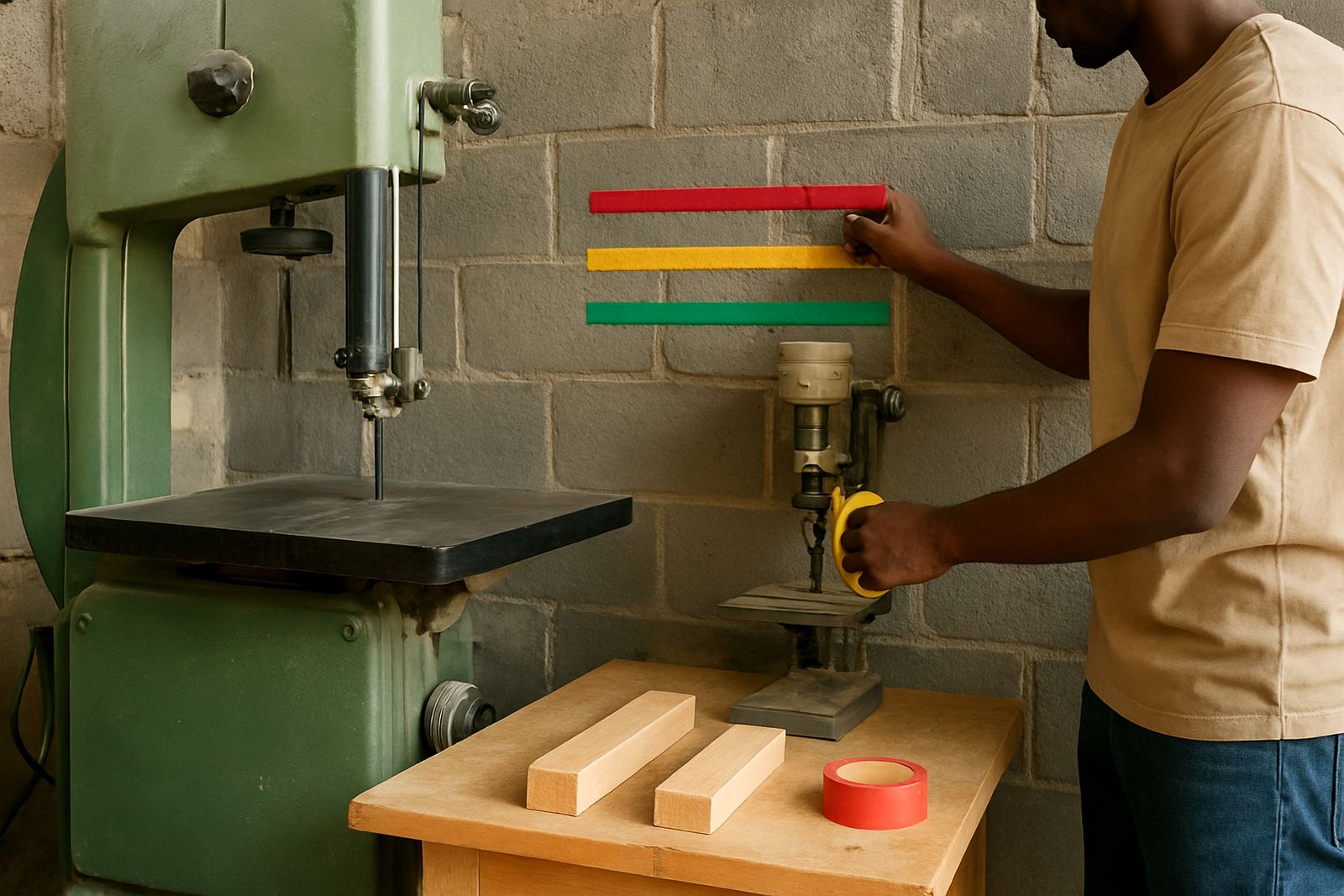
Common kit contents include workbenches, clamps, measuring tools, cordless drills, basic soldering stations, hand saws, file sets, safety glasses, ear protection, cable management, lockable cupboards and consumable bins. Where needed we can add whiteboards, marker sets, project trays and a simple check-out system. For spaces handling school groups we recommend colour-coded zones and clearly marked issue points, so learners know where to collect tools and where to return them.
- Workbench size: 1200 mm to 1800 mm long, 750 mm to 900 mm high
- Tool storage: lockable steel cupboard or heavy-duty modular shelving
- Consumables storage: lidded crates between 20 litres and 60 litres
- Power tools: cordless units with spare batteries for load-shedding backup
- Safety kit: eye protection, gloves, dust masks, ear plugs, first aid box
How we build the right kit for your venue
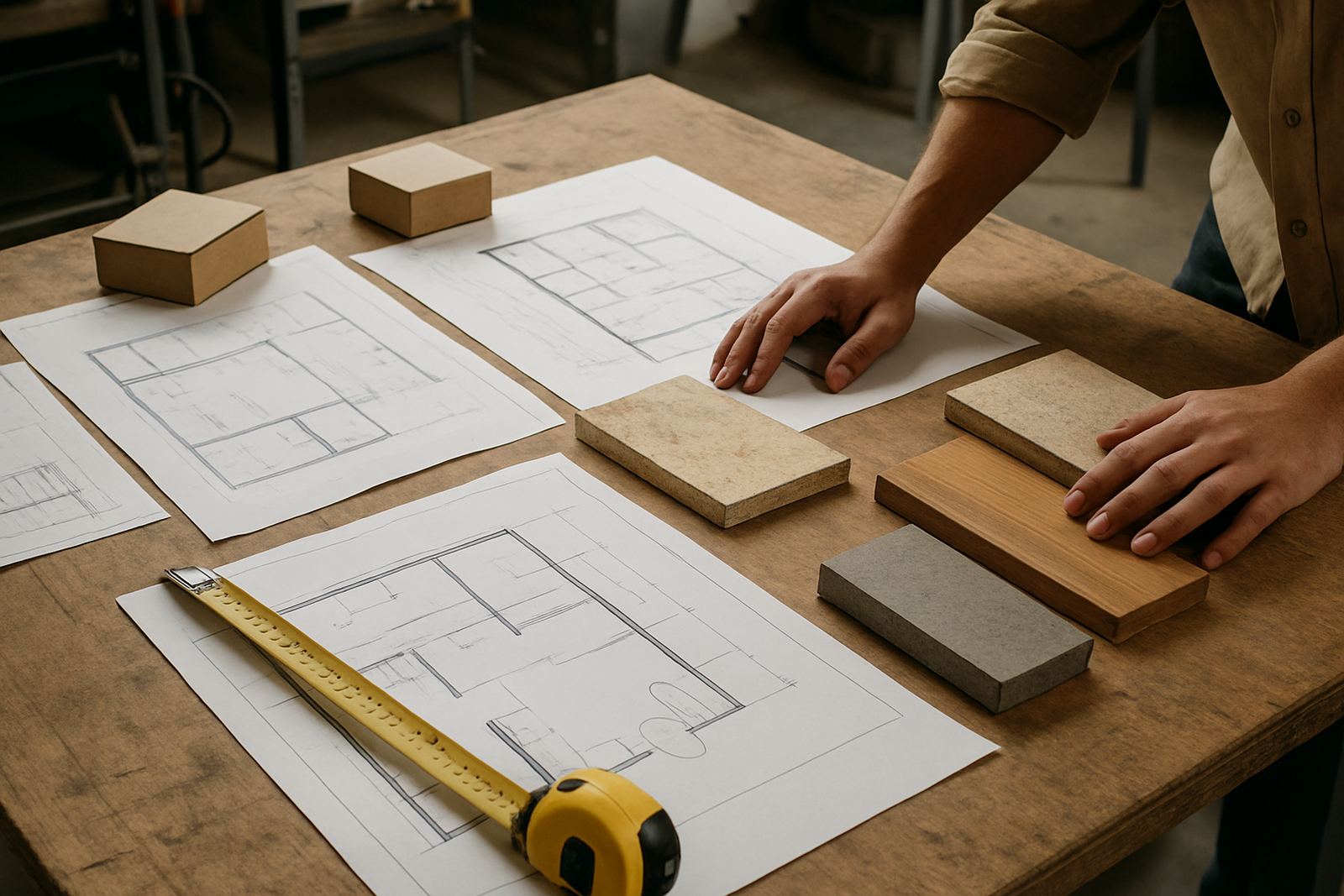
We do not send the same box to every venue. The process starts with a short needs review so we can understand the room size, learner age group, expected monthly footfall and the kind of making you want to support. If you are opening a space in Sandton for corporate team sessions the kit will lean toward neat storage, presentation gear and quick reset items. If you are setting up a training room in Pretoria East or Cape Town, we can shift the mix toward more tools and longer course runs.
From there we prepare a kit list, confirm the quantities and flag anything that needs a permit, lockable storage or stricter supervision. We also check whether your venue needs wall-mounted signage, floor marking, or separate storage for sharp tools and electrical items. This is where practical details matter, because a good room layout cuts down on breakages, lost items and classroom delays. It also makes the facilitator's job simpler when a group is moving through a session fast.
- Step 1: venue call or site review
- Step 2: needs list and room-use plan
- Step 3: kit specification and item count
- Step 4: procurement, packing and labelling
- Step 5: handover, onboarding and checklist walk-through
Turnaround times, pricing and supply planning
Lead time depends on kit size and how specialised the contents are. A small startup kit for a modest training room can often be prepared within 7 to 10 working days once the scope is confirmed. Larger multi-zone kits, or packs that need custom storage, signage and repeat consumables, usually take 2 to 4 weeks. If your opening date is fixed, tell us early so we can sequence the supply and avoid last-minute substitutions.
Pricing is based on the kit size, the number of users, the level of tooling, and whether the venue needs setup support on site. We quote in Rand and separate the main kit from optional add-ons so you can scale in phases. That helps when the budget is released in tranches or when a donor wants a basic launch pack first, then a second round of upgrades later. We also include a clear allowance for transport to partner venues and for site-specific packing if the room has access limits or stair-only entry.
If your venue is in a high-theft area or has no on-site stores room, we may recommend a smaller first issue with more locked storage and a tighter sign-out process. That keeps losses down and helps your budget go further.
Handover, onboarding and maintenance rhythm
A startup space kit only works properly when the room is easy to manage after the first week. We can help with member onboarding, facilitator support and a simple maintenance rhythm so tools stay in working order. For most venues, a weekly check of consumables and a monthly inspection of tools, storage and safety items is enough to catch problems early. In busier spaces, especially where classes run back to back, a quick midweek count helps keep stock levels honest.
We recommend a maintenance schedule that includes battery charging, blade checks, cable inspection, cupboard locks and cleaning of dust-prone tools. In coastal towns, rust checks matter more often. In Gauteng, dust filters and power surge protection need closer attention. If your venue runs evenings or weekends, the team should also confirm that everything is packed down properly before shutdown because missing one clamp or battery pack can slow the next session.
- Weekly: consumables top-up and sign-out review
- Monthly: tool condition check and storage reset
- Quarterly: deeper audit of stock levels and replacements
- After each event: fast clean-down and return count
Who benefits most from a startup space kit
These kits suit new makerspaces, school labs, NGO training rooms, youth centres and shared community venues that want to open with a proper working base. They are also useful for corporates running employee innovation rooms and for campuses that need a practical project zone with controlled access. If your team wants to start small but still look organised, a good kit gives you the structure to do that without wasting money on items you will not use.
Because we work with partner makerspaces and training venues across Johannesburg and nationwide, we understand the realities of mixed-use rooms. Some spaces need quiet zones for electronics, others need heavier bench work or event stations for short sessions. We can shape the kit around those needs and help you avoid common setup mistakes such as under-sized storage, too few sockets or unsafe tool mixing. The result is a room that is easier to run, easier to explain to new members, and easier to maintain over time.
If you want a first setup that is practical, affordable and ready for local conditions, we can build the kit around your room, your people and your budget.
Key facts
| Kit types | Basic workshop, school lab refresh, community lab, training venue, event maker station |
|---|---|
| Common users | 10 to 30 active users per session, depending on room size and supervision |
| Storage options | Lockable steel cupboards, modular shelving, labelled crates, wall boards |
| Power planning | Low-power tools, cordless options, surge protection, battery charging point |
| Maintenance interval | Weekly consumables check, monthly tool inspection, quarterly stock audit |
| Turnaround | 7 to 10 working days for small kits, 2 to 4 weeks for larger or custom kits |