Start With a Simple Tool Map
Before you buy racks, labels or storage bins, map the tools you already have. Split everything into groups: hand tools, powered tools, measuring gear, consumables and specialist items. In Braamfontein or Soweto the room might be tight, while in Midrand or Pretoria East you may have more wall space, but the same rule applies, put the most used items closest to the work area.
Walk the space and note what needs lockable storage, what can sit in open shelving, and what must stay on a sign-out system. A clean map makes it easier to plan a tool zone layout and to spot gaps before people start hunting for cutters or chargers during a busy session.
- List every tool by category and condition.
- Mark high-use items that need quick access.
- Identify items with safety risk or loose parts.
- Note tools that need charging, calibration or dry storage.
Set Zones That Match the Way People Work
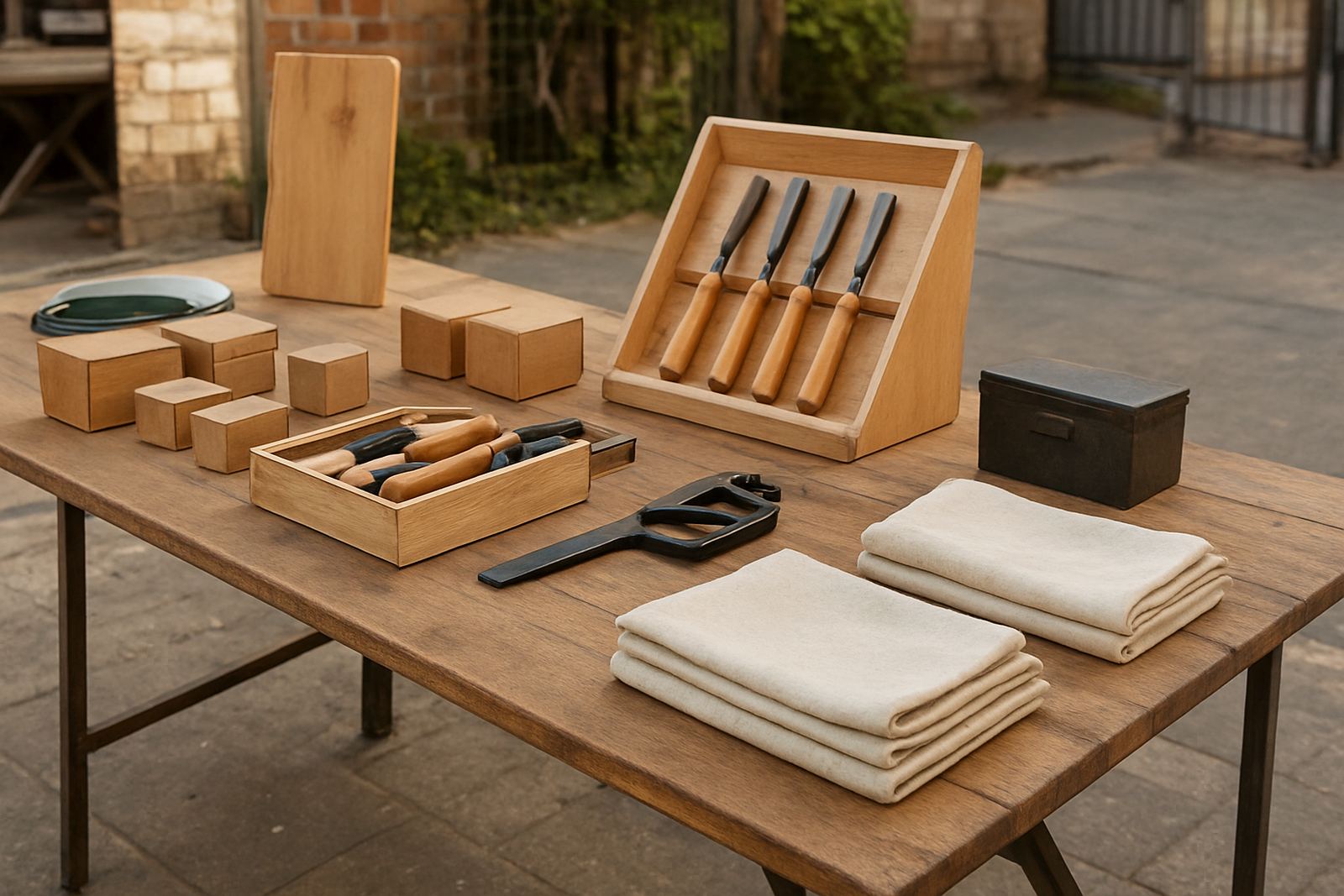
A shared workshop runs better when tools are grouped by task, not just by size. Keep marking tools near the measuring bench, cutting tools near the offcut area, and assembly tools near clamps and fasteners. This cuts down on back-and-forth, which matters when a class is running or the power is out and people are trying to finish by daylight.
In coastal areas like Durban or Gqeberha, include sealed containers for moisture-sensitive items. In Jozi, dust and vibration are often the bigger problem, so closed cupboards and labelled drawers help. If your space hosts makers after work hours, make sure the main walkways stay clear and emergency exits are never blocked.
- Keep tools with related materials.
- Separate sharp, hot and electrical equipment.
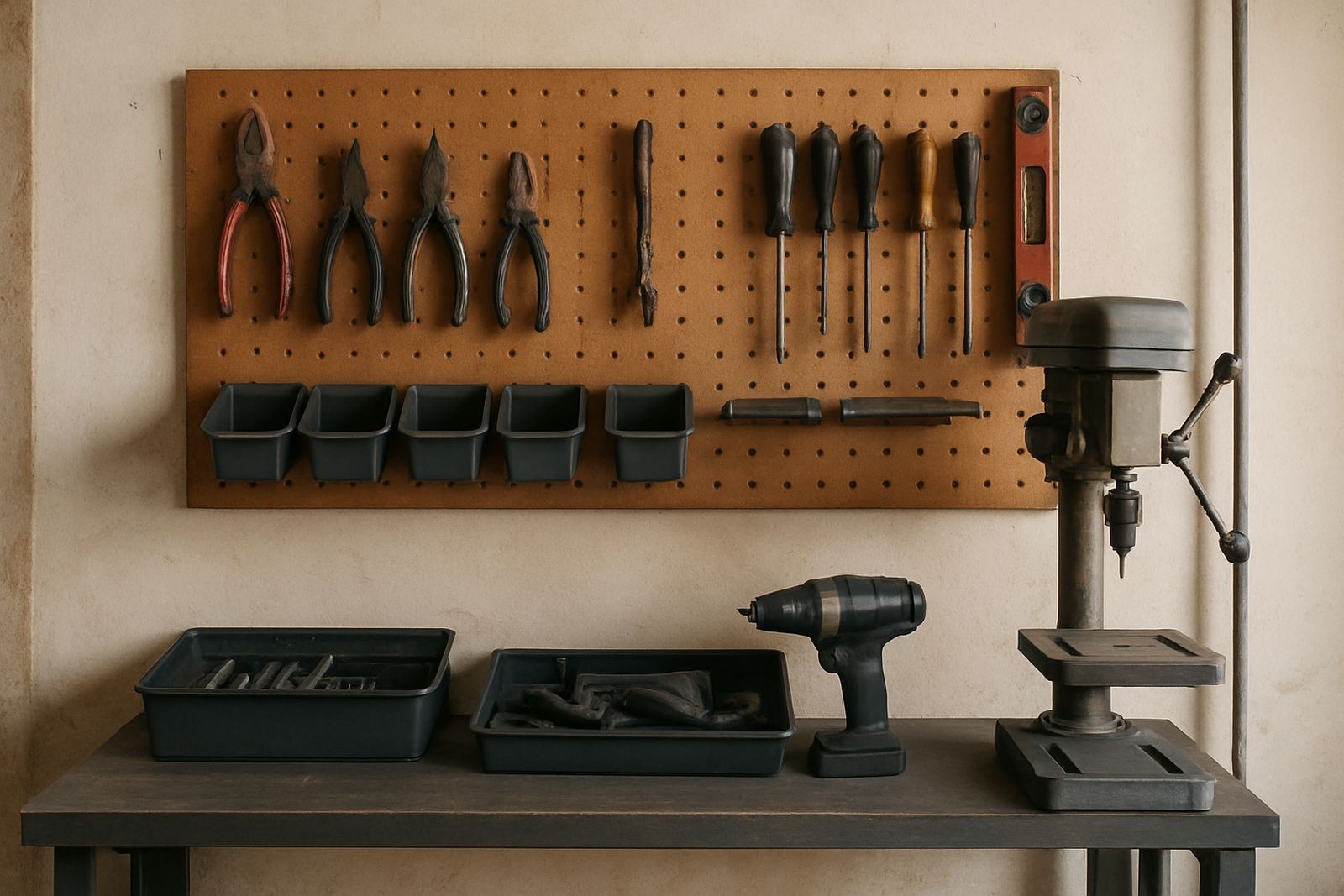
- Use wall boards for frequently returned items.
- Reserve one shelf for items that need repair or testing.
Create A Booking And Return System
Even a small club space needs a clear sign-out method. You do not need fancy software at the start. A printed log, numbered tags, or a simple card system can work if it is used consistently. Record who took the tool, when they took it, and when it came back. That is the quickest way to reduce missing items and awkward end-of-month arguments.
For larger spaces, assign one person per shift to check the book before tools leave the room. If you run training sessions, make the return process part of the final five minutes. A quick count and a visual check can save a lot of time later, especially for shared batteries, blades and measuring equipment.
- Use one sign-out point only.
- Label each tool with an ID number.
- Record condition on issue and return.
- Keep overdue items on a visible follow-up list.
Label Everything People Handle
Good labels stop confusion. Mark shelves, drawers, bins and tool outlines so new members can put things back without guessing. Use large text, simple language and colours that still read well under workshop lighting. If your venue has mixed language users, keep the wording plain and direct.
Durable labels are worth the cost because tape peels and handwritten notes fade. Put the same tool name in three places if needed: on the storage spot, on the sign-out sheet, and on the item itself. For small parts, use clear containers with a top label and a front label. It sounds basic, but it works.
- Label both the item and its storage place.
- Use numbered bins for fasteners and small fittings.
- Keep safety labels at eye level.
- Replace damaged labels before they create errors.
Protect Tools From Damage And Walk-Away Loss
Losses are not always theft. Sometimes tools disappear into members' kit bags, get left on vehicles, or are damaged by poor storage. Build habits that make these mistakes less likely. Lock away the expensive tools, keep duplicates of low-cost high-use items, and set a rule that borrowed items may not leave the premises unless approved.
Maintenance checks should happen on a schedule, not only when something breaks. Worn plugs, blunt blades, missing guards and loose handles should be sorted quickly. In load-shedding conditions, batteries and charge cycles need extra attention, so keep a written charge log for cordless equipment. A little routine here saves money later, even if it feels tedious at first.
Train Members To Use The System Properly
The best storage layout will fail if people do not understand it. When new members join, show them where to find tools, how to return them, and what to do if something is damaged. Short onboarding is better than a long talk that nobody remembers. Keep the instructions near the entry point and repeat them in the first session.
For clubs, schools and startup spaces, appoint a facilitator or lead member to enforce the basics. That person does not need to do everything, only to keep the routine consistent. If your space hosts events or school lab refreshes, add a quick handover at the start and end of each day so the kit count stays accurate.
- Demonstrate one correct return process.
- Show where consumables are stored and rationed.
- Explain what needs approval before use.
- Teach users to report damage immediately.
Review The System Every Month
A shared workshop changes over time. New tools arrive, old ones wear out, and people use the space differently during busy seasons. Set a monthly review to count high-value items, top up consumables, and adjust storage if the room starts feeling cramped. If the tool zone is no longer working, change it before the clutter becomes normal.
At SA Makers, we often see the biggest improvements come from small changes: one better shelf, one clearer sign, one tighter booking process. If your space spans Braamfontein, Sandton, Durban or Cape Town, the setup will differ, but the goal stays the same, fair access, less waste and a workshop that stays usable for the next person.