A seasonal range with local demand and a tight deadline
The client was a small maker collective based in Gqeberha, with a mix of hobby makers and part-time sellers who wanted to move from one-off items to a coordinated gift range. They had good making skills already, but the products were too varied, pricing was inconsistent, and stock control was difficult when orders came in at the same time as market prep.
The brief was clear. Create a handmade gift range that could be made in batches, transported safely, and sold across the Easter, winter, and year end seasons. The team needed a practical setup that worked for a shared workspace, not a fancy studio. Power cuts, coastal humidity, and limited storage were part of the reality, so every choice had to hold up in a busy room in Humewood and on the road to weekend markets.
We started with a maker audit and a product review, then narrowed the range to six core gift lines with repeatable components. That gave the group a cleaner workflow and made it easier to buy stock in quantities that suited South African cash flow.
What the range needed to handle in practice
The biggest challenge was consistency. The collective wanted items that felt handmade, but each batch still had to look neat, pack well, and survive handling in hot cars, market tables, and courier bags. They also needed starter quantities that would not tie up too much money in materials before sales had been tested.
We worked within a few hard constraints:
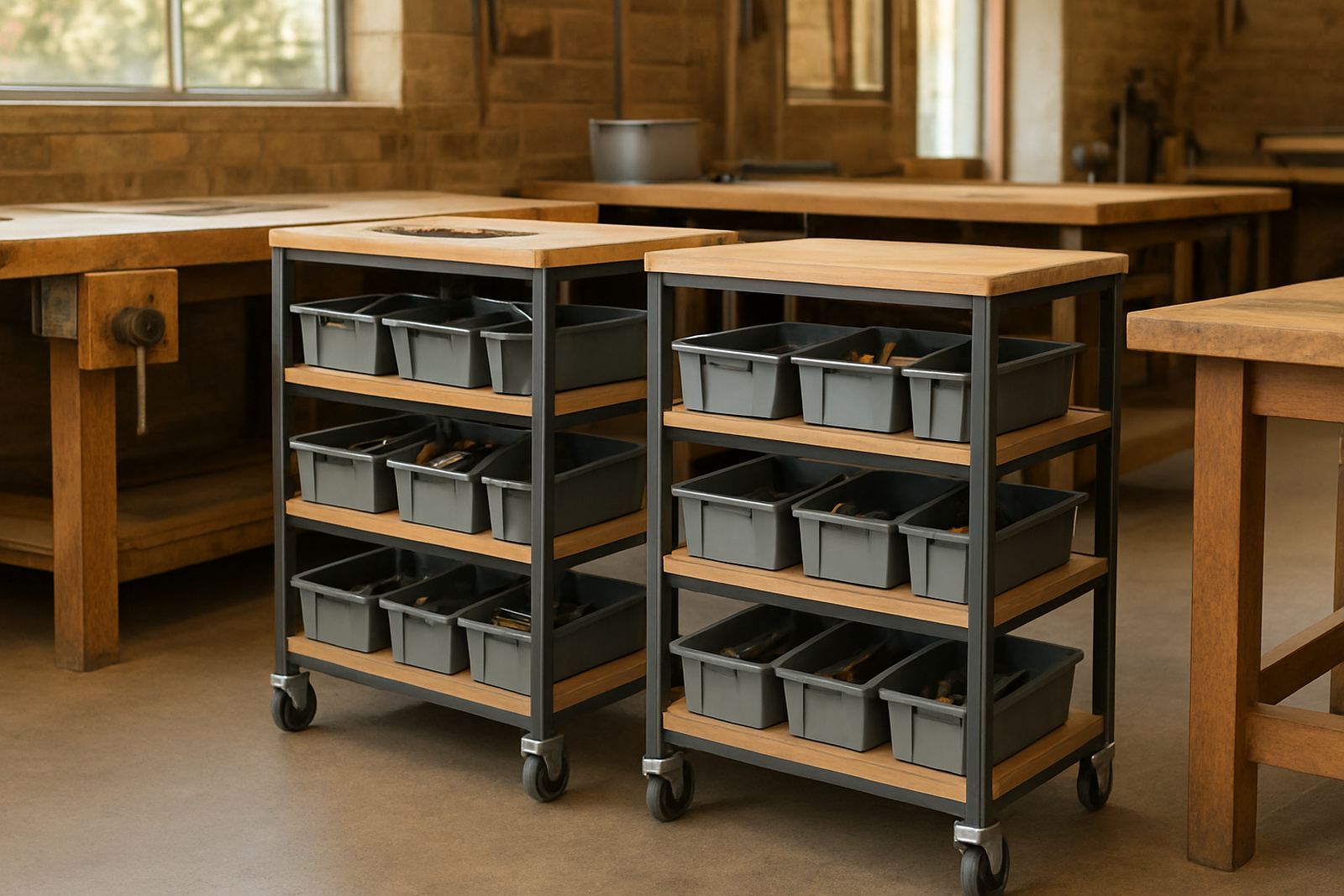
- Storage space was limited to two lockable shelving units and a small packing bench.
- Production had to continue during load-shedding, so only low draw equipment and hand tools were used for most steps.
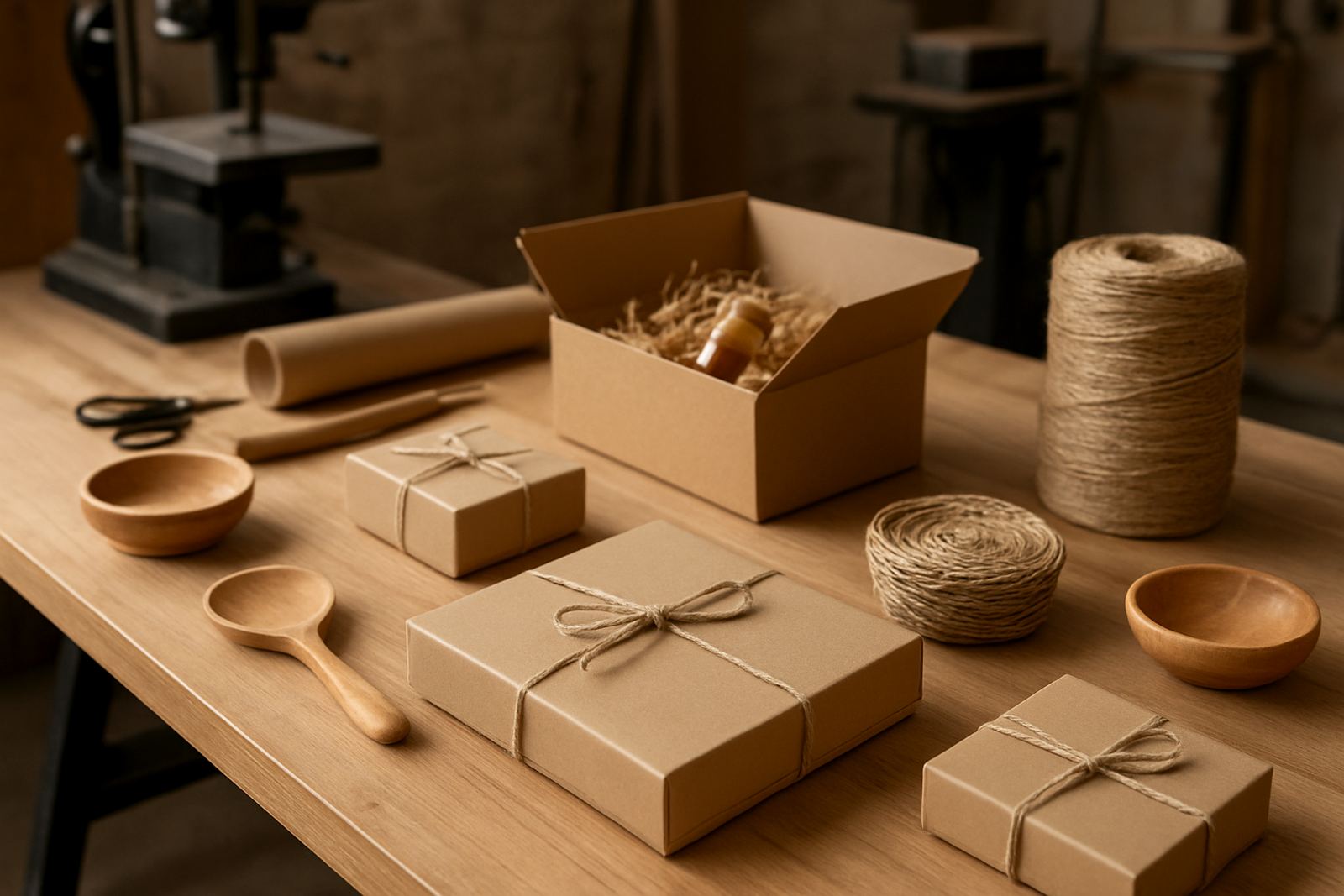
- Packaging had to protect delicate items without pushing the retail price too high.
- Labels and signage had to be readable in bright outdoor stalls and under weak indoor lighting.
- The range had to suit both gifting and corporate hamper orders, without changing the core components.
Because the collective served buyers from Walmer, Lorraine, and Central, the range also needed a clean local look that felt suitable for tourists and residents alike. We kept the styling simple, with practical sizes and easy-to-identify product codes for reorder planning.
Workshop planning, kitting, and safety setup
Our team supplied a complete startup space kit for the production area, plus layout advice for the tools and packing sections. The aim was to reduce walking time, prevent mix ups, and keep sharp tools, adhesives, and finished goods separated. We mapped the room so raw materials came in one side, production sat in the middle, and finished stock moved straight to a clean packing zone.
The kit included hand tools, measuring tools, storage tubs, labelled bins, drying racks, basic PPE, and a set of reusable packing trays. We also set up safety signage and a simple colour code for material zones so the facilitators could manage volunteers and casual staff without long explanations every time.
- Workspace size planned for 18 to 24 people across two shifts.
- Storage allowance planned for up to 120 finished units per product line.
- Packing tables set at 900 mm high for standing work.
- Clear walkway kept at 1.2 metres for safe movement with boxes.
- Consumables planned for an initial 8 week production cycle.
Thabo handled the technical support side, checking that the setup would still work when power was unreliable and that the team could keep moving with manual processes if needed. Johan then refined the tool zone layout so the busiest steps sat close together.
Training the team to produce and price the range
Once the room was set, we moved into training. Naledi led the sessions on product consistency, basic batch planning, and how to brief new helpers. The collective had strong creative instincts, but they needed a shared method for measuring, recording, and finishing work to the same standard every time.
Training covered batching, waste reduction, safe tool handling, basic quality control, and simple pricing logic. We also walked through how to factor in breakages, packaging, transport, and market fees, which is often where small makers lose margin without noticing. The team used printed production sheets, a stock tally, and a reorder trigger for key materials so they could plan ahead instead of reacting at the last minute.
Ayanda supported member onboarding and facilitator handover, which made it easier for the collective to bring in casual helpers during busy periods. Reuben linked the group into a wider makerspace network so they could borrow venue capacity for larger packing sessions when orders picked up.
Timeline, rollout, and launch support
The project ran over six weeks from first audit to launch stock. Week one covered the maker audit and range selection. Week two focused on layout and consumables planning. Weeks three and four were used for training, test batches, and packaging trials. Week five was for stock building and signage setup. Week six covered final checks, handover, and support for the first sales run.
We also helped the group set up event maker stations for a launch weekend in Gqeberha. That included display flow, table dressing, stock restock points, and a simple setup for live making demos. The team wanted buyers to see that each item was made locally, and the demo station helped with that without slowing down sales.
- Total project duration: 6 weeks.
- Core range: 6 handmade gift lines.
- Test batch volume: 25 units per line before full production.
- Launch stock target: 300 units across the range.
- Venue support: one packing room plus one market demo station.
The handover was done with the collective lead and two facilitators, so they could repeat the process after the launch. We left them with a workable system for reordering, packing, and basic maintenance checks.
Results and what we would repeat on the next range
The new range gave the collective a cleaner product mix and a stronger sense of control. Sales were easier to track, the team could produce in batches without losing time to confusion, and the packaging held up well in transit. The biggest gain was not just the sales event itself, but the fact that the group could repeat the process for the next season without starting from scratch.
They reported fewer damaged items, better stock visibility, and more confidence when speaking to markets and gift buyers. The range also worked for both small retail orders and larger hamper requests, which helped spread income across the season instead of relying on one busy weekend.
If we did this again, we would keep the same approach: start with a narrow range, test every pack format before full production, and build the storage and packing flow around the final items rather than trying to fit the product into an unsuitable room. We would also bring in the launch station earlier, because seeing the display in real use helped the team refine pricing and table layout before trade day.
Key facts
| Client type | Maker collective in Gqeberha |
|---|---|
| Project type | Seasonal handmade gift range launch |
| Timeline | 6 weeks |
| Range size | 6 core gift lines |
| Production setup | Two zone workshop with packing, storage, and demo station |
| Main outcome | Repeatable batch production and clearer seasonal sales planning |