A first-time seller in a small Kimberley venue
The client was a first-time jewellery seller based in Kimberley, Northern Cape, preparing for a weekend launch in a community venue that had limited floor space, shared access and only basic power points. The collection included light rings, earrings, pendants and a few made-to-order pieces, so the setup had to support both browsing and simple on-the-spot assembly without looking crowded.
The brief was straight forward: create a compact selling point that could be packed away quickly, keep the display secure, and make it easy for one person to handle sales, stock checks and customer questions. The venue had municipal rules for no open flames, clear walkways and easy access to exits, so the layout had to respect that from the start.
- Client type: first-time jewellery seller
- Town: Kimberley
- Launch format: one-person retail table with small stock holding
- Space target: under 6 m² of usable display and packing area
What had to work in Kimberley heat and load-shedding
Kimberley can be hot and dry, and the venue expected a full trading day with afternoon foot traffic. The client also wanted to avoid unnecessary power use because load-shedding could interrupt lighting and card reader charging. We planned for a setup that looked good in daylight, still worked with low power, and protected small items from dust and handling.
There were three main constraints. First, the seller needed enough surface space for display trays and a small till point without blocking the aisle. Second, the items had to stay visible but controlled, since loose jewellery can disappear quickly in a busy room. Third, the setup had to be carried by one person in a normal vehicle, which meant every component had to be light and flat pack.
- Low-power display plan for daylight trading
- Dust-aware storage for small parts and backup stock
- Pack-down time kept to under 20 minutes
- Vehicle-friendly parts sized for a hatchback boot
Starter kit items and layout support we supplied
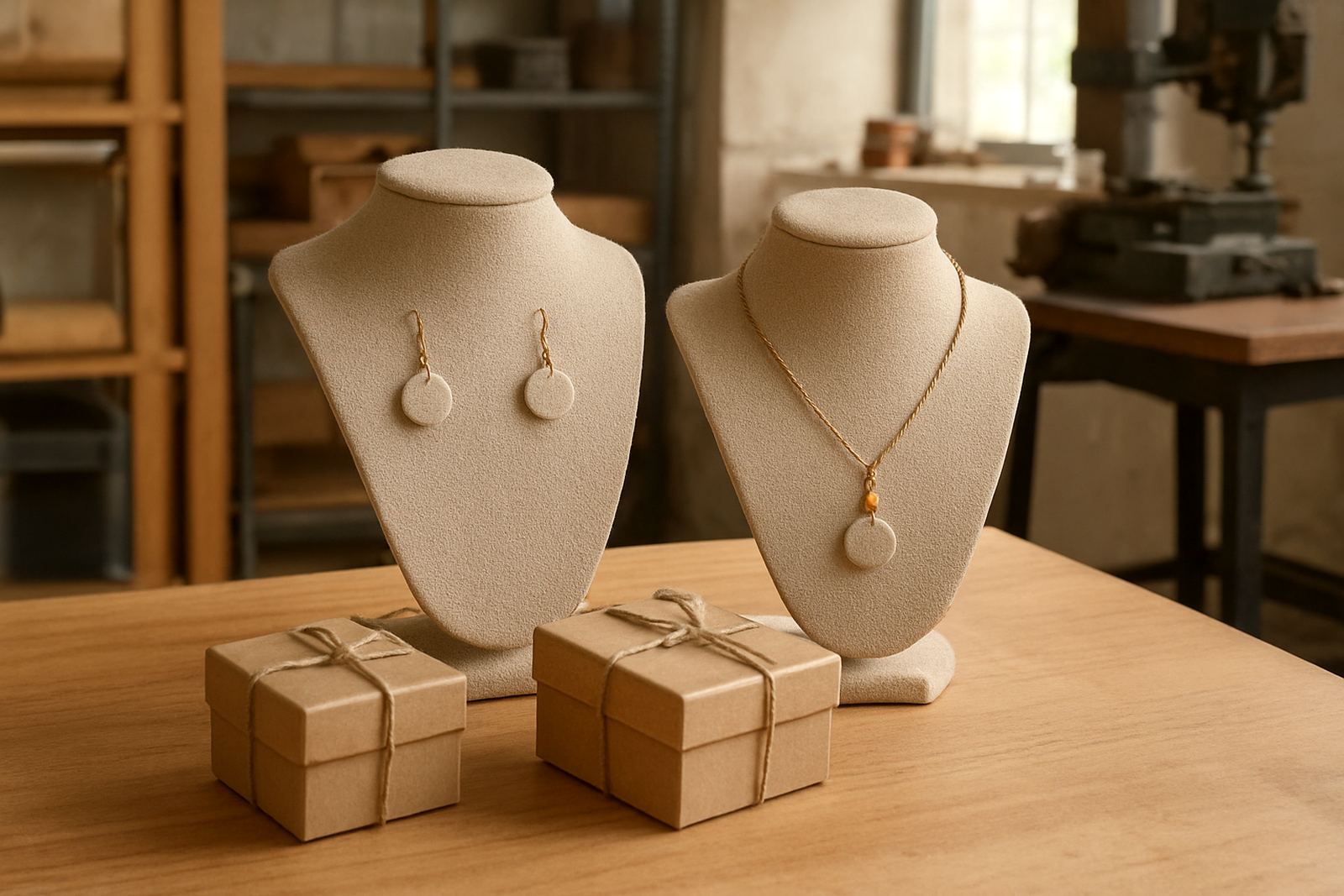
We put together a starter kit and layout plan that matched the actual stock count, not a generic market-table setup. The package included display risers, stackable trays, small parts containers, a lockable cash box, price cards, safety notices and storage tubs that could be sealed between sessions. We also marked out a clean front-facing layout so the customer flow stayed simple.
Our team supported the seller with space planning, tool zone layout, member onboarding for the launch team, and a short facilitator run-through on handling stock, setting prices and packing the table at the end of trade. Because the venue had shared access, we kept the movement path open and placed the consumables and backup items at the rear for quick reach. No clutter, no wasted steps.
- Display trays, risers and labelled stock tubs
- Safety signage and simple trading notices
- Cash box and low-profile packing zone
- Price cards and stock markers for quick setup
- Facilitator support for opening and closing routines
The two-week rollout from audit to launch
The project ran over two weeks. In week one, we did a maker audit of the product range, measured the venue area and checked what could be carried, stored and displayed without overloading the table. We then refined the shopping list, grouped the consumables by use, and planned the table sequence from left to right so the seller could work quickly during busy periods.
In week two, we assisted with final packing, layout checks and a practical walk-through. The client had a better grip on what was essential and what could stay in reserve, which mattered because first-time sellers often bring too much. We also checked maintenance points on the reusable items, made sure edges were safe, and kept the setup simple enough for one person to manage on their own.
- Week 1: maker audit, measurements and kit list
- Week 2: packing, setup, final checks and launch support
- Total turnaround: 2 weeks
Results from the first trading weekend
The seller opened with a clearer table, better stock control and a calmer trading rhythm. Customers could see the range at a glance, ask questions without crowding the table, and move through the display without blocking other visitors. The client also reported that the pack-down took far less effort than expected, which helped because the venue had a strict closing time.
For a first-time seller, the main result was confidence. The display looked organised, the pricing was easy to read, and the storage plan reduced the chance of items going missing during the day. The client also had a practical base for future events, so the launch was not just a one-off setup, it became a repeatable trading system.
- Clearer customer flow at the table
- Faster stock checks during trade
- Safer storage for small items
- Repeatable setup for future markets and pop-ups
What we would repeat for the next launch
If we were doing the next jewellery launch again, we would keep the same compact format but add one more storage layer for backstock and one more signage point at eye level. For a first-time trader, that extra clarity can save time when the room gets busy. We would also pre-sort consumables into day-use and reserve packs so the seller does not have to open everything at once.
For similar projects in places like Braamfontein, Soweto, Pretoria East or Durban, we would keep the same approach but adjust for venue rules, humidity and power access. Coastal sites need better moisture protection, while school or civic venues may need stricter labelling and safer cable routing. The key is still the same, a small footprint, clear flow and kit that a person can manage without fuss.
- Add one extra backstock layer
- Raise key signs to eye level
- Split consumables into day-use and reserve packs
- Adjust storage for humidity and venue rules
Key facts
| Town | Kimberley, Northern Cape |
|---|---|
| Timeline | 2 weeks |
| Setup size | Under 6 m² usable area |
| Stock type | Small jewellery collection and made-to-order pieces |
| Support supplied | Space planning, starter kit, signage, onboarding |
| Pack-down target | Under 20 minutes |