What the Paarl team wanted from the sample run
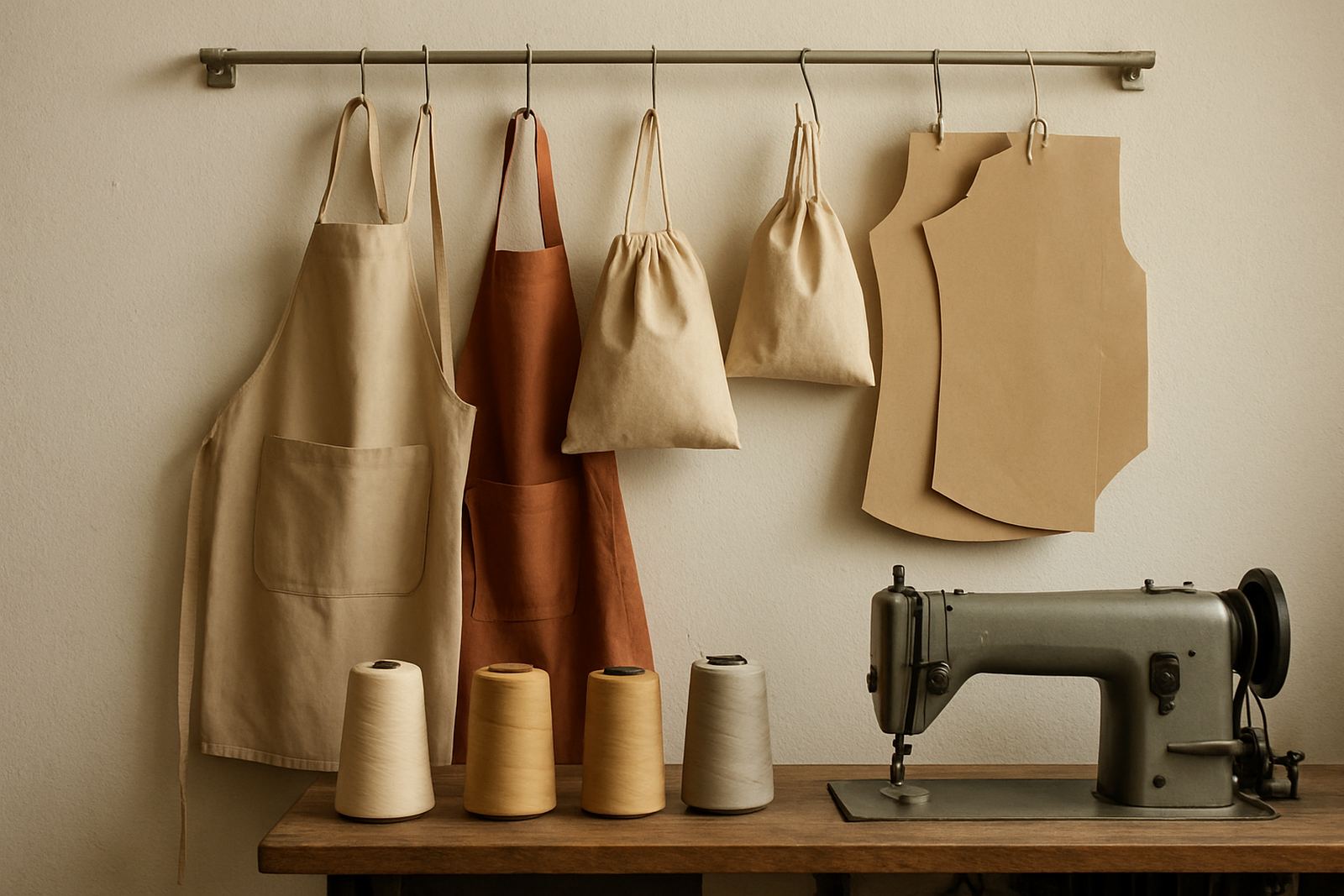
The client was a small fashion group based in Paarl, working with a few cutters, one in-house sewer and part-time help when orders picked up. Their goal was not a full production line. They wanted a compact set of sample accessories that could be taken to local market days, shown to boutique buyers, and used to test pricing with real customers.
The brief was simple on paper but tricky in practice. They needed pieces that looked polished, could be made in small batches, and did not rely on hard-to-source materials. They also needed a plan that worked around load-shedding, limited bench space and the reality of shared work hours. Paarl heat was another factor, because certain fabrics and adhesives behave differently in warm rooms, especially when the air is dry during the day and damp later in the evening.
- Project type: sample accessories for local market testing
- Client size: small fashion group with part-time production help
- Location: Paarl, Western Cape
- Target use: buyer meetings, weekend markets and early sales trials
Constraints we had to work within
The main constraint was budget. The team did not want to buy bulk stock before they knew which styles would move. They also wanted a clean setup that could be packed away after each session, because the workspace doubled as storage for finished stock and general materials. Another issue was consistency. If one sample strap was 10 mm wider than the next, the whole range looked uneven on display.
We also had to keep the materials practical for a Western Cape town where transport to suppliers can mean extra lead time. The brief called for items that could be bought in manageable quantities, with enough spare stock for reworks but not so much that money sat on a shelf. Because the team planned to trade at outdoor events too, we suggested finishes that would hold up in dust, sun and occasional sea air when they moved stock toward Cape Town or along the coast.
- Low upfront spend and no large stock commitment
- Compact storage for a shared working space
- Repeatable sizing for sample consistency
- Materials suitable for warm rooms and outdoor trading
How we set up the sample workflow
We mapped the sample process from cutting to final pack-out and split it into short, workable stages. First came a simple maker audit of the space to check power points, cutting surfaces, storage and movement flow. Then we planned a tool zone layout so the team could keep cutting tools, marking items and finishing supplies in the same sequence every time. That cut down on wasted movement and made handovers easier when more than one person was in the room.
We then supplied starter kit items for the sample run, including cutting tools, measuring tools, marking aids, clamps, storage tubs, safety signage and consumables planning for thread, interfacing, fasteners and labels. The team also asked for support with member onboarding because they were bringing in two newer assistants who needed clear rules around tool use, cleaning up and storage. Training was kept practical: how to measure accurately, how to avoid fraying edges, how to check stitch tension, and how to pack samples so they arrived flat and clean.
- Tool zone layout for cutting, marking and finishing
- Starter kit items for sample making and pack-up
- Safety signage setup for shared-use compliance
- Member onboarding for new helpers and part-time staff
Project timeline and delivery in four weeks
The job ran over four weeks. In week one we completed the maker audit and confirmed the sample list, workspace size and storage needs. Week two was spent on layout planning and consumables planning, with a final check on what could be reused from the client’s existing stock. Week three covered the starter kit order and training session. In week four we did a maintenance check, confirmed the pack-out method and reviewed the first sample batch with the team.
The schedule worked because each step was short and clear. There was no need for a long shutdown, which suited a small business that still needed to keep serving customers while the samples were in progress. We also kept the process flexible enough for a mid-project change when the client decided to test one extra accessory style after seeing the first pieces. That small change added only two days, and the overall plan still held.
- Week 1: audit and brief confirmation
- Week 2: layout and consumables plan
- Week 3: starter kit supply and training
- Week 4: review, maintenance check and pack-out
What the sample batch produced
The final batch gave the team a neat set of accessories ready for local market testing and buyer meetings. The samples were uniform in size, easier to price and much simpler to display. The client used the items to test colour preference, finishing details and packaging style with shoppers in Paarl and nearby towns. They also took a small set to a meeting with a retailer in the Winelands area, which helped them compare wholesale interest with direct-to-customer demand.
By the end of the project, the team had a repeatable method for making short runs without cluttering the workspace. They reported fewer mistakes, quicker pack-up time and less material waste. Just as important, the accessories looked like a proper range rather than a loose group of trial pieces. That made pricing conversations easier, because buyers could see a clear style direction and consistent finish across the set.
- Cleaner sample presentation for buyer meetings
- Less waste from better cutting and storage control
- Faster pack-up after each session
- Improved confidence on pricing and finish quality
What we would repeat for a similar Cape Winelands client
If we were doing the same kind of job again for a small fashion group in Paarl, Wellington or Stellenbosch, we would keep the approach very similar. Start with a short audit, map the tool flow, and only then buy what is needed. That keeps the spend sensible and the team focused on the parts of the process that matter most. For this type of client, the best results usually come from practical details rather than a big overhaul.
We would also keep the training short and hands-on, with a second check after the first sample batch. In our experience, the first round reveals the gaps: not enough labels, one missing storage tub, or a measuring habit that needs tightening. Sorting those small issues early saves a lot of time later. For a small team, that is often the difference between a sample run that sits half-finished and one that is ready for market testing on schedule.
- Keep the layout simple and repeatable
- Buy consumables in small, controlled quantities
- Train the team before the first full sample batch
- Review storage and pack-out after the first week
Key facts
| Client type | Small fashion group |
|---|---|
| Town | Paarl, Western Cape |
| Project duration | 4 weeks |
| Scope | Sample accessories for local market testing |
| Key support | Maker audit, tool zone layouts, starter kit supply, member onboarding |
| Outcome | Ready-to-test samples with clearer pricing, cleaner presentation and lower waste |