What the Soweto team needed for classroom making
The brief came from a local school group in Soweto running after-school and weekend STEM sessions for learners aged 10 to 16. They needed kits that could be used by different teachers, packed away quickly, and handled in a busy school environment where storage space is tight and time between periods is short.
The team wanted reusable materials rather than single-use craft packs. That meant parts had to be counted, labelled and easy to return after each lesson. They also asked for a setup that could work in ordinary classrooms, not only in a dedicated lab. With load-shedding affecting some afternoon sessions, the kits also needed to support low-power, hands-on making without relying on laptops or fixed equipment.
Site limits, storage pressure and school rules
The school had a few practical limits to work around. Storage was shared with sports and stationery supplies, so kit boxes had to fit on standard shelving and be light enough for one teacher to carry. The building also had narrow passages and a mix of older classrooms and newer prefabricated rooms, so the layout had to support fast setup and pack-down between lessons.
- Space available for storage: 2 shelving bays and 1 locked cupboard
- Average class size: 28 to 35 learners
- Session length: 45 to 60 minutes
- Power dependence: kept to a minimum for load-shedding days
- Safety needs: clear sign-off for scissors, cutters, glue guns and battery items
We also kept municipal and school safety expectations in mind. That meant clear labelling, safe storage for sharp items, and simple instructions that teachers could follow without needing a specialist on site every time.
What we supplied and how the kits were built
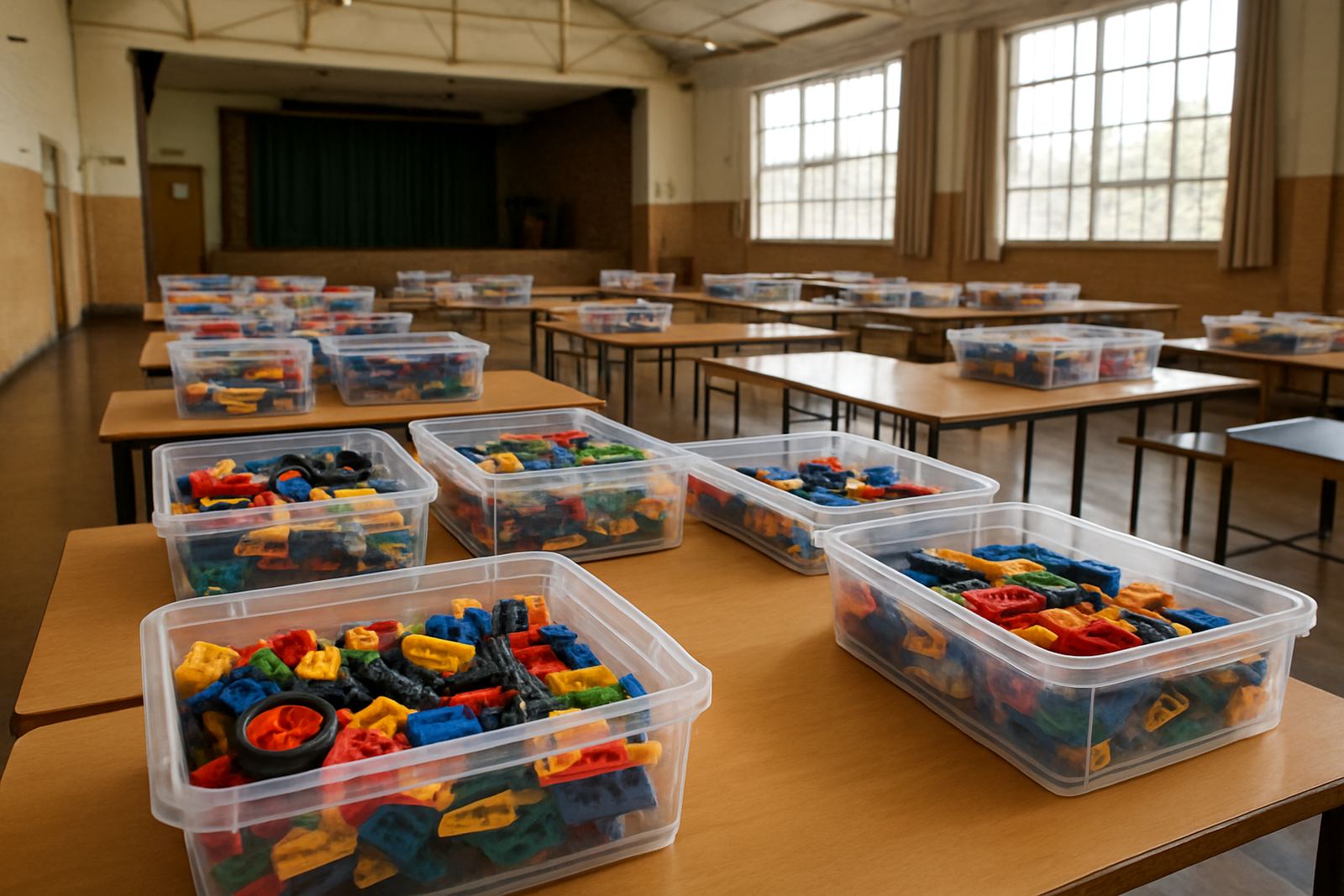
We put together a starter system based on reusable classroom making. Each kit was grouped by activity type so a teacher could choose what the class was building that day. The contents were split into smaller trays inside labelled crates, which helped with counting and made it easier to see if anything was missing at the end of a lesson.
- 10 reusable learner packs per class set
- Modular storage crates with labelled inner trays
- Cutting, joining and measuring tools for group work
- Battery safe items for simple circuits and motion tasks
- Consumables plan for tape, glue, string, card and fasteners
- Safety signage for tool return, hand washing and clean-down
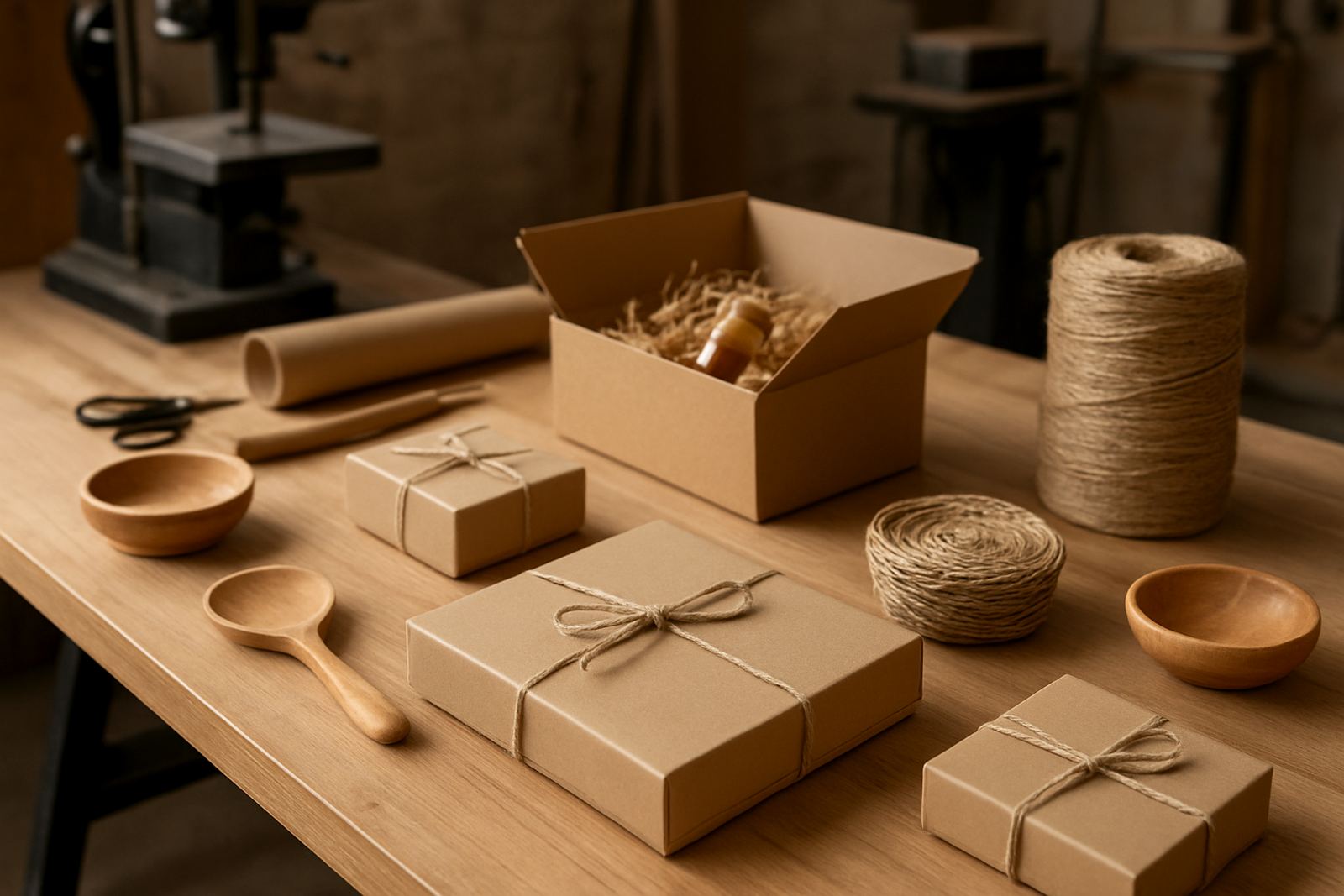
We also supplied a simple maker station for shared table use. It included a mat, measuring tools, a parts tray and a clear return point for small items. The goal was not to overcomplicate the room, but to make it easier for teachers to run a classrom session without losing time to sorting.
Training, handover and teacher support
Once the kits were assembled, we ran a short handover with the school team and the facilitators who would be leading sessions. The focus was on practical use: how to distribute parts, how to reset the room in under 10 minutes, and how to keep the stronger tools separate from the younger learners’ tables.
We also prepared a starter guide for lesson flow. It covered setup, safe tool use, pack-down and quick stock checks. That made it easier for the school to rotate between classes and keep the same standard from one session to the next. For a group like this, consistency matters just as much as the equipment itself.
Timeline and delivery in Soweto
The project ran over 3 weeks from first walkthrough to final handover. Week 1 was planning and stock mapping. Week 2 was kit assembly, labelling and safety review. Week 3 was delivery, classroom test runs and final adjustments based on teacher feedback.
Delivery was planned around school hours and traffic from Johannesburg into Soweto, so we kept the handover compact and dependable. The team wanted a setup that could start quickly after delivery, and that is exactly how it went. By the end of the third week, the school had a working kit system ready for regular use in after-school STEM sessions.
What changed after the first round of sessions
After the first few classes, the school reported faster room resets and less missing stock. Because every item had a place, learners could help sort and return parts at the end of the lesson. Teachers also found it easier to split the class into small groups, which improved supervision and reduced waiting time around shared tools.
The biggest result was confidence. The school group could now run making sessions with a repeatable setup instead of improvising each time. That saved prep time and made the programme easier to maintain through term changes, exams and weather interruptions. It also gave the learners a more structured experience, which helped with focus and classroom behaviour.
What we would do again for another school project
For another school in Soweto, or anywhere with limited storage and busy timetables, we would use the same approach: keep the kits reusable, make the labels very clear and build around the teacher’s actual room layout. We would also continue to use modular crates rather than one large box, because smaller units are simpler to carry, count and secure.
The other thing we would repeat is the short training handover. A good kit still needs a practical reset system, especially where teachers are managing more than one class. That combination of parts, storage and support is what makes the setup work over time, not just on day one.