What Facilitator Support Covers For Live Maker Sessions
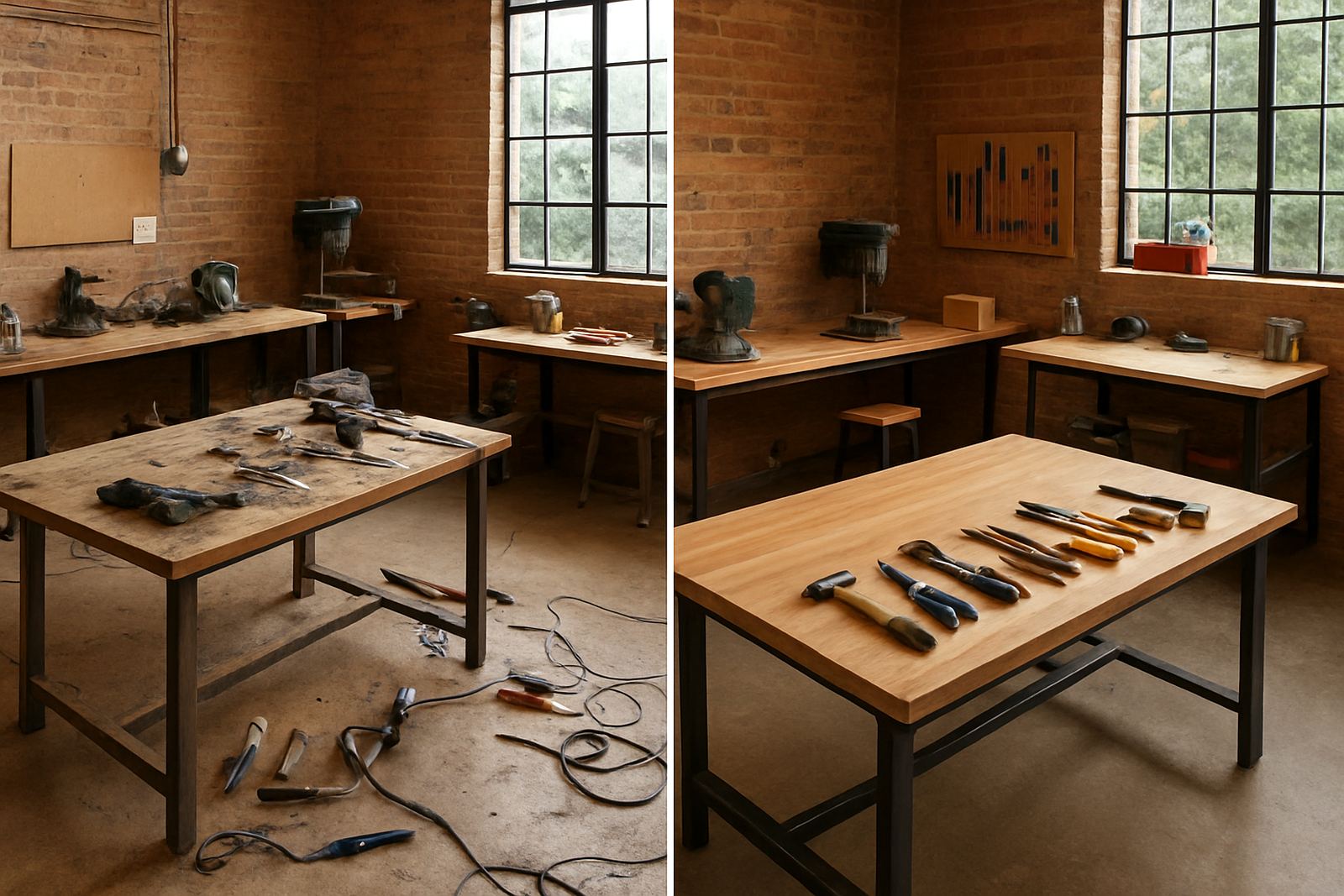
Facilitator support is the operational side of running a class well. We help the trainer focus on teaching while we handle the work that keeps the room organised, the tools available and the session on time. That includes pre-class room checks, tool table set-up, consumables counts, learner intake support, basic troubleshooting and end-of-session pack-down.
For regular programmes, we also help standardise the session flow so each group gets the same level of attention. That matters when you are running woodwork, electronics, sewing, robotics, 3D making or mixed maker sessions across different venues in Johannesburg, Pretoria East, Midrand, Soweto, Durban, Cape Town or Gqeberha. We understand municipal venue rules, after-hours access, and the reality of load-shedding so your programme does not fall over when power or attendance shifts.
- Room and bench set-up before learners arrive
- Tool issue and return control during the session
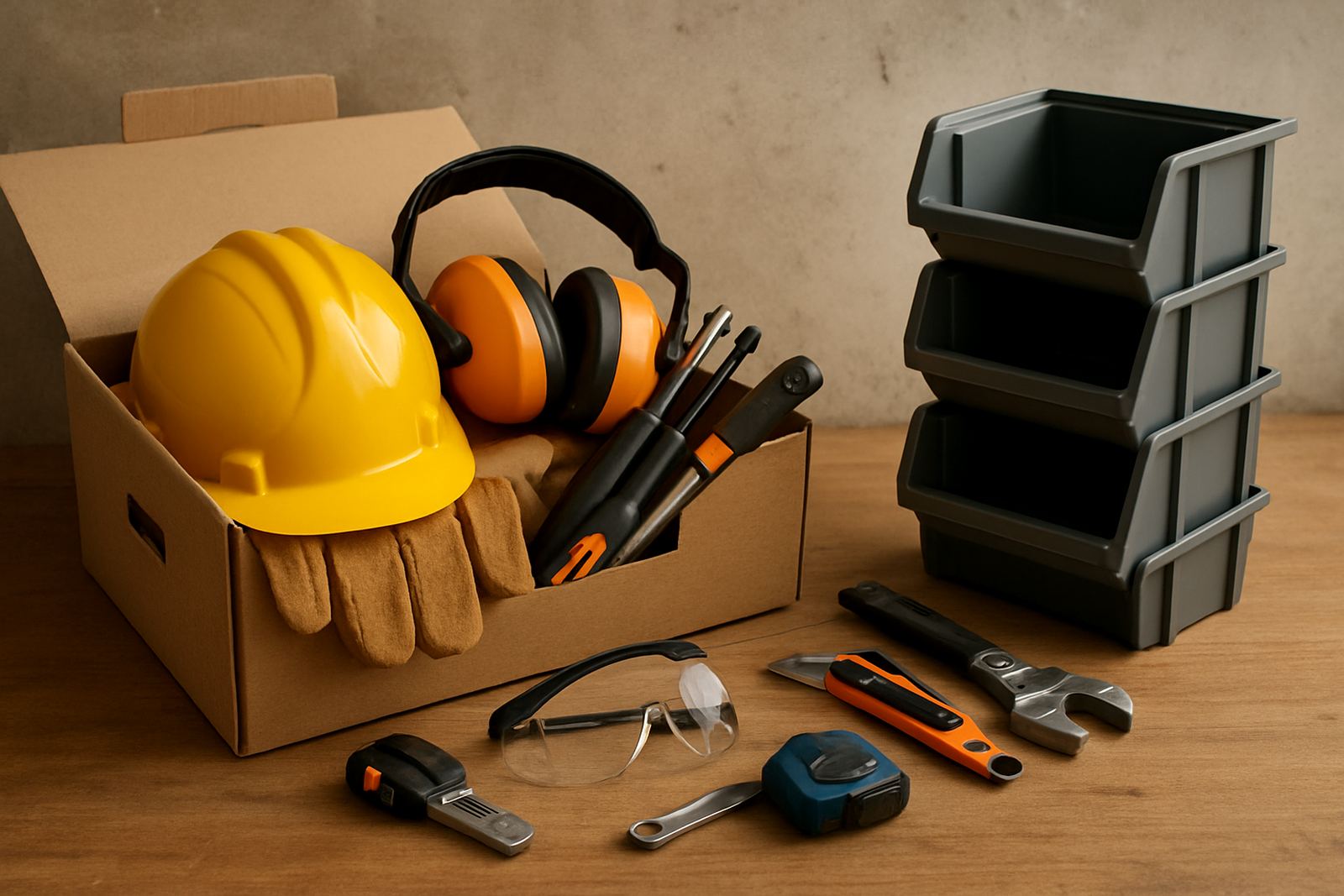
- Consumables top-up for glue, fasteners, tape, timber offcuts and wire
- Safety sign placement and clear walkways around equipment
- Attendance flow, group rotation and queue control
- Pack-down, count-back and incident notes after the class
How We Prepare Trainers And Venues Before Class
Good facilitator support starts before the first learner walks in. We begin with a short programme review, then map the room, the number of learners, the tools in use and any special hazards. A school lab needs a different approach from a makerspace in Braamfontein or a community hall in Soweto, especially where storage is tight or the venue is shared with other users.
We confirm what the trainer needs for the day, what should stay locked away, and what must be visible and within easy reach. For higher-risk sessions, we help set up clear zones for cutting, heating, assembling and drying. We also check whether the venue can handle power draw, extension leads, battery charging and safe ventilation. In coastal areas, we factor in humidity so tools, adhesives and metal parts are stored properly and do not corrode or clump up.
- Pre-session checklist and material count
- Tool layout by station, not by a single pile in the middle of the room
- Safety briefing support for sharp tools, heat tools and electricity
- Accessibility checks for walkways, exits and learner movement
- Back-up plan for load-shedding or power-limited sessions
What Happens During The Session
During the session, our support stays practical and close to the action. We do not interfere with the trainer’s method. Instead, we back the class up by keeping tools moving, replacing used consumables, helping learners find the right station and flagging any safety issue before it becomes a problem. If the group is large, we can help split it into smaller rotation blocks so no one sits idle.
For starter kits and repeated programmes, we can pre-bag materials by learner or by team. That works well for school holiday programmes, corporate team-building days and ongoing makerspace classes where the same project is repeated with new groups. We can also support facilitator handovers when a second trainer joins late or when a venue uses different staff on different days. With a tidy process, the room feels calmer and learners stay engaged.
- Live tool handover and return support
- Learner station rotation and material issue
- Quick reset between activities or demo blocks
- Basic fault spotting on leads, plugs, clamps and hand tools
- Support for sign-in, attendance and end-of-class count-back
Turnaround Times And Booking Lead Time
For single sessions, we normally need 3 to 5 working days to confirm the venue, staff allocation and session notes. For weekly or monthly programmes, we recommend a longer lead time so the support plan can be matched to the class calendar, stock list and room layout. If the programme is more complex, for example with multiple stations or rotating trainers, we prefer at least 7 to 10 working days.
Once confirmed, we share the session plan, the support scope and the pre-class checklist. If a venue is already in our partner network, setup is faster because we know the access rules and practical constraints. Rush requests can sometimes be handled, but only if the training room, materials and safety requirements are clear. The biggest delays usually come from late changes to learner numbers or last-minute tool swaps.
For ongoing programmes, we can schedule support on a standing basis by term, quarter or project cycle. That is useful for schools, NGOs, incubators and community spaces that run repeated workshops and need the same process each time.
Pricing Based On Session Size And Support Level
We price facilitator support according to the time on site, number of learners, complexity of the tools, prep work required and whether the venue needs a full room setup or only live session assistance. A small class with simple tools and a fixed room plan costs less than a multi-station build day with safety supervision, kit bagging and end-of-day pack-down.
We keep pricing practical and transparent. The quote normally separates pre-session planning, on-site support and any follow-up maintenance checks. If consumables need to be supplied, those are listed separately so you can see exactly what is included. For organisations running multiple sessions, we can propose a programme rate that makes sense over a term rather than pricing every visit as a once-off.
- Once-off session support
- Term or monthly support for recurring classes
- Higher-rate sessions for specialised tools or larger learner groups
- Optional consumables supply and replenishment planning
- Optional maintenance checks between sessions
Maintenance Checks That Keep The Programme Going
Support does not end when the class ends. Tool handles loosen, batteries need charging, blades dull, labels peel and storage bins get mixed up after a few sessions. We recommend a light maintenance check after every programme day, plus a fuller review on a weekly or fortnightly basis depending on use. For high-traffic spaces, monthly audits help keep the room safe and ready.
Maintenance intervals are matched to how hard the space is used. A school lab that runs every afternoon needs tighter checks than a weekend maker club. In humid coastal venues, metal tools and fasteners should be checked more often. In busy Johannesburg spaces, cable wear and missing consumables are usually the first signs that a room needs attention. We can help set the interval and the checklist so the same problems do not keep coming back.
- Daily check: counts, cable condition, surface clean-up and storage return
- Weekly check: tool function, labels, consumables and safety signage
- Monthly check: stock review, minor repairs and room layout adjustments
- Term review: programme flow, learner numbers and trainer feedback
Working With SA Makers Across Johannesburg And Beyond
Our base is in Braamfontein, Johannesburg, and we support partner makerspaces and training venues nationwide. That gives us a practical view of what works in different neighbourhoods and different room types, from compact urban workshops to larger school halls and shared community spaces. We know that a good facilitator setup is not only about tools, it is about timing, storage, movement and clear responsibility.
The team working on facilitator support includes training, workshop operations, community coordination and technical support roles, so we can look at the session from several angles. Whether the need is a one-off workshop or a recurring maker programme, we make sure the practical details are sorted before the class starts. If you are planning a series of sessions and need steady operational help, we are ready to map it properly.
Send the brief through the enquiry form on our contact page and we will come back with the next steps, timing and quote structure. A good session is easier to run when the room, the stock and the support all line up.
Key facts
| Base area | Braamfontein, Johannesburg |
|---|---|
| Service type | Operational support for maker trainers and recurring classes |
| Typical session support | Pre-check, live support, pack-down and count-back |
| Lead time | 3 to 5 working days for standard bookings |
| Maintenance rhythm | After every session, then weekly, fortnightly or monthly |
| Coverage | Johannesburg, Pretoria East, Midrand, Soweto, Durban, Cape Town and Gqeberha, plus partner venues nationwide |