What member onboarding covers
Member onboarding is the first proper handover between a new user and a shared workspace. We map the basics so people know where tools live, how to book access, what PPE is required, and which machines need supervision. That includes hand tools, benches, charging points, material storage, and the cleaning routine after use. In Braamfontein and other busy centres like Midrand or Durban, a clear induction prevents bottlenecks and reduces damage to shared equipment.
We also set up sign-in steps, induction checklists, tool permissions, and simple user records so facilitators can track who has been trained on what. If your space serves school groups, makers, small teams or weekend members, the onboarding format can be adjusted for each group size. The result is less stoppage during load-shedding, fewer disputes over tools, and a smoother first week for new memberes.
- Welcome pack outline for new members
- Tool access levels and booking rules
- Workshop safety briefing and PPE requirements
- Cleaning, return and storage instructions
- Basic incident reporting and supervision steps
How we run the induction process
We begin with a quick site review to see how the space is laid out, where people move, and where problems usually happen. Then we design an onboarding flow that suits the room size, the number of tools, and the type of users. A compact studio in Soweto needs a different approach from a larger training venue in Pretoria East or Cape Town, and the process must fit the actual floor plan not an ideal one.
Typical onboarding starts with a short welcome talk, followed by a guided walk-through, then practical demonstrations on the tools that members may use. We keep the sequence simple and repeatable, so staff can run it every time without reinventing the whole process. If the site uses timed sessions, shared benches, or multiple work zones, we build those rules into the induction notes and wall signage from the start.
- Site walk-through and risk check
- Induction script for staff or facilitators
- Tool-specific demonstrations for high-risk equipment
- Member sign-off sheet and access record
Safety, storage and shared-use rules
Shared spaces only work when the safety rules are visible and practical. We help set minimum standards for goggles, masks, gloves, dust control, ear protection, and fire response. In coastal areas like Gqeberha or Durban we also pay attention to humidity, rust prevention and storage airflow, because tools can seize up quickly if they are left damp. In Johannesburg, where power cuts can interrupt work unexpectedly, we include restart checks for machines and safe shutdown steps.
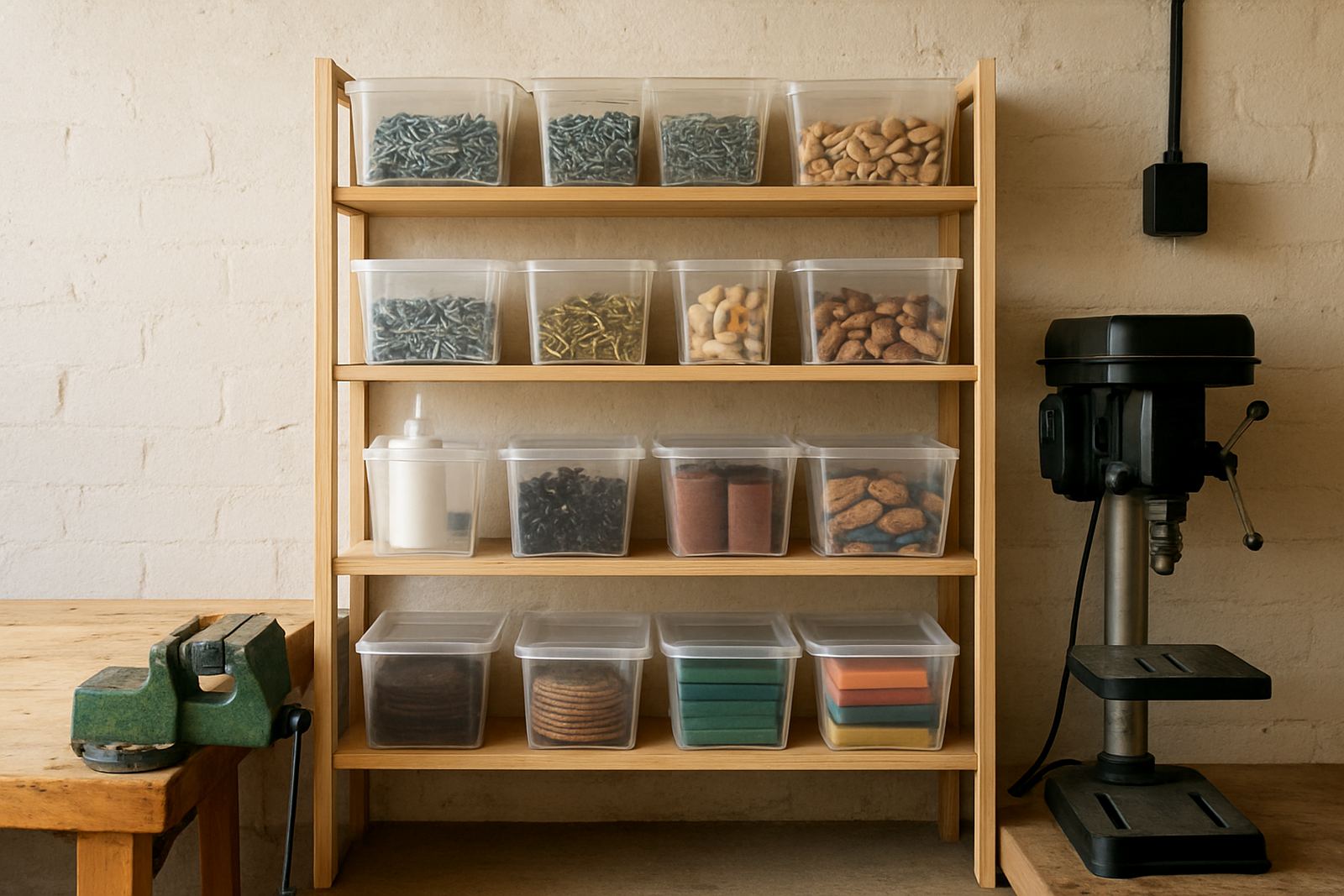
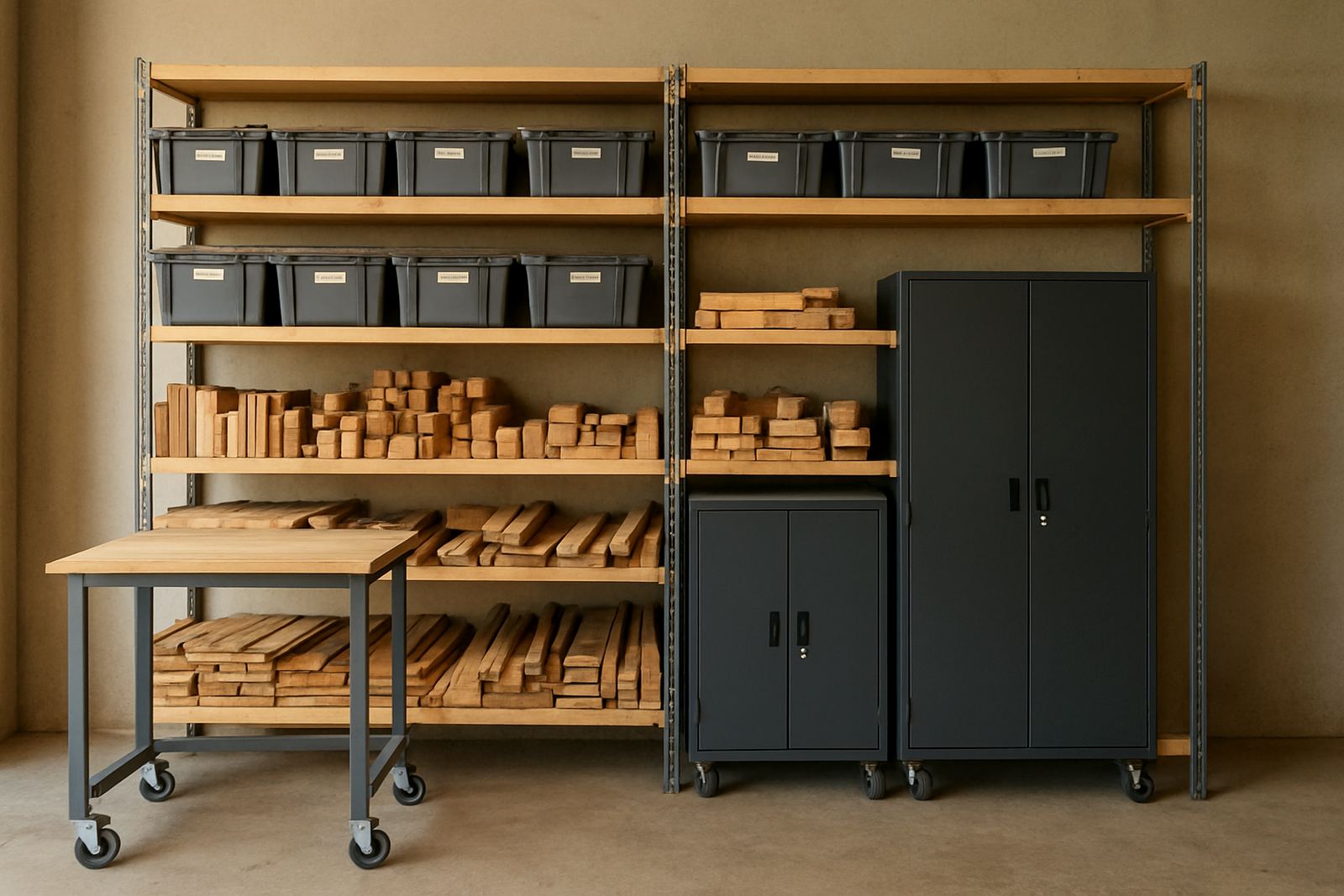
Storage is part of onboarding too. Members need to know where consumables are kept, which items must be labelled, and how to return tools after use. If your space has locked cupboards, cage storage, or mobile trolleys, we can include a simple access map and shelf coding. Clear storage routines protect your inventory and make it easier for new users to settle in without asking the same question ten times.
- PPE and machine safety reminders
- Rust prevention and dry-storage guidance
- Shutdown steps for power interruptions
- Shelf labels, bin codes and return points
What is included in the service
The service can cover the full onboarding setup or only the parts you need. Some clients ask us to prepare the induction content and join the first member intake session, while others want a complete rollout with forms, signage, training notes and room layout changes. We also support facilitators with talking points, practical drills and a basic checklist for approving members before they use higher-risk tools.
Where needed, we can align onboarding with related services such as facilitator support, safety signage setup, tool zone layouts and consumables planning. That way the member journey starts in the right place and the space keeps running with less supervision pressure. It also helps schools, startup teams and community venues keep standards steady across different branches or partner venues.
- Induction outline and session script
- Member checklist and acknowledgement form
- Tool access matrix by skill level
- Storage and cleaning instructions
- Support for facilitators during first intakes
Turnaround, pricing and rollout timing
Turnaround depends on the size of the space and how many member groups need onboarding. A small studio with one induction format may be ready in a few working days, while a multi-room site with several tool categories may take longer. If you need the process before a course starts, a launch event or a new intake cycle, tell us the date early so we can schedule the review and prepare the materials in time.
Pricing is quoted according to the number of onboarding touchpoints, the amount of documentation needed, site visits, and whether we are training your own staff to run the process. For larger networks across Johannesburg, Sandton, Midrand, Durban, Cape Town or Gqeberha, we can quote per site or per rollout phase. The aim is to keep the pricing clear, with no surprise extras once the scope is agreed.
- Small site onboarding: usually a few working days
- Multi-site rollout: quoted per phase or per location
- Training-only support: priced by session scope
- On-site review and documentation charged separately if required
Ongoing maintenance and refresher intervals
Onboarding is not a once-off job. Shared spaces change as tools are added, rules shift, and member numbers grow. We recommend a quick review every three months for active spaces, with a fuller refresh every six to twelve months depending on usage. If you run school labs, weekend workshops or high-turnover member programmes, you may need shorter intervals so the induction stays accurate.
During maintenance checks we look at sign condition, floor markings, access sheets, storage labels and whether the current process still matches the workshop reality. If a new machine arrives or a work area is moved, the onboarding notes should be updated at the same time. That saves staff from explaining the same change over and over, and it keeps safety steps current even when the room is busy.
- Quarterly review for active shared spaces
- Six-month or annual full refresher
- Update after new tools or layout changes
- Reissue forms and signage when rules change
Key facts
| Service type | Structured induction support for new members in shared maker spaces |
|---|---|
| Typical session length | 45 to 90 minutes depending on the number of tools and user groups |
| Access materials | Checklist, sign-off form, tool map, safety notes and storage guidance |
| Best for | Makerspaces, school labs, community workshops and startup teams |
| Maintenance interval | Quarterly review, with full refresh every 6 to 12 months |
| Coverage | Braamfontein, Johannesburg, Gauteng and partner venues nationwide |